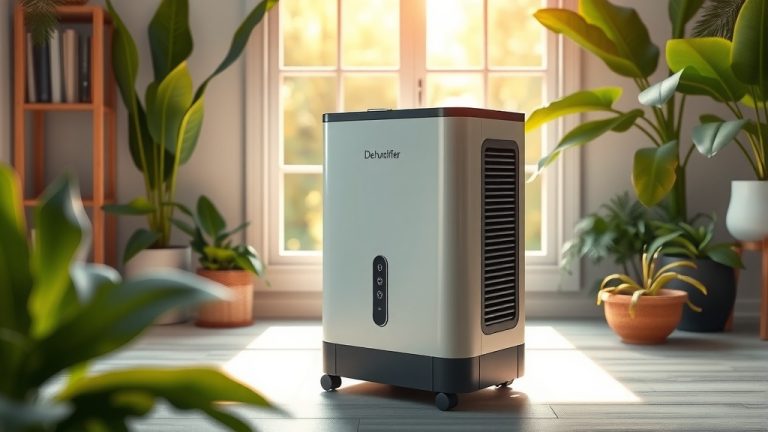
Can Mold Grow in a Dehumidifier?
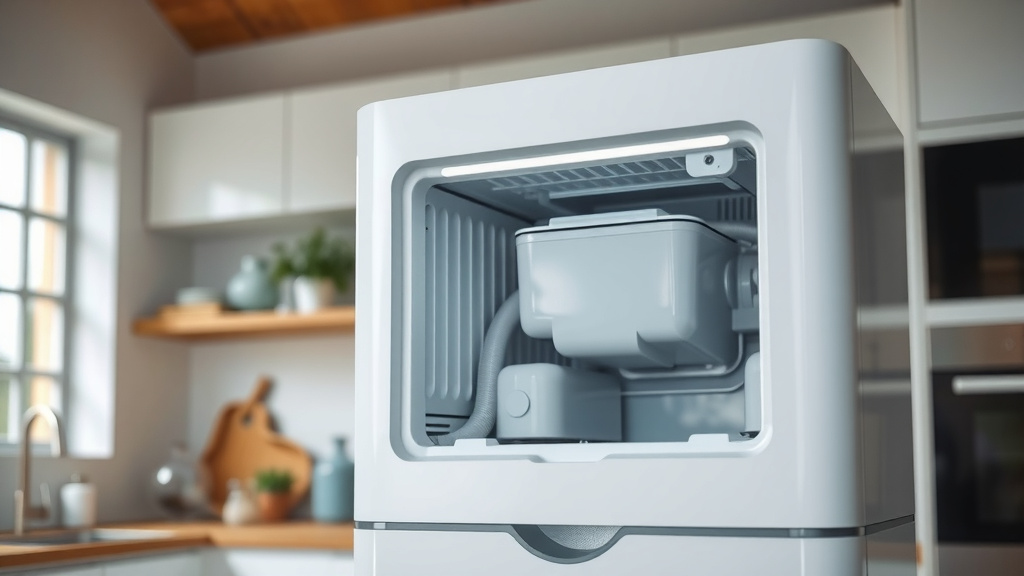
Yes, mold can absolutely grow in a dehumidifier if it’s not properly maintained. These devices collect moisture, creating an ideal environment for mold spores to thrive.
A dehumidifier can become a breeding ground for mold when neglected, turning a helpful appliance into a potential source of indoor air quality issues.
- Mold can easily grow in your dehumidifier due to collected moisture.
- Regular cleaning is essential to prevent mold growth and keep your air clean.
- Ignoring mold in your dehumidifier can impact your home’s air quality.
- Spotting mold early helps you tackle the problem quickly and safely.
- Follow simple steps to clean and maintain your dehumidifier for peak performance.
Can Mold Grow in a Dehumidifier?
Yes, unfortunately, mold can grow in your dehumidifier. This appliance is designed to pull moisture from the air, but that collected water also makes it a perfect spot for mold to appear.
It’s a bit ironic, isn’t it? The device meant to prevent mold can sometimes become a mold haven itself. But don’t worry, you can prevent this problem with simple care.
Why Your Dehumidifier Might Attract Mold
Think of your dehumidifier as a thirsty sponge, soaking up excess humidity. As it works, water collects in its bucket or internal reservoir.
Mold spores are always floating around us. When these spores land in a dark, damp, and warm environment – like a dehumidifier’s water tank – they find perfect conditions to grow.
We found that areas with standing water and poor air circulation are prime spots for mold. Your dehumidifier can fit this description if not cared for.
The Role of Stagnant Water
Stagnant water in the collection bucket is the biggest culprit. If you let water sit there for days, it becomes a breeding ground for microbes, including mold.
Many experts recommend emptying the bucket regularly (EPA). This simple habit can make a big difference in preventing mold growth.
Warm and Dark Interior Spaces
Mold thrives in darkness and warmth. The internal workings of your dehumidifier often provide these conditions, especially in parts where moisture collects but isn’t always visible.
This hidden environment gives mold a chance to take hold without you knowing, leading to a bigger problem down the road.
Spotting Mold in Your Dehumidifier
How do you know if mold has decided to move into your appliance? You might notice a few tell-tale signs.
Often, the first sign is a musty, earthy smell. It’s that familiar damp basement odor, but it seems to be coming from your dehumidifier.
Visual Clues to Look For
You might see visible spots of mold. They often appear as black, green, or white fuzzy patches inside the water bucket or on internal components.
Always inspect the water tank, the air filter, and any grilles where air passes through. Sometimes mold can hide in hard-to-reach areas.
Unusual Dehumidifier Performance
A mold-infested dehumidifier might not work as well. You might notice it’s not collecting as much water, or the humidity in your room isn’t dropping.
This can happen if mold blocks air pathways or clogs filters, reducing the unit’s ability to function correctly.
The Health Impact of Dehumidifier Mold
Finding mold in your dehumidifier is more than just an unsightly problem. It can also affect your indoor air quality and your health.
When your dehumidifier blows air, it could be releasing mold spores back into your room. You breathe in these spores, which can cause various issues.
Respiratory and Allergic Reactions
Many people experience allergy symptoms like sneezing, runny nose, or itchy eyes (CDC). Others might develop coughing or wheezing.
For individuals with asthma or other respiratory conditions, mold exposure can trigger flare-ups and breathing difficulties. We found that avoiding mold exposure is key for these groups (NIH).
Preventing Mold Growth: Your Action Plan
The good news is that preventing mold in your dehumidifier is straightforward. It just requires a little regular attention.
Think of it like watering a plant – it needs consistent care to thrive. Your dehumidifier also needs care to stay mold-free and effective.
Empty the Water Bucket Regularly
This is the simplest yet most important step. Make it a habit to empty the water collection bucket at least once a day, or as soon as it’s full.
Don’t let water sit there. If you’re away, consider turning off the dehumidifier or connecting it to a drain hose if it has that feature.
Clean Your Dehumidifier Consistently
Regular cleaning is your best defense against mold. You don’t need fancy tools or harsh chemicals.
Many guidelines suggest cleaning your dehumidifier every few weeks, or at least once a month, depending on how often you use it.
Here’s a simple checklist for regular maintenance:
- Empty the water tank daily.
- Rinse the water tank with clean water weekly.
- Check the air filter monthly and clean or replace it.
- Wipe down exterior surfaces if they get dusty.
- Clean internal components every few months.
Proper Placement Matters
Where you place your dehumidifier can also affect mold growth. Give it some breathing room.
Ensure there’s enough space around the unit for air to circulate freely. Don’t push it right up against a wall or furniture.
How to Clean a Moldy Dehumidifier Safely
If you find mold, don’t panic! You can usually clean it yourself. Just be sure to take some precautions.
Always unplug the unit first. Safety should be your top priority before cleaning any electrical appliance.
| Cleaning Solution | How to Use | Notes |
|---|---|---|
| White Vinegar | Mix equal parts vinegar and water. Wipe surfaces. | Natural disinfectant, good for light mold. |
| Mild Dish Soap & Water | Use a few drops in warm water. Scrub gently. | Effective for general grime and minor mold. |
| Hydrogen Peroxide (3%) | Spray directly, let sit for 10 minutes, wipe. | Stronger option for tougher mold spots. |
Wear gloves and a face mask to avoid contact with mold spores. You don’t want to breathe them in during the cleaning process.
Use a soft brush or cloth to scrub away visible mold. Rinse all removable parts thoroughly and let them air dry completely before reassembling.
When to Consider a New Dehumidifier
Sometimes, a dehumidifier might be beyond repair, especially if mold has become deeply embedded in internal components you can’t access.
If mold keeps returning quickly after cleaning, or if the unit stops working efficiently, it might be time for a replacement.
We found that replacing an old, mold-ridden unit is sometimes more cost-effective than trying to salvage it, particularly if it’s impacting your health.
Conclusion
Yes, mold can indeed grow in your dehumidifier, turning a helpful appliance into a source of problems. But with a little effort, you can keep it clean and working effectively.
Regular emptying, consistent cleaning, and smart placement are your best tools. By staying proactive, you ensure your dehumidifier continues to provide you with healthier, drier air without any unwanted guests.
You’re investing in a more comfortable and healthier home. So, let’s keep those dehumidifiers sparkling!
Can a Dehumidifier Clean Mold From the Air?
No, a dehumidifier does not actively clean mold from the air. Its main job is to remove moisture, which helps prevent new mold growth. If mold is already present, you need to clean it directly. Some dehumidifiers have air filters, but these are primarily for dust, not for removing existing mold spores comprehensively.
How Often Should I Clean My Dehumidifier?
You should empty the water bucket daily or whenever full. For a more thorough cleaning of the bucket and filter, aim for once every two to four weeks, especially during peak usage. A deeper cleaning of internal components is recommended every few months.
What Does Mold in a Dehumidifier Smell Like?
Mold in a dehumidifier typically produces a distinct musty, damp, or earthy smell. It’s a scent often associated with old, damp basements or decaying leaves. If you notice this odor coming from your unit, it’s a strong indicator that mold might be growing inside.
Can I Use Bleach to Clean Dehumidifier Mold?
While bleach can kill mold, it is generally not recommended for cleaning dehumidifier parts. Bleach can be harsh on plastics and metals, potentially damaging the unit. Also, mixing bleach with other cleaners can create dangerous fumes. Safer and effective alternatives include white vinegar, mild dish soap, or hydrogen peroxide.
Does a Dehumidifier Filter Need to Be Cleaned?
Yes, absolutely. The air filter in your dehumidifier collects dust and other particles. A dirty filter can restrict airflow, reduce efficiency, and even trap moisture, encouraging mold growth. Clean or replace your filter according to the manufacturer’s instructions, typically monthly or every few weeks during regular use.