Can One Dehumidifier Do a Whole House?
Generally, one portable dehumidifier is not enough to effectively dehumidify an entire house. Its range is limited, and air circulation issues often prevent it from reaching all areas.
For true whole-house humidity control, you’ll typically need multiple strategic units or a dedicated whole-house dehumidifier system.
Here’s a quick overview of what you’ll find in this article:
- One portable dehumidifier usually isn’t enough for a whole house.
- Airflow and capacity limit a single unit’s effectiveness.
- High humidity causes issues like mold, musty odors, and discomfort.
- Options include multiple portable units or a whole-house system.
- Choosing the right size depends on your home’s area and moisture level.
Can One Dehumidifier Do a Whole House?
Simply put, for most homes, a single portable dehumidifier won’t do the job for the whole house. It’s like trying to cool an entire home with just one window AC unit. The scope is limited.
Understanding How Dehumidifiers Work
Dehumidifiers pull moist air from a room, extract the water, and then release drier air back. They are designed to manage humidity in the immediate area around them. Think of them as local climate controllers for specific spaces.
The unit works by drawing air over a cold coil, condensing water vapor into liquid. This process effectively removes excess moisture from the air. The resulting dry air is then circulated back into your living space.
Portable vs. Whole-House Dehumidifiers
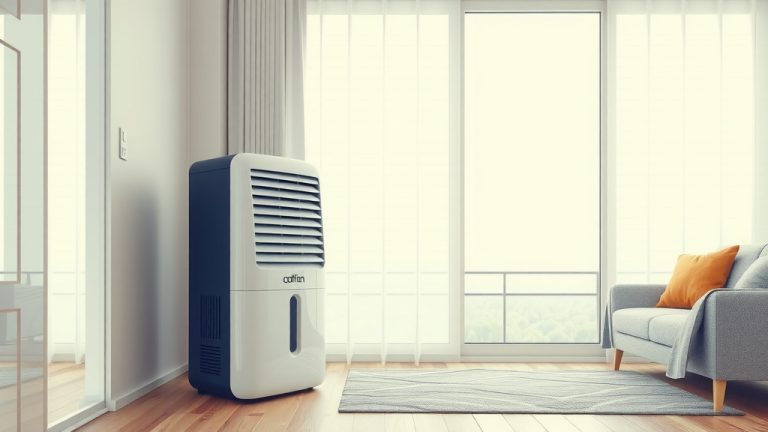
Portable units are standalone appliances you can move from room to room. They handle localized humidity issues. Whole-house systems, conversely, connect to your home’s existing HVAC system, treating all the air that circulates. These integrated systems offer a more consistent solution.
The Problem with a Single Portable Unit
You might wonder, “Why can’t I just put a big portable unit in a central spot?” It sounds like a good idea, but there are some real hurdles. The biggest challenges relate to air movement and capacity limits.
Airflow and Obstacles
Your home has walls, doors, furniture, and hallways. These all act as barriers, blocking the free movement of air. A single dehumidifier can only process the air that reaches it. It won’t magically pull moisture through closed doors or around corners. This means some areas remain damp.
Rooms further from the unit, especially those with less airflow, will continue to feel clammy. This creates uneven humidity levels throughout your home. You might feel comfortable in one room but not another.
Capacity Matters
Dehumidifiers are rated by “pints per day.” This number tells you how much water they can remove in 24 hours. A small unit designed for a bedroom simply lacks the capacity for an entire multi-room house. Trying to do so would cause it to run constantly, inefficiently, and with little overall impact. You’d likely pay more in electricity for minimal results.
Signs Your Home Needs Dehumidification
How do you know if humidity is even a problem for you? Your home often gives clear signals. Pay attention to how it feels and smells. A healthy indoor humidity level typically falls between 30% and 50% (EPA recommendations).
Common indicators of high humidity include a musty smell, dampness in the air, or condensation on windows. You might also notice sticky surfaces or warped wood floors. These are all signs your home is struggling with too much moisture.
Why Humidity Control is Important
High humidity isn’t just uncomfortable; it can lead to bigger problems. Research often connects prolonged high humidity with mold and mildew growth (CDC). These can trigger allergies and asthma symptoms. Excess moisture also attracts pests like dust mites. It can even damage your home’s structure, causing wood to rot or paint to peel. Protecting your home and health requires balanced humidity.
Options for Whole-House Humidity Control
Since one portable unit isn’t the answer, what are your options? You have two main routes: using multiple units or installing a whole-house system. Both approaches can deliver effective results.
Multiple Portable Units
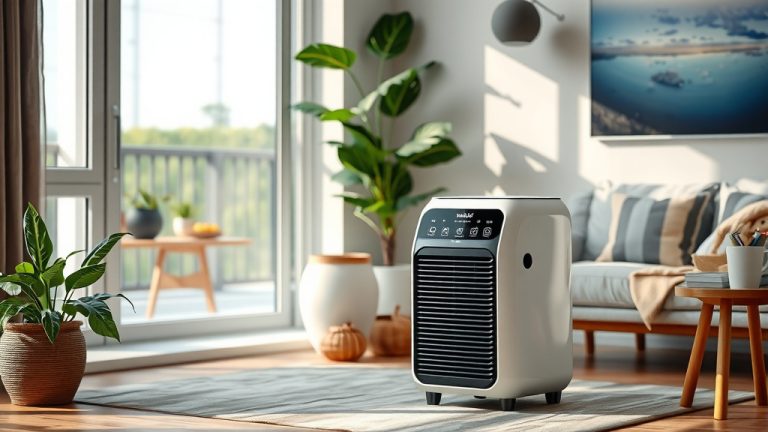
One practical approach is to strategically place several portable dehumidifiers throughout your home. Focus on areas that tend to be dampest, like basements, laundry rooms, or specific bedrooms. This allows you to tackle humidity where it starts. You might need a unit in the basement and another on a humid upper floor. Targeted placement is key here.
This method offers flexibility. You can move units as your needs change, or only run them in certain areas. It’s often a more budget-friendly starting point than a full-scale system. However, it means maintaining multiple units and emptying water tanks more frequently.
Whole-House Dehumidifiers (Integrated Systems)
For truly consistent and hands-off humidity control, a whole-house dehumidifier is often the top choice. These units are typically installed as part of your home’s heating and cooling system. They work quietly behind the scenes to control moisture throughout your entire living space. We found these systems offer the most comprehensive solution.
Basement/Crawl Space Units
Sometimes, the source of your home’s humidity is primarily in the basement or crawl space. In these cases, a dedicated dehumidifier for just that area can significantly impact your whole house. These units are designed to handle tough, consistently damp environments. They prevent moisture from rising into your main living areas, improving overall air quality.
Choosing the Right Dehumidifier Size
Selecting the correct size (capacity) for your dehumidifier is vital for efficiency. Too small, and it won’t keep up; too large, and it wastes energy. The general rule of thumb involves considering the square footage and current dampness of the area. Many experts say to always check the pint rating. (Energy Star guidelines)
What is “Pints Per Day”?
This measurement tells you how many pints of water a dehumidifier can remove from the air in 24 hours. A larger home or a very damp area will require a higher pint capacity. For example, a basement might need a 50-pint unit, while a small, slightly damp room could manage with a 20-pint model. This rating helps you match the unit to your specific need.
Factors Influencing Your Choice
When choosing, consider more than just square footage. How damp is the area normally? Do you have standing water issues? How many people live in your home? Your climate also plays a role. A humid southern climate might need a stronger unit than a drier northern one. Keep these things in mind for the best performance and comfort.
| Room Size (Square Feet) | Slightly Damp (30-50% RH) | Moderately Damp (50-60% RH) | Very Damp (>60% RH) |
|---|---|---|---|
| 500 sq ft | 10-20 Pints | 20-30 Pints | 30-40 Pints |
| 1000 sq ft | 20-30 Pints | 30-40 Pints | 40-50 Pints |
| 1500 sq ft | 30-40 Pints | 40-50 Pints | 50-60 Pints |
| 2000 sq ft | 40-50 Pints | 50-60 Pints | 60-70 Pints |
Here are some practical tips to make your dehumidifier work harder for you:
- Close windows and doors when the dehumidifier is running.
- Place units in central locations within the target area, away from walls.
- Clean the air filter regularly to maintain efficiency.
- Ensure the drain hose (if applicable) is clear and correctly positioned.
- Monitor humidity levels with a hygrometer to track progress.
Before Buying Your Dehumidifier, Consider This Checklist:
- What is the exact square footage of the area you need to dehumidify?
- How damp does that area usually feel? (Slightly, moderately, very?)
- Do you prefer to empty a water tank or have a continuous drain option?
- What is your budget for initial purchase and ongoing electricity use?
- Do you want a quiet model, especially if it’s for a living space?
Conclusion
While a single portable dehumidifier is wonderful for a specific room, it typically falls short for an entire house. Whole-house humidity control requires a more thoughtful approach. Whether you opt for a network of well-placed portable units or a sophisticated whole-house system, making an informed choice protects your home and boosts your comfort. Remember to consider your home’s unique layout, climate, and existing moisture problems. Investing in proper humidity management is a smart move for any homeowner.
What’s the ideal indoor humidity level for a home?
The ideal indoor humidity level for most homes ranges between 30% and 50% relative humidity. Maintaining this range helps prevent mold growth, dust mites, and other moisture-related issues, while also keeping your home comfortable. Going too low can cause dry skin and static electricity.
Can a dehumidifier help with allergies?
Yes, a dehumidifier can certainly help alleviate allergy symptoms. Many common allergens, such as dust mites and mold, thrive in high-humidity environments. By reducing the moisture in your air, a dehumidifier makes your home less hospitable to these triggers, which can lead to fewer allergic reactions. We found this is a common benefit for many users.
How often should I empty my portable dehumidifier’s water tank?
The frequency depends on the unit’s tank size and the amount of moisture it’s removing. In very humid conditions, you might need to empty it once or twice a day. Many newer models have indicators or automatic shut-off features when the tank is full, so you won’t need to constantly check it. Consider a model with a continuous drain option if you prefer not to empty the tank.
Will a dehumidifier raise my energy bill significantly?
Any appliance uses electricity, and a dehumidifier is no exception. However, modern Energy Star certified models are much more efficient. The actual impact on your energy bill depends on the unit’s size, how often it runs, and your electricity rates. Running a properly sized unit effectively can prevent more costly issues like mold remediation, offering a good trade-off.
Where is the best place to put a portable dehumidifier?
For optimal results, place a portable dehumidifier in the most humid area of the room or house you are trying to treat. Avoid placing it directly against a wall or in a corner, as this can restrict airflow. A central location or near a moisture source like a leaky window or bathroom is usually best. Make sure there’s clear space around it for air circulation.