Can Plants Dehumidify a Room?
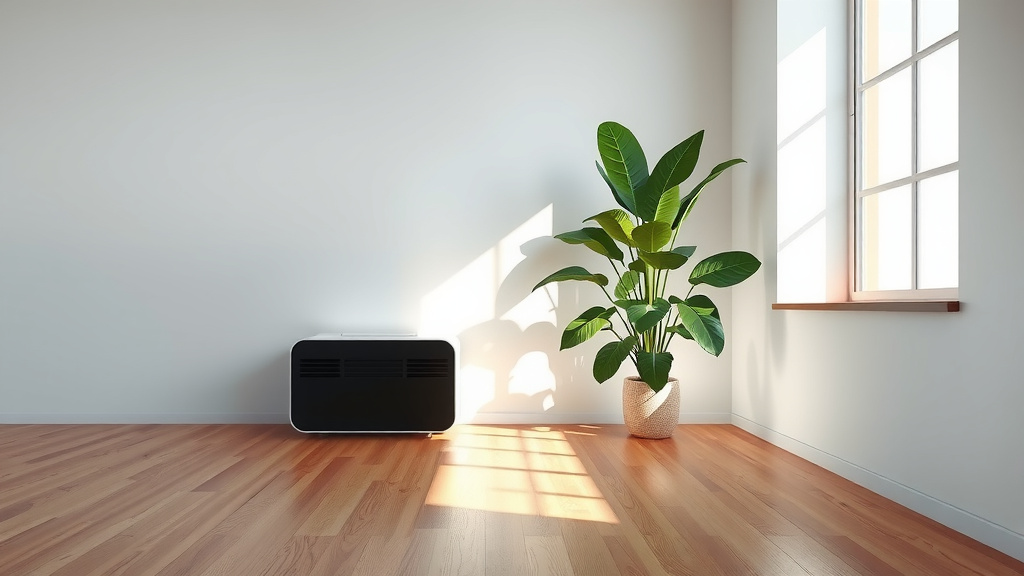
No, plants cannot significantly dehumidify a room in a practical sense. While plants release some moisture into the air through a process called transpiration, they also introduce moisture through watering, making them largely ineffective as dehumidifiers.
Here’s a quick summary of what you need to know:
- Plants add moisture to the air through transpiration, not remove it.
- Watering your plants also increases humidity levels in your space.
- You cannot rely on houseplants to solve a humidity problem.
- True dehumidification requires mechanical or passive ventilation solutions.
- Maintaining ideal humidity levels is vital for your home and health.
Can Plants Dehumidify a Room?
No, plants do not effectively dehumidify a room. They generally add more moisture to the air than they remove. This might surprise you, but it’s a common misunderstanding about how plants interact with their environment.
The Truth About Plants and Humidity
You might have heard that some plants can help clean the air. This is true for certain pollutants! But when it comes to humidity, the story is different. Plants are living organisms that need water, and they release it back into the air.
What is Transpiration?
Think of transpiration as a plant’s way of sweating. Water travels from the roots, up through the stem, and evaporates from tiny pores on the leaves. This process is essential for the plant’s health, but it also means moisture enters your air.
Many experts explain that this natural process is a constant source of humidity. It’s how plants move water and nutrients (NIH).
Why Plants Don’t Work as Dehumidifiers
If you’re battling high humidity, turning to your houseplants won’t offer a solution. In fact, you might make the problem worse. The water you give your plants eventually evaporates, adding to the moisture in your room.
Even if a plant absorbs some airborne moisture, the amount it releases is usually greater. You’re fighting an uphill battle if you expect plants to reduce your indoor dampness.
The Water Cycle in Your Home
Imagine your home’s air as a big sponge. Any added water, whether from a shower, cooking, or even breathing, gets absorbed. When you water plants, that water enters this cycle, contributing to the overall humidity.
We found that proper ventilation is always key for managing this cycle. Plants simply do not play a role in removing excess moisture from your air.
Real Solutions for High Humidity
Okay, so plants aren’t your solution. What can you do when your home feels damp and clammy? Plenty! There are practical, effective ways to control humidity.
Consider a Dehumidifier
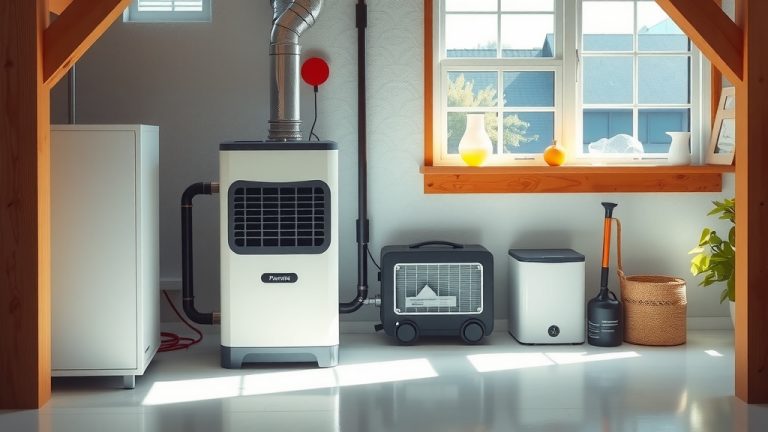
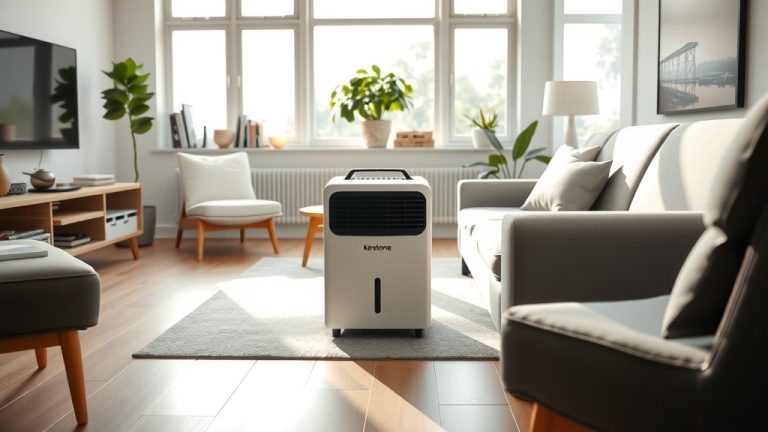
If you have persistent high humidity, a dehumidifier is your best friend. These appliances are designed specifically to pull moisture from the air. They work quickly and efficiently to bring your indoor humidity to a comfortable level.
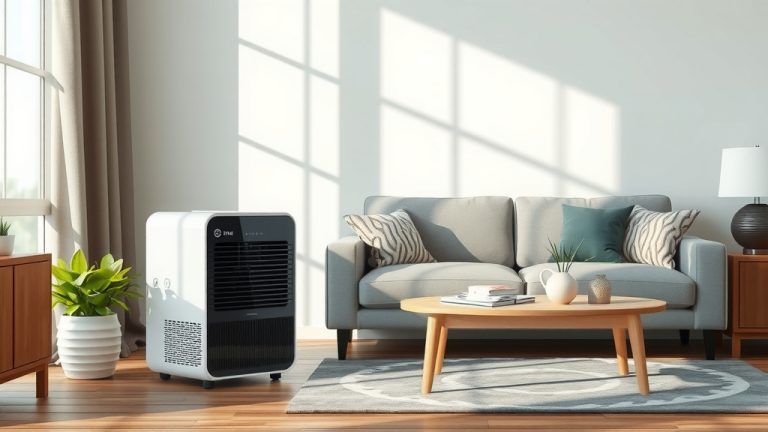
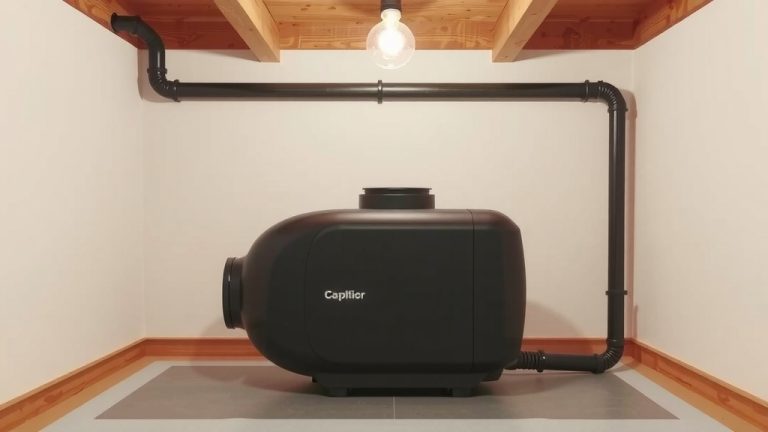
You can choose from whole-home systems or portable units for specific rooms. We found that a good dehumidifier can make a huge difference in your home’s comfort and air quality.
How Dehumidifiers Work
Think of a dehumidifier like a reverse air conditioner. It draws in moist air, passes it over cold coils to condense the water, and then releases drier air back into the room. The collected water goes into a bucket or drains away.
This process directly removes water vapor. It’s a mechanical and very effective way to control dampness in your living space.
Ventilation is Your Friend
Good airflow helps move moist air out and drier air in. It’s a simple but powerful strategy for humidity control. Opening windows or using exhaust fans can make a big impact.
After showering or cooking, always run your exhaust fans. This stops moisture from spreading throughout your home. Many guidelines point to this as a good first step (EPA).
Natural Air Flow Tips
Want to reduce humidity naturally? Here are some simple steps:
- Open windows on opposite sides of your house for a cross breeze.
- Use ceiling fans to circulate air, making the room feel cooler and less humid.
- Keep doors open between rooms to promote better airflow.
- Ensure your home’s HVAC system has a clean filter for optimal operation.
- Dry clothes outside when possible, rather than using an indoor drying rack.
Address Moisture Sources
Sometimes humidity comes from specific issues. Do you have a leaky pipe? Is your dryer vent blocked? Finding and fixing these sources can stop the problem at its root.
Check for leaks in your basement or crawl space. Make sure gutters drain water away from your foundation. These actions prevent moisture from entering your home in the first place.
Understanding Ideal Humidity Levels
What’s the right amount of humidity? Most experts agree that indoor relative humidity should be between 30% and 50%. This range offers the best comfort and health benefits.
You can easily measure your home’s humidity with a hygrometer. These small devices are inexpensive and give you immediate readings, helping you monitor your environment.
The Impact of High Humidity
High humidity isn’t just uncomfortable; it can lead to bigger problems. Think sticky skin, musty smells, and even health issues. Mold and mildew thrive in damp conditions, and they can worsen allergies and asthma.
Research often connects high indoor humidity with increased dust mites (Mayo Clinic). These tiny creatures also contribute to allergy symptoms. Keeping humidity in check helps protect your health and home.
Here’s a quick comparison:
| Feature | Plants for Dehumidification | Mechanical Dehumidifier |
|---|---|---|
| Moisture Control | Adds moisture | Removes moisture |
| Effectiveness | Ineffective | Highly effective |
| Energy Use | Minimal (for plant care) | Uses electricity |
| Primary Purpose | Aesthetics, air purification | Humidity control |
Don’t fall for the myth that your fiddle-leaf fig will solve your damp basement. It simply won’t. Focus on targeted solutions for effective results.
Conclusion
While plants bring beauty and joy to your home, they are not natural dehumidifiers. They actually add moisture to the air through transpiration and the water you give them. If you’re struggling with high humidity, your best bet is to invest in a quality dehumidifier, improve ventilation, and address any direct moisture sources. By taking these steps, you can create a more comfortable, healthier living environment for yourself and your family.
Can I still have plants if my room has high humidity?
Absolutely! You can enjoy your plants even in a humid environment. Just be mindful of proper watering and ensure you have other effective humidity control methods in place, such as a dehumidifier or good ventilation. Placing a fan nearby can also help with air circulation around your plants.
Do certain plants add less moisture to the air than others?
All plants transpire and release moisture. However, larger plants with more leaves tend to transpire more than smaller plants. Succulents and cacti, which store water in their leaves, generally have lower transpiration rates compared to leafy tropical plants, but they still add moisture to the air.
How can I tell if my room has too much humidity?
Signs of high humidity include condensation on windows, a sticky or clammy feeling, a musty odor, and the appearance of mold or mildew on walls, ceilings, or fabrics. You can also use a hygrometer to get an exact reading of your room’s relative humidity level.
Are there any risks to having high humidity in my home?
Yes, high humidity can lead to several problems. It promotes the growth of mold, mildew, and dust mites, which can trigger allergies and respiratory issues. It can also damage wooden furniture, flooring, and even electronic devices. High humidity just feels uncomfortable and sticky.
What is the most effective way to lower humidity quickly?
The quickest and most effective way to lower humidity is by using a mechanical dehumidifier. These devices are designed to efficiently extract moisture from the air. Running exhaust fans in bathrooms and kitchens, especially after activities that generate moisture, also provides quick relief.