Can Rice Be Used as a Dehumidifier?
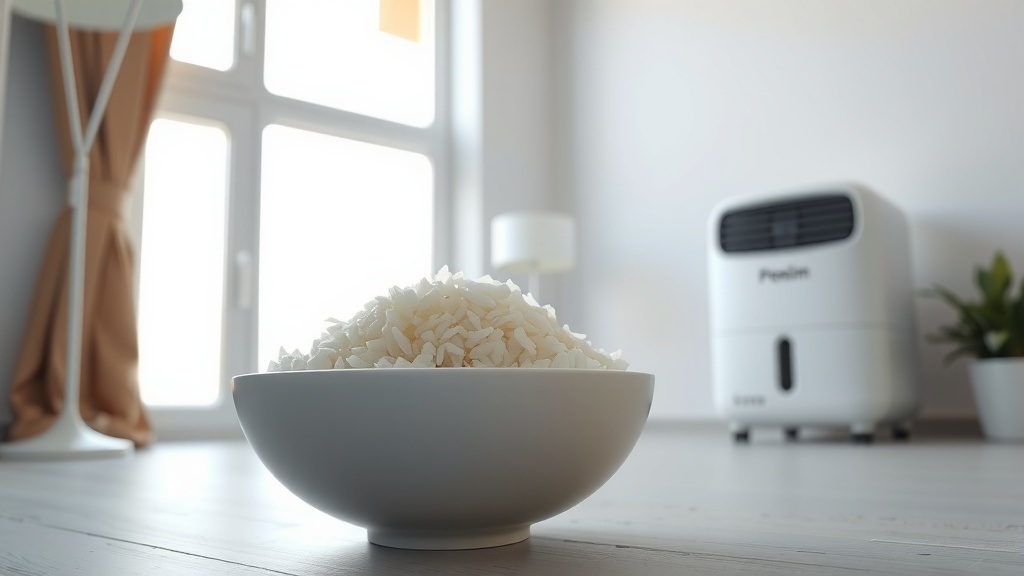
While rice can absorb some moisture, using it as a dehumidifier for a whole room or persistent humidity issues is generally ineffective and not recommended for long-term solutions.
Its capacity to remove significant amounts of humidity from the air is very limited, making it unsuitable for areas prone to mold or dampness.
Here’s a quick summary if you’re short on time:
- Rice offers only a minimal and temporary moisture-absorbing effect.
- It’s largely ineffective for any significant humidity problem in homes or larger spaces.
- Relying on rice can lead to unchecked humidity, causing mold, mildew, and structural damage.
- For real moisture control, you need a dedicated dehumidifier or other proven methods.
- Think of rice as a tiny, single-use desiccant, not a robust solution for dampness.
Can Rice Be Used as a Dehumidifier?
You might have heard the idea of using rice to dry out a damp phone or a small container. While rice does have some hygroscopic properties, meaning it can absorb small amounts of moisture, it simply isn’t an effective dehumidifier for your home or any area larger than a very small, enclosed space. We found that its capacity is far too limited to make a real difference in controlling indoor humidity levels.
The Science of Moisture Absorption: Why Rice Falls Short
Rice grains, particularly uncooked white rice, can absorb water when they come into direct contact with it. This is why it works for a wet phone if you’re lucky. But when it comes to pulling moisture from the air, it’s a different story. Air humidity is a gas, and rice isn’t designed to efficiently capture airborne water vapor over a wide area. Many experts say that while it might absorb a tiny bit over time, it’s not a practical solution for indoor air quality (Cleveland Clinic).
Understanding Humidity in Your Home
Your home’s humidity isn’t just about surface moisture; it’s about the amount of water vapor in the air itself. High humidity can feel sticky, make your home smell musty, and even affect your health. We often aim for indoor humidity levels between 30% and 50% for comfort and health (EPA).
The Problem with Persistent Dampness
Ignoring high humidity can lead to bigger issues than just a stuffy room. You might start noticing tell-tale signs like a faint mildew smell or condensation on windows. Unchecked dampness creates an ideal breeding ground for mold, dust mites, and bacteria, which can trigger allergies and respiratory problems for your family. It’s a silent problem that can quickly become a big one.
Mold Growth: A Real Danger
Mold loves dark, damp environments. If you’re relying on rice, and it’s not doing its job, mold can quietly spread behind walls, under carpets, or in basements. Once mold takes hold, it’s not just an unsightly mess; it can cause structural damage to your home and serious health issues. Research often connects prolonged mold exposure with respiratory symptoms and allergic reactions (CDC).
Where Rice Might Seem “Useful” (But Isn’t a Solution)
You might find small bags of rice used to prevent salt from clumping in shakers or to “dry out” electronics. These are very specific, tiny applications. For a salt shaker, it’s about direct contact with salt crystals, not air. For electronics, it’s often a desperate last resort, and its effectiveness is debated. It’s a bit like trying to put out a house fire with a teacup of water—it’s just not enough.
Comparing Rice to Actual Desiccants
Think about silica gel packets you find in new shoes or electronics. These are actual desiccants specifically engineered to absorb moisture. Rice simply doesn’t compare to their absorbing power or longevity. Silica gel has a much larger surface area for absorption and a stronger affinity for water vapor.
Real Solutions for Humidity Control
When you need to tackle humidity, you need proven methods. These solutions are designed to effectively remove moisture from the air and maintain healthy indoor humidity levels. Don’t waste your time or risk your home’s integrity on unproven folk remedies.
Here are the primary ways to effectively control humidity:
- Dedicated Dehumidifiers: These appliances are built for the job, pulling moisture from the air.
- Proper Ventilation: Fans in bathrooms and kitchens help remove steam and moisture at the source.
- Air Conditioners: AC units naturally dehumidify as they cool the air.
- Exhaust Fans: Using exhaust fans when cooking or showering is a simple but effective step.
- Sealing Leaks: Fixing leaky pipes or drafts can prevent moisture from entering.
Different Types of Dehumidifiers
Not all dehumidifiers are the same. Understanding the types can help you choose the right solution for your specific needs, whether it’s a damp basement or a humid living room.
| Dehumidifier Type | How It Works | Best For |
|---|---|---|
| Refrigerant (Compressor) | Draws air over cold coils, condensing moisture into a water tank. | Warm, very humid environments (e.g., basements in summer). |
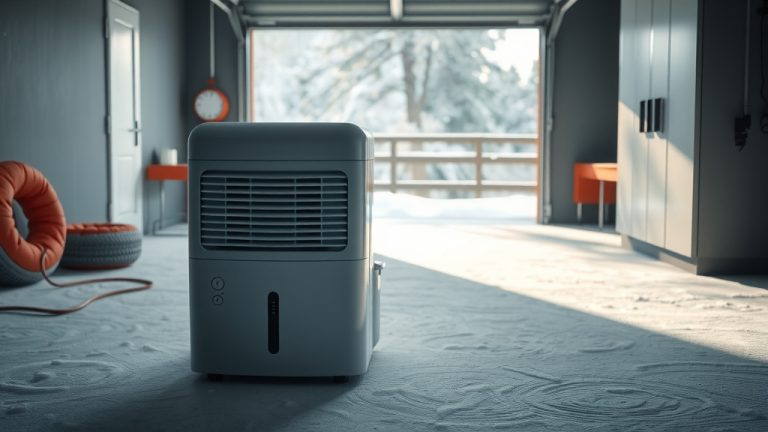
| Desiccant | Uses a moisture-absorbing material (like silica gel) to pull water from the air. | Cooler environments (e.g., garages, unheated basements, winter use). |
| Whole-House | Integrated into your HVAC system to control humidity throughout your entire home. | Consistent humidity control for the whole house. |
When to Consider a Dehumidifier
If you experience any of these signs regularly, it might be time to invest in a proper dehumidifier. Many people wait until they see mold, but you can prevent that point by acting early.
Here’s a quick checklist:
- Your home feels constantly sticky or clammy.
- You notice musty odors in certain rooms, especially basements or bathrooms.
- There’s condensation on your windows or cold surfaces.
- You have frequent allergy flare-ups that worsen indoors.
- Peeling paint or warping wood floors are appearing.
The Cost of Inaction vs. Real Solutions
It’s tempting to try a cheap fix like rice, but the long-term cost of ignoring humidity can be much higher. You could face expensive repairs for mold remediation, structural damage, or health problems. Investing in a reliable dehumidifier is a proactive step that protects your home and your family’s well-being.
Protecting Your Belongings
High humidity doesn’t just harm your health; it can also damage your possessions. Books can warp and get moldy, electronics can malfunction, and even furniture can suffer. Think of your home as an ecosystem where moisture needs to be managed for everything to thrive.
Conclusion
While the idea of using rice as a dehumidifier is a popular myth, especially for small-scale emergencies, it’s crucial to understand its limitations. For managing humidity in your home, especially for persistent issues, rice is simply not an effective or reliable solution. You need dedicated tools designed for the job. Investing in a proper dehumidifier or improving ventilation will give you the real results you need to keep your home comfortable, healthy, and free from moisture-related damage. Don’t let a small problem become a big, costly one by relying on an ineffective trick.
Can I use rice to dry out a water-damaged phone?
You can try using rice for a water-damaged phone, but its effectiveness is often overstated, and many experts suggest it’s not the best approach. Rice might absorb some surface moisture, but it struggles to pull water from inside the phone, potentially leaving corrosive minerals behind. It’s often better to power the phone off immediately and take it to a professional for proper drying and assessment.
How much rice would I need to dehumidify a small room?
Even for a small room, you would need an impractically large amount of rice, likely hundreds of pounds, to have any noticeable effect on air humidity. And even then, the absorption would be slow and temporary. It’s simply not designed for such a task and would quickly become saturated without effectively reducing humidity to a healthy level.
Are there any natural alternatives that work better than rice?
Yes, some natural desiccants work better than rice for very small, enclosed spaces. Calcium chloride, often found in commercial moisture absorbers, is far more effective. For larger areas, improving air circulation with fans, opening windows on dry days, and using houseplants that absorb moisture (like Boston ferns) can help slightly, but still won’t replace a mechanical dehumidifier for significant issues.
What are the immediate signs that I have a humidity problem?
Immediate signs of a humidity problem often include feeling sticky or clammy indoors, condensation on windows or cold pipes, a musty odor, and possibly visible signs of mildew in bathrooms or basements. If you notice any of these, it’s a good idea to measure your home’s humidity levels with a hygrometer.
How often should I run a dehumidifier in my home?
How often you run a dehumidifier depends on your home’s specific humidity levels, the season, and your local climate. Many people run them continuously in damp areas like basements, or during humid summer months. The goal is to maintain indoor humidity between 30% and 50%. Most modern dehumidifiers have a humidistat that allows you to set your desired humidity level, so it only runs when needed.