Can You Add Freon to a Dehumidifier?
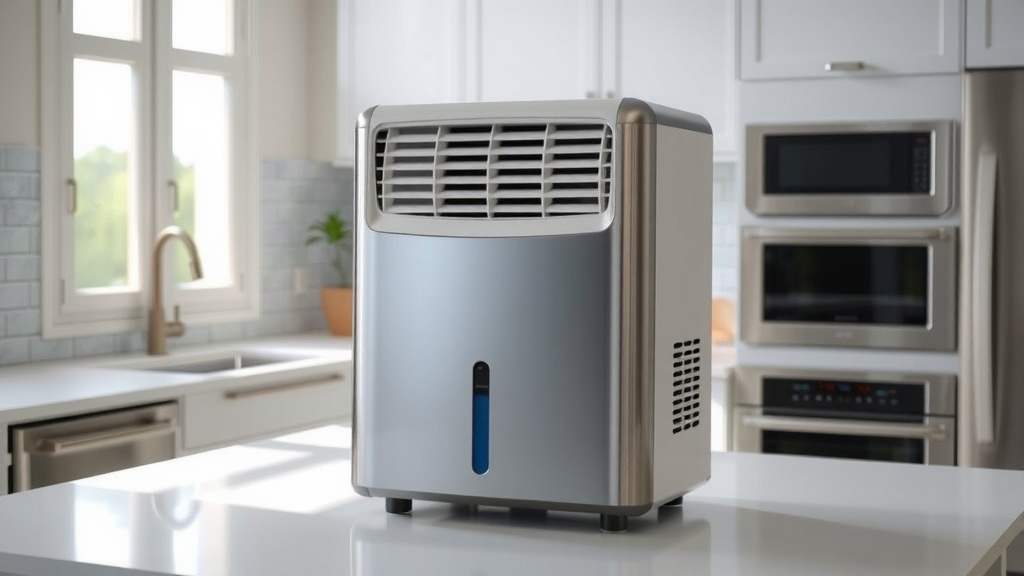
No, you generally cannot add Freon to a dehumidifier yourself, and it’s rarely a practical solution for most residential units.
Dehumidifiers operate with a sealed refrigerant system, and if “Freon” (or any modern refrigerant) is low, it indicates a leak that requires professional repair, which is often expensive.
Quick Summary:
- Adding refrigerant to a dehumidifier is not a typical maintenance task.
- Low refrigerant signals a leak in a sealed system.
- Repairing a leak and recharging refrigerant needs special tools and certification.
- For most household dehumidifiers, replacement is often more cost-effective than repair.
- Regular cleaning and maintenance can prevent many common dehumidifier problems.
Can You Add Freon to a Dehumidifier?
The short answer is usually no. You cannot simply “add Freon” to a dehumidifier like you might add gas to your car. If your dehumidifier is low on refrigerant, it means there’s a leak in its sealed system.
Understanding Your Dehumidifier’s Cooling System
Your dehumidifier works much like a small refrigerator. It uses a refrigerant, a special chemical compound, to cool coils inside the unit. As warm, moist air passes over these coils, the moisture condenses into water droplets.
This process relies on a precisely charged and sealed refrigerant system. It’s designed to contain the refrigerant for the entire lifespan of the appliance, typically without needing refills.
What Refrigerant Does Your Dehumidifier Use?
Many people still say “Freon,” but that’s a brand name for older refrigerants like R-22, which are now largely phased out (EPA). Today, most modern dehumidifiers use refrigerants such as R-410A or R-134a.
These newer refrigerants are more environmentally friendly. The specific type your unit uses will be listed on its data plate or in the owner’s manual.
The “Freon” Misconception
Thinking you can add Freon comes from an outdated idea of appliance maintenance. Unlike a car’s AC system, which might tolerate minor leaks or need occasional top-ups, a dehumidifier is not designed for routine refrigerant additions. It’s a closed loop.
Why Adding Refrigerant Isn’t Simple
Imagine a tire with a slow leak; you wouldn’t just keep adding air without fixing the hole, would you? The same logic applies here. If your dehumidifier is low on refrigerant, there’s a leak.
Simply adding more refrigerant without locating and repairing the leak is like putting a band-aid on a gushing wound. The new refrigerant will escape, and your problem will return quickly.
Sealed System Design
A dehumidifier’s refrigerant system is engineered to be permanently sealed. This design helps ensure efficiency and prevents refrigerant escape. Any breach in this seal will cause the refrigerant to dissipate.
The Problem with Leaks
Leaks can be tricky. They can occur in the coil tubing, at connection points, or through vibrations over time. Finding a tiny leak in a complex coil system can be a major challenge even for skilled technicians.
Specialized Tools and Training Are Needed
Handling refrigerants needs specific equipment and training. Technicians need to safely recover the existing refrigerant, pinpoint the leak, repair it, evacuate the system, and then accurately recharge it. This is not a DIY task for several reasons:
- Refrigerants are pressurized chemicals and can be dangerous if mishandled.
- Special vacuum pumps are needed to remove air and moisture from the system.
- Precise measuring tools are crucial to add the correct amount of refrigerant.
- Incorrectly adding refrigerant can damage the compressor or other parts.
Signs Your Dehumidifier Might Have a Refrigerant Issue
How do you know if your dehumidifier is struggling with low refrigerant? There are a few key indicators. If you notice any of these, it might be time to investigate further.
Lack of Condensation
Is your unit running, but the water collection bucket stays empty, or almost empty? This is a common sign. If the coils aren’t getting cold enough, they won’t condense moisture from the air effectively.
Frost on Coils
Sometimes, if refrigerant levels are too low, the pressure and temperature balance within the system can be thrown off. This can lead to the evaporator coils becoming excessively cold and forming a layer of ice or frost.
Running Constantly, No Drying
You might notice your dehumidifier running non-stop, working hard, but the room still feels damp. It’s trying to reach its humidity target, but without sufficient refrigerant, it simply can’t remove enough moisture.
What To Do If You Suspect a Refrigerant Problem
If you’ve identified these signs, what’s your next move? You have a couple of paths, and the decision often comes down to cost and the unit’s age.
Professional Diagnosis vs. DIY
A certified HVAC technician can diagnose the issue. They use specialized leak detectors to find the source. However, once a leak is found, the repair process is not always straightforward or cheap.
The Cost Factor
We found that repairing a dehumidifier with a refrigerant leak often costs more than purchasing a new unit, especially for smaller or older residential models. The labor to find the leak, fix it, and recharge the system can quickly add up.
Many experts say that if your dehumidifier is more than a few years old and develops a refrigerant leak, it’s often more practical to replace it (Consumer Reports).
| Option | Pros | Cons |
|---|---|---|
| Attempt Repair | Extends life of current unit; avoids landfill waste. | Often very expensive; repair might not last; hard to find parts for older units. |
| Replace Unit | New warranty; better energy efficiency; newer features; usually more cost-effective. | Initial purchase cost; old unit disposal. |
Preventing Dehumidifier Issues
While you can’t prevent all leaks, you can certainly extend the life of your dehumidifier and avoid common problems. Regular maintenance is your best friend here.
Regular Cleaning is Key
Many issues arise from neglected maintenance. Keeping your unit clean ensures it runs efficiently and puts less strain on its components, including the sealed refrigerant system. Dust and debris can make the compressor work harder, potentially leading to overheating or premature wear.
Maintenance Checklist:
- Clean the air filter regularly, ideally every two weeks.
- Empty and clean the water bucket to stop mold growth.
- Wipe down the exterior to keep vents clear.
- Clean the coils gently with a soft brush or vacuum if accessible.
- Ensure proper airflow around the unit, not against a wall.
- Store correctly in a dry, temperate place during off-season.
Conclusion
While the thought of just adding Freon to a struggling dehumidifier might seem like a simple fix, the reality is far more complex. Dehumidifiers are sealed systems, and a lack of refrigerant signals a leak that needs professional attention.
For most residential units, the cost and effort of repairing a refrigerant leak often outweigh the benefit. Instead, focusing on preventative maintenance and knowing when to replace your unit will save you both time and money in the long run. Keep your dehumidifier clean, and it will serve you well for years to come!
FAQs:
How long does refrigerant last in a dehumidifier?
In a properly functioning, sealed dehumidifier, the refrigerant should last for the entire lifespan of the unit. It is not something that depletes or needs refilling over time unless there is a leak in the system.
Can a small dehumidifier be repaired if it leaks?
While technically possible, repairing a small residential dehumidifier with a refrigerant leak is generally not recommended. The cost of labor and parts often exceeds the price of a new unit, making replacement a more economical choice.
Is it dangerous if a dehumidifier leaks refrigerant?
Modern refrigerants like R-410A and R-134a are relatively safe, especially in the small quantities found in home dehumidifiers. However, they can displace oxygen in a very confined space, and prolonged exposure or direct contact should be avoided. If you smell a chemical odor, ventilate the area.
What are common reasons a dehumidifier stops working?
Beyond refrigerant leaks, common issues include dirty air filters, a full water bucket, a malfunctioning humidistat, fan motor failure, or a faulty compressor. Many simple problems can be fixed with regular cleaning and basic troubleshooting.
Should I try to recharge my dehumidifier myself?
No, you should not attempt to recharge your dehumidifier yourself. Handling refrigerants requires specialized tools, knowledge, and often certification. Improper handling can damage the unit, pose safety risks, and release harmful chemicals into the environment, which is illegal in many places.