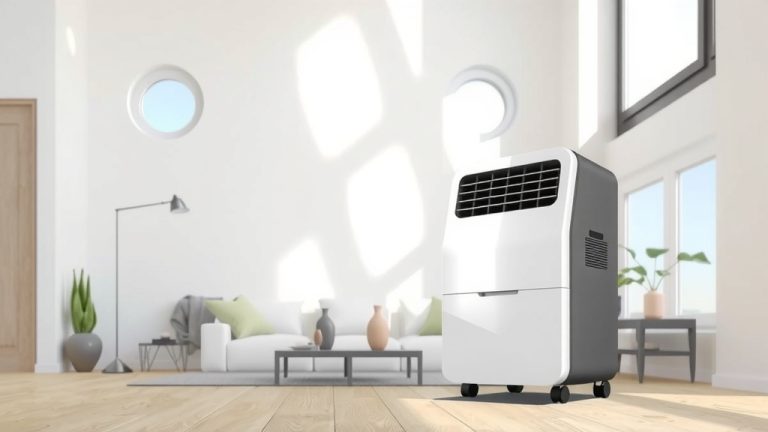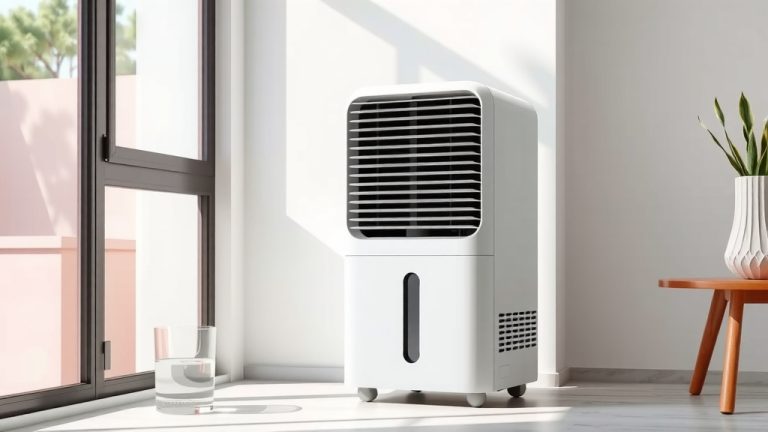
Can You Dehumidify Without a Dehumidifier?

Yes, you absolutely can dehumidify without a dehumidifier, but the effectiveness will vary depending on your home’s unique situation and the level of humidity you’re facing.
While a dedicated dehumidifier offers the most powerful solution, many simple household methods can help reduce excess moisture and create a drier, more comfortable living space.
- You can reduce indoor humidity without a machine using everyday household items and practices.
- Simple steps like improving ventilation, using absorbent materials, and even changing how you cook can make a difference.
- These methods are generally less powerful than an appliance, but they are great for minor dampness or as a preventative measure.
- Consider these solutions first if you’re looking for a low-cost or natural approach to managing humidity.
Can You Dehumidify Without a Dehumidifier?
Absolutely, you can manage indoor humidity without buying a specific dehumidifier. While these machines are excellent tools, your home offers many ways to tackle excess moisture naturally.
Why Bother with Humidity Anyway?
Ever feel that muggy stickiness indoors? That’s high humidity at work. It makes your home feel warmer, encourages mold growth, and can even damage your belongings (CDC).
Too much moisture in the air also creates a perfect breeding ground for dust mites. These tiny creatures thrive in damp environments, potentially triggering allergies and asthma for many people.
The Simple Science of Humidity
Humidity is just water vapor in the air. Warm air holds more moisture than cold air. When that warm, moist air touches a cooler surface, it condenses back into liquid water, like beads on a cold drink.
Our goal in dehumidifying is to either remove that moisture from the air or prevent its accumulation. Understanding this basic principle helps you choose the best strategies for your home.
Signs Your Home Needs Less Humidity
How do you know if you have too much moisture? You might see condensation on windows, feel a clammy coolness on walls, or even smell a musty odor (Mayo Clinic).
Peeling wallpaper, warped wooden floors, or even persistent allergies can also be subtle clues. Paying attention to these signs helps you catch problems early and maintain a healthier home environment.
Passive Methods You Can Use
Some of the easiest ways to dehumidify involve simple actions that don’t cost a thing. Think about how air moves and where moisture is created. Small changes can bring big results over time.
Opening Windows and Doors
One of the simplest ways is to open windows and doors, especially when the air outside is drier than inside. This creates a cross-breeze, letting stale, humid air out and drier air in.
We found that even just 15-20 minutes a day can significantly improve air quality and reduce stuffiness. It’s like giving your house a breath of fresh air.
Using Exhaust Fans Effectively
When you shower or cook, those activities pump a lot of moisture into the air. Always use your bathroom and kitchen exhaust fans during and immediately after these tasks.
Many experts say to let bathroom fans run for at least 20 minutes after a shower. This pulls humid air outside before it can spread throughout your home and cause issues.
DIY Humidity Fighters
For more targeted moisture control, you can use common household items. These methods often work best in smaller, contained areas, like closets or bathrooms.
Natural Absorption Agents
Salt, baking soda, and even cat litter can act as natural desiccants. Placing bowls of these materials in damp areas can slowly absorb moisture from the air.
You won’t get dramatic results, but for a small cupboard or a minor damp spot, they can offer a noticeable improvement. Remember to replace them when they get saturated.
- Fill an open bowl with rock salt.
- Place several bowls of baking soda around the room.
- Use silica gel packets in small spaces like drawers.
- Hang charcoal bags in closets.
- Ensure adequate air circulation around these materials.
Making Your Own Moisture Traps
You can create a simple moisture trap using a plastic bottle. Cut the top off, invert it into the bottom section, and add a desiccant like calcium chloride flakes (found at hardware stores).
The flakes absorb moisture, turning it into a brine that collects in the bottom. This is a very inexpensive and effective DIY way to reduce local humidity.
Ventilation: Your Home’s Breathing Room
Good airflow is key to preventing moisture buildup. Think of your home as needing to breathe properly. Blocked vents or stuffy rooms will always trap humid air.
Circulating Air with Fans
Even if you’re not opening windows, circulating air with ceiling fans or portable fans helps. It moves stagnant, humid air, allowing it to dry out more easily.
This doesn’t remove moisture, but it stops it from settling and condensing. It makes the air feel cooler and less oppressive, improving overall comfort significantly.
Heating and Cooling Strategies
Your HVAC system plays a subtle role in humidity control. Using it strategically can help you maintain a drier indoor environment without dedicated dehumidification.
Using Your Air Conditioner
Your air conditioner not only cools the air but also removes moisture as a byproduct of its operation. When the AC runs, it naturally pulls humidity out of your home.
So, running your AC on a hotter day might be more about dehumidifying than cooling. It’s a two-for-one benefit for a humid climate (NIH).
Strategic Heating in Colder Climates
In colder months, heating your home can also reduce relative humidity. Warmer air holds more moisture, so raising the temperature slightly can make the air feel less damp, even if the absolute moisture content stays the same.
This can be particularly useful in basements or other areas that tend to feel perpetually chilly and damp. It helps to simply “dry out” the perception of the air.
The Power of House Plants (Some Help!)
While some plants release moisture, others are known to absorb it. Research suggests that certain plants can help regulate indoor air quality, including humidity levels.
Moisture-Absorbing Plants
Plants like the Peace Lily, Boston Fern, and English Ivy are often cited for their ability to absorb moisture from the air through their leaves. They are not powerful dehumidifiers, but every little bit helps.
They also purify the air, adding another layer of benefit to your indoor environment. It’s a natural, beautiful way to contribute to drier air.
Cooking and Showering Habits
Our daily routines are big contributors to indoor humidity. Adjusting how you cook and shower can significantly cut down on the moisture released into your home.
Covering Pots When Cooking
Steaming food releases a lot of water vapor. Covering your pots and pans when cooking helps contain this steam, sending less moisture into your kitchen air.
Also, boil water in smaller amounts and try to cook with less liquid. It’s a small habit change that can make a noticeable difference.
Shorter, Cooler Showers
Hot, steamy showers are glorious, but they create a humid cloud. Taking shorter, slightly cooler showers reduces the amount of steam released into your bathroom.
Remember to always use your exhaust fan and keep the bathroom door closed during your shower. This traps the moisture, allowing the fan to do its job effectively.
When is a Dehumidifier Truly Needed?
While DIY methods are great, sometimes you need more power. If you have persistent mold, chronic dampness, or live in a very humid climate, a dedicated unit might be necessary.
We found that for areas over 500 square feet with humidity consistently above 60%, a dehumidifier offers the most reliable and efficient solution. Don’t hesitate if the problem persists.
| Method | Effectiveness | Best Use Case | Cost |
|---|---|---|---|
| Opening Windows | Low to Moderate | Minor dampness, quick air exchange | Free |
| Exhaust Fans | Moderate | Kitchens, bathrooms during use | Low (electricity) |
| Desiccants (Salt/Baking Soda) | Low | Small, enclosed spaces (closets) | Very Low |
| Air Conditioner | Moderate to High | Whole-home cooling & dehumidifying | Moderate (electricity) |
| Moisture-Absorbing Plants | Very Low | Ambient moisture, air purification | Low |
| Dedicated Dehumidifier | High | Persistent dampness, large areas | High (unit + electricity) |
Making Smart Choices for Your Home
Your ideal approach depends on your specific humidity challenges. Start with the easiest, most affordable methods, then observe the results. You might be surprised by how much you can achieve.
Think about where the humidity is coming from and target that source. Is it your basement? Your bathroom? Understanding the source helps you apply the right solution.
Quick Checklist for a Drier Home
- Ventilate regularly by opening windows or using fans.
- Run exhaust fans during and after showers and cooking.
- Use natural absorbents like salt or silica gel in small, damp areas.
- Ensure your gutters are clear and downspouts direct water away from your foundation.
- Fix any leaky pipes or dripping faucets immediately.
- Consider moisture-absorbing plants for a subtle, natural boost.
Conclusion
You definitely don’t always need a fancy gadget to tackle excess humidity in your home. By being mindful of your daily habits and utilizing simple, natural methods, you can create a much drier and more comfortable living space.
From improving ventilation to leveraging your AC, many effective strategies are at your fingertips. Experiment with these tips to find what works best for your home, and enjoy the benefits of a fresher, healthier environment.
Can I use rice to dehumidify a room?
While rice can absorb some moisture, it’s not very effective for dehumidifying an entire room. It works best in very small, contained spaces like a salt shaker or a small container with electronics. For larger areas, you’ll need more powerful absorbents or methods.
How do I naturally lower humidity in a basement?
Naturally lowering basement humidity involves several steps: ensure good drainage outside your home, seal any cracks in the foundation, run a fan for air circulation, and use moisture-absorbing materials like calcium chloride in open buckets. Heating the basement slightly can also help.
Will opening a window increase or decrease humidity?
Opening a window will decrease humidity if the air outside is drier than the air inside your home. If it’s humid outside, opening windows will unfortunately increase your indoor humidity. Always check the outdoor humidity levels before ventilating this way.
Are homemade dehumidifiers effective for severe dampness?
Homemade dehumidifiers, using materials like salt or calcium chloride, are generally not effective for severe dampness. They are best suited for small areas with minor moisture issues or for maintaining existing low humidity. For severe problems, a dedicated dehumidifier is usually necessary.
Does turning on the AC dehumidify the air?
Yes, running your air conditioner does dehumidify the air as a natural part of its cooling process. As it cools, it removes moisture, which then drains away. This makes your home feel cooler and less sticky, even without a separate dehumidifier running.