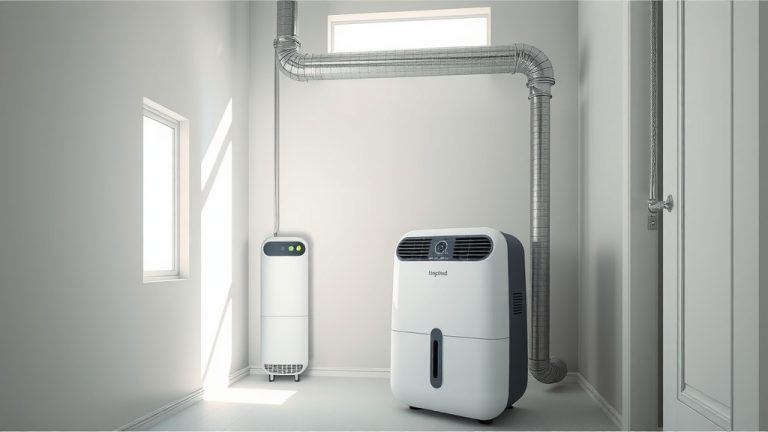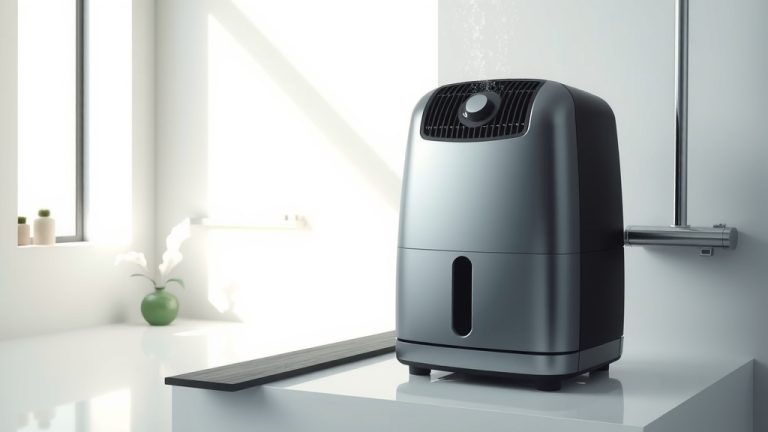
Can You Drain Dehumidifier into Sink?
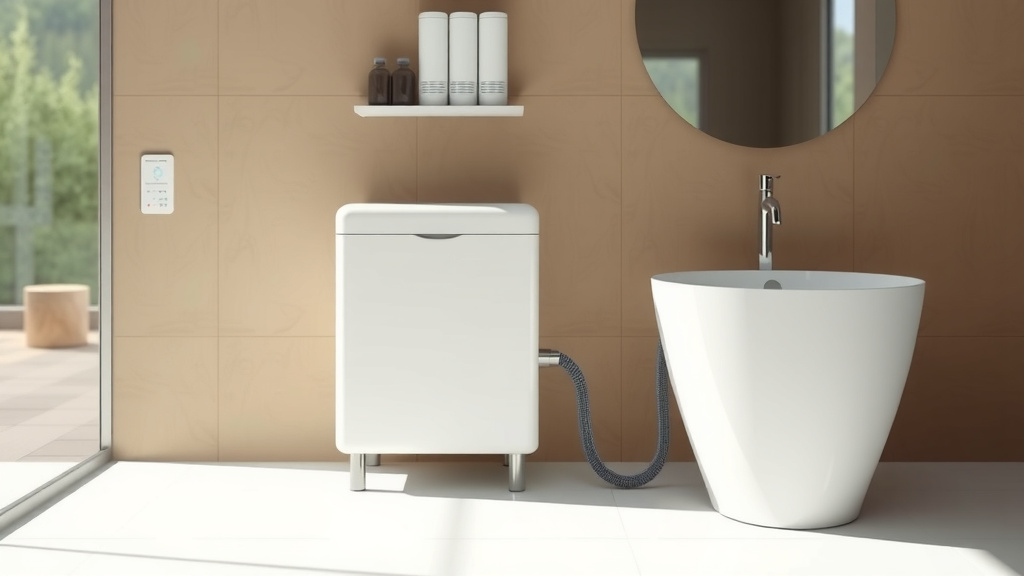
Yes, you can often drain a dehumidifier into a sink, but it requires careful setup and the right equipment.
Properly connecting your dehumidifier to a sink ensures continuous drainage, preventing water spills and freeing you from constantly emptying the bucket.
- You can connect many dehumidifiers to a sink for ongoing drainage.
- This setup saves you time and effort by eliminating manual bucket emptying.
- However, ensure your dehumidifier has a continuous drainage port and a compatible hose.
- Proper hose length, secure connections, and gravity are all essential for success.
- Always check for leaks and proper water flow after setting up your drainage system.
Can You Drain Dehumidifier into Sink?
Yes, absolutely. You can connect many dehumidifier models directly to a sink for continuous drainage, freeing you from the chore of emptying the water bucket.
This method offers significant convenience, especially in damp basements or areas with high humidity. It keeps your space dry without constant monitoring.
Why Choose Continuous Drainage?
Imagine never having to lug a heavy bucket of water again. That’s the main draw of continuous drainage. It’s about set-it-and-forget-it convenience.
For areas like basements or crawl spaces, where humidity can quickly build up, this feature is truly a game-changer. It helps prevent mold and mildew growth effortlessly.
Manual vs. Continuous: A Quick Look
Let’s compare the two main ways to handle your dehumidifier’s water. Both have their pros and cons, depending on your needs.
| Method | Pros | Cons |
|---|---|---|
| Manual Emptying | No setup needed; portable. | Requires frequent emptying; risk of overflow. |
| Continuous Drainage | Hands-free operation; constant humidity control. | Needs setup; requires a nearby drain. |
What You’ll Need for Sink Drainage
To successfully drain your dehumidifier into a sink, you’ll need a few key items. Think of it like a simple plumbing project that anyone can tackle.
- A dehumidifier with a continuous drainage port (most modern ones have this).
- A standard garden hose or a specialized dehumidifier drain hose.
- Hose clamps or zip ties for securing the connection.
- A sink or floor drain that is lower than the dehumidifier’s drainage port.
Checking Your Dehumidifier’s Capabilities
Before you start, take a peek at your dehumidifier’s manual. It will confirm if your model supports continuous drainage. We found that most new models offer this feature.
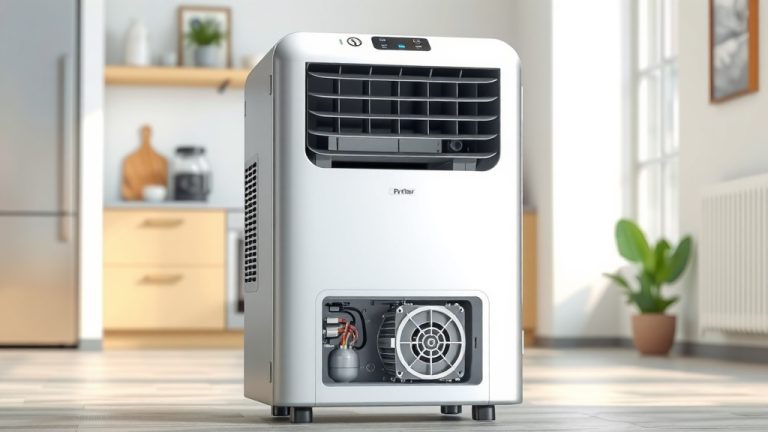
Look for a small port, usually near the bottom or back, marked “Drain” or “Continuous Drain.” This is where the hose will connect.
Step-by-Step: Connecting to Your Sink
Setting up your dehumidifier for continuous sink drainage is straightforward. You just need to follow a few simple steps for a secure, leak-free connection.
First, place your dehumidifier in its desired location, making sure it’s near the sink. Remember, gravity is your friend here.
Here’s a quick checklist to guide you:
- Power off and unplug your dehumidifier.
- Locate the continuous drain port on your unit.
- Attach one end of the garden hose firmly to this port.
- Use a hose clamp or zip tie to secure the connection.
- Run the other end of the hose into your sink, ensuring it stays put.
- Make sure the hose has a consistent downward slope to the drain.
- Plug in and turn on your dehumidifier, then monitor for leaks.
Ensuring Proper Hose Placement
The trickiest part is often ensuring the hose has a downward slope. If the hose sags or goes uphill at any point, water will pool and won’t drain correctly.
You want a smooth, unobstructed path for the water to flow from the dehumidifier to the sink. Think of it like a waterslide for water droplets.
Troubleshooting Common Drainage Issues
Even with the best intentions, things can sometimes go wrong. Don’t worry, many common drainage problems have simple solutions.
If your dehumidifier bucket is still filling up, or if you see water pooling around the unit, it’s time for a quick check. We found that most issues are connection-related.
Addressing Clogs and Kinks
Is your hose bent or pinched? A kink in the hose is a common culprit for blocked drainage. Straighten it out and ensure water can flow freely.
Sometimes, mineral deposits can build up inside the hose over time. If you suspect a clog, disconnect the hose and flush it with water. You might be surprised what comes out!
Checking for Air Gaps and Leaks
An insecure connection at the dehumidifier port can lead to drips. Double-check that your hose is tightly fastened with a clamp.
Similarly, ensure the hose end in the sink is secure and won’t pop out, especially when the sink is in use. Many experts suggest using a small weight or tape to hold it in place (EPA).
When Sink Drainage Isn’t the Best Option
While continuous drainage into a sink is fantastic, it’s not always the perfect fit. Sometimes, alternative solutions might work better for your specific situation.
For example, if your dehumidifier is far from any drain, or if lifting it onto a countertop is impractical, you’ll need to think differently.
Exploring Pump Dehumidifiers
If gravity isn’t on your side, consider a dehumidifier with a built-in pump. These units can force water uphill or across longer distances.
A pump dehumidifier lets you drain water into a utility sink, out a window, or even directly into a standard drain, regardless of height. They offer a lot of flexibility.
Using a Condensate Pump
Already own a dehumidifier without a pump? You can often buy a separate condensate pump. This small device connects to your dehumidifier and then pumps the water away.
It’s an additional step, but it gives your existing unit the same flexibility as a pump-equipped model. Many homeowners find this a cost-effective upgrade.
Conclusion
Draining your dehumidifier into a sink is a practical and efficient way to manage humidity. It saves you time, prevents overflows, and maintains a consistently drier environment.
With a little preparation and attention to detail, you can easily set up a continuous drainage system. Remember to secure your connections and ensure a clear, downward path for the water.
Can all dehumidifiers drain into a sink?
Not all dehumidifiers have a continuous drainage port. Most modern ones do, but it’s essential to check your specific model’s manual or look for a dedicated drain connection on the unit itself.
How do I prevent my dehumidifier hose from leaking?
To prevent leaks, ensure the hose is securely attached to the dehumidifier’s drain port, ideally with a hose clamp. Make sure the hose itself isn’t damaged or cracked, and maintain a constant downward slope to avoid water pooling.
Can I use a regular garden hose for dehumidifier drainage?
Yes, a standard garden hose often works perfectly for dehumidifier drainage. Just make sure it fits snugly onto the drain port and is long enough to reach your sink without kinks.
What if my dehumidifier is not near a sink?
If a sink isn’t nearby, consider a dehumidifier with a built-in pump or purchase a separate condensate pump. These pumps can push water uphill or across longer distances to a suitable drain, like a laundry tub or even outside.
How often should I check my continuous drainage setup?
It’s a good practice to check your continuous drainage setup periodically, especially when you first install it. Look for kinks in the hose, secure connections, and confirm that water is consistently flowing into the drain. A quick visual check every few weeks should be enough once you confirm it works.