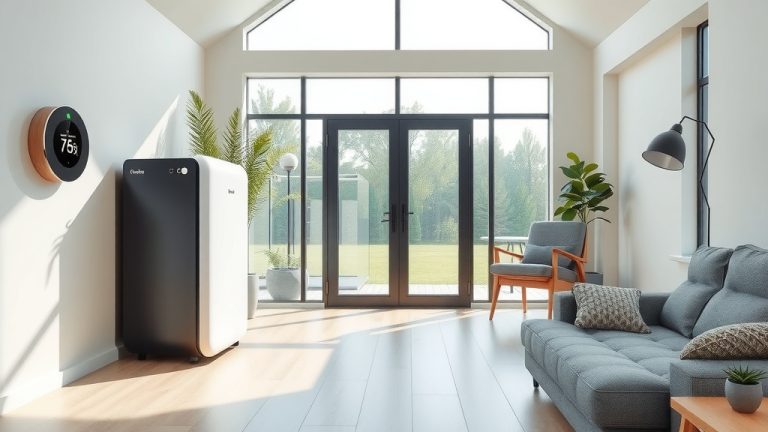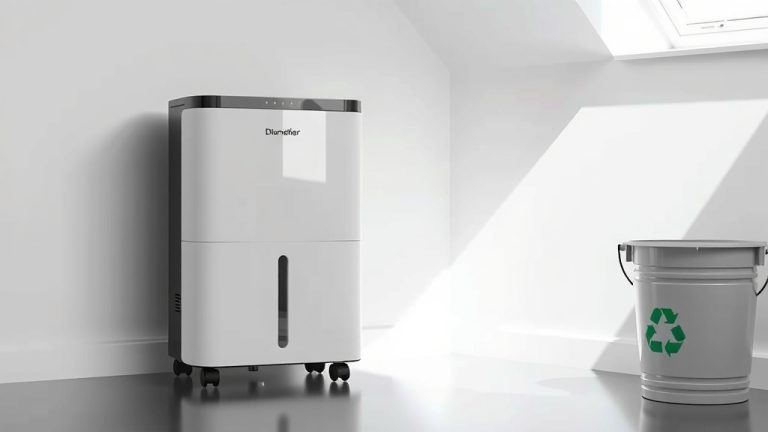
Can You Elevate a Dehumidifier?
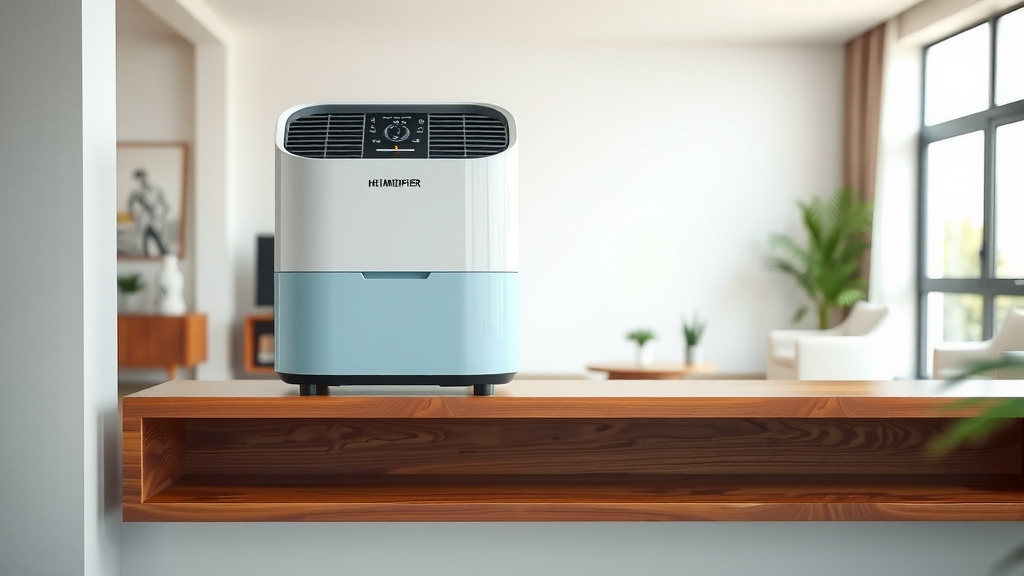
Yes, you can absolutely elevate a dehumidifier for better performance and efficiency.
Raising your dehumidifier helps it capture warmer, moist air that naturally rises, making it work smarter, not harder.
- Elevating a dehumidifier often leads to improved moisture removal.
- It helps the unit access warmer, more humid air for greater efficiency.
- Proper elevation requires careful thought about stability and drainage.
- This simple placement change can significantly impact your indoor air quality.
- Always prioritize safety and follow the manufacturer’s guidelines.
Can You Elevate a Dehumidifier?
You might be wondering, “Can I really elevate my dehumidifier?” The short answer is a resounding yes! Research and experience show that raising your dehumidifier off the floor can often make it work much more effectively.
It’s not just a myth; there’s a good reason behind it. Think of it as giving your dehumidifier a strategic advantage in its fight against humidity. We found that this simple adjustment helps your unit do its job better.
Why Bother Raising Your Dehumidifier?
Imagine warm, moist air as a hot air balloon. It naturally wants to rise! When your dehumidifier sits directly on the floor, it has to work harder to pull in that rising humid air. Elevating it puts the unit right in the path of the air it needs to process most.
This placement can lead to faster and more efficient moisture removal. It means your space gets drier quicker, and your energy bills might even see a small benefit. Many experts say that better airflow equals better performance (EPA guidelines often mention this for air quality).
The Science Behind Better Airflow
Air circulation is key for any air treatment device. When your dehumidifier is on the floor, it’s mainly processing the air closest to it, which is often cooler and less humid. By lifting it, you allow it to draw in the warm, moisture-laden air that gathers higher up.
This natural phenomenon, called convection, means humid air drifts upwards. Placing your unit a foot or two off the ground allows it to intercept this air stream with less effort. It truly helps optimize its operation.
How High Should You Elevate It?
So, you’re convinced that elevating your unit is a good idea. But how high is too high? Generally, a height of 6 to 18 inches off the floor is considered ideal. This range balances optimal airflow with stability.
You don’t need to put it on a skyscraper. Just a little lift can make a world of difference. Think of it as giving your dehumidifier a better vantage point for its task.
Finding the Sweet Spot
The “sweet spot” will depend a bit on your room and the unit’s design. If you have very tall ceilings, a bit higher might be fine. For standard rooms, a foot off the ground is a common and effective starting point.
The goal is to get it into that layer of air that’s most humid. We found that even a slight elevation can significantly boost its performance. It’s about working with nature, not against it.
What Can You Use for Elevation?
Now for the practical side: what can you actually use to raise your dehumidifier? You’ve got several options, but stability is paramount. You want something sturdy that won’t wobble or collapse.
A good option is a sturdy stand or a small, robust table. Some people use concrete pavers or even strong wooden blocks. Just make sure whatever you choose can handle the weight of the unit, especially when its water bucket is full.
- Dedicated Dehumidifier Stands: These are designed for the job, often with wheels for easy movement.
- Sturdy Wooden Crates or Blocks: Ensure they are level and solid.
- Concrete Pavers: Provide a very stable, low-cost option for a few inches of lift.
- Heavy-Duty Shelving Units: If you have one that’s open and strong enough.
- Small, Robust Tables: Make sure it’s not flimsy and has a flat surface.
Addressing Drainage Concerns
Here’s where elevation gets a bit trickier, but still manageable. If your dehumidifier uses a continuous drainage hose, raising it allows for better gravity-fed drainage. The water will flow out easily, preventing overflows.
However, if you rely on the internal collection bucket, remember you’ll be lifting a full, heavy bucket to empty it. Consider the height and your ability to safely empty it before you commit to a spot.
Continuous Drainage is Your Friend
Many people find that connecting a hose for continuous drainage is the best way to go with an elevated unit. It means you can set it and forget it, with water flowing directly into a sink or drain. This removes the need for frequent bucket emptying.
If you choose continuous drainage, make sure the hose has a consistent downward slope. Any kinks or upward loops will cause water to back up, defeating the purpose. A simple, straight shot downwards is always best.
Key Considerations for Safe Elevation
Safety first, always! While elevating a dehumidifier is generally beneficial, it needs to be done carefully. You don’t want a heavy, vibrating appliance to become a hazard. Stability is non-negotiable.
Think about the surface it’s on. Is it level? Is it strong enough? Does it wobble when you gently push the dehumidifier? These are important questions to ask yourself before leaving it unattended. We found that a flat, solid base is essential.
| Aspect | Benefit of Elevation | Potential Drawback |
|---|---|---|
| Efficiency | Pulls warmer, humid air better. | None if done right. |
| Drainage | Improved gravity-fed flow. | Heavy bucket lifting (if no hose). |
| Air Circulation | Optimizes intake of moist air. | Risk of tipping if unstable. |
| Noise Level | Can sometimes reduce direct floor vibration noise. | None. |
Checklist for Safe Placement
Before you power on your newly elevated dehumidifier, run through this quick checklist:
- Stable Surface: Is the platform rock-solid and level?
- Weight Capacity: Can the stand handle the unit’s weight, plus a full water tank?
- Clear Airflow: Are vents unobstructed on all sides?
- No Overhanging Edges: Is the dehumidifier fully supported on the platform?
- Power Cord Safety: Is the cord safely routed, not stretched or pinched?
- Drainage Path: If using a hose, is it properly angled for continuous flow?
Where to Place Your Elevated Dehumidifier
Even elevated, placement within the room still matters. You want it in a central location, away from walls if possible, to allow for the best air circulation. Avoid placing it directly next to an open window or a heating/cooling vent.
Many experts suggest placing it in the most humid part of the room. This could be near a shower, a laundry area, or a damp basement corner. Remember, an elevated unit still needs room to breathe and circulate air freely.
Basements and Crawl Spaces
Basements are often prime candidates for elevated dehumidifiers. The air there tends to be cooler and heavier, with moisture lingering low. Raising the unit helps it reach that rising, slightly warmer, more humid air effectively.
In crawl spaces, if you can access them safely, elevation helps prevent the unit from drawing in dust and debris from the ground. This keeps filters cleaner longer and improves overall efficiency. Always ensure proper clearances.
Consider Your Climate
In very humid climates, an elevated dehumidifier becomes even more useful. It helps combat the constant battle against moisture more efficiently. Think of it as a small optimization that yields big results over time.
During peak humidity seasons, you might notice a more significant difference in how quickly your space dries out. It’s a smart strategy for anyone living in an area with persistent high humidity.
Common Mistakes to Avoid
While the benefits are clear, a few mistakes can undermine your efforts. Don’t place your dehumidifier in a cramped space, even if elevated. It still needs room around it for proper air intake and exhaust.
Avoid placing it on unstable surfaces like stacks of books or flimsy furniture. A falling dehumidifier can be dangerous and costly to replace. Also, don’t block the air vents; this restricts airflow and reduces efficiency.
Overfilling the Bucket on an Elevated Unit
If you’re not using continuous drainage, keep an eye on the water bucket. Emptying a heavy, full bucket from an elevated position can be awkward and messy. It’s better to empty it more frequently to avoid any spills or strains. Safety first when handling heavy water buckets.
Conclusion
Elevating your dehumidifier is a simple yet impactful strategy to boost its performance and efficiency. By lifting it off the floor, you help it access the warmer, more humid air that naturally rises, allowing it to work smarter, not harder. Just remember to prioritize stability, consider your drainage options, and ensure adequate airflow around the unit. A little elevation goes a long way in your fight against unwanted indoor moisture.
FAQ: How does elevating a dehumidifier improve air quality?
When you elevate a dehumidifier, it more effectively pulls in the humid air that rises in a room. By removing this excess moisture more efficiently, it helps prevent the growth of mold and mildew, which are common allergens and irritants. This directly leads to a fresher, healthier indoor environment and better air quality.
FAQ: Will elevating my dehumidifier make it louder?
Generally, no. Elevating a dehumidifier typically doesn’t make it louder. In some cases, it might even reduce noise by lessening vibrations transmitted directly to the floor. However, ensure the surface it rests on is stable and level to avoid any rattling that could increase perceived noise.
FAQ: Can I elevate a dehumidifier in any room?
Yes, you can elevate a dehumidifier in almost any room where you need moisture control. Common places include basements, laundry rooms, and living areas. The key is to choose a stable, level surface and ensure proper clearance for airflow and drainage, regardless of the room.
FAQ: Does elevation affect the dehumidifier’s lifespan?
No, elevating your dehumidifier correctly should not negatively affect its lifespan. In fact, by allowing it to operate more efficiently, it might even extend its life by reducing the strain on the compressor and other components. Ensuring good airflow and preventing it from working too hard contributes to its longevity.
FAQ: Is it safe to put a dehumidifier on carpet with a stand?
Placing an elevated dehumidifier on a stand on carpet can be safe, but you must ensure the stand is very stable and provides a level, firm base. Soft carpet might make a stand less steady. Consider placing a solid, flat board under the stand on the carpet to provide a more rigid foundation and prevent tipping.