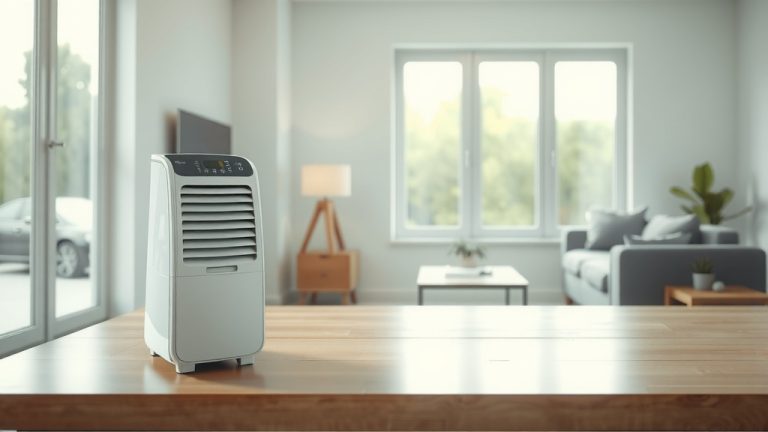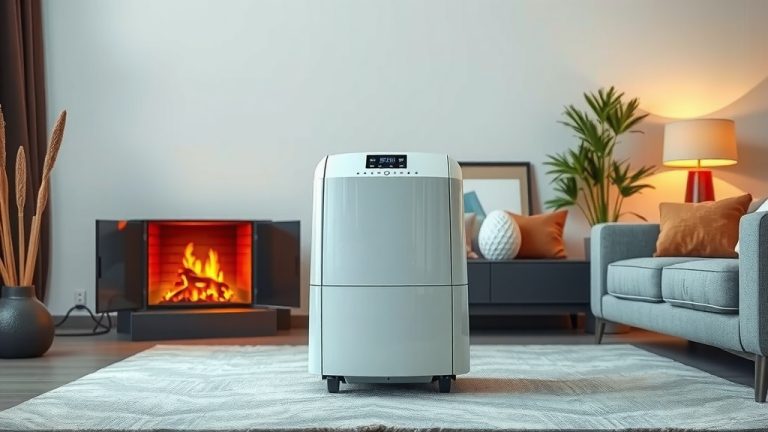
Can You Have Too Many Dehumidifiers?
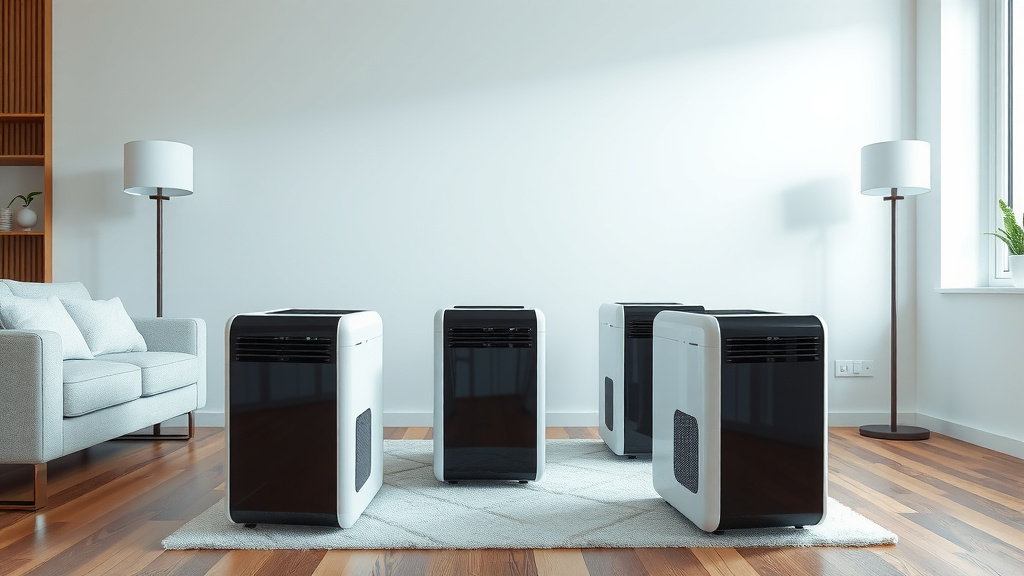
Yes, you can absolutely have too many dehumidifiers, or rather, too much dehumidification. Running too many units or oversized units can dry out your home excessively, leading to issues like dry skin, static electricity, and damage to wooden furniture.
Finding the right balance is key to maintaining a comfortable and healthy indoor environment, ensuring your dehumidifiers work efficiently without over-drying.
Here’s the straightforward truth about dehumidifiers:
- Over-dehumidifying causes problems like dry skin, cracked wood, and higher energy bills.
- Ideal indoor humidity is typically between 30% and 50% for comfort and health.
- Use a hygrometer to monitor your home’s humidity levels accurately.
- Match the dehumidifier’s capacity to your room size and specific humidity needs.
- Proper placement and strategic zoning can make one or two units highly effective.
Can You Have Too Many Dehumidifiers?
The short answer is yes, you can. While dehumidifiers are great for controlling moisture, too much of a good thing can lead to new problems.
It’s all about finding that sweet spot for your home’s humidity.
Finding Your Home’s Humidity Sweet Spot
Imagine your home breathing easily. That’s what you want with the right humidity levels.
Too much moisture creates a stuffy, uncomfortable feeling and encourages mold growth.
What is Optimal Humidity?
Many experts agree that the ideal indoor humidity level should sit between 30% and 50% (EPA).
This range helps keep your home feeling fresh and minimizes mold growth, which we all want to avoid.
Staying within this comfort zone is the goal of any smart humidity control strategy.
Telltale Signs of Over-Dehumidification
How do you know if you’ve gone too far? Your body and your home will send clear signals.
Pay attention to these signs, as they point to an environment that is too dry.
Physical Discomfort and Health
Ever walked into a room and felt that uncomfortable static cling? That’s a classic sign of dry air.
Your skin might feel itchy, and your throat or nasal passages could become dry (Mayo Clinic).
For some, this can even make seasonal allergies or respiratory issues worse.
Damage to Your Home and Valuables
Your home also suffers when the air is too dry. Wood is especially sensitive to moisture changes.
Wooden furniture, floors, and musical instruments can crack or warp when the air becomes parched.
We found that excessive dryness can damage wallpaper adhesives and cause paint to chip.
- Cracked wooden floors or furniture
- Peeling wallpaper or chipping paint
- Shrinking wood door frames
- Static electricity shocks
Understanding the Energy Drain
Running multiple dehumidifiers, or an oversized unit, uses a lot of electricity.
More power means higher energy bills, often without added benefit.
You’re essentially paying more to create an uncomfortable and potentially damaging environment.
The Indispensable Hygrometer
How do you track your home’s humidity? A hygrometer is your simple, honest messenger.
This small device tells you the exact humidity percentage in any given room.
Place one in each area you’re concerned about for a clear picture of your conditions.
Strategic Placement Makes All the Difference
Instead of many units, think smart placement. One well-placed dehumidifier can do the work of several poorly placed ones.
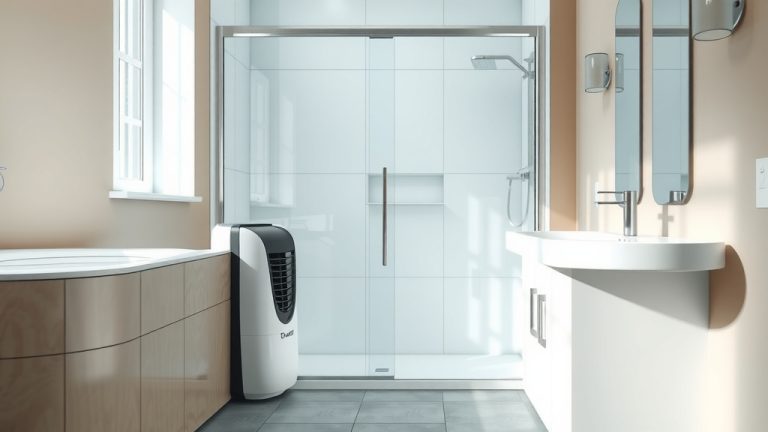
Consider the most humid spots: basements, laundry rooms, or bathrooms.
Dehumidifier Sizing: One or Several Units?
The number of dehumidifiers you need truly depends on your home’s unique layout and humidity levels.
Sometimes one powerful unit is enough for an open concept space, but other times, a few smaller units are better.
Matching Capacity to Your Space
Dehumidifier capacity is measured in pints of moisture removed per day. We found that matching capacity to room size is crucial.
An undersized unit struggles, but an oversized one can over-dry too quickly and waste energy.
Here’s a general guide for typical homes, assuming moderately damp conditions:
| Room Size (Sq. Ft.) | Dehumidifier Capacity (Pints/Day) |
|---|---|
| Up to 500 sq ft | 10-20 Pints |
| 500 – 1,000 sq ft | 20-30 Pints |
| 1,000 – 1,500 sq ft | 30-40 Pints |
| 1,500 – 2,500 sq ft | 40-50 Pints |
| Above 2,500 sq ft | 50-70 Pints |
Tips for Multi-Zone Humidity Control
For homes with distinct damp areas, using a smaller unit in each problem zone can be very effective.
This allows you to tackle humidity where it starts without over-drying other parts of your house.
Consider these points for smarter humidity management:
- Place units in areas with little airflow.
- Ensure doors and windows are closed in treated areas.
- Elevate the dehumidifier for optimal air intake.
- Regularly empty the water collection tank.
- Clean air filters monthly for peak performance.
Achieving the Perfect Balance
Your goal is comfort and health, not a bone-dry house. Listen to your home and its inhabitants.
Adjust settings, relocate units, and always keep an eye on that hygrometer.
You’ll quickly find the perfect setup that keeps your home cozy without going overboard.
Conclusion
Having too many dehumidifiers or over-dehumidifying is a real concern, leading to wasted energy, discomfort, and even damage to your home. The key is to find that optimal balance, keeping your indoor humidity between 30% and 50%.
By using a hygrometer, strategically placing your units, and matching capacity to your specific needs, you can maintain a perfectly balanced and healthy environment. Remember, when it comes to dehumidifiers, smarter is always better than simply adding more.
Frequently Asked Questions About Dehumidifiers
What is the ideal humidity level for a home?
The ideal humidity level for a home is typically between 30% and 50%. This range discourages mold and dust mites while keeping your family comfortable and healthy.
Can a dehumidifier make a room too cold?
Dehumidifiers do not actively cool a room in the way an air conditioner does. They remove moisture, which can make the air feel cooler because humid air often feels warmer. However, they don’t significantly drop the actual temperature.
Should I run my dehumidifier all the time?
No, you shouldn’t typically run a dehumidifier all the time. Most modern units have a humidistat that allows you to set a target humidity level. The unit will then cycle on and off automatically to maintain that level, saving energy and preventing over-drying.
How do I know what size dehumidifier I need?
The size you need depends on the square footage of the room and how damp it typically gets. A 20-pint unit might suit a small, slightly damp room (up to 500 sq ft), while a 50-70 pint unit is better for a large, very damp basement (over 2,500 sq ft). Check the manufacturer’s guidelines for specific recommendations.
Where is the best place to put a dehumidifier?
The best place is usually in the most humid area of your home, often a basement, crawl space, or laundry room. Place it away from walls, furniture, and curtains to allow for proper airflow. If using in a living area, consider a quiet model.