
Can You Lay Down a Dehumidifier?
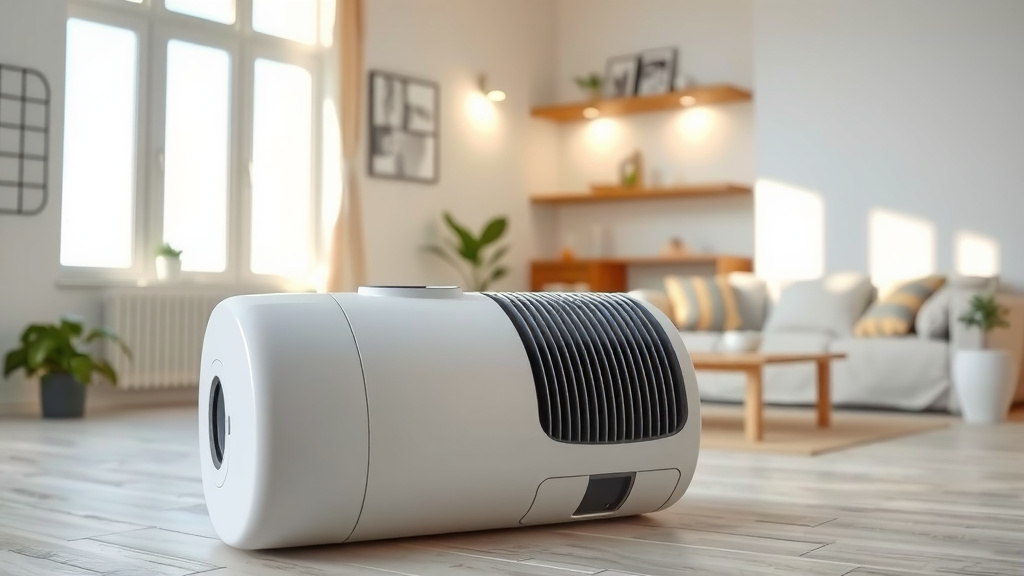
No, you should never lay down a dehumidifier, especially while it’s running or soon after use. Doing so risks serious internal damage, including refrigerant leaks and compressor failure.
Always keep your dehumidifier in an upright position to ensure its proper function and to prevent costly repairs or potential safety hazards.
Here’s the quick lowdown on keeping your dehumidifier happy and functional:
- Always keep your dehumidifier standing upright during operation and storage.
- Laying it on its side can cause the refrigerant or oil to shift, potentially damaging the compressor.
- You might end up with water leaks or a unit that just won’t work efficiently.
- If you’ve transported it horizontally, let it sit upright for a few hours before plugging it in.
- Following these simple rules helps your dehumidifier last longer and perform optimally.
Can You Lay Down a Dehumidifier?
Absolutely not, it’s a big no-no. Laying a dehumidifier on its side, even for a short time, can lead to major problems for the appliance. It’s built to operate and sit vertically for a reason.
Why Keeping It Upright Matters So Much
Think of your dehumidifier like a delicate system with many interconnected parts. When you tilt or lay it down, you disturb this balance. Many experts emphasize that an upright position is very important for safety and performance (Consumer Reports).
The Refrigerant Cycle Explained
Most dehumidifiers use a refrigeration cycle to remove moisture, much like your refrigerator. This cycle involves a special coolant, or refrigerant, that circulates through coils. If the unit is tipped, this refrigerant can flow into the wrong parts, like the compressor’s oil sump. This can damage the compressor when it tries to start.
Protecting the Compressor
The compressor is the heart of your dehumidifier. It works hard to pressurize the refrigerant. Research shows that operating a compressor that has been on its side can lead to oil migration. This means the lubricating oil leaves the compressor, causing it to run “dry” and leading to early wear and tear or even total failure.
The Water Tank Dilemma
Picture a bucket of water. Now, imagine tipping it. That’s essentially what happens with your dehumidifier’s water tank if it’s not kept upright. Even if the tank is securely latched, laying the unit down can cause water to slosh out, potentially entering electrical components and creating a hazard.
What Happens If You Tip It Over?
Accidents happen, right? If your dehumidifier takes an accidental tumble, don’t panic, but do take precautions. The immediate concerns are usually spills and potential internal damage. It’s always best to be cautious rather than sorry.
Leaks and Spills
First and foremost, you might experience water spilling from the collection bucket. This can be annoying, creating a slippery mess or even damaging your flooring. Even worse, if water gets into the electrical components, it could cause a short circuit or an electric shock, which nobody wants.
Reduced Efficiency and Lifespan
If the refrigerant or oil has shifted, your dehumidifier might not work as effectively, even if it appears to turn on. It could struggle to remove moisture, consuming more energy without delivering results. Over time, this stress leads to a shorter operational life for the appliance.
Transporting Your Dehumidifier: A Special Case
Sometimes you need to move your dehumidifier, perhaps to another room or a new home. While it’s ideal to transport it upright, sometimes space constraints make this hard. We understand that sometimes you might have to lay it down for a short journey.
The “Wait Before You Plug In” Rule
If you absolutely must transport your dehumidifier on its side, always place it upright at its destination and let it sit for a good 2-4 hours before plugging it in. This “rest period” allows the refrigerant and compressor oil to settle back into their correct places. Many manufacturers recommend this waiting time to prevent damage (GE Appliances user manuals).
Optimal Placement for Best Performance
Where you place your dehumidifier strongly impacts how well it works. Just keeping it upright isn’t enough; location matters for optimal moisture removal and efficiency. Think of it like finding the perfect spot for a houseplant.
Where to Set Up Your Dehumidifier
Place your dehumidifier in a central location within the room or area you want to dehumidify. Keep it away from walls and furniture to ensure proper airflow around the unit. Allow at least 6-12 inches of space on all sides. This helps the air circulate freely, allowing the unit to draw in humid air and expel dry air more effectively.
Quick Checklist for Dehumidifier Care
Keeping your dehumidifier in top shape isn’t hard, but it does require a little attention. Here’s a simple checklist to help you maintain your unit and prolong its life:
- Always keep the unit standing upright during use and storage.
- Clean the air filter regularly (check your manual for frequency).
- Empty the water bucket often or ensure the drain hose is clear.
- Maintain adequate clearance around the unit for good airflow.
- Store it in a dry, upright position when not in use, preferably indoors.
Understanding Different Dehumidifier Types
While the “keep it upright” rule applies to most, understanding the main types can help you care for yours better. The two most common types are compressor (refrigerant) and desiccant dehumidifiers.
| Feature | Compressor Dehumidifier | Desiccant Dehumidifier |
|---|---|---|
| How it works | Draws air over cold coils, condensing moisture. | Uses a moisture-absorbing material (desiccant rotor). |
| Upright Position | Very important due to refrigerant and compressor oil. | Still recommended to prevent component shift and spills. |
| Performance | Better in warmer, more humid conditions. | Works well in cooler, drier environments. |
Common Dehumidifier Mistakes to Avoid
Beyond laying it down, there are other pitfalls to steer clear of. A little knowledge goes a long way in keeping your unit running smoothly. For instance, many people forget to regularly clean the filter, which really affects performance.
Overlooking Filter Cleaning
Just like a vacuum cleaner, a dehumidifier’s air filter can get clogged with dust and debris. A dirty filter restricts airflow, making the unit work harder and less effectively. Always check your manual for recommended cleaning frequency, often every few weeks.
Ignoring the Drainage
Whether you’re emptying the bucket or using a continuous drain hose, make sure the water removal system is clear. A full bucket will stop the unit from working, and a blocked hose can cause backups and unexpected water damage. Double-check those connections!
When to Call the Pros (or replace)
Sometimes, despite your best efforts, a dehumidifier might just stop working correctly. If you suspect refrigerant leaks or hear unusual noises after a fall, it might be time for a professional opinion. Research often points to severe damage being costly to repair, sometimes more than a new unit (Home Depot maintenance guides).
Conclusion
The simple answer to “Can you lay down a dehumidifier?” is a firm no. Maintaining your dehumidifier in an upright position is essential for its longevity and efficient operation. By respecting its design, understanding its internal workings, and following a few basic care tips, you can ensure your unit continues to battle excess humidity effectively. Treat your dehumidifier right, and it will keep your home feeling fresh and dry for years to come. Your home and wallet will thank you!
How long should a dehumidifier sit upright after being laid down?
If your dehumidifier has been laid on its side for transport, it’s best to let it sit upright for at least 2-4 hours before plugging it in. This allows the refrigerant and compressor oil to settle back into their correct places, preventing potential damage when the unit starts.
Can a dehumidifier work if it’s placed on an uneven surface?
While it might still turn on, placing a dehumidifier on a significantly uneven surface can affect its drainage and internal balance. It could cause the water tank to not fit correctly or the unit to vibrate excessively, potentially leading to inefficient operation or spills. Always aim for a level, stable surface.
What are the signs of a damaged dehumidifier compressor?
Signs of a damaged compressor can include the unit running but not collecting water, making unusual loud noises (like grinding or clicking), or frequently tripping your circuit breaker. If you notice these issues, especially after the unit has been mishandled, it’s a good idea to seek professional advice.
Is it okay to store a dehumidifier on its side during the off-season?
No, even for storage, it’s always recommended to store your dehumidifier in an upright position. This prevents any remaining internal fluids from settling incorrectly and helps protect the compressor and other delicate components from potential damage when you bring it out for next season’s use.
Why is regular cleaning important for my dehumidifier?
Regular cleaning is important because dust and debris can clog the air filter and coils, reducing the unit’s efficiency and lifespan. A clean filter ensures proper airflow, allowing the dehumidifier to remove moisture effectively without overworking its components, saving you energy and extending its life.