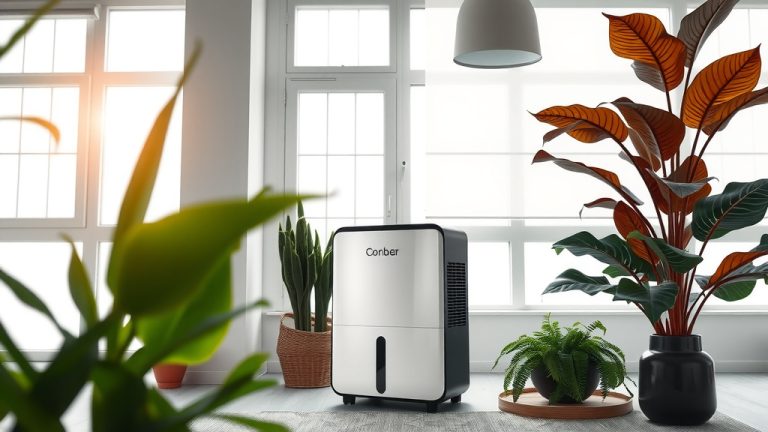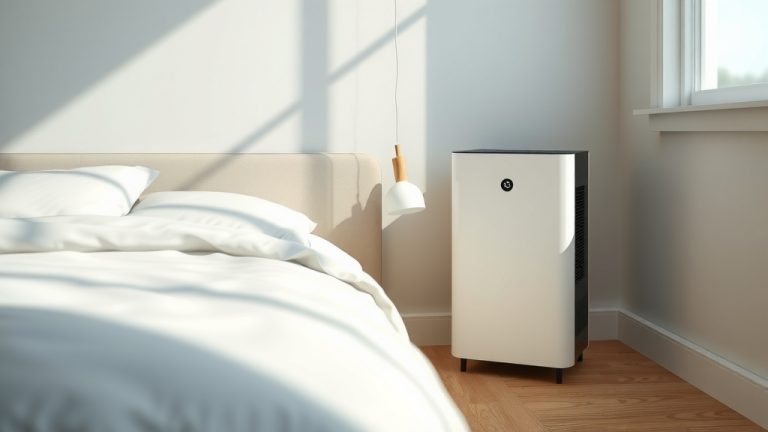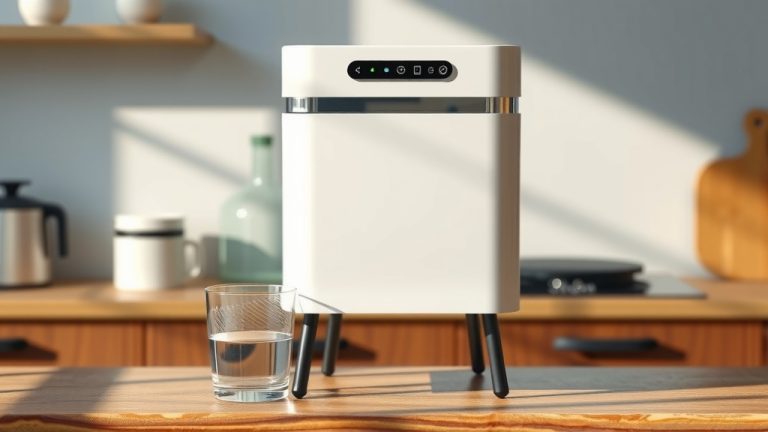
Can You Leave Dehumidifier on When Out?
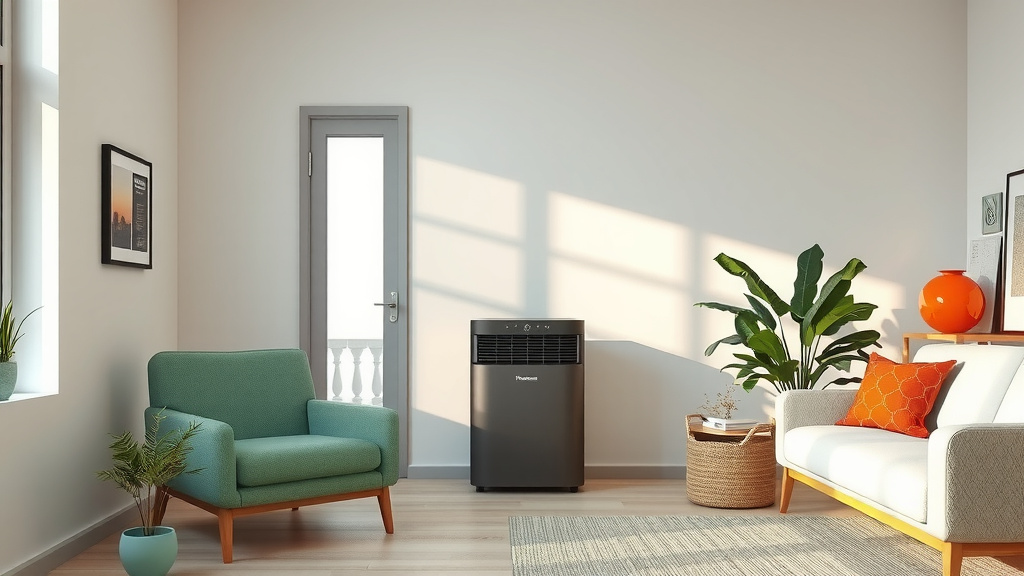
Yes, you can leave a dehumidifier on when you are out, especially models with modern safety features like automatic shut-off and humidistats.
Many experts agree that continuous operation can effectively manage indoor humidity and prevent mold, but always prioritize safety and proper maintenance.
- The TL;DR on leaving your dehumidifier on when you’re out:
- You generally can leave a modern dehumidifier running, thanks to built-in safety features like auto shut-off.
- Continuous operation is often best for maintaining stable humidity and preventing mold growth.
- Always empty the water reservoir and clean the filter before leaving it unattended.
- Newer models with humidistats or smart connectivity offer greater peace of mind and energy savings.
- Prioritize safety by checking for proper function and avoiding overloaded electrical outlets.
Can You Leave Dehumidifier on When Out?
Yes, you can certainly leave your dehumidifier running when you step out. In fact, for many homes, keeping it running consistently provides the best results for humidity control. Think of it like a silent guardian for your home’s air quality.
Why Bother Running It While You’re Away?
You might wonder why you’d want to keep it on. The main goal is to maintain a consistent humidity level. This prevents spikes in moisture that can lead to problems. Mold and mildew don’t wait for you to come home to start growing.
We found that a stable humidity environment, typically between 30% and 50%, is ideal (Mayo Clinic). Keeping your dehumidifier on helps achieve this balance.
Understanding the Risks: Are There Any Downsides?
While generally safe, there are some things to consider. Older models, or units with electrical issues, could pose a fire hazard. Overloaded outlets are also a concern, as with any appliance. It’s smart to be aware of these possibilities.
We also found that neglected maintenance can affect performance. A full water tank might stop the unit, or a dirty filter could reduce efficiency.
Electrical Safety and Your Dehumidifier
Your dehumidifier draws power. Make sure it’s plugged into a dedicated outlet, if possible. Avoid extension cords, especially thin ones, which can overheat. Research often connects overloaded circuits with increased fire risk (NFPA).
Modern Dehumidifier Features Offer Peace of Mind
Today’s dehumidifiers come with some fantastic safety features. These make leaving them on far less worrisome. You’ll find these additions very helpful.
- Automatic Shut-Off: This feature turns the unit off when the water bucket is full. No more overflowing messes!
- Built-in Humidistat: This acts like a thermostat for humidity. It monitors the air and only runs when needed. This saves energy and prevents over-drying your home.
- Defrost Mode: For cooler environments, this prevents ice buildup on coils. It keeps the unit running efficiently and safely.
- Smart Connectivity: Some advanced models allow you to control them remotely. You can check settings and turn them on or off from your phone.
When is it Safe to Leave It Running?
It’s generally safe if your dehumidifier is in good condition. Make sure it’s a newer model with those automatic features. Your home should also have proper electrical wiring.
Many experts say regular cleaning and maintenance are key. Think of it as preparing your car for a long trip.
Setting the Right Humidity Level
Aim for that 30-50% range. If you set it too low, your unit will run constantly, wasting energy. Too high, and you won’t see the benefits. A good starting point is around 45%.
When Should You Definitely Turn It Off?
There are a few scenarios where turning it off is the smarter choice. If you’re going on an extended vacation, for example, it might be best to unplug it completely. Also, if you notice any unusual noises or smells, power it down.
If your unit is old and doesn’t have safety features, consider turning it off. Sometimes, a little caution makes a big difference.
Practical Tips for Safe Dehumidifier Operation
Want to be extra safe? Here’s a quick checklist to follow before you head out:
- Always empty the water bucket. No one wants to come home to an “off” unit because the tank filled up.
- Make sure the air filter is clean. A dirty filter can cause the unit to work harder and potentially overheat.
- Check the power cord for any fraying or damage. Replace it if needed.
- Ensure the unit is on a flat, stable surface. Tipping can cause water spills or damage.
- Clear any obstructions around the air intake and exhaust vents. Give it room to breathe.
- If you use a drain hose, confirm it’s securely attached and draining properly.
Keeping Your Dehumidifier Healthy
Like any appliance, dehumidifiers need some TLC. We found that routine cleaning extends the life of your unit. A clean unit also runs more efficiently and safely.
Clean the air filter at least once a month. Wipe down the exterior. These small steps make a big difference for long-term use.
Water Bucket Wisdom
The water bucket is where all that moisture collects. Empty it regularly. If you have a continuous drain option, use it. This way, you avoid the bucket ever getting full.
Energy Consumption: Is It Expensive to Run All Day?
Running a dehumidifier continuously can add to your electricity bill. However, newer models are much more energy-efficient. Using the humidistat setting also helps conserve energy by only activating when necessary.
Consider the cost of not running it: potential mold remediation can be far more expensive. It’s often a worthwhile investment.
| Setting | Energy Usage | Benefit |
|---|---|---|
| Continuous Run | Higher | Fastest moisture removal, consistent drying |
| Humidistat Mode | Lower (intermittent) | Maintains target humidity, energy efficient |
| Fan Only | Lowest | Circulates air, no dehumidification |
Choosing the Right Dehumidifier for Your Needs
If you’re buying a new one, look for ENERGY STAR certified models. These are designed to be more efficient. Also, match the unit’s capacity to the size of your room or basement. An undersized unit won’t keep up.
Consider features like a built-in pump if you need to drain water upwards or into a sink. This makes continuous drainage even easier.
Monitoring Your Home’s Humidity
An inexpensive hygrometer can give you peace of mind. Place it in the room where your dehumidifier operates. This tool shows you the current humidity level, confirming your unit is doing its job.
Many experts suggest having one, especially if you live in a humid climate. It’s like having a dashboard for your home’s air quality.
Conclusion
Leaving your dehumidifier on when you are out is generally a safe and effective strategy for managing your home’s humidity. Modern units, with their smart features like automatic shut-off and humidistats, make this practice worry-free. Prioritize safety by ensuring your unit is well-maintained, plugged into a suitable outlet, and operating without issues. By taking these simple precautions, you can enjoy a healthier, drier home environment, even when you’re not there.
Can a dehumidifier cause a fire?
While rare, an older or faulty dehumidifier can pose a fire risk, especially if electrical components malfunction or the unit overheats. Always ensure your dehumidifier is in good working order, regularly cleaned, and not plugged into an overloaded circuit or a damaged extension cord to mitigate this risk.
How long can a dehumidifier run continuously?
A modern dehumidifier with safety features like an automatic humidistat or continuous drain can run for days or even weeks without intervention. If it has a bucket, it will run until the bucket is full and then shut off, typically lasting 8-12 hours depending on humidity and bucket size.
Does leaving a dehumidifier on use a lot of electricity?
Running a dehumidifier can increase your electricity bill, but the actual cost varies greatly based on the unit’s wattage, its efficiency (look for ENERGY STAR), and how humid your environment is. Using the humidistat setting helps conserve energy by only operating when needed, preventing constant running.
Is it OK to use an extension cord with a dehumidifier?
It’s generally not recommended to use an extension cord with a dehumidifier. If you must, use a heavy-duty outdoor-rated extension cord (12-gauge or lower) that is as short as possible. Never use thin indoor extension cords, as they can overheat and create a fire hazard due to the high power draw of a dehumidifier.
How often should I clean my dehumidifier filter?
You should clean your dehumidifier’s air filter at least once a month, or more frequently if you live in a dusty environment or have pets. A clean filter ensures optimal performance, energy efficiency, and helps prevent the unit from overworking or freezing up.