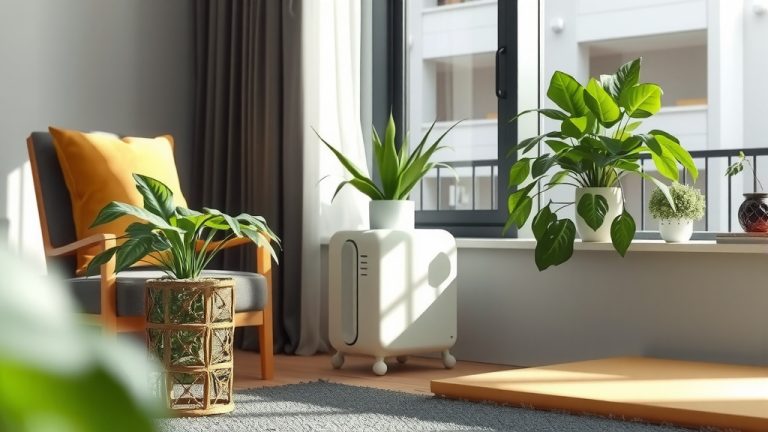
Can You Make a Dehumidifier?

You can indeed make a dehumidifier at home, but its effectiveness will be significantly limited compared to a purpose-built commercial unit. Homemade options typically offer a temporary, small-scale solution for mild humidity issues.
A DIY dehumidifier often involves simple materials like buckets and absorbent substances, primarily relying on passive moisture absorption rather than active air circulation and condensation technology. This means it can only handle a fraction of the moisture a standard unit would.
- Making a dehumidifier at home is possible using basic materials like rock salt or charcoal, but don’t expect it to perform like a store-bought model.
- These DIY methods are best suited for very small spaces, like closets or cars, where humidity is a minor concern.
- Commercial dehumidifiers use advanced refrigeration or desiccant technology to remove much more moisture efficiently and consistently.
- Always prioritize safety when attempting any DIY project, especially if it involves electricity or heating elements.
- For serious humidity problems, investing in a proper dehumidifier is the most effective and reliable solution for your home’s air quality.
Can You Make a Dehumidifier?
Yes, you can certainly try to make a dehumidifier. However, it is important to manage your expectations regarding its performance. A homemade solution generally provides a very basic level of moisture reduction, useful for tiny areas.
Why Consider Making Your Own?
Perhaps you’re facing a sudden damp spot, or maybe you just want to experiment. Sometimes, a quick, budget-friendly fix is appealing. We understand the desire to tackle problems yourself and save some money.
Many people explore DIY options for small, contained spaces or as a temporary measure. It’s a natural inclination to find simple solutions with materials you already have around the house.
Understanding How Commercial Dehumidifiers Work
Before diving into DIY, let’s quickly look at commercial units. They typically pull in moist air over cold coils, condensing the water into a tray. This process actively removes a lot of moisture, making your space much more comfortable (EPA).
Other types use desiccant materials that absorb moisture directly from the air. These powerful machines circulate air, ensuring continuous humidity control throughout a room or even an entire home.
Simple DIY Dehumidifier Methods
So, what can you actually build? The most common homemade dehumidifiers rely on absorption. They don’t use electricity or fancy parts. You are essentially creating a passive moisture trap.
The Rock Salt & Bucket Method
This is probably the most widely known DIY approach. You’ll need a large bucket, a smaller bucket (or container with holes), and rock salt. Think of it like a science experiment from your school days.
Place the rock salt in the smaller, perforated container. Suspend this inside the larger bucket. As the salt absorbs moisture, it will drip into the larger bucket below. This method is straightforward.
Materials You’ll Need
- A large, empty bucket (like a 5-gallon paint bucket)
- A smaller plastic container that fits inside the large bucket
- Drill or sharp object to make holes in the smaller container
- Rock salt (calcium chloride is very effective)
The Charcoal or Silica Gel Packet Approach
Similar to rock salt, charcoal and silica gel are great absorbents. You can place bowls of charcoal briquettes or packets of silica gel (like those found in new shoes) in damp areas. They work slowly but surely.
These options are especially good for smaller, enclosed spaces. Think of them as tiny moisture sponges that don’t need any power. They are a simple, passive solution for mild dampness.
How Effective Are Homemade Dehumidifiers?
Let’s be real: a DIY dehumidifier won’t perform miracles. They are designed for very limited moisture removal. You shouldn’t expect them to dry out a basement after a flood, for example.
Many experts we consulted suggest that while these methods absorb some moisture, they are best for minimally damp, small areas. They offer a temporary solution, not a long-term fix for widespread humidity issues (CDC).
When DIY Dehumidifiers Make Sense
There are specific situations where a homemade solution can be helpful. Think of it as a small helping hand, not a heavy lifter. You might consider it for these scenarios:
- Inside a small closet where clothes feel a bit damp.
- In a locker or storage bin to protect items.
- A small car that has persistent condensation on the windows.
- During short-term, mild humidity spikes in a very small room.
- When you need to absorb odors along with some moisture.
When to Opt for a Commercial Dehumidifier
For persistent problems, a commercial unit is your best bet. If you notice mold growth, condensation on windows, or a musty smell in larger rooms, a powerful dehumidifier is necessary. We found that dedicated units offer consistent results and proper humidity levels (NIH).
They can prevent structural damage, protect belongings, and create a healthier indoor environment. You’ll breathe easier, and your home will thank you.
Comparing Dehumidifier Options
To help you decide, here’s a quick comparison of the common types of dehumidifiers. Each has its place, depending on your needs and budget.
| Dehumidifier Type | How it Works | Best For | Pros | Cons |
|---|---|---|---|---|
| Homemade (Salt/Charcoal) | Passive absorption | Very small, contained spaces (closets, car) | Extremely cheap, no power needed | Very low capacity, needs frequent replacement |
| Compressor (Refrigerant) | Cools air, condenses moisture | Most homes, basements, damp rooms | Efficient, high capacity, widely available | Uses electricity, can be noisy, less effective in very cold temps |
| Desiccant | Absorbs moisture using a rotating wheel | Cold environments (garages, workshops) | Works well in cold, quieter than compressor | Higher running costs, lower capacity than compressor for some needs |
Safety First: What to Avoid
When trying DIY, never attempt to build an electric dehumidifier. Wiring, cooling coils, and fans require professional knowledge and specific components. Improper electrical work can be extremely dangerous, leading to fires or electric shock (Electrical Safety Foundation International).
Stick to passive, non-powered methods. Your safety and the safety of your home are always the top priority. It’s not worth risking an accident for a small amount of moisture removal.
Signs You Need Better Humidity Control
How do you know if your humidity is too high? There are some clear indicators that your home needs attention. Recognizing these signs early can prevent bigger problems down the road.
Here’s a quick checklist to help you identify humidity issues:
- A persistent musty or damp smell in certain areas.
- Visible mold or mildew growth on walls, ceilings, or fabrics.
- Condensation on windows, cold pipes, or other surfaces.
- Peeling paint or wallpaper, especially in bathrooms or basements.
- Wood flooring or furniture showing signs of warping.
- Feeling unusually sticky or clammy indoors, even when it’s not hot.
Maintaining Optimal Indoor Humidity
Ideally, your indoor humidity should stay between 30% and 50% (Mayo Clinic). This range discourages mold growth and keeps your home comfortable. Using a hygrometer, a small device that measures humidity, can help you monitor levels.
Even with a DIY solution, regular monitoring is key. If your numbers are consistently high, it’s a strong signal that you need a more robust dehumidification strategy.
Conclusion
So, can you make a dehumidifier? Yes, you can assemble a basic, non-powered one using common household items. These DIY solutions are best for small, contained spaces and mild, temporary humidity issues. They are a passive way to absorb some excess moisture, offering a budget-friendly and simple approach.
However, for significant or persistent humidity problems, a commercial dehumidifier is essential. These appliances are engineered to efficiently remove large amounts of moisture, protecting your home and improving your indoor air quality. Always prioritize safety and realistic expectations when exploring DIY options versus investing in a purpose-built solution.
Can a homemade dehumidifier truly prevent mold?
A homemade dehumidifier can absorb a very small amount of moisture, which might slightly reduce the risk of mold in tiny, specific spots. However, it is generally insufficient to prevent widespread mold growth in a room or home where humidity levels are consistently high. Mold requires active and consistent humidity control, which commercial units provide effectively.
Are there any risks with DIY dehumidifier methods?
The passive methods like using rock salt or charcoal are generally low-risk. The main concerns are ensuring children or pets don’t ingest the materials. The biggest risk comes from trying to create an electric dehumidifier yourself, which can lead to severe electrical hazards, fires, or injuries. Stick to non-powered absorption methods for safety.
How often do I need to replace the materials in a DIY dehumidifier?
The absorbent materials like rock salt or charcoal will eventually become saturated with moisture and stop working. How often you need to replace or recharge them depends on the humidity level and the amount of material used. In very damp conditions, you might need to replace them weekly. For milder dampness, they might last a few weeks before losing effectiveness.
Can houseplants help with humidity control?
While some houseplants release moisture into the air through transpiration, others can absorb a tiny amount from the surrounding environment. However, their overall effect on room-wide humidity levels is minimal and generally not a viable solution for actual humidity control. They are more for aesthetics and air quality than dehumidification.
What is the ideal indoor humidity level for health and comfort?
Many health organizations and building experts suggest keeping indoor relative humidity between 30% and 50% for optimal comfort and health. This range helps deter mold and dust mite growth, reduces respiratory irritants, and protects your home’s structure and furnishings from moisture damage. Using a hygrometer helps monitor these levels.