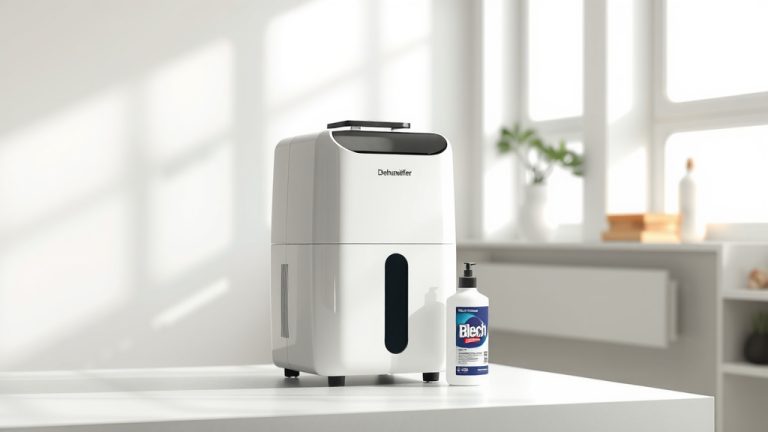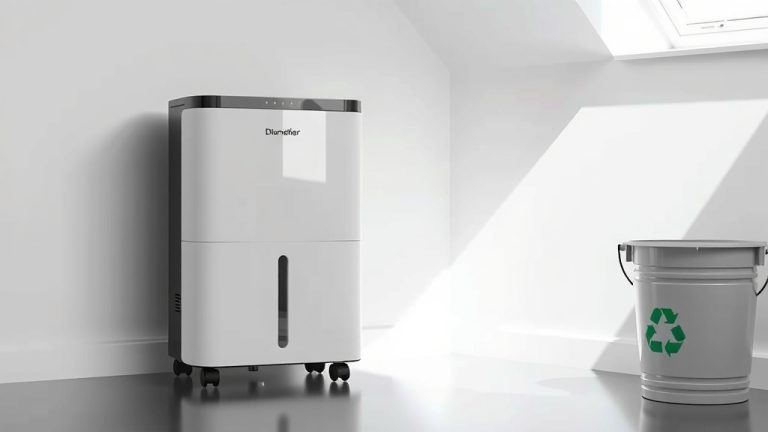
Can You Put a Dehumidifier Against a Wall?
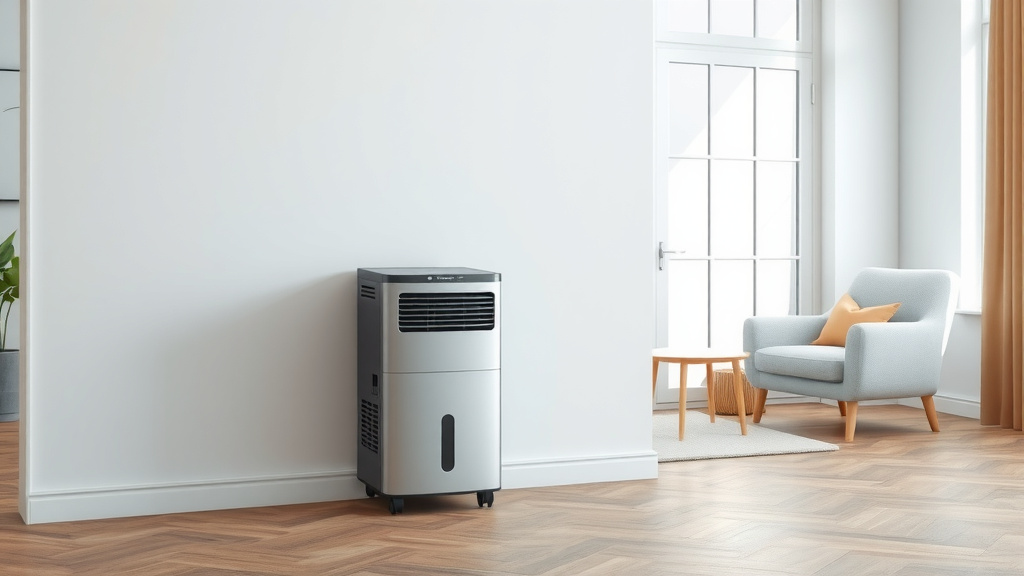
No, you should not place a dehumidifier directly against a wall.
This can block its vital airflow, reduce its effectiveness, and potentially cause overheating of the unit.
Here’s a quick summary if you’re in a hurry:
- Always leave several inches of space around your dehumidifier.
- Blocking airflow makes your unit work harder and less efficiently.
- Improper placement can lead to overheating and a shorter lifespan.
- Aim for open areas, away from corners and furniture.
- Optimal spacing ensures it effectively removes moisture from your air.
Can You Put a Dehumidifier Against a Wall?
Placing your dehumidifier too close to a wall blocks its air intake and exhaust. This simple mistake can significantly hinder its ability to remove moisture from your home. It’s like trying to run with your hands tied behind your back.
Why Space Around Your Dehumidifier Matters
Imagine breathing through a tiny straw. It’s difficult, right? A dehumidifier works similarly. It needs unrestricted airflow to pull in humid air and expel drier air.
When you place it right against a wall, you’re essentially suffocating it. This forces the unit to work harder, using more energy without delivering the expected results. We found that proper spacing is key for efficient operation.
The Science of Air Circulation
Dehumidifiers draw air over cold coils to condense moisture, then release dry air back out. This process requires a continuous loop of air movement. Walls disrupt this flow, creating a “dead zone” of stagnant air (EPA).
How Much Space is Enough?
Most manufacturers recommend leaving at least 6 to 12 inches of space. This applies to walls, furniture, and anything else that might obstruct its vents. Think of it as giving your dehumidifier room to breathe freely.
This critical gap ensures air can freely enter and exit the unit. It allows your dehumidifier to efficiently process the air in the room, keeping humidity levels balanced and comfortable.
Manufacturers’ Recommendations
Always check your dehumidifier’s user manual. It contains specific guidelines for optimal placement and spacing. Following these instructions protects your warranty and ensures you get the best performance.
The Risks of Improper Placement
Putting a dehumidifier against a wall brings several downsides. You might not see them immediately, but they impact your unit and your home’s air quality.
Overheating and Reduced Lifespan
Blocked airflow traps heat around the unit’s motor. This constant heat can strain internal components, potentially leading to overheating. Over time, this stress can shorten your dehumidifier’s overall lifespan, turning a helpful appliance into a costly repair or replacement.
Inefficient Moisture Removal
Without proper air circulation, your dehumidifier struggles to pull moisture from the entire room. It will only dehumidify the small area directly around it. You’ll likely see less effective humidity control, even if the unit runs constantly.
Higher Energy Bills
A struggling dehumidifier works harder to achieve its target humidity. This extra effort translates directly into higher energy consumption. You’ll be paying more on your electricity bill for less effective dehumidification, which is nobody’s idea of a good deal.
Where is the Best Place for Your Dehumidifier?
Finding the perfect spot is not just about avoiding walls. Consider the entire room’s layout. We found that a central location is often the most effective for circulating air.
Open Spaces are Key
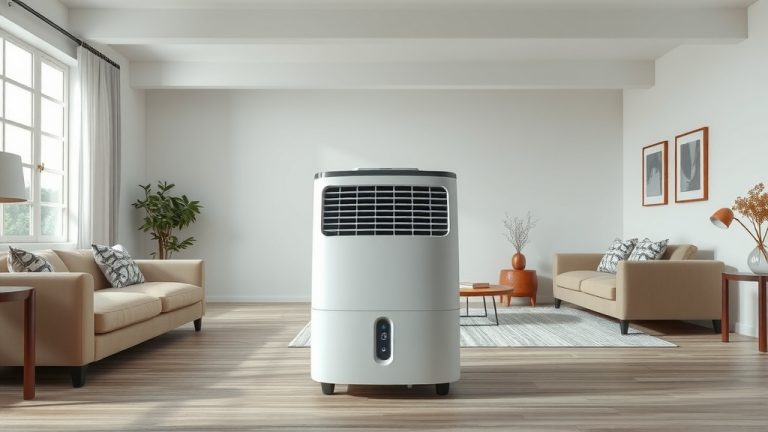
Place your dehumidifier in an open area, away from corners or large furniture. This allows for maximum air circulation around all sides of the unit. Think of it as creating a clear path for air to flow and do its job.
Avoid Corners and Closets
Corners restrict airflow, much like a wall does. Closets are even worse, as they trap air and prevent the unit from treating the main room. Many experts suggest placing it in the dampest part of the room for best results (Consumer Reports).
Table: Ideal Dehumidifier Placement Summary
This table offers a quick guide to common placement scenarios and their outcomes, helping you choose wisely.
| Placement Scenario | Impact on Performance |
|---|---|
| Against a Wall | Poor. Blocks airflow, causes overheating, uses more energy. |
| In a Corner | Poor to Fair. Restricts air from two sides, less efficient. |
| Open Room Center | Excellent. Maximum airflow, even dehumidification across the room. |
| Near a Drain (with hose) | Good. Convenient for continuous drainage, if space allows proper airflow. |
A Quick Checklist for Optimal Dehumidifier Setup
Before you plug it in, run through these points to ensure your unit is ready to go and working its best.
- Is there 6-12 inches of clear space on all sides of the unit?
- Is the unit on a flat, stable, and level surface?
- Are intake and exhaust vents completely unobstructed by anything?
- Is it away from direct heat sources or open windows and doors?
- Have you checked the user manual for specific placement guidelines?
- Is the water collection bucket easy to access for regular emptying?
Beyond Placement: Other Factors for Dehumidifier Efficiency
Placement is just one piece of the puzzle. Other elements also contribute to how well your dehumidifier performs, ensuring a dry home.
Room Size and Dehumidifier Capacity
Is your unit powerful enough for the room? A small dehumidifier in a large, very damp basement will struggle, no matter where it’s placed. Match the unit’s capacity to your room’s needs for best results (NIH).
Closing Doors and Windows
A dehumidifier works best in an enclosed space. Keeping doors and windows shut prevents new, humid air from constantly entering the room. This makes your unit’s job much easier and more effective, saving you energy.
Regular Cleaning and Maintenance
Dusty coils or a clogged filter can also hinder performance. Regular cleaning keeps your dehumidifier running smoothly. It’s like taking care of yourself; a clean machine is a happy machine that works harder.
A Simple Analogy: A Car’s Radiator
Think of your dehumidifier’s vents like a car’s radiator. If you block the radiator, the engine overheats. Similarly, blocking a dehumidifier’s vents prevents it from “cooling down” and operating properly. It’s a crucial part of its design.
Conclusion
Giving your dehumidifier adequate space isn’t just a suggestion; it’s a necessity for its health and your home’s comfort. By keeping it away from walls and obstructions, you ensure it runs efficiently, saves energy, and lasts longer. A little breathing room for your unit means a much drier, more comfortable environment for you. We genuinely want your dehumidifier to work its best, making your living space better!
Frequently Asked Questions About Dehumidifier Placement
Can I place a dehumidifier in a basement corner?
While possible, it’s not ideal. Corners restrict airflow, reducing the dehumidifier’s efficiency. Try to pull it out several inches from both walls, or place it in a more open area if your basement allows for it. Better airflow means better moisture removal.
Does leaving doors open affect a dehumidifier?
Yes, significantly. A dehumidifier works to reduce humidity in a specific enclosed space. Leaving doors or windows open allows more humid air to enter, forcing the unit to work harder and less effectively. Keep them shut for optimal performance.
How close can a dehumidifier be to furniture?
Just like walls, furniture can block airflow. Aim for at least 6-12 inches of clearance between your dehumidifier and any large pieces of furniture. This ensures proper air circulation around all sides of the unit.
Should a dehumidifier be placed on the floor?
Yes, most portable dehumidifiers are designed to sit on a flat, level floor. This position allows them to draw in heavier, moister air, which tends to settle lower. Avoid placing them on elevated surfaces unless specifically designed to do so.
Will a dehumidifier raise room temperature?
Dehumidifiers do generate some heat as a byproduct of their operation, similar to a refrigerator. This can slightly increase the room temperature, usually by a few degrees. Proper placement, with good airflow, helps dissipate this heat more effectively.