Can You Put a Dehumidifier in Kitchen?
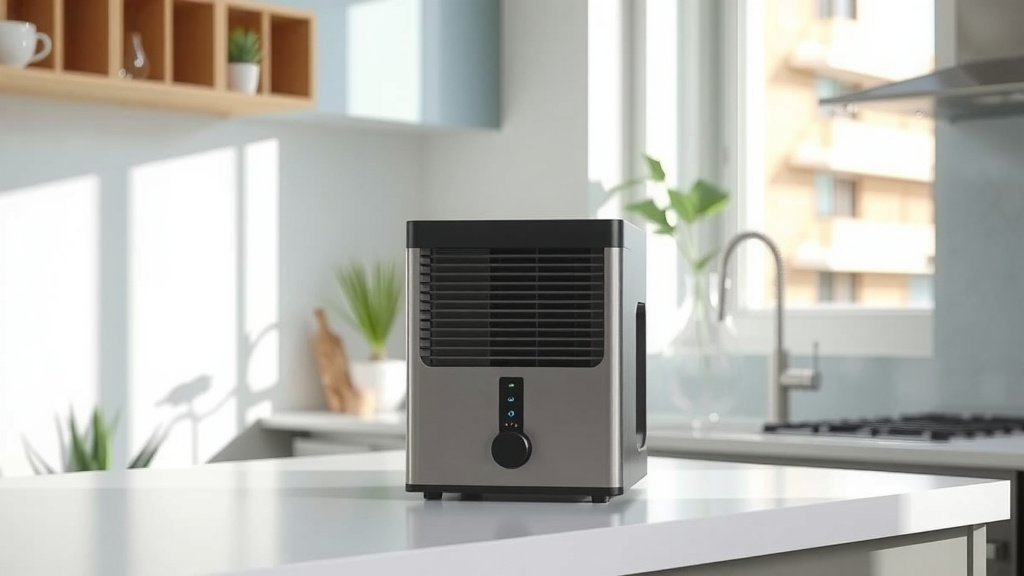
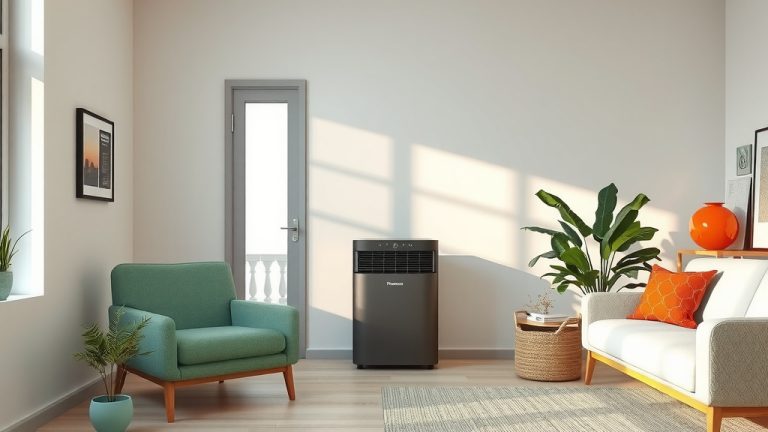
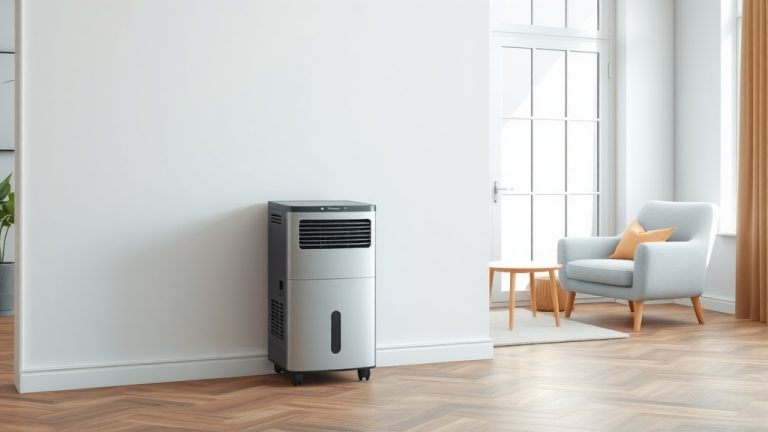
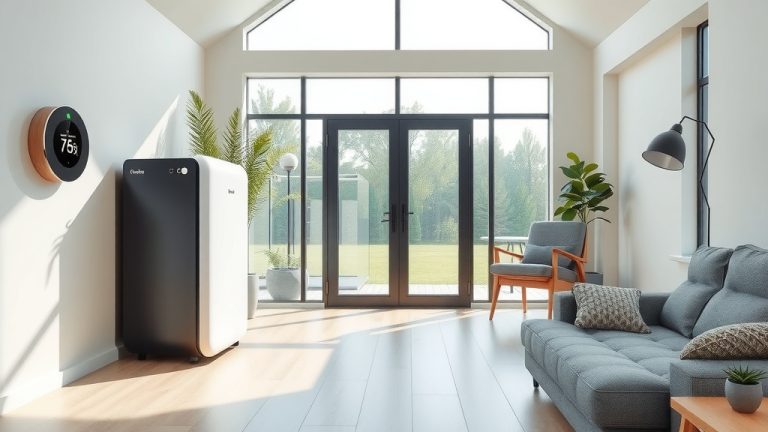
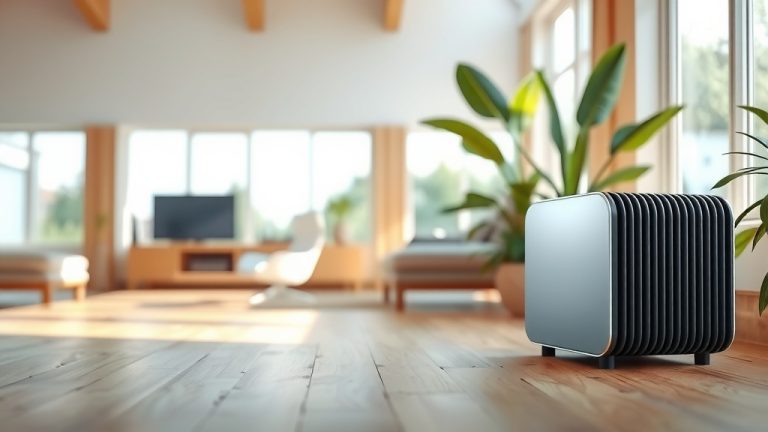
Yes, you absolutely can put a dehumidifier in your kitchen to manage excess moisture and improve air quality.
Placing a dehumidifier in the kitchen helps control humidity from cooking, dishwashing, and plumbing, protecting your home from mold and moisture damage.
- A kitchen dehumidifier helps prevent mold and musty odors from cooking and plumbing moisture.
- Choosing the right size and type is key for effective and quiet operation in your kitchen.
- Proper placement is vital for safety and ensuring good airflow around the unit.
- Kitchens benefit from dehumidifiers by protecting cabinets, appliances, and overall air quality.
Can You Put a Dehumidifier in Kitchen?
You might be wondering if a dehumidifier has a place in your kitchen. The short answer is a resounding yes. It can be a surprisingly useful addition to many kitchens.
Kitchens are naturally humid spaces, thanks to all the cooking, cleaning, and sometimes even the plumbing. Adding a dehumidifier can make a real difference.
Why Your Kitchen Might Need a Dehumidifier
Think about your daily kitchen activities. Do you boil pasta, simmer soups, or run your dishwasher often? All these actions release a lot of moisture into the air.
This excess humidity can lead to several problems over time. Nobody wants a damp, uncomfortable kitchen, right?
Battling Cooking Vapors
When you cook, especially boiling water or steaming vegetables, a significant amount of moisture enters your indoor air. Even with a good exhaust fan, some humidity remains.
This persistent moisture can linger. It settles on surfaces, creating a damp environment that isn’t ideal for your home.
Plumbing Leaks and Humidity
Sometimes, humidity issues stem from less obvious sources. Minor leaks under the sink or behind dishwashers can contribute to a damp kitchen.
Even without active leaks, the general presence of water pipes can create cooler spots where condensation forms. This adds to the overall moisture load.
Protecting Your Kitchen Investment
Your kitchen likely represents a big investment. High humidity can damage wooden cabinets, cause paint to peel, and even affect appliance longevity.
Imagine your beautiful cabinetry swelling or warping. A dehumidifier helps safeguard these expensive parts of your home, protecting their look and function.
The Benefits of a Drier Kitchen
So, what exactly do you gain by adding a dehumidifier to your kitchen? The advantages go beyond just comfort.
We found that maintaining optimal humidity levels offers peace of mind and tangible benefits for your home and health.
Say Goodbye to Mold and Mildew
Mold loves damp, warm places. Your kitchen, especially in corners or under sinks, can be a prime breeding ground if humidity is high.
A dehumidifier actively pulls moisture from the air, making it much harder for mold and mildew to grow. This is a big win for your home’s integrity (CDC).
Fresher Air Quality
Excess humidity often leads to a stale or musty smell. This is typically due to mold or mildew growth, even if you can’t see it yet.
By reducing humidity, your dehumidifier helps eliminate these unpleasant odors. You’ll notice the air in your kitchen feels cleaner and fresher.
Keeping Cabinets and Appliances Safe
Wooden cabinets can warp or crack in humid conditions. Metal appliances might experience accelerated corrosion or rust over time.
A dehumidifier helps protect these items. It extends their lifespan and keeps them looking better for longer, saving you money on repairs or replacements.
Choosing the Right Dehumidifier for Your Kitchen
Not all dehumidifiers are created equal. Picking the right one for your kitchen involves a few considerations.
You’ll want a unit that’s effective, fits your space, and doesn’t become a nuisance.
| Feature | Consideration for Kitchen Use |
|---|---|
| Capacity | Match to kitchen size and humidity level (e.g., pints per day). |
| Size/Portability | Compact design often better for limited kitchen space. |
| Noise Level | Look for quieter models since kitchens are active areas. |
| Drainage | Manual bucket or continuous drain option (hose). |
| Energy Efficiency | Energy Star rated models save on electricity costs. |
Size and Capacity Matters
Dehumidifier capacity is measured in pints of moisture removed per day. A smaller kitchen might need a 30-pint unit, while a larger, very humid one might need more.
It’s important not to undersize your unit, or it won’t be effective. Consider your kitchen’s square footage and typical humidity levels.
Drainage Options
Most dehumidifiers come with a water collection bucket you need to empty. For a kitchen, you might prefer a continuous drainage option.
This allows you to connect a hose directly to a drain, like a sink or floor drain. This saves you the hassle of frequent emptying.
Noise Levels
Kitchens are often social hubs. A loud dehumidifier can be disruptive. Many experts say to look for models with a low decibel rating.
Some newer units are designed to operate much more quietly. This helps maintain a pleasant kitchen environment while the unit works its magic.
Smart Placement and Safety Tips
Where you place your dehumidifier in the kitchen makes a big difference in its effectiveness and safety.
Good placement ensures it can do its job without becoming a hazard or an eyesore.
- Choose a clear, flat surface away from main walkways.
- Keep it at least 6-12 inches from walls and furniture for airflow.
- Avoid placing it directly next to sinks or water sources.
- Ensure the power cord is not a tripping hazard and is safely plugged in.
- Elevate smaller units if possible, especially if continuous drainage isn’t used.
- Regularly clean filters to maintain efficiency and prevent overheating.
Away from Water Sources
While you want to remove moisture, placing the unit too close to a splashing sink or an active stovetop isn’t wise. This can damage the unit or create an electrical risk.
Find a spot where it’s protected from direct water exposure. Safety should always be your top priority.
Ensuring Proper Airflow
Dehumidifiers work by pulling in air, removing moisture, and then expelling dry air. They need space to breathe, so to speak.
Many guidelines point to giving the unit ample clearance on all sides (Mayo Clinic). This allows for efficient operation and prevents overheating.
Common Concerns and Solutions
You might have a few lingering questions. Let’s tackle some common worries about putting a dehumidifier in your kitchen.
It’s natural to think through the practicalities before introducing a new appliance.
- Concern: It will get in the way. Solution: Choose a compact, portable model and find a less-trafficked corner.
- Concern: It will be too noisy. Solution: Research quieter models and check decibel ratings before buying.
- Concern: It will use too much electricity. Solution: Look for Energy Star certified models for better efficiency.
- Concern: It will be ugly. Solution: Some modern designs are sleek; placement can also minimize visibility.
- Concern: How often do I need to empty it? Solution: Consider continuous drainage or set it to run only during high-humidity times.
Conclusion
Placing a dehumidifier in your kitchen is not only possible but can offer significant benefits for your home. From battling persistent cooking vapors to protecting your valuable cabinets and appliances, it’s a practical solution.
By carefully selecting the right size, considering drainage options, and ensuring safe placement, you can effectively manage humidity. Enjoy a fresher, healthier, and more protected kitchen environment thanks to this simple yet powerful appliance.
Can a small dehumidifier really make a difference in a kitchen?
Yes, even a small, appropriately sized dehumidifier can significantly reduce humidity levels in a typical kitchen. Its effectiveness depends on your kitchen’s size and how much moisture it typically generates. Many experts say that consistent use of a compact unit is better than no dehumidification at all.
Where is the best place to put a dehumidifier in a small kitchen?
In a small kitchen, place your dehumidifier in a corner or on a countertop where it won’t block walkways or airflow. Ensure it’s at least 6-12 inches away from walls and appliances, and avoid placing it directly under a sink or near a splashing water source for safety.
Do kitchen exhaust fans eliminate the need for a dehumidifier?
While kitchen exhaust fans are excellent for removing steam and odors during cooking, they don’t always eliminate all excess moisture. Dehumidifiers work continuously to maintain a specific humidity level throughout the entire kitchen, addressing moisture from sources beyond just active cooking.
How often should I run a dehumidifier in my kitchen?
You can run a kitchen dehumidifier as needed, often during and after cooking, or continuously if your kitchen consistently experiences high humidity. Many models have humidistats that let you set a target humidity level, so it only runs when necessary. Regularly check your humidity levels with a hygrometer.
Can a dehumidifier help with condensation on kitchen windows?
Absolutely. Condensation on kitchen windows is a clear sign of high indoor humidity. A dehumidifier will remove this excess moisture from the air, directly helping to reduce or eliminate condensation on your windows and other cold surfaces, which also helps prevent mold growth on window sills.