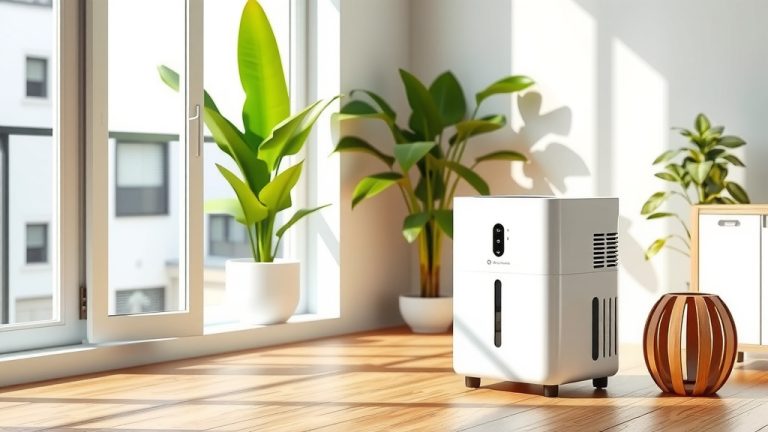
Can You Put a Dehumidifier on a Shelf?
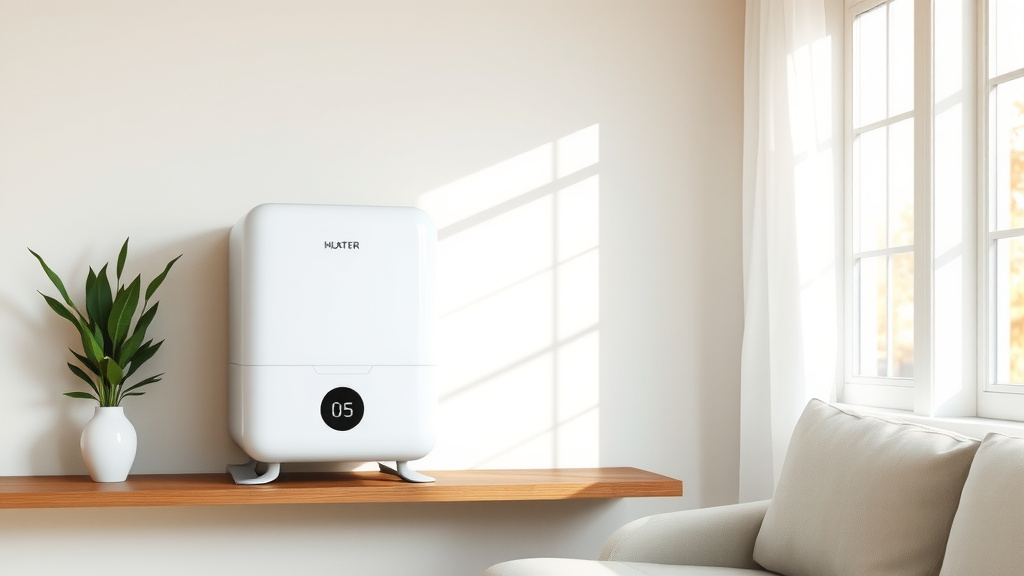
You can put a dehumidifier on a shelf, but it’s crucial to ensure the shelf is sturdy, level, and placed at an optimal height for efficient moisture removal.
Placing your dehumidifier slightly elevated helps it draw in humid air more effectively and allows gravity to assist with drainage, especially if it has a continuous drain option.
- Elevating your dehumidifier on a sturdy shelf can improve its performance.
- Ensure the shelf is strong enough to support the unit’s weight, including a full water tank.
- Proper airflow around the unit is essential for efficient operation.
- Avoid placing it too high, which could make maintenance difficult or unsafe.
- Always follow your dehumidifier’s manufacturer guidelines for placement and safety.
Can You Put a Dehumidifier on a Shelf?
Yes, you can place a dehumidifier on a shelf. This can even boost its efficiency by positioning it better to collect humid air.
Thinking about where to put your dehumidifier? You’re not alone. Many people wonder if elevating it makes a difference. Let’s dig into why a shelf might be a good spot for your unit.
Why Consider Elevating Your Dehumidifier?
Dehumidifiers work by drawing in moist air, cooling it to condense the water, and then releasing drier air back into the room. Since warm, moist air tends to rise, positioning your dehumidifier slightly higher can help it capture this air more directly.
Imagine warm, muggy air like a lazy cloud. If your dehumidifier is on the floor, it might struggle a bit more to pull that cloud down. A small boost can make a real impact on how well it works.
Shelf Placement: The Good and The Bad
Placing your dehumidifier on a shelf offers unique advantages and some things to watch out for. It’s about finding the right balance for your home.
Benefits of Raising Your Dehumidifier
We found that elevating your dehumidifier offers several perks. A slightly higher position helps it draw in humid air more effectively. This can lead to quicker dehumidification and better overall performance.
Another plus is convenience. A shelf can keep the unit out of the way of foot traffic or curious pets. It also makes checking the water tank or settings much easier on your back.
Potential Downsides to Shelf Use
While helpful, shelf placement isn’t without its challenges. The most significant concern is safety. You need a very sturdy shelf to handle the weight of the unit, especially when its water tank is full. A full tank can add considerable weight.
Emptying the water tank might also become more awkward if the shelf is too high. You don’t want to be lifting a heavy, full tank from above your head.
Choosing the Right Shelf: What to Look For
Not just any shelf will do for your dehumidifier. Think of it like choosing the right shoes for a long walk. The proper support makes all the difference.
Weight Capacity is Key
This is non-negotiable. Your shelf must support the dehumidifier’s weight when its water tank is completely full. Check your unit’s manual for its maximum operating weight. Then, compare this to the shelf’s stated weight limit. Always err on the side of caution.
Stability and Level Surface
A wobbly shelf is a disaster waiting to happen. The surface must be perfectly level to ensure the dehumidifier operates properly and doesn’t tip over. An uneven surface can also affect the internal components and how the water collects.
Airflow Around the Unit
Dehumidifiers need plenty of air circulation to work their magic. Ensure there’s at least 6-12 inches of clear space around all sides, including the back. This allows the unit to efficiently take in moist air and release dry air (Energy Star).
Optimal Height for Dehumidifiers
So, how high is “optimal”? Many experts suggest placing your dehumidifier around 1 to 2 feet off the ground. This elevation balances improved air intake with ease of access for maintenance.
Too low, and you miss some of the rising humid air. Too high, and it becomes a safety risk and a pain to empty. A sturdy end table or a purpose-built stand often works well.
Drainage Solutions When on a Shelf
How you handle the collected water is important, especially when the unit is elevated. You have a couple of main options.
Manual Tank Emptying
Most dehumidifiers come with a removable water tank. If your unit is on a shelf, you’ll need to periodically remove and empty this tank. Consider the shelf’s height and how easily you can lift a full tank without spilling.
Continuous Drainage with a Hose
This is where shelf placement really shines. Many dehumidifiers offer a continuous drain option. You can attach a standard garden hose to a port on the unit. Gravity then allows the water to drain away continuously.
Placing the unit on a shelf makes it easier to position the hose downwards into a floor drain or a larger collection bucket. This means no more frequent tank emptying.
Safety First: Preventing Accidents
Your dehumidifier is an appliance that uses electricity and collects water. Safety must always be your top priority, especially when placing it on a shelf.
Electrical Cord Management
Ensure the power cord is not stretched, pinched, or dangling where it could be a tripping hazard. Use cord clips if needed to secure it. Never use extension cords unless absolutely necessary and only if they are properly rated for the appliance’s wattage.
Overheating Concerns
Make sure the dehumidifier has ample clearance for airflow on all sides. Blocking vents can cause the unit to overheat, affecting its performance and potentially creating a fire hazard. Never place cloths or items over the unit.
What Manufacturers Say About Placement
Every dehumidifier comes with a user manual, and this document is your best friend for placement advice. Many manufacturers emphasize clear space around the unit. We found that most manuals suggest at least 6-12 inches of clearance on all sides.
Some manuals may not explicitly mention “shelf placement,” but they will provide guidelines for flat, stable surfaces and weight distribution. Always refer to your specific model’s instructions for the safest and most effective use (Product Manuals).
Alternatives to Shelf Placement
If a shelf isn’t ideal for your situation, don’t worry! You have other great options to consider. Many people use a dedicated, low-profile appliance stand designed for stability and air circulation.
You can also use a small, sturdy end table or even a sturdy, low-level cart with wheels if you need to move it around. The goal is always stability, proper airflow, and easy access for maintenance.
Quick Checklist for Shelf Dehumidifier Setup
- Check shelf weight capacity against unit’s full weight.
- Ensure the shelf is perfectly level and stable.
- Provide 6-12 inches of clear space around the unit for airflow.
- Verify electrical cord is safely managed and not strained.
- Plan your water drainage method (manual tank or continuous hose).
- Keep the unit at an accessible height for maintenance and safety.
| Placement Option | Pros | Cons |
|---|---|---|
| On a Shelf (Elevated) | Improved air intake; out of traffic; continuous drain easier. | Requires sturdy shelf; emptying tank can be harder; potential fall risk if unstable. |
| On the Floor | Very stable; easy to move; simple setup. | Less efficient for rising humid air; can be trip hazard; potentially less effective continuous drain. |
| Dedicated Stand | Good stability; often designed for airflow; elevated. | Requires purchasing a stand; still needs space. |
Conclusion
Putting your dehumidifier on a shelf is a smart move for many homes. It can truly boost how well your unit fights off excess moisture. Just remember, the key is to prioritize safety and stability.
By choosing the right shelf, ensuring good airflow, and managing drainage wisely, you’ll create an optimal setup. A well-placed dehumidifier works more efficiently, keeps your home healthier, and provides you with lasting comfort. So go ahead, give your dehumidifier a little lift!
Can a dehumidifier be placed too high?
Yes, a dehumidifier can be placed too high. While some elevation helps, positioning it excessively high (e.g., near the ceiling) might make it less effective at dehumidifying the main living space. It also poses a safety risk for maintenance and could be unstable.
Do dehumidifiers work better elevated?
Many experts believe that dehumidifiers do work better when slightly elevated, typically 1 to 2 feet off the ground. This helps them capture the warmer, more humid air that naturally rises, improving overall efficiency and moisture removal.
Is it OK to put a dehumidifier on carpet?
It is generally not recommended to place a dehumidifier directly on thick carpet. Carpets can block airflow to the unit’s intake or exhaust vents, reducing efficiency and potentially causing overheating. A hard, level surface or a low, sturdy stand is a better choice.
How much space does a dehumidifier need around it?
For optimal performance and to prevent overheating, a dehumidifier needs at least 6-12 inches of clear space around all sides, including the back and top. This allows for proper air circulation and efficient operation.
Can I put my dehumidifier in a cabinet?
No, you should never place a dehumidifier inside a cabinet or any enclosed space. Dehumidifiers require significant airflow to operate correctly. A cabinet would severely restrict this airflow, leading to inefficiency, overheating, and potential damage to the unit.