Can You Put Essential Oils in Dehumidifier?

No, you should not put essential oils directly into your dehumidifier. Doing so can seriously damage the unit, void its warranty, and potentially release harmful compounds into your air.
Dehumidifiers are designed to remove moisture from the air, not to diffuse scents, and essential oils can cause residue buildup and corrosion.
- Essential oils are not compatible with dehumidifier mechanics.
- Putting oils in can damage internal plastic and metal parts.
- It will likely void your dehumidifier’s warranty immediately.
- Oils can release volatile organic compounds, impacting indoor air quality.
- Use dedicated diffusers or natural alternatives for a pleasant scent.
Can You Put Essential Oils in Dehumidifier?
It’s a common thought: what if my dehumidifier could also make my home smell amazing? You might wonder about adding a few drops of essential oil to the water tank. Let’s get straight to it: you absolutely should not put essential oils in your dehumidifier. We found that this practice carries significant risks for both your appliance and your health.
Why the Urge to Add Scents?
Living in a humid environment often brings with it a certain stuffiness. Sometimes, that damp air can even carry a musty odor. It’s natural to want your home to smell fresh and clean. That’s where the idea of adding a pleasant scent, like essential oils, often comes into play. You’re simply looking for a more inviting atmosphere.
The Science of Dehumidifiers and Humidity
Dehumidifiers work by drawing in humid air. They pass this air over cold coils, similar to a refrigerator. The moisture condenses into liquid water, which then drips into a collection bucket. Dry air is then released back into your room. It’s a simple but effective process to combat excess humidity (EPA).
Understanding Your Dehumidifier’s Mechanics
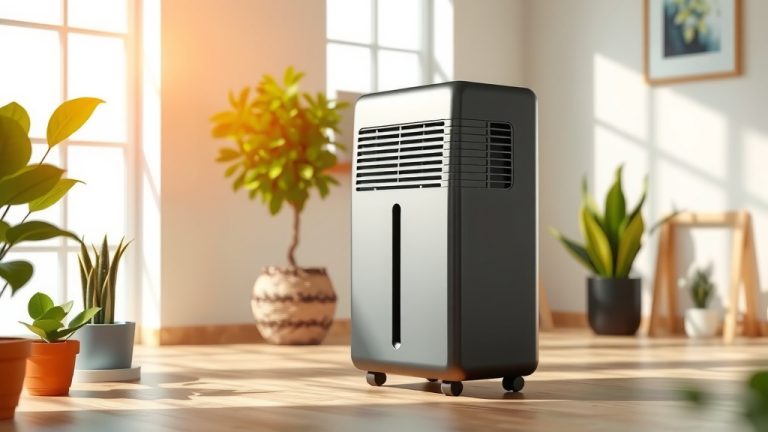
Inside your dehumidifier, you’ll find delicate components. There are cooling coils, a fan, and a water collection reservoir. These parts are typically made from plastics, metals, and rubber seals. They are designed to handle water, not concentrated oils. Each part plays a specific role in removing moisture efficiently.
What Happens When Oils Meet Water?
You know the old saying: oil and water don’t mix. Essential oils are no exception. When you add them to your dehumidifier’s water tank, they don’t dissolve. Instead, they float on top or create a film. This layer of oil can then get drawn into the dehumidifier’s system. It’s not a compatible combination at all.
The Risks of Essential Oils in Dehumidifiers
Adding essential oils to your dehumidifier can lead to a host of problems. These range from damaging the appliance itself to affecting your indoor air quality. Many experts say it’s a practice to avoid completely for safety and longevity.
Residue Buildup: A Sticky Problem
Essential oils are volatile, but they also leave a residue. Imagine a sticky film forming on the internal parts of your dehumidifier. This residue can clog filters, coat the cooling coils, and interfere with the fan’s operation. Over time, this buildup can severely reduce the unit’s efficiency, making it work harder and use more energy.
Corrosion and Material Degradation
Many essential oils are acidic or contain compounds that can degrade plastics and rubber. Seals might crack, and plastic components could become brittle. Even metal coils can be susceptible to corrosion over time. This can lead to leaks, breakdowns, and a significantly shortened lifespan for your dehumidifier. We found that manufacturers design these units for pure water only.
Impact on Air Quality and Health
When oils are aerosolized by the dehumidifier’s fan, they aren’t just diffusing a pleasant smell. They can also release volatile organic compounds (VOCs) into your air. For some individuals, especially those with allergies or asthma, this can trigger respiratory issues. You want clean, dry air, not air laden with potentially irritating compounds. Research often connects poor indoor air quality with various health concerns (NIH).
Warranty Concerns: Don’t Void It!
Almost every dehumidifier manufacturer’s warranty explicitly states that using anything other than water in the unit will void the warranty. If your dehumidifier breaks down after you’ve added essential oils, you’ll be on your own for repair or replacement costs. This is a costly risk to take.
Safer Alternatives for a Fresh-Smelling Home
So, if you can’t use your dehumidifier for scent, what can you do? Don’t worry, there are plenty of safe and effective ways to make your home smell wonderful without putting your appliance at risk. You can still have a pleasant and healthy living space.
Diffusers: The Right Tool for the Job
The simplest and most effective solution is a dedicated essential oil diffuser. These devices are specifically designed to safely disperse essential oils into the air. They won’t harm your dehumidifier, and they do a much better job of scenting your space. Many come with timers and various mist settings, giving you full control over the aroma. It’s the best way to enjoy aromatherapy.
Activated Charcoal: Natural Odor Absorption
To combat musty smells directly, consider activated charcoal bags. These are incredibly effective at absorbing odors without adding any scent. You can place them discreetly in humid areas. They are a natural, chemical-free way to freshen your home.
DIY Scent Sachets and Sprays
You can also create your own potpourri or fabric sprays. Use dried herbs, flowers, or cotton balls with a few drops of essential oil in small sachets. Place them in drawers or closets. For a room spray, dilute essential oils in water and a bit of witch hazel. This gives you customizable fragrance options.
Regular Cleaning: The Best Freshness Secret
Often, a “musty” smell isn’t just humidity; it’s mold or mildew that comes with it. Regularly cleaning your dehumidifier and its water tank is crucial. This prevents mold and bacterial growth, which are often the true source of unpleasant odors. A clean unit runs better and smells better too. Many guidelines point to regular maintenance as a key step (Mayo Clinic).
| Feature | Dehumidifier | Essential Oil Diffuser |
|---|---|---|
| Primary Function | Removes moisture from air | Disperses essential oil scents |
| Safe for Oils? | No, causes damage | Yes, designed for oils |
| Air Quality Impact (with oils) | Potential VOC release, health risk | Safe aroma dispersion |
| Internal Parts | Coils, fan, reservoir (water-only) | Vibrating disk, fan (oil-safe) |
| Warranty | Voided by oil use | Maintained with proper use |
Keeping your dehumidifier running smoothly involves a few simple steps. Treat it right, and it will keep your home dry and comfortable. Here’s a quick checklist to ensure its longevity:
- Always use clean, fresh water for operation (if applicable to your model).
- Empty the water bucket regularly to prevent overflow and mold.
- Clean the air filter at least once a month.
- Wipe down the water reservoir with a mild bleach solution periodically.
- Keep the air intake and exhaust vents clear of obstructions.
- Store it in a dry, clean place when not in use.
What to Do If You Already Added Oils?
Accidents happen, or maybe you just didn’t know. If you’ve already put essential oils in your dehumidifier, here’s what you should do immediately. First, unplug the unit to prevent further operation. Next, empty the water tank completely and wash it thoroughly with soap and warm water. You might need to use a soft brush to remove any residue. Then, rinse it multiple times to ensure all oil traces are gone. You might even consider running the unit with just plain water for a few hours in a well-ventilated area to flush out any remaining oil in the system. Monitor it closely for any strange noises or smells.
Conclusion
While the idea of a dehumidifier that also diffuses essential oils sounds appealing, it’s unfortunately not a good combination. Adding essential oils to your dehumidifier can cause damage, void your warranty, and may even affect your indoor air quality. Your dehumidifier is a workhorse designed for one specific job: moisture removal. For delightful aromas, reach for a dedicated diffuser or natural odor absorbers. By using the right tools for the right job, you ensure both your dehumidifier’s longevity and your home’s pleasant atmosphere. Your dehumidifier will thank you for it!
Can essential oils permanently damage a dehumidifier?
Yes, essential oils can cause permanent damage. They can clog filters, corrode internal components like coils and plastics, and degrade rubber seals over time, leading to leaks or complete unit failure.
Does putting essential oils in a dehumidifier affect air filter performance?
Absolutely. The oily residue can stick to and clog the air filter. A clogged filter reduces airflow, making your dehumidifier work harder and less efficiently, potentially leading to overheating or poor moisture removal.
Are there any essential oils that are safe for dehumidifiers?
No, there are no essential oils considered safe for direct use in a dehumidifier. All essential oils, regardless of their specific composition, can leave residue and react with the internal components of the appliance.
What are the immediate signs of dehumidifier damage from essential oils?
You might notice a sticky film inside the water tank, strange noises from the fan motor, reduced moisture collection, an unusual burning smell, or even visible corrosion on internal parts. Leaks can also develop from degraded seals.
How can I make my home smell better while using a dehumidifier?
The best approach is to use a separate essential oil diffuser. You can also place activated charcoal bags in musty areas, use scented candles, or create natural potpourri. Keep your dehumidifier clean to prevent moldy odors too.