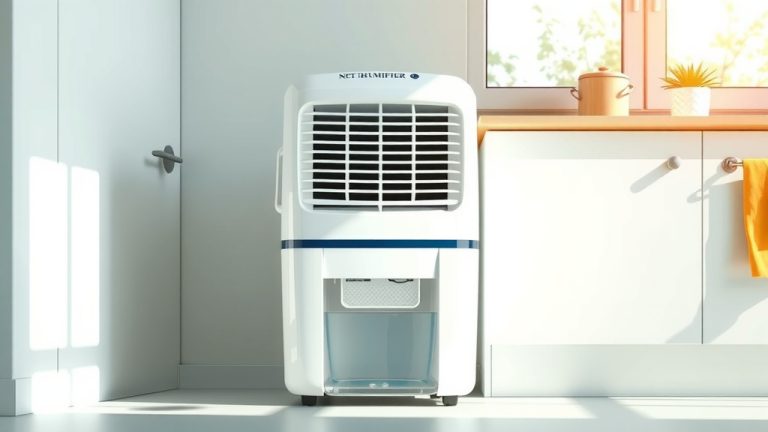
Can You Put Oil in a Dehumidifier?
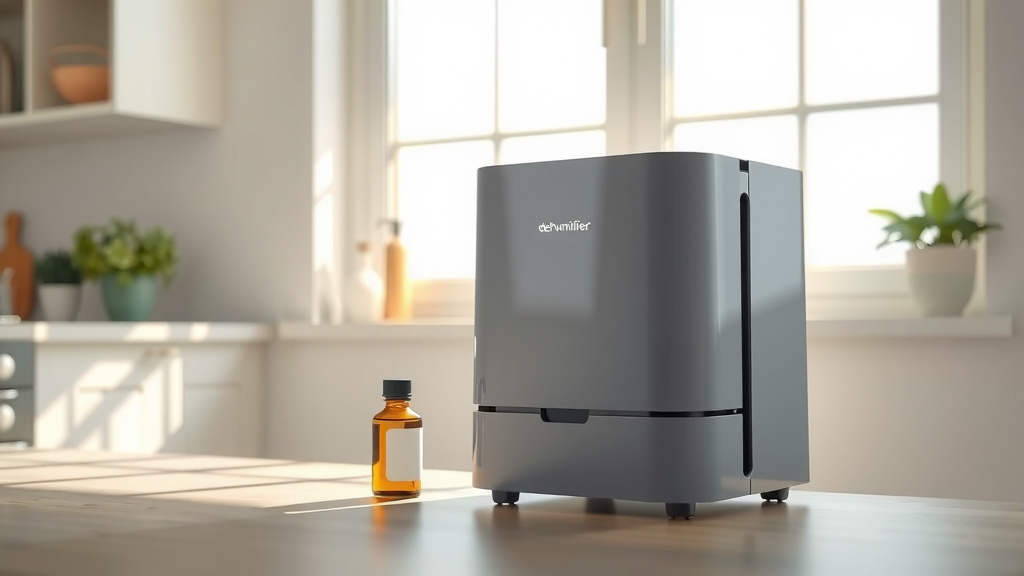
No, you absolutely cannot put oil in a dehumidifier.
Adding any type of oil, including essential oils or lubricants, to your dehumidifier can cause significant damage to the unit and create safety hazards.
Here’s a quick summary of what you need to know about putting oil in your dehumidifier:
- Never add any oils, essential oils, or lubricants to your dehumidifier.
- Oils can clog components, corrode parts, and damage internal mechanisms.
- It creates a fire hazard and releases harmful fumes into your air.
- Dehumidifiers are designed for air and moisture only, not additives.
- For scents, use air purifiers, diffusers, or candles away from the unit.
Can You Put Oil in a Dehumidifier?
The short and clear answer is a definitive no. Putting oil in a dehumidifier is a bad idea.
It can cause serious problems for both your appliance and your indoor air quality.
Why People Might Ask This Question
You might wonder about adding oil for a few reasons. Perhaps you want your home to smell fresh.
Or maybe you’re thinking about adding lubrication. These are common thoughts people have.
However, a dehumidifier is not designed for any additives.
Understanding What a Dehumidifier Does
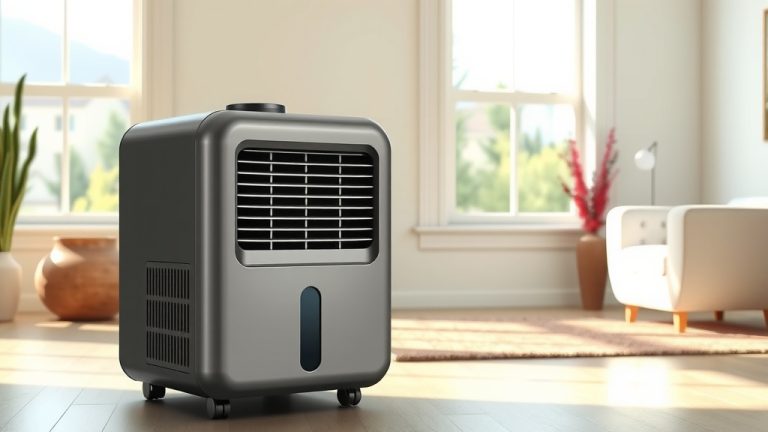
A dehumidifier’s job is simple. It pulls excess moisture from the air. It works like a tiny air conditioner.
Moist air enters, passes over cold coils, and moisture condenses into water. Dry air then returns to your room.
It’s all about reducing humidity to keep your home comfortable and free from mold.
The Dangers of Adding Oil to Your Dehumidifier
Introducing oil, especially essential oils, into your dehumidifier can lead to several severe issues.
Many experts warn against this practice (Consumer Reports).
Damage to Internal Components
Oils are not water. They can clog the delicate coils and filters inside your unit. This blocks airflow.
Over time, oils can corrode plastic and rubber parts. This leads to costly repairs or a completely broken unit.
Fire Hazard Risk
Most dehumidifiers have electrical components that get warm during operation. Oils are often flammable.
Mixing oil with heat and electricity creates a serious fire risk. We found that this is a significant concern for appliance safety.
Poor Air Quality and Health Concerns
When oils vaporize in the dehumidifier, they release tiny particles into your air. These are not good for breathing.
They can irritate your lungs, especially if you have allergies or asthma (NIH).
Instead of fresh air, you get contaminated air.
Dehumidifiers Versus Humidifiers or Diffusers
It’s easy to confuse these appliances, but they have very different jobs.
A dehumidifier removes moisture. A humidifier adds moisture. A diffuser spreads scent.
They are not interchangeable, and their internal workings are vastly different.
Here’s a simple way to look at it:
| Appliance | Primary Function | Can You Add Oil? |
|---|---|---|
| Dehumidifier | Removes moisture from air | No, never. |
| Humidifier | Adds moisture to air | Only specific types designed for essential oils. |
| Essential Oil Diffuser | Disperses essential oil scent | Yes, that is its purpose. |
How to Make Your Home Smell Good Safely
If you want a pleasant aroma in your home, there are many safe alternatives.
You don’t need to risk your dehumidifier or your safety.
- Use a dedicated essential oil diffuser away from your dehumidifier.
- Light scented candles (with caution and supervision).
- Try natural air fresheners, like baking soda or activated charcoal.
- Open windows for fresh air when humidity levels are low outside.
- Consider an air purifier, which cleans the air but doesn’t add scent.
Proper Dehumidifier Maintenance
Keeping your dehumidifier clean and well-maintained is key. This ensures it works efficiently and safely.
Regular maintenance helps it last longer. It also prevents any strange odors from moisture.
Clean the Air Filter Regularly
Most dehumidifiers have a washable filter. Check your manual for specific instructions.
A clean filter allows for better airflow and better moisture removal. Many manufacturers recommend cleaning it every two weeks.
Empty the Water Bucket
Don’t let the water sit too long. This can cause mold growth in the bucket itself.
Always empty it promptly. You can rinse it with a mild soap solution if needed (CDC).
Clean the Coils
Dust and grime can build up on the coils. Gently wipe them clean with a soft cloth.
This improves efficiency. Always unplug the unit before cleaning any internal parts.
When to Call a Professional
If your dehumidifier smells strange, makes loud noises, or isn’t collecting water, don’t try to fix it yourself.
Many experts advise calling a qualified technician. They can diagnose problems safely.
Think of it Like This…
Imagine putting diesel fuel in a car that runs on gasoline. It just wouldn’t work, right?
It would damage the engine. The same principle applies here.
Dehumidifiers have a specific design for a specific purpose.
Dehumidifier Safety Checklist
Keep these points in mind for safe and effective use:
- Place the unit on a level, stable surface.
- Keep it away from walls and furniture for proper airflow.
- Do not block air vents.
- Plug it directly into a wall outlet, avoid extension cords.
- Unplug before cleaning or moving the unit.
- Never leave it running unattended for long periods.
Conclusion
In short, putting oil in your dehumidifier is a definite no-go. It’s not worth the risk of damage, fire, or poor air quality.
Your dehumidifier is a hard worker, silently battling humidity. Treat it with care.
Stick to its intended purpose and use other safe methods for making your home smell wonderful.
Can essential oils be used in a dehumidifier?
No, essential oils should never be used in a dehumidifier. They can clog the coils, damage plastic components, create a fire hazard, and release irritating particles into your breathing air.
What happens if I accidentally put oil in my dehumidifier?
If you accidentally put oil in your dehumidifier, immediately unplug it. Do not turn it back on. You may need to have it inspected by a professional service technician to assess for damage and potential hazards.
How can I make my room smell better while using a dehumidifier?
To make your room smell better while using a dehumidifier, use a separate essential oil diffuser, light scented candles, or place air fresheners like baking soda near the unit but not inside it. Ensure good ventilation when possible.
Do dehumidifiers create an odor?
A well-maintained dehumidifier should not create an odor. If you notice a musty smell, it might indicate mold growth in the water bucket or on the coils, which means it’s time for a thorough cleaning. A burning smell suggests an electrical problem and requires immediate attention.
Are there any liquids I can add to my dehumidifier?
No, the only “liquid” a dehumidifier deals with is the moisture it extracts from the air. You should never add any external liquids, including water, oils, or cleaning solutions, into the dehumidifier’s air intake or water collection system.