Do Dehumidifiers Cause Sore Throats?
Dehumidifiers do not typically cause sore throats directly. Instead, they remove excess moisture from the air, which can actually help reduce allergens and mold that often irritate your throat.
However, if your dehumidifier makes the air too dry, it can lead to throat dryness, which some people might experience as a mild soreness or scratchiness.
Here’s the quick rundown:
- Dehumidifiers aren’t usually the direct cause of sore throats.
- They help reduce throat irritants like mold and dust mites.
- Over-drying the air, however, can lead to dryness and irritation.
- Maintain indoor humidity between 30-50% for optimal comfort.
- Proper placement and monitoring are key to avoiding discomfort.
Do Dehumidifiers Cause Sore Throats?
The straightforward answer is typically no, dehumidifiers are not the direct cause of a sore throat. In fact, many people find relief from respiratory issues when using these devices.
Their main job is to reduce humidity, which often improves air quality in your home. It’s all about balance and how you use them.
Understanding How Dehumidifiers Work
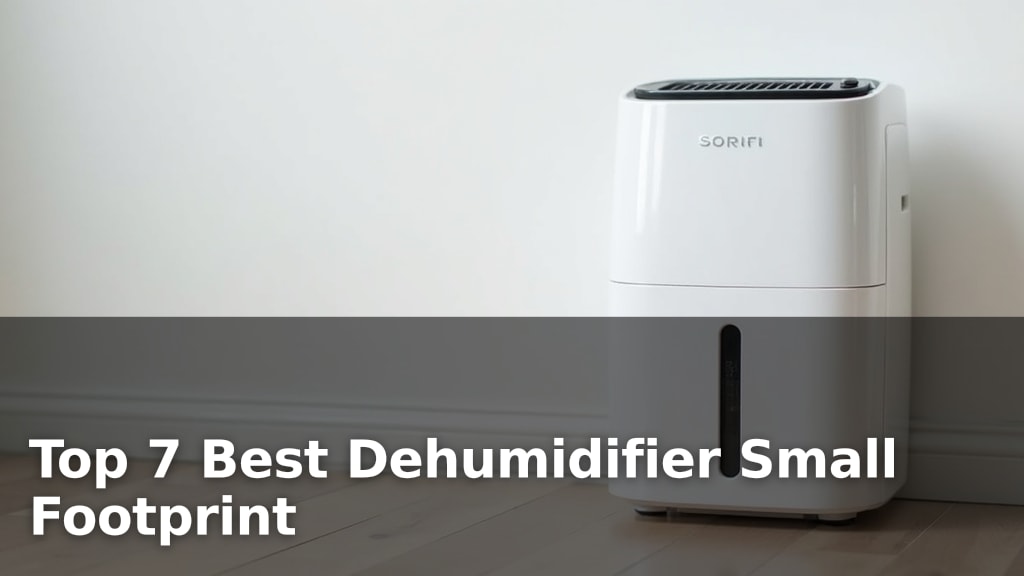
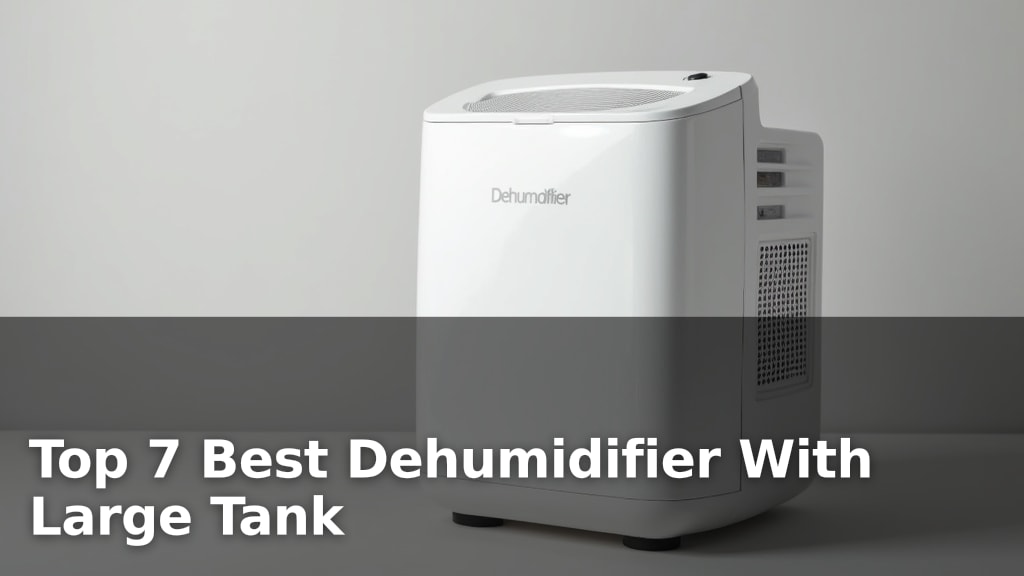
Think of your dehumidifier like a sponge, but for air. It draws in moist air from your room.
Then, it cools this air over coils, much like a cold drink glass collects condensation. This process pulls the water out of the air.
The now-dry air is released back into your space. The collected water drips into a bucket, showing just how much moisture was removed.
The Science of Dry Air and Your Throat
Your throat, like your nose and mouth, needs a certain level of moisture to stay healthy. This keeps tissues hydrated and helps them fight off germs.
When the air becomes too dry, these delicate tissues can lose their moisture. This can lead to a feeling of scratchiness, irritation, or even a mild sore throat (Cleveland Clinic).
It’s a bit like when your skin gets dry in winter; it feels tight and uncomfortable. Your throat reacts similarly.
Ideal Humidity Levels for Health
What’s the sweet spot for humidity? Many experts say the ideal indoor humidity is between 30% and 50%.
This range is good for your health and also helps protect your home from mold and dust mites (EPA).
Using a hygrometer, a simple device that measures humidity, is a smart way to keep an eye on your home’s air quality.
When Your Dehumidifier Might Be Overworking
A common issue is setting your dehumidifier too low, or letting it run constantly without monitoring.
This can drop humidity levels well below the recommended 30% mark. When the air gets this dry, that’s when issues like a sore throat may appear.
It’s not the machine itself, but rather its powerful ability to dry out the air too much.
Signs of Air That’s Too Dry
Is your air too dry? Your body often sends clear signals. Beyond a sore throat, you might notice other symptoms.
A dry nose, chapped lips, or even itchy skin are common indicators. You might also experience static electricity more frequently.
Pay attention to these subtle clues; they are your body’s way of asking for more moisture.
Beyond Your Throat: Other Dry Air Symptoms
Dry air doesn’t just affect your throat. Your skin can become dry, flaky, or itchy.
Many people find their eyes feel gritty or irritated, especially if they wear contact lenses. You might also wake up with a stuffy nose or nosebleeds (Mayo Clinic).
Even wooden furniture or floors can show signs of drying out, like small cracks appearing.
Who Is Most Affected by Dry Air?
Some individuals are more sensitive to dry air than others. People with existing respiratory conditions, like asthma or allergies, might feel discomfort sooner.
Young children and the elderly can also be more susceptible. If you often sleep with your mouth open, you might also be prone to a dry or sore throat from dry air.
Best Practices for Using Your Dehumidifier
Using your dehumidifier effectively means achieving comfort without overdoing it. A little planning goes a long way.
Think of it like watering a plant: too much or too little can cause problems. The goal is just right.
Placement Matters for Optimal Performance
Where you put your dehumidifier makes a difference. Placing it in the dampest part of your home, like a basement or bathroom, is usually best.
Ensure there’s enough space around the unit for air to circulate freely. Don’t block its vents against a wall or furniture.
Regular Maintenance Keeps Things Balanced
Just like any appliance, your dehumidifier needs some care to work well and safely. This ensures it doesn’t cause problems by becoming inefficient.
Here’s a quick checklist:
- Clean the air filter monthly to ensure good airflow.
- Empty the water bucket regularly to prevent overflow and mold growth.
- Check the coils for dust or ice buildup.
- Ensure the drainage hose (if applicable) is clear.
- Wipe down the exterior to keep it clean.
What to Do If Your Throat Feels Sore
If you suspect your dehumidifier might be contributing to a sore throat, there are easy steps to take. First, check your humidity levels with a hygrometer.
Adjust your dehumidifier’s settings to aim for that 40-50% range. You might be surprised how quickly relief comes.
Here’s a look at how different humidity levels might feel:
| Humidity Range | Potential Effect on Throat | General Comfort |
|---|---|---|
| Below 30% | High risk of dryness, scratchiness, soreness | Uncomfortable, dry skin, static electricity |
| 30% – 50% | Optimal, low risk of irritation | Very comfortable, healthy environment |
| Above 60% | Increased mold/allergen risk, potential irritation | Sticky, clammy, musty odors |
Simple Remedies for Throat Irritation
If your throat feels sore, try some simple at-home solutions. Drinking plenty of water is always a good start (NIH).
Warm salt water gargles can also provide temporary relief. Honey in warm tea can soothe the throat as well. Avoid very cold drinks or acidic foods, which might make irritation worse.
Common Misconceptions About Dehumidifiers
Many people misunderstand what dehumidifiers do. Some believe they “purify” the air, but their main role is moisture control.
Others think they cause colds, but a properly used dehumidifier can actually reduce cold and flu viruses that thrive in very humid conditions (CDC).
It’s important to remember they manage humidity, not directly cause illness or act as air purifiers.
Conclusion
Dehumidifiers are incredibly helpful tools for managing indoor air quality, especially in damp environments. They are generally not the culprits behind a sore throat.
When used incorrectly, by drying out the air too much, they can contribute to throat dryness and irritation. The key is to aim for that balanced humidity level between 30-50%.
Listen to your body, monitor your home’s humidity, and adjust your settings as needed. With proper use, your dehumidifier can be a fantastic ally in creating a healthier, more comfortable living space for you.
Frequently Asked Questions
What is the ideal humidity level for sleeping comfortably?
For comfortable sleep, most experts suggest keeping your bedroom humidity between 40% and 50%. This range helps prevent both excessive dampness, which encourages mold, and overly dry air, which can irritate your airways.
Can a dehumidifier help with allergy symptoms?
Absolutely! Dehumidifiers can significantly help with allergy symptoms by reducing the growth of common allergens like dust mites and mold. These irritants thrive in high humidity, so lowering moisture levels helps keep their populations in check.
How often should I clean my dehumidifier’s filter?
You should clean your dehumidifier’s air filter at least once a month, or more frequently if you live in a dusty environment or run the unit continuously. A clean filter ensures efficient operation and better air quality.
Is it okay to run a dehumidifier all day?
Running a dehumidifier all day is perfectly fine if your home consistently has high humidity. Many units have a humidistat that allows them to turn on and off automatically to maintain your desired humidity level, saving energy and preventing over-drying.
What’s the difference between a dehumidifier and an air purifier?
A dehumidifier removes moisture from the air, reducing humidity and preventing mold and mildew growth. An air purifier, on the other hand, cleans the air by filtering out particles like dust, pollen, pet dander, and smoke. They address different aspects of indoor air quality.