Do Landlords Have to Provide Dehumidifiers?
On this page (6 sections)
Generally, landlords are not legally required to provide dehumidifiers unless extreme humidity makes the property uninhabitable or violates specific local housing codes.
However, if persistently high moisture levels cause significant problems like mold or damage, a landlord is typically obligated to address the underlying issue, which may involve providing a dehumidifier.
Here’s a quick summary to guide you:
- Landlords don’t always have to provide a dehumidifier, but it depends on local laws and your lease.
- They are usually responsible if extreme humidity causes health risks or significant property damage.
- Tenants should document issues and communicate clearly with their landlord about moisture problems.
- Understanding your lease and local housing codes is key to knowing your rights as a renter.
- Taking preventative steps against humidity can help protect your home and belongings.
Do Landlords Have to Provide Dehumidifiers?
No, not always. Whether there is a landlord duty to provide a dehumidifier typically hinges on whether excess moisture makes a rental property unsafe or unhealthy. It often comes down to what’s considered a habitable living condition.
Understanding Landlord Responsibilities for Humidity
When you rent a home, your landlord usually has a duty to provide a safe and livable space. This means keeping the property in good repair. Excessive humidity can sometimes cross that line, turning a normal home into a problem.
The Core Legal Standard: Habitability
Most rental agreements include an “implied warranty of habitability.” This means the property must be fit for human occupation. It should be free from defects that endanger your life, health, or safety (American Bar Association). Extreme dampness or mold growth can easily violate this standard.
| Condition | Habitable Status |
|---|---|
| Occasional condensation on windows | Generally habitable |
| Persistent musty odors | Potentially problematic |
| Widespread mold growth | Likely uninhabitable |
| Peeling paint from dampness | Could indicate issues |
| Structural damage from moisture | Strongly uninhabitable |
The table above shows how different moisture signs might relate to your home’s habitability. Think about where your situation falls.
Specific State and Local Laws
Rules vary widely by location. Some cities or states have specific codes about humidity levels or mold prevention in rental units. We found that some jurisdictions have very clear guidelines for landlords (National Conference of State Legislatures). Always check your local housing authority or tenant’s rights organization for precise details.
Why Excess Humidity is More Than Just Annoying
High humidity isn’t just uncomfortable. It can lead to serious problems for both your health and your home. Imagine living inside a sponge; that’s what high humidity can feel like.
Health Implications for Tenants
Damp environments are perfect breeding grounds for mold, mildew, and dust mites. Many experts say these can trigger allergies, asthma attacks, and other respiratory issues (CDC). We found that exposure to mold can even cause symptoms like coughing, wheezing, and skin irritation in sensitive individuals.
Damage to Property and Possessions
Beyond health, excess moisture can harm your belongings and the building itself. Think about warped wooden floors, peeling wallpaper, or stained ceilings. Your furniture, electronics, and even clothes can develop mold or mildew. It’s a silent destroyer, chipping away at the value of your home and your things.
When a Dehumidifier Might Be Required
So, when does the moisture problem become your landlord’s problem, warranting a dehumidifier? It usually comes down to the severity and source of the dampness. If the problem is truly out of your control, that’s where landlord responsibility often begins.
Evidence of Chronic High Humidity
If your home consistently feels damp, even with normal ventilation, that’s a red flag. Chronic high humidity isn’t just a bad day; it’s an ongoing issue. This might be due to a building defect or inadequate ventilation.
Visible Mold and Mildew Growth
Seeing mold or mildew spreading on walls, ceilings, or even inside closets is a major sign. Mold growth often indicates a moisture problem that goes beyond normal living. Many experts say that visible mold of a certain size should be addressed promptly (EPA guidelines).
Condensation and Musty Odors
Are your windows constantly dripping? Do clothes in your closet feel perpetually clammy? Is there a pervasive musty smell, even after cleaning? These are clear indicators of excessive moisture. Such signs mean your environment is ripe for other issues, like mold you cannot yet see.
What Your Lease Agreement Says
Always review your lease. Some agreements might specify responsibilities regarding mold or moisture control. Others might mention how to report maintenance issues. Your lease is a legal document; know what it says about your home’s upkeep.
Your Responsibilities as a Renter
Even if there’s a serious humidity issue, you also play a role. Landlords often expect tenants to take reasonable steps to prevent excessive moisture. This means being mindful of your daily habits.
Signs Your Home Needs Moisture Control
Are you seeing any of these in your rental? These are strong clues that a dehumidifier or other moisture control is needed:
- Feeling dampness in the air indoors, even when it’s not raining.
- Experiencing persistent musty or earthy smells.
- Noticing condensation on windows, pipes, or cold surfaces.
- Spotting new or spreading mold growth on walls, ceilings, or fabrics.
- Seeing warped wood, peeling paint, or bubbling wallpaper.
- Your allergies or asthma seem worse when you’re home.
Simple Preventative Actions You Can Take
You can do quite a bit to keep humidity in check. These small steps make a big difference:
- Use exhaust fans in bathrooms and kitchens.
- Open windows occasionally for fresh air.
- Dry clothes outdoors or use a vented dryer.
- Don’t overwater indoor plants.
- Keep shower curtains fully extended to dry.
- Wipe up spills promptly.
Communicating Effectively with Your Landlord
If you suspect a problem, communication is key. Don’t just hope it goes away. A friendly but firm approach can often get the best results. Remember, your landlord might not even be aware of the issue.
Gathering Your Evidence
Before you talk to your landlord, collect information. Take photos or videos of any mold, water damage, or condensation. Keep a log of when you notice musty smells or feel excess dampness. This documentation makes your case much stronger.
What to Do If There’s No Action
If your landlord doesn’t respond or refuses to address the issue, you have options. Send a formal written notice, keeping a copy for your records. Research often connects these formal steps to quicker resolutions (housing advocacy groups). Depending on your local laws, you might contact a housing authority or tenant’s rights organization for guidance. Never withhold rent without legal advice, as this can create more problems.
Dehumidifier Solutions: A Brief Guide
If a dehumidifier is needed, you’ll likely encounter a few main types. Knowing the basics can help you understand the solution being offered or what to look for yourself.
Different Types and Their Uses
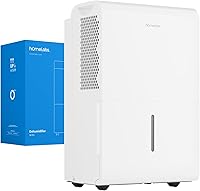
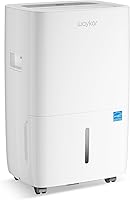
Most common are portable dehumidifiers, which you can move from room to room. They’re great for specific problem areas. Some homes might have whole-house dehumidifiers, integrated into the HVAC system. These offer more consistent humidity control for the entire property. The right type depends on the scale of the problem and the property’s design.
Conclusion
While landlords aren’t always required to provide a dehumidifier outright, they are responsible for ensuring your rental is a safe and healthy place to live. If excessive humidity leads to mold, health risks, or property damage, your landlord likely has a duty to act. Your best approach is to document any issues thoroughly, communicate clearly and respectfully, and understand both your lease and local housing laws. Taking proactive steps to manage humidity yourself also goes a long way in protecting your home and well-being.
Frequently Asked Questions About Dehumidifiers and Rentals
Is a landlord responsible for mold if they don’t provide a dehumidifier?
A landlord can be responsible for mold if it results from a maintenance issue they should have fixed, such as a leaky pipe or poor ventilation. Even without providing a dehumidifier, they must address the root cause of excessive moisture that leads to mold. Your actions, like not using exhaust fans, can also play a role.
Can I deduct the cost of a dehumidifier from my rent if my landlord won’t provide one?
Generally, no. Deducting costs from rent can have serious legal consequences, including eviction. It’s almost always better to consult with a tenant’s rights organization or legal expert before taking such a step. There are specific legal procedures for addressing landlord negligence, but rent withholding is a complex matter.
What is considered an unhealthy humidity level indoors?
Many experts say indoor humidity levels between 30% and 50% are ideal. Anything consistently above 60% can promote mold growth and dust mites, making it unhealthy and uncomfortable. A hygrometer, a small device, can help you monitor your home’s humidity levels.
Should I buy my own dehumidifier if my landlord refuses?
You can purchase a dehumidifier yourself to improve your living conditions. However, this doesn’t absolve your landlord of their responsibilities if the high humidity stems from a building defect. Keep records of your purchases and efforts, as this might be useful documentation if issues persist.
How quickly should a landlord respond to a humidity or mold complaint?
Response times can vary. For urgent issues like active leaks causing significant mold, a quick response (24-48 hours) is generally expected. For less severe but persistent humidity issues, a few days to a week for an initial response might be typical. If no action is taken within a reasonable timeframe, sending a formal written notice is a good next step.