
Do Portable Dehumidifiers Use a Lot of Electricity?
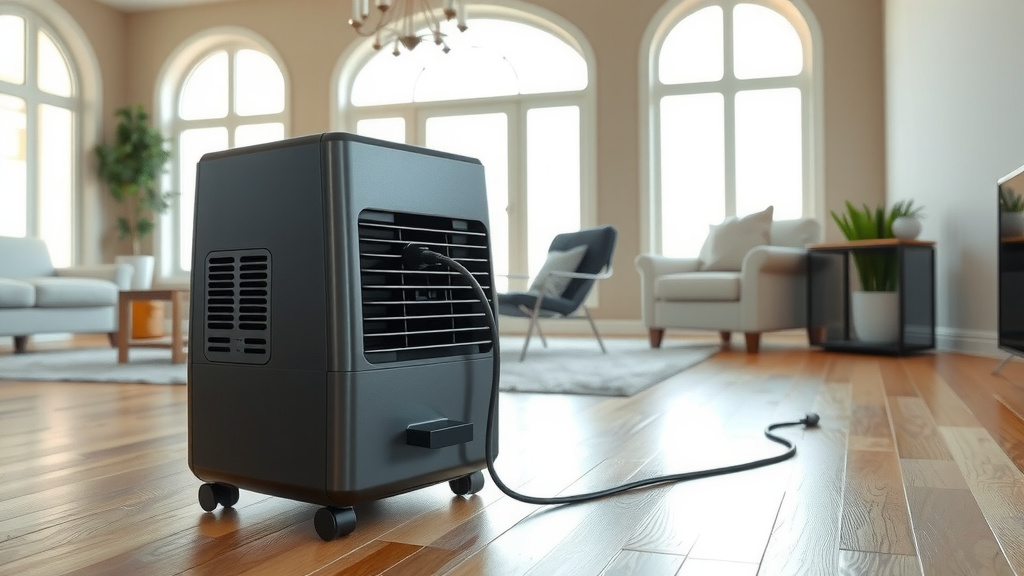
Portable dehumidifiers typically use a moderate amount of electricity, often comparable to a refrigerator or a small window air conditioner. Your actual electricity usage will depend on the unit’s size, its energy efficiency rating, and the level of humidity it needs to tackle in your space.
While they require power to operate, many modern portable dehumidifiers are designed with energy conservation in mind, aiming to help you manage indoor moisture effectively without causing an alarming spike in your energy bills.
- Portable dehumidifiers use a moderate amount of electricity, not excessively high.
- Their power consumption varies based on capacity, room size, and humidity levels.
- Choosing an Energy Star certified model can significantly lower your operating costs.
- Proper maintenance and strategic use help reduce energy usage and save money.
- The benefits of reduced humidity, like improved comfort and air quality, often justify the electricity cost.
Do Portable Dehumidifiers Use a Lot of Electricity?
No, not necessarily “a lot” in the grand scheme of your household appliances. They generally draw a moderate amount of power. Think of it more like a dedicated helper keeping your home comfortable.
Understanding How They Work
A portable dehumidifier pulls in moist air from your room. It then passes this air over cold coils. The moisture condenses into water droplets, which collect in a bucket. The now-dry air is released back into your room, making it feel less sticky. This cycle requires energy.
Power Consumption Explained
Portable dehumidifiers are typically rated in watts (W). This number tells you how much electricity the unit uses when running. For example, a common 50-pint (new standard) dehumidifier might use between 400 and 700 watts. This can vary widely by model and brand.
Watts, Kilowatt-Hours, and Your Bill
Your electricity bill measures usage in kilowatt-hours (kWh). One kWh equals 1,000 watts running for one hour. If your dehumidifier uses 500 watts, it consumes 0.5 kWh per hour. You can easily calculate your potential cost based on your local electricity rate. We found that the average US electricity rate is around 16 cents per kWh (EIA data).
It Depends on the Workload
A dehumidifier won’t always run at its peak wattage. Most models have a humidistat. This is like a thermostat for humidity. It turns the unit on and off to maintain your desired humidity level. This cycling helps save energy.
Key Factors Influencing Power Use
Several elements play a big role in how much electricity your portable dehumidifier consumes. Understanding these can help you manage your costs. It’s not just about the unit itself.
Room Size and Humidity Levels
A larger, more humid room demands more effort from your dehumidifier. A small unit in a big, damp basement will run constantly. This will naturally use more electricity. Matching the unit to the space is crucial.
Dehumidifier Capacity
Dehumidifiers are sized by how many pints of moisture they can remove daily. A 50-pint unit handles more moisture than a 20-pint one. A larger capacity unit might use more power when running. However, it can also clear the air faster and then cycle off.
Energy Efficiency Rating
This is a big one. Look for the Energy Star label. Energy Star certified models meet strict efficiency guidelines. They use less energy than conventional models. Many experts agree that choosing an Energy Star unit is a smart financial move (EPA guidelines).
Ambient Temperature
Dehumidifiers work more efficiently in warmer conditions. In very cool rooms, below 65°F (18°C), coils can freeze. This reduces efficiency and makes the unit work harder. Some models have auto-defrost features to help.
Comparing Electricity Costs: Dehumidifier vs. Other Appliances
To put things in perspective, let’s see how a typical portable dehumidifier stacks up. This comparison can help ease any worries about consumption. It might be less than you think.
| Appliance | Typical Wattage (Approx.) | Daily Cost (8 hours/day, 16c/kWh) |
|---|---|---|
| Portable Dehumidifier (50-pint) | 400-700W | $0.51 – $0.90 |
| Refrigerator | 100-200W (running cycle) | $0.13 – $0.26 (constant running) |
| Window AC Unit (Small) | 500-1000W | $0.64 – $1.28 |
| Desktop Computer | 60-300W | $0.08 – $0.38 |
As you can see, a portable dehumidifier’s daily cost is often in the same ballpark as other common household items. It’s not usually the biggest energy hog in your home. This gives you some peace of mind.
Tips for Reducing Electricity Consumption
You can actively manage your dehumidifier’s energy use. A few simple steps can make a real difference. Think of it as being a smart home manager. Here’s a quick checklist:
- Choose an Energy Star certified model.
- Properly size the unit for your room’s needs.
- Seal windows and doors to prevent outside moisture.
- Clean the air filter regularly, ideally every two weeks.
- Set the humidistat to an optimal level, around 45-50%.
- Consider using it only when humidity is truly high.
The Benefits Often Outweigh the Cost
While there’s an electricity cost, the advantages of using a dehumidifier are significant. High humidity can cause many problems. It can make your home feel sticky and uncomfortable. It also creates a breeding ground for mold and mildew (CDC guidelines).
Protecting Your Home and Health
Reduced humidity protects your wooden furniture and floors from warping. It also helps prevent musty odors. More importantly, it can improve air quality, reducing allergens like dust mites. Many people find relief from respiratory issues (NIH research shows this).
When to Turn Your Dehumidifier Off
You don’t always need your dehumidifier running. If the outdoor humidity is low, you might open windows instead. If you’re going on vacation, unplug it. Use your humidistat to let the machine do the thinking for you. It’s designed to cycle off.
Conclusion
Portable dehumidifiers use a moderate amount of electricity, which can be easily managed with smart choices. Selecting an Energy Star model, ensuring proper sizing, and maintaining your unit are key steps. The small energy cost is often a worthwhile investment. It brings improved comfort, better air quality, and protection for your home. You’re not just drying the air; you’re creating a healthier living space. So, yes, they use electricity, but it’s a controlled usage for significant benefits.
Frequently Asked Questions
How much does it cost to run a 50-pint portable dehumidifier for a month?
The monthly cost varies, but if a 50-pint unit (around 500W) runs 8 hours daily at 16 cents per kWh, it would cost approximately $20-$24 per month. This cost can decrease if the unit cycles off more often due to lower humidity or efficient operation.
Can a dehumidifier replace an air conditioner for cooling?
No, a dehumidifier cannot replace an air conditioner for cooling. Dehumidifiers remove moisture, which makes a room feel cooler by making the air less sticky. However, they do not actively lower the air temperature. In fact, some units might even slightly raise the room temperature as a byproduct of their operation.
Is it better to run a dehumidifier continuously or only when needed?
It is generally better to run a dehumidifier only when needed, or set it to a desired humidity level (e.g., 45-50%) using its humidistat. This allows the unit to cycle on and off automatically, preventing unnecessary energy use when humidity is already low. Continuous running is usually only necessary in extremely damp conditions, like after a flood.
How often should I clean my portable dehumidifier’s filter?
You should clean your portable dehumidifier’s air filter at least once every two weeks, or more frequently if you live in a dusty environment or have pets. A clean filter ensures optimal performance and energy efficiency. A dirty filter makes the unit work harder, increasing electricity consumption.
What is the ideal humidity level for a home?
Many experts agree that the ideal indoor humidity level for comfort and health is between 40% and 60% (Mayo Clinic). Keeping your home within this range helps prevent mold growth, dust mites, and other moisture-related issues, while also making the air feel more comfortable.
