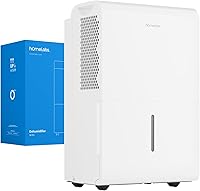
Do You Need a Dehumidifier in California?
Yes, many areas in California can benefit from a dehumidifier, especially coastal regions, basements, or homes with poor ventilation where high humidity is common.
Even in typically dry areas, specific rooms or seasonal weather patterns can lead to indoor humidity levels that a dehumidifier can effectively manage.
Here’s a quick overview of why you might need a dehumidifier in California:
- Many coastal areas experience higher year-round humidity, leading to dampness.
- Inland regions can still see high humidity during rainy seasons or specific weather events.
- Basements, bathrooms, and laundry rooms are often prone to moisture buildup, regardless of location.
- High indoor humidity encourages mold growth and dust mites, impacting air quality.
- Dehumidifiers help protect your home from moisture damage and musty smells.
Do You Need a Dehumidifier in California?
The short answer is often yes, depending on your exact location and home specifics. California’s vast climate differences mean humidity varies widely, making a dehumidifier a useful tool for many.
Understanding California’s Diverse Climate
California isn’t just one type of weather. We have deserts, mountains, and long coastlines. This means humidity levels can swing wildly from one town to the next, even within the same county.
Some areas are famously dry, like the deserts. Others, especially along the Pacific, experience a lot of moisture. Think of a coastal morning fog – that’s humidity right there.
Coastal vs. Inland Humidity
If you live near the ocean, like in San Francisco or Santa Monica, you’re likely familiar with damp air. The ocean breeze brings consistent moisture, leading to higher relative humidity indoors.
Inland valleys, such as the Central Valley, can feel quite dry for much of the year. However, they can still experience seasonal humidity spikes, especially during winter rains or unusual heatwaves (NIH).
Signs You Might Need a Dehumidifier
How do you know if your home is too humid? Your house often tells you. Pay attention to these common indicators that your indoor air has too much moisture.
You might notice these issues, even if you live in a place known for its dry climate. Sometimes, specific home conditions, like a leaky pipe or poor ventilation, can create a localized humidity problem.
The Tell-Tale Signs of High Humidity
Excessive moisture can cause a lot of small, annoying problems that add up. These aren’t just cosmetic; they can signal bigger issues for your home and health. Are you experiencing any of these?
- Musty odors: Does your home smell damp or earthy, especially in certain rooms?
- Condensation on windows: Do you see moisture droplets on your windows or cold surfaces?
- Sticky or clammy feeling: Does the air feel heavy, making you feel perpetually sticky?
- Mold or mildew spots: Are there dark spots on walls, ceilings, or shower curtains?
- Peeling paint or wallpaper: Is paint bubbling or wallpaper lifting from the walls?
- Wood warping: Are your wooden floors or furniture starting to bend or swell?
- Increased allergy symptoms: Are your allergies worse indoors, especially when you suspect dust mites or mold?
Health Concerns from Excessive Humidity
High humidity isn’t just uncomfortable; it can affect your health. We found that consistently moist environments are perfect breeding grounds for allergens. Think mold, mildew, and dust mites.
Many experts say that these allergens can worsen respiratory conditions. If you have asthma or allergies, reducing indoor humidity can lead to clearer breathing and fewer symptoms (CDC).
Protecting Your Home from Moisture Damage
Your home is a big investment. Too much moisture can slowly, silently damage it. This isn’t just about paint peeling; it can impact the structural integrity of your house over time.
We found that unchecked humidity can lead to costly repairs. This includes damaged drywall, warped wood, and even weakened foundations. A dehumidifier acts as a preventative shield for your property.
Ideal Humidity Levels for Comfort and Health
So, what’s the sweet spot? Most experts agree that an indoor relative humidity level between 30% and 50% is ideal. This range helps keep you comfortable and reduces allergen growth.
Maintaining this range can also make your home feel warmer in winter and cooler in summer. This means your HVAC system won’t work as hard, potentially saving you money on energy bills.
Measuring Your Home’s Humidity
Before buying a dehumidifier, it’s wise to check your home’s actual humidity. You don’t need fancy equipment. A simple and affordable device can give you clear readings.
- Purchase a hygrometer device, available at most hardware stores or online.
- Place it in different rooms, especially areas where you suspect high moisture.
- Monitor the readings over a few days or even weeks.
- If readings consistently stay above 50-60%, a dehumidifier could be helpful.
Not All of California is the Same
Let’s look at how humidity generally varies across different California regions. This table gives you a quick guide, but remember, individual homes can always be different.
| Region Type | Typical Humidity Levels | Dehumidifier Need |
|---|---|---|
| Coastal Areas (e.g., SF, LA) | Often High (60-80%) | Frequently beneficial |
| Inland Valleys (e.g., Sacramento, Central Valley) | Moderate (30-60%), Seasonal Spikes | Often useful seasonally |
| Deserts (e.g., Palm Springs) | Generally Low (10-30%) | Rarely needed, check specific rooms |
| Mountainous Regions (e.g., Tahoe) | Variable, Higher during Snowmelt/Rain | Can be beneficial seasonally |
Benefits of Using a Dehumidifier
Beyond comfort, a dehumidifier offers several practical advantages. It’s not just about removing water; it’s about creating a healthier living space and preserving your home.
You’ll likely notice a difference in air quality almost immediately. The air feels lighter, and those stubborn musty smells vanish. It contributes to a generally more pleasant home environment.
Energy Efficiency and Your Dehumidifier
Many worry about running another appliance. Modern dehumidifiers are more energy-efficient than older models. They only run when needed, thanks to built-in humidistats that monitor the air.
By keeping humidity in check, you might even find your air conditioner doesn’t need to work as hard. This can lead to overall energy savings, balancing out the cost of running the dehumidifier.
When a Dehumidifier May Not Be Necessary
Not everyone in California needs one. If you live in a consistently arid part of the state, with no signs of moisture issues, you might not benefit. This is especially true if your indoor humidity is already below 50%.
Also, if you have excellent home ventilation and no leaks, your home might naturally manage humidity well. Always assess your specific situation before making a purchase. Don’t buy one if your home is already quite dry.
Conclusion
So, do you need a dehumidifier in California? It truly depends on where you live and what’s happening inside your home. While parts of California are famously dry, many areas, especially coastal ones and specific rooms, battle with high humidity.
If you’re noticing musty smells, condensation, or persistent allergies, measuring your home’s humidity is a smart first step. A dehumidifier can be a simple, effective tool to protect your health, preserve your home, and enhance your overall comfort in the Golden State.
Does a dehumidifier use a lot of electricity?
Modern dehumidifiers are designed to be quite energy-efficient. Their energy use depends on the size of the unit and how often it needs to run. Many models have an Energy Star rating, indicating they are more efficient. Running one constantly will use more electricity, but smart features like humidistats help reduce consumption by only running when needed.
Can a dehumidifier help with allergies in California?
Yes, a dehumidifier can definitely help with certain types of allergies. High indoor humidity encourages the growth of common allergens like mold, mildew, and dust mites. By reducing moisture in the air, a dehumidifier makes your home less hospitable to these triggers, which can lead to a noticeable reduction in allergy symptoms for many people.
Where is the best place to put a dehumidifier in my home?
For the most effective results, place your dehumidifier in the room where humidity is highest. This is often a basement, laundry room, bathroom, or any area with poor ventilation. Ensure it’s placed on a flat, stable surface, away from walls and furniture, to allow for proper airflow. Avoid placing it directly next to a heat source or in a closet where air cannot circulate.
How do I know what size dehumidifier I need?
Dehumidifier size is measured by how many pints of water it can remove in 24 hours. The right size depends on the square footage of the room and how damp it typically is. For moderately damp areas, a 20-30 pint unit might suffice for a medium room. Very damp or large areas might require a 50-70 pint unit. Always check the manufacturer’s recommendations for room size.
What is the difference between a dehumidifier and an air conditioner?
While both can reduce humidity, they work differently. An air conditioner’s primary job is to cool the air, and humidity reduction is a byproduct of that cooling process. A dehumidifier’s sole purpose is to remove moisture from the air without significantly changing the room’s temperature. If you have high humidity but don’t need cooling, a dehumidifier is the more energy-efficient choice for moisture control.