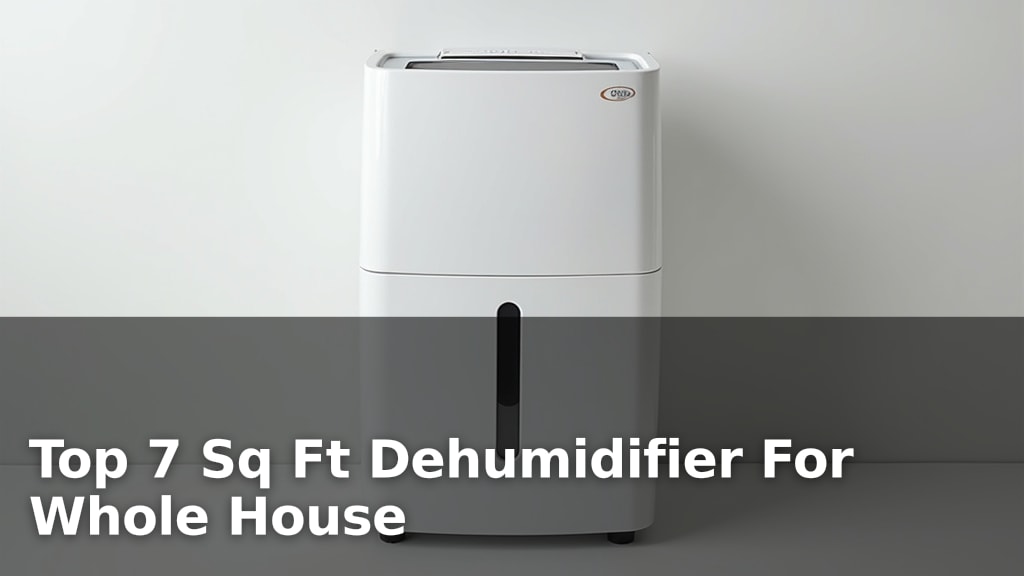
Does a Dehumidifier Generate Heat?
Yes, a dehumidifier generates heat as a byproduct of its operation, making your room slightly warmer.
This warmth comes from the energy expended during the condensation process to remove moisture from the air.
- Dehumidifiers do release some heat into your living space.
- This warming effect is a natural result of the mechanical process used to pull moisture from the air.
- The amount of heat generated is usually small, but you might notice it in smaller, enclosed rooms.
- Keeping your home drier brings significant benefits for comfort, health, and property protection.
- You can manage the slight temperature increase with good ventilation or by selecting an appropriate dehumidifier.
Does a Dehumidifier Generate Heat?
Yes, a dehumidifier releases a small amount of heat into your room while it works, similar to how a refrigerator warms its surroundings.
Why Does a Dehumidifier Generate Heat?
Think of your dehumidifier like a miniature air conditioner, but with a different goal. Instead of cooling, it focuses on moisture removal. The process involves moving air over cold coils, which causes moisture to condense into water. This entire operation requires energy.
As electricity flows through the components – the compressor, fan, and motors – some of that energy converts into heat. This heat then gets released back into your room along with the now-drier air. It is a natural part of the dehumidification cycle.
The Science Behind the Warmth
When humid air enters your dehumidifier, a fan pulls it across chilled coils. The moisture in the air condenses into liquid water, much like dew forming on a cold glass. After shedding its moisture, this cooler, drier air then passes over warm coils before being circulated back into the room. The compressor, which chills the coils, also generates heat. All these thermal exchanges lead to a net increase in room temperature.
How Much Heat Does a Dehumidifier Add?
The actual temperature increase can vary. In general, we found that most refrigerant-type dehumidifiers might raise the ambient temperature by about 3 to 10 degrees Fahrenheit. This depends heavily on the unit’s size, its energy efficiency, and the room’s insulation and ventilation.
For instance, a small unit running in a drafty basement might not cause a noticeable change. However, a larger unit in a small, sealed bedroom could make it feel quite a bit warmer.
Factors Affecting Heat Output
Several things influence how much heat you feel. A larger capacity unit often produces more heat simply because it works harder. The room’s initial temperature and humidity also play a role; a unit working overtime in a very damp space might generate more heat. Even the age and condition of the dehumidifier can make a difference in its thermal output.
When Does the Heat Become a Problem?
For most users, the heat generated by a dehumidifier is a minor trade-off for dry air. It typically becomes an issue in specific situations. If you are using a dehumidifier in a small, poorly ventilated room, like a compact office or a tight laundry room, the temperature increase might feel uncomfortable. Similarly, during very hot summer months, any extra heat can feel unwelcome.
However, in basements or during cooler seasons, the slight warming effect can actually be a benefit, making damp spaces feel a little cozier. Many experts say the benefits of reduced humidity often outweigh this slight warming effect (Environmental Protection Agency).
Weighing the Pros and Cons of Dehumidifier Heat
You are probably wondering if the heat is worth it. Let’s look at the situation simply. On the positive side, a dehumidifier helps prevent mold, mildew, dust mites, and musty odors. These are significant wins for your health and home. On the downside, it does add a bit of warmth, which can be less ideal in summer. It also uses electricity, so there is an operating cost.
But when you consider the potential damage from excess moisture – warped wood, ruined drywall, and allergy flare-ups – the slight heat and energy use often feel like a small price to pay.
Practical Tips to Manage Dehumidifier Heat
If you find your dehumidifier makes your space too warm, don’t worry! You have options. One simple trick is to run the unit at night when ambient temperatures are cooler. Another is to ensure good air circulation in the room. Opening a window or door slightly, if practical, can help dissipate some of the heat. You could also use a ceiling fan to circulate air and make the room feel cooler.
Choosing the Right Dehumidifier
When shopping for a dehumidifier, consider its size relative to your room. An oversized unit will work too efficiently and potentially generate more heat than needed. We found that smaller, energy-efficient models can reduce the heat output. Look for models with an Energy Star rating; these are designed to remove more moisture with less energy, which often means less heat as a byproduct.
Optimizing Room Conditions
Beyond the unit itself, you can optimize your room. Seal any leaks or cracks that might let humid outdoor air in. Ensure your windows and doors are well-sealed. You could also insulate areas where humidity tends to build up, like basement walls. These steps help the dehumidifier work less, meaning less heat generated overall.
Different Types of Dehumidifiers and Their Heat
Not all dehumidifiers are created equal when it comes to heat. Let us break down the main types:
| Dehumidifier Type | How It Works | Heat Generation |
|---|---|---|
| Refrigerant (Compressor) | Pulls air over cold coils, condenses moisture. | Generates noticeable heat due to compressor. More common. |
| Desiccant | Uses a moisture-absorbing material (desiccant) to remove water. | Generates less heat than refrigerant models, but often warms the air slightly as it regenerates. Can perform better in cold. |
Desiccant vs. Refrigerant Dehumidifiers
Refrigerant dehumidifiers are the most common type you see. They use a compressor, which is the main source of heat. Desiccant dehumidifiers use a different method. They have a wheel of absorbent material that soaks up moisture. This material then gets heated to release the water, but the overall heat added to the room is generally less pronounced, especially in cooler conditions. Research often connects desiccant models with better performance in lower temperatures (ASHRAE Journal).
Is the Heat Worth the Dry Air?
This is the big question, isn’t it? For most homes, the benefits of removing excess humidity far outweigh the slight temperature increase. Here is why:
- Healthier Air: Reduced mold, mildew, and dust mites mean fewer allergy and asthma triggers.
- Comfort: Dry air feels cooler and more comfortable than damp, sticky air.
- Home Protection: Prevents damage to wood furniture, floors, and structural elements.
- Odor Control: Eliminates musty smells common in humid areas.
- Pest Control: Discourages certain pests that thrive in damp environments.
- Clothing and Linens: Helps clothes dry faster and feel fresher.
Conclusion
So, does a dehumidifier generate heat? Yes, it certainly does, but it is an unavoidable byproduct of keeping your home dry and healthy. The warming effect is usually minor and often outweighed by the significant benefits of reduced humidity. By understanding how these machines work and employing a few smart strategies, you can enjoy drier, more comfortable air without feeling like you are living in a sauna. Your health and your home will thank you for it.
Does running a dehumidifier make my AC work harder?
Yes, potentially. Because a dehumidifier adds some heat to the room, your air conditioner might need to run a bit longer or at a slightly lower setting to maintain your desired temperature. However, dry air feels cooler, so you might be able to set your AC a degree or two higher, balancing out the energy use. Many people find the combined comfort of dry and cool air worth it.
Can a dehumidifier replace an air conditioner in summer?
No, a dehumidifier cannot replace an air conditioner. While both remove moisture, an AC’s primary function is to cool the air, and moisture removal is a secondary benefit. A dehumidifier’s main job is to reduce humidity, and it actually adds a small amount of heat. If your goal is cooling, an AC is what you need. If humidity is the main issue, a dehumidifier is the right tool.
Is it normal for the air coming out of a dehumidifier to feel warm?
Absolutely, it is completely normal. The air exhausted from a refrigerant-type dehumidifier will feel warmer than the surrounding room air. This is because the process of condensation and the operation of the internal components generate heat that gets released along with the now-drier air. It is a sign your unit is working as intended.
How can I minimize the heat impact of my dehumidifier?
To reduce the heat impact, you can try a few things. Run your dehumidifier during cooler parts of the day, like evenings or nights. Ensure the room has good airflow, perhaps with a fan. Also, choose an Energy Star rated unit that is appropriately sized for your space; an oversized unit will simply work too hard and produce more heat than necessary.
Are desiccant dehumidifiers better for heat sensitive areas?
For areas where heat is a major concern, particularly cooler spaces like basements in winter, desiccant dehumidifiers can be a good choice. They tend to add less overall heat to the room compared to compressor-based models and perform more consistently in lower temperatures. However, they may still release a small amount of heat as they regenerate their absorbent material.