Does Mold Go Away with a Dehumidifier?
On this page (3 sections)
No, a dehumidifier alone will not make existing mold disappear. A dehumidifier primarily works by removing excess moisture from the air, which is essential for stopping new mold growth and preventing current mold from spreading further.
You still need to physically clean and remove any visible mold growth, even after reducing humidity levels.
- A dehumidifier stops mold from growing and spreading, but doesn’t remove it.
- You must clean existing mold yourself or hire a professional.
- Maintaining ideal humidity (30-50%) is key for long-term prevention.
- Ignoring mold can lead to bigger issues, even with a dehumidifier running.
Does Mold Go Away with a Dehumidifier?
The straightforward answer is no, a dehumidifier cannot make mold go away once it has already formed. It’s a powerful tool for mold prevention, but not for removal.
What Exactly Is Mold?
Mold is a type of fungus. It grows from tiny spores that are always floating around us. These spores are everywhere, both indoors and outdoors. They are just waiting for the right conditions to settle down and multiply.
Why Does Mold Grow in Your Home?
Mold needs three main things to thrive: food, warmth, and moisture. Your home provides plenty of food sources, like wood, drywall, carpet, and even dust. It also usually offers comfortable temperatures. The big missing piece is often moisture.
The Role of Humidity in Mold Growth
High humidity means there’s a lot of moisture in the air. This moisture creates the perfect damp environment for mold spores to land and grow. Think of it as a cozy, wet blanket for mold. When humidity levels are consistently above 60%, mold growth becomes much more likely.
Finding the Ideal Humidity for Your Home
Many experts agree that the ideal indoor humidity level is between 30% and 50% (EPA). Keeping your home within this range is crucial. It makes your home less inviting for mold spores. This range helps keep you comfortable and protects your belongings.
How a Dehumidifier Works Its Magic
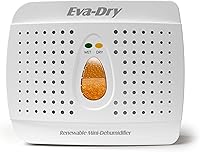
A dehumidifier pulls moist air from your room. It then cools the air to extract the water. This water collects in a reservoir, and drier air is released back into your space. It’s like giving your home a big, refreshing sigh of relief.
Does a Dehumidifier Kill Mold?
While a dehumidifier removes moisture, it does not kill mold. Mold spores need moisture to reproduce and spread. By drying out the air, you stop mold from expanding. However, the existing mold colonies still remain. They are just dormant or inactive.
Stopping Future Mold Growth
The primary benefit of a dehumidifier is its ability to prevent new mold from forming. It also stops inactive mold from reactivating. Regular use creates an environment where mold simply cannot thrive. This is your best defense against recurrence.
The Power of Prevention: Key Strategies for a Dry Home
Preventing mold is far easier than dealing with an infestation. A dehumidifier is a powerful ally. Yet, it works best when combined with other smart habits. Let’s look at how to keep your home dry and mold-free.
Key Strategies for a Dry Home
Think of mold prevention as a team effort. Your dehumidifier leads the charge. But other actions play important supporting roles. These steps help maintain a consistently dry environment.
Dehumidifier Placement Tips
Where you put your dehumidifier matters. Place it in the dampest areas of your home. Basements, crawl spaces, and bathrooms are common spots. Ensure it has enough space around it for good airflow. This helps it work most efficiently.
Choosing the Right Dehumidifier
Selecting the correct size and type is vital. A unit that is too small won’t keep up. One that is too large might cycle unnecessarily. We found that matching the dehumidifier’s capacity to your room size and humidity level is key.
| Area Size (Sq Ft) | Mild Damp (Pints/Day) | Moderate Damp (Pints/Day) | Very Damp (Pints/Day) |
|---|---|---|---|
| Up to 500 | 10-14 | 14-18 | 18-22 |
| 500-1000 | 18-22 | 22-26 | 26-30 |
| 1000-1500 | 26-30 | 30-35 | 35-40 |
| 1500-2000 | 35-40 | 40-45 | 45-50 |
Finding the Mold Source
Before you even think about cleaning, find out where the moisture is coming from. Is it a leaky pipe? Poor ventilation? A damp basement? Solving the moisture problem is the first and most important step. Otherwise, mold will keep coming back.
Cleaning Up Small Mold
For small areas (less than 10 square feet, about a 3×3 patch), you can often handle it yourself. Wear protective gear like gloves and a mask. Use a stiff brush with soap and water, or a mold cleaner. Make sure to dry the area completely afterward. Many guidelines point to physical removal as a good first step (CDC).
When to Call a Professional
If the mold patch is large, covers walls, or is hidden behind surfaces, it’s time for experts. Mold remediation specialists have the right equipment and training. They can safely remove mold and prevent its spread. Don’t try to tackle large mold infestations yourself. This is especially true if you suspect toxic mold (Mayo Clinic).
Why Mold is a Concern
Mold can impact your home’s structure. It can also affect indoor air quality. Many people experience symptoms like sneezing, coughing, or eye irritation when exposed to mold spores. Children, the elderly, and those with respiratory issues are often more sensitive.
Beyond Dehumidifiers: Other Tools for a Mold-Free Home
Think of these as your supplementary mold-fighting squad. They work alongside your dehumidifier. Each has a specific role in keeping your indoor environment healthy.
- Improve Ventilation: Use exhaust fans in bathrooms and kitchens. Open windows when weather permits. Good airflow helps reduce humidity.
- Fix Leaks Promptly: Don’t let leaky pipes or roofs linger. Even small leaks can create a perfect breeding ground for mold in hidden spots.
- Clean Spills Immediately: Act fast on any water spills. The quicker you dry things, the less chance mold has to take hold.
- Monitor Indoor Plants: Some plants can increase humidity. Don’t overwater them. Ensure good drainage.
- Check Gutters and Downspouts: Make sure they direct water away from your home’s foundation. This prevents water from seeping into your basement.
Regular Dehumidifier Maintenance
Your dehumidifier needs care too. Empty the water tank regularly. Clean the air filter as directed by the manufacturer. A clogged filter makes the unit work harder. It also makes it less effective at removing moisture. This simple step ensures your machine runs efficiently. It keeps your air consistently dry.
Conclusion
While a dehumidifier is a champion in the fight against mold, it’s not a magic wand for existing growth. Its superpower lies in prevention and halting spread. By keeping your home’s humidity in check, you create a hostile environment for mold spores. Always remember to physically remove existing mold and address any underlying moisture issues. Combine these efforts with your dehumidifier. You’ll enjoy a drier, healthier, and much more comfortable living space. Take these steps, and you’ll be well on your way to a mold-free home. You’ll breathe easier knowing you’ve taken control.
Frequently Asked Questions About Dehumidifiers and Mold
How quickly does a dehumidifier affect mold growth?
A dehumidifier starts to reduce air moisture almost immediately. Within a few days, you should notice a significant drop in humidity levels. This change rapidly slows down and stops new mold growth, preventing existing mold from becoming active again.
Can I use a dehumidifier to dry out a water-damaged area?
Yes, a dehumidifier is excellent for drying out areas after minor water damage, like a small spill or leak. However, for significant flooding or prolonged water damage, you might need stronger industrial-grade drying equipment and professional help to prevent mold entirely.
What is the optimal humidity level to prevent mold?
To effectively prevent mold growth, research and found that the optimal indoor humidity level should be maintained between 30% and 50%. Levels above 60% create ideal conditions for mold to thrive, while levels below 30% can cause discomfort or damage to wood furnishings.
Do dehumidifiers help with moldy smells?
Yes, by removing excess moisture from the air, a dehumidifier can significantly reduce or eliminate the musty odors often associated with mold. However, if a strong moldy smell persists after humidity reduction, it indicates that active mold growth is still present and needs physical removal.
Is mold gone for good once humidity is controlled?
Controlling humidity is crucial for stopping mold. However, dormant mold spores can reactivate if moisture levels rise again. Therefore, it’s essential to not only control humidity but also to physically remove any visible mold and fix any water leaks to ensure it doesn’t return.