How Long Should AC Run to Dehumidify?
To effectively dehumidify your home, your AC should ideally run for at least 15 to 20 minutes in each cycle, or longer during very humid conditions. This allows enough time for the coils to cool down and remove moisture from the air.
Many HVAC experts suggest that a longer, slower cycle is more efficient for dehumidification than frequent, short bursts, as it gives the system adequate time to fully engage its moisture-removing capabilities.
Looking for the quick rundown on AC dehumidification? Here’s what you need to know:
- Your AC needs to run for longer cycles (15-20 minutes minimum) to truly pull moisture out of the air.
- Short cycling is bad for dehumidification and can harm your unit.
- Consider factors like humidity levels, outside temperature, and your home’s insulation.
- Maintaining your AC helps it dehumidify better and saves energy.
- Sometimes, a dedicated dehumidifier is the best solution for extreme humidity.
How Long Should AC Run to Dehumidify?
Your AC needs to run for longer, consistent cycles, typically 15 to 20 minutes or more, to effectively remove humidity from your indoor air. This duration allows the evaporator coil to get cold enough to condense water vapor.
Why Does AC Dehumidify Anyway?
Think of your AC as a hardworking sponge. As warm, humid air passes over its cold coils, the moisture in the air condenses into water. This water then drains away, leaving you with cooler, drier air.
It’s a natural part of the cooling process. Your AC doesn’t just lower the temperature; it also plays a key role in managing your indoor humidity levels. We found that this dual function is often overlooked.
The Magic of Longer Cycles
When your AC runs for an extended period, the evaporator coil gets truly cold. This sustained cold temperature is what allows it to pull more moisture from the air. It’s like letting a sponge sit in water for a bit to really soak it up.
A longer run time means more air passes over those cold coils, leading to greater dehumidification. You get a much more comfortable home, often feeling cooler even at a slightly higher temperature setting (EPA).
Short Cycles: The Dehumidifying Dilemma
If your AC turns on and off too frequently, it’s called short cycling. This is a common issue that really hurts dehumidification efforts. The coils don’t get cold enough for long enough to do their job properly.
Short cycling also puts extra strain on your AC system, potentially shortening its lifespan and increasing energy bills. It’s important to address why your AC might be short cycling if you notice this happening.
Factors Affecting Run Time for Dehumidification
Several things influence how long your AC needs to run to keep humidity down. Understanding these helps you optimize your system for maximum comfort and efficiency.
Outside Humidity Levels
On very muggy days, your AC will naturally need to run longer to combat the high moisture content outdoors. The system has to work harder to achieve your desired indoor humidity. This is especially true in summer months.
Your Home’s Insulation and Air Sealing
A well-insulated and properly sealed home keeps humid outdoor air from sneaking inside. If your home has poor insulation or drafts, your AC will struggle to keep humidity low, needing to run for much longer periods.
AC Unit Size and Efficiency
An AC unit that’s too large for your space might cool too quickly and short cycle, hindering dehumidification. An appropriately sized and efficient unit can run longer, providing better moisture control (Energy.gov).
Indoor Temperature Preference
If you like your home very cool, your AC will run more often, and for longer. This usually helps with dehumidification too. Finding the right balance for your comfort is important.
How to Spot High Humidity Indoors
Not sure if your home is too humid? Here are some common signs that your AC might not be doing enough moisture removal:
- A stuffy or sticky feeling in the air.
- Condensation on windows or cold surfaces.
- Musty odors, especially in basements or bathrooms.
- Visible mold or mildew growth on walls or ceilings.
- Peeling paint or wallpaper.
- Wood furniture feeling damp to the touch.
Ideal AC Settings for Moisture Control
Many experts recommend setting your thermostat fan to “auto” rather than “on” for better dehumidification. When the fan is “on,” it can blow moisture back into the air after the cooling cycle.
Keeping your thermostat set at a consistent temperature, rather than constantly adjusting it, also helps. This allows your AC to maintain steady humidity removal. We found that a good starting point is around 75°F.
AC Settings for Humidity Control
| Setting | Impact on Dehumidification | Why It Matters |
|---|---|---|
| Fan Mode: Auto | Optimal | Ensures collected moisture drains, prevents re-evaporation. |
| Fan Mode: On | Suboptimal | Blows moisture from wet coils back into your home. |
| Thermostat: Consistent | Better | Allows for longer, more effective dehumidifying cycles. |
| Thermostat: Fluctuating | Poor | Causes short cycles, coils don’t get cold enough. |
When Your AC Isn’t Enough: Considering a Dehumidifier
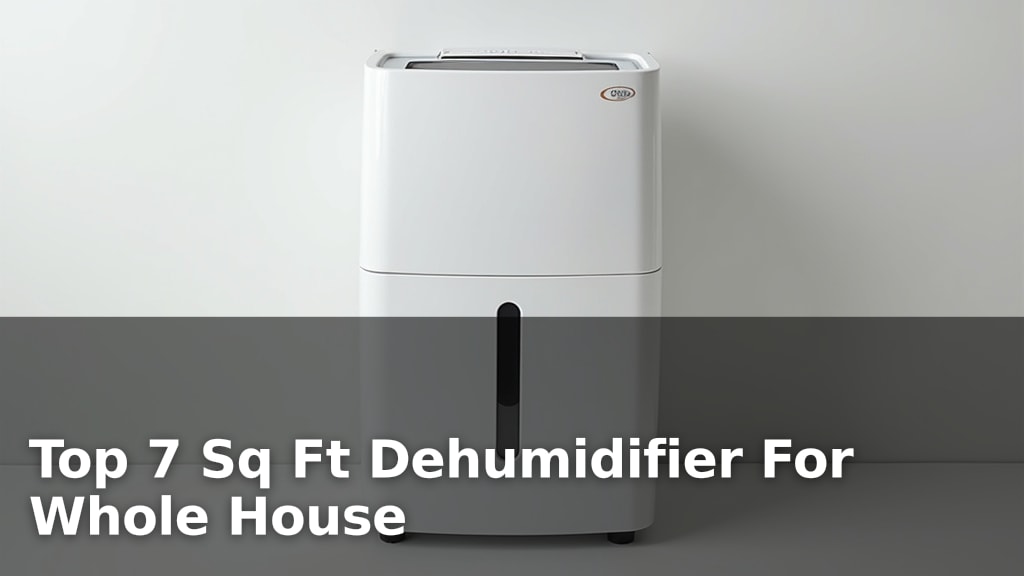
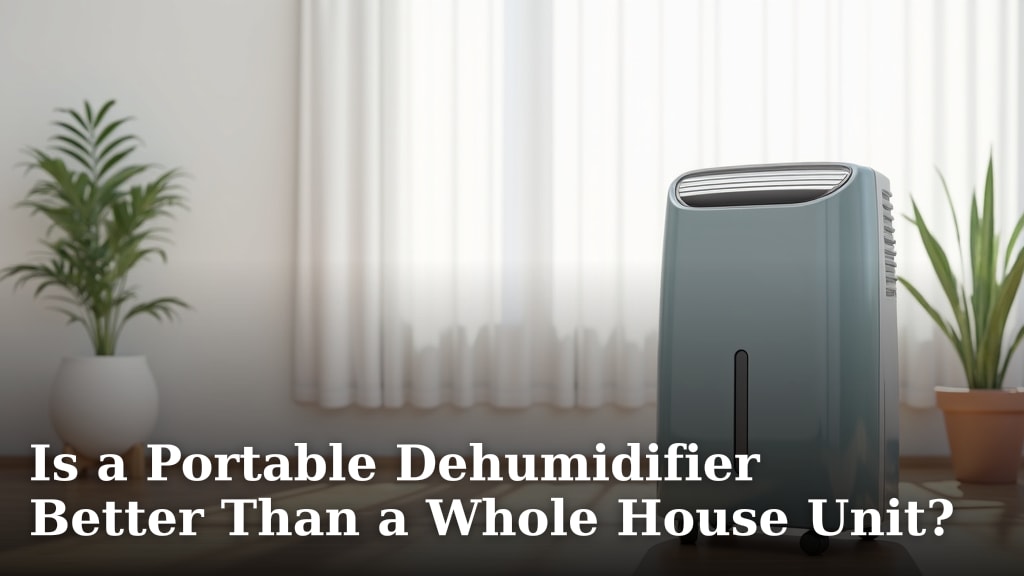
Sometimes, even a perfectly running AC can’t handle extreme humidity. If you live in a very damp climate or have specific problem areas like a basement, a dedicated dehumidifier might be your best option for comfort.
A standalone dehumidifier is designed solely to remove moisture, not to cool the air. This makes it incredibly efficient at its job, often working in tandem with your AC to create a truly balanced environment.
Benefits of a Dedicated Dehumidifier
Adding a dehumidifier can offer significant advantages. It can specifically target and reduce humidity levels, which may make your home feel much more comfortable. This often helps you feel cooler without lowering the AC temperature.
Research suggests that maintaining indoor humidity below 60% can deter mold growth and dust mites (CDC). A dedicated unit can help you achieve these healthier humidity levels with precision.
Tips to Help Your AC Dehumidify Better
You can take proactive steps to ensure your AC performs its best at removing moisture. These small changes can make a big difference in your comfort.
- Schedule regular AC maintenance: A clean system with properly charged refrigerant works more efficiently.
- Clean or replace air filters: Clogged filters restrict airflow, making dehumidification harder.
- Seal air leaks: Prevent humid outdoor air from entering your home through gaps around windows and doors.
- Use exhaust fans: Always run bathroom and kitchen fans to vent moisture-laden air outside.
- Keep interior doors open: This helps air circulate freely, allowing your AC to condition the entire space.
- Avoid setting the thermostat too high: If the AC doesn’t run, it won’t dehumidify.
Conclusion
Your AC is a powerful tool for both cooling and dehumidifying your home. The key to effective moisture removal lies in allowing it to run for sufficiently long cycles. Understanding the factors that influence this run time and taking simple preventative steps can greatly improve your indoor comfort.
While your AC does a fantastic job, sometimes a dedicated dehumidifier provides the extra help needed for truly damp environments. By combining smart AC usage with good home habits, you can create a healthier, drier, and much more pleasant living space for yourself and your family.
How do I know if my AC is dehumidifying properly?
You can tell if your AC is dehumidifying well by observing condensation on windows, a sticky feeling in the air, or musty smells. If you have a hygrometer, aim for an indoor humidity level between 40-60%.
Will running my AC constantly improve dehumidification?
Running your AC constantly might cool your home, but it’s not always the most efficient way to dehumidify. Longer, consistent cycles with adequate off-time for drainage are generally better than continuous, low-level running.
Does setting my AC to a lower temperature help with humidity?
Yes, setting your AC to a lower temperature usually makes it run longer, which can help remove more moisture. The colder coils condense more water vapor, leading to a drier feeling inside your home.
Can a dirty AC filter affect dehumidification?
Absolutely! A dirty AC filter restricts airflow over the evaporator coils. This reduces the AC’s ability to pull moisture out of the air effectively and can make your system work harder for less comfort.
Is it better to use “Dry Mode” on my AC if it has one?
If your AC has a “Dry Mode,” it’s often more efficient for dehumidification than just lowering the temperature. This mode typically runs the fan at a lower speed and cools just enough to condense moisture, without overcooling your home.