
How Much Does a Good Dehumidifier Cost?
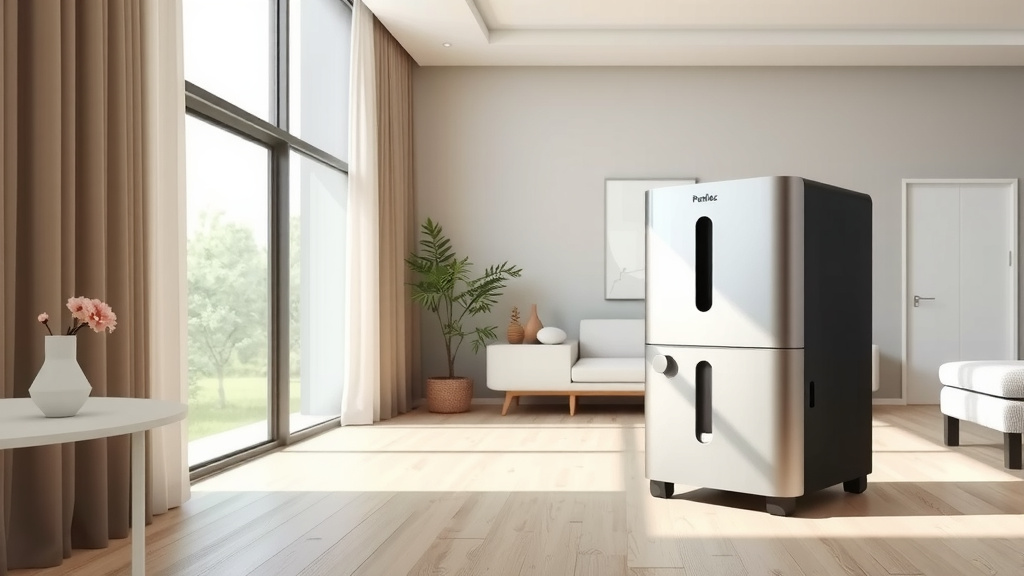
A good dehumidifier can cost anywhere from $150 for a basic, compact model up to $500 or more for larger, feature-rich units. The exact price you pay for a dehumidifier depends heavily on its capacity, features, and the brand you choose.
For a quick overview of dehumidifier costs:
- Entry-level compact dehumidifiers generally cost between $150 and $250, suitable for small rooms.
- Mid-range models, which are popular for most homes, typically fall in the $250 to $400 bracket.
- High-capacity or smart dehumidifiers can command prices from $400 to over $500, offering premium features and performance.
- Remember to consider energy consumption and filter costs beyond the initial price tag.
How Much Does a Good Dehumidifier Cost?
Expect to pay between $150 and $500 for a quality dehumidifier, with prices varying based on the unit’s capacity and features. Your specific needs will guide you toward the right price point.
Understanding Dehumidifier Price Ranges
When you’re looking for a dehumidifier, you’ll quickly notice a wide range of prices. This range isn’t arbitrary; it reflects different capabilities and sizes. We found that most people find their ideal unit within a few common categories.
Entry-Level Options: The Basics
These dehumidifiers are often smaller and more portable. They’re perfect for tackling dampness in confined spaces like small bathrooms, closets, or laundry rooms. You can typically find these units for around $150 to $250.
They usually have simpler controls and a smaller water tank. Think of them as your first line of defense against minor humidity issues. They are a cost-effective solution for localized problems.
Mid-Range Models: More Power, Better Features
This is where most homeowners find themselves. Mid-range dehumidifiers generally cost between $250 and $400. They offer a good balance of capacity and features.
These units can handle larger rooms, basements, or even small apartments. You’ll often find features like an auto-humidistat, timer functions, and perhaps a continuous drain option. Many experts say these models offer the best value for many households.
High-End Dehumidifiers: Premium Performance
If you have a very large space, a whole-house humidity problem, or desire advanced features, you’ll look at high-end models. These often start around $400 and can go upwards of $500 or more.
They boast large capacities, smart home integration, advanced filtration, and quieter operation. Research often connects these units with homes that have persistent, widespread humidity challenges (Energy Star).
What Influences Dehumidifier Pricing?
It’s natural to wonder why some dehumidifiers cost so much more than others. Several key factors contribute to the price tag. Understanding these can help you make a smart purchase.
Capacity Matters Most
The single biggest factor is a dehumidifier’s capacity, measured in pints per day. This tells you how much moisture the unit can remove in 24 hours. A higher pint rating means it can handle larger or wetter spaces, and therefore, it costs more.
Think of it like buying a car: a smaller engine costs less than a powerful one. We found that matching the capacity to your room size is essential for both effectiveness and cost efficiency. For example, a 50-pint unit costs more than a 30-pint one.
| Capacity (Pints/day) | Recommended Room Size (Approx.) | Approximate Cost Range |
|---|---|---|
| 20-30 Pints | Small rooms (500-1500 sq ft) | $150 – $250 |
| 40-50 Pints | Medium rooms (1500-2500 sq ft) | $200 – $350 |
| 60-70 Pints | Large rooms/basements (2500+ sq ft) | $300 – $500+ |
Feature Set and Technology
More advanced features naturally push the price up. Do you want a dehumidifier you can control from your phone? That’ll cost you more. An integrated pump for continuous drainage, instead of manually emptying a bucket, also adds to the price.
Other features like multiple fan speeds, digital controls, automatic defrost, and quiet operation can all affect the final cost. These can offer greater convenience and efficiency, but they come at a premium.
Brand Reputation and Warranty
Just like with any appliance, certain brands have a reputation for quality and reliability. Established brands often invest more in research and development, which can mean a more efficient or durable product.
A longer or more comprehensive warranty also tends to correlate with a higher price. We found that reputable brands often provide better customer support and peace of mind, which can be worth the extra cost for many buyers.
Is a More Expensive Dehumidifier Always Better?
Not necessarily! While higher prices often mean more features or capacity, it doesn’t always translate to “better” for your specific situation. It’s about finding the right balance for your home and budget.
Buying an oversized, expensive unit for a small, slightly damp closet would be overkill. Similarly, a cheap, small unit won’t cut it for a persistently wet basement. It’s about a thoughtful match.
When to Invest in a Premium Model
Consider a premium dehumidifier if you have a very large basement, a whole-house humidity issue, or if you live in an extremely humid climate. If you need it to run continuously and quietly, investing more upfront can save you headaches later.
If you value smart features, advanced filtration for allergens, or superior energy efficiency, a higher-priced model is likely the better long-term choice. Many experts point to the energy savings as a key benefit of more efficient units (Energy Star).
When a Budget-Friendly Option is Enough
A less expensive dehumidifier is perfect for small, isolated damp spots. Maybe your bathroom gets muggy after showers, or a small storage area feels a bit musty. These situations don’t require heavy-duty performance.
If you only need it seasonally, or if you don’t mind manually emptying a water bucket, a budget-friendly option can be perfectly effective and save you money. Don’t overspend if your needs are modest.
Beyond the Sticker Price: Operating Costs
The initial purchase price is just one piece of the puzzle. Dehumidifiers use electricity, and that adds to your monthly utility bill. The energy efficiency rating of a unit can significantly impact your long-term costs.
Look for Energy Star certified models; they are designed to be more efficient. Also, consider the cost of replacement filters, though these are typically inexpensive and needed only every few months or annually.
- Initial Purchase Price: What you pay at the store.
- Energy Efficiency: Look for Energy Star ratings to save on electricity.
- Filter Replacement: Most units need new filters annually, a minor cost.
- Drainage Options: Continuous drainage avoids manual bucket emptying.
- Noise Level: Quieter models often cost more but enhance comfort.
- Warranty Length: A longer warranty offers greater peace of mind.
Conclusion
Choosing a good dehumidifier doesn’t have to break the bank, but understanding the price factors is key. Expect to spend anywhere from $150 to over $500, depending on capacity, features, and brand reputation. Prioritize capacity for your space and then consider the features that truly matter to you. By balancing your needs with your budget, you can find an effective dehumidifier that keeps your home comfortable without unnecessary expense. Remember, the right dehumidifier is the one that best suits your unique situation and effectively tackles your humidity challenges.
How much electricity does a dehumidifier use per month?
The electricity usage varies greatly by model and how often it runs, but a typical 50-pint dehumidifier running 12 hours a day might add $20 to $50 to your monthly electricity bill. Energy Star certified models use less power.
Can I use a small dehumidifier for a large basement?
Using a small dehumidifier in a large basement is generally not effective. It will struggle to remove enough moisture, run constantly, and likely waste more energy without achieving desired results. It’s better to match the unit’s capacity to the room size for efficient operation.
Are smart dehumidifiers worth the extra cost?
Smart dehumidifiers, which connect to Wi-Fi and allow app control, can be worth the extra cost for convenience. You can monitor humidity and adjust settings remotely, which is great for vacation homes or frequently changing conditions. If you value remote control and integration, they offer good value.
How often should I empty the water bucket on my dehumidifier?
How often you empty the water bucket depends on the unit’s capacity and the humidity level in your space. In very damp conditions, you might need to empty it daily or even twice a day. Many units have an auto-shutoff feature when the bucket is full, preventing overflows.
What is the ideal humidity level for a home?
Many experts agree that the ideal indoor humidity level for comfort and health is between 30% and 50%. Maintaining this range helps prevent mold growth, dust mites, and helps preserve your home’s structure and furnishings. Research often links higher humidity with increased allergen issues (CDC).
