Does a Dehumidifier Make AC More Efficient?
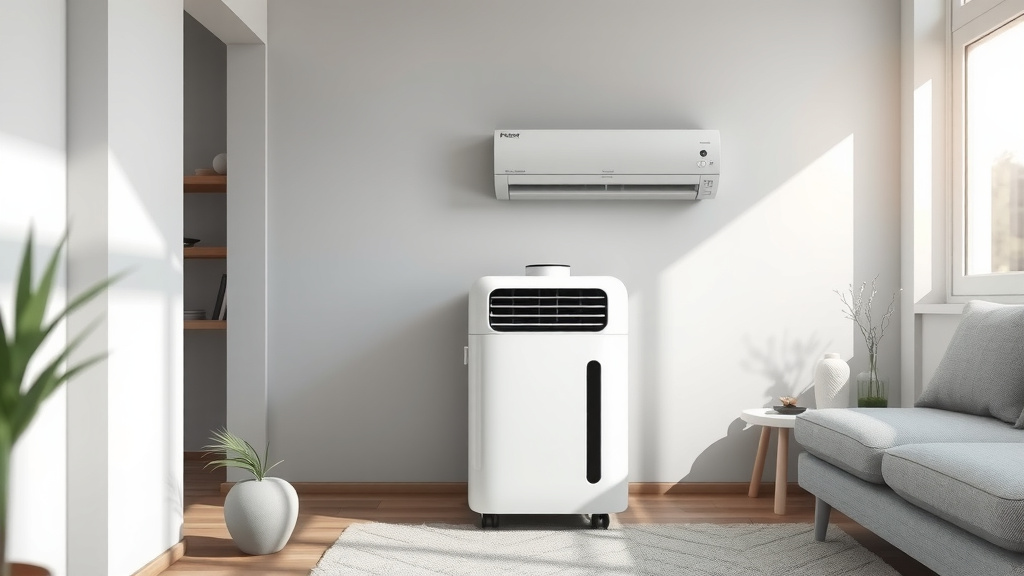
Yes, a dehumidifier can make your AC more efficient by removing moisture from the air, which allows your air conditioner to focus solely on cooling.
When a dehumidifier handles the humidity, your AC doesn’t have to work as hard to achieve your desired temperature, potentially saving you energy and money.
Here’s the quick lowdown on how a dehumidifier can team up with your AC:
- You feel cooler when humidity is lower, even at a higher thermostat setting.
- Less humidity means your AC spends less effort pulling moisture out of the air.
- Your AC can then cool more effectively, without struggling against heavy, damp air.
- This teamwork can lead to lower energy bills and a more comfortable home.
- It also helps protect your home from moisture-related issues like mold.
Does a Dehumidifier Make AC More Efficient?
Absolutely, yes. A dehumidifier plays a real helper role for your air conditioning unit, making it run much more efficiently.
How Your AC Works with Humidity
Think about how your air conditioner usually works. It doesn’t just cool the air; it also has to remove some moisture. This is why you see water draining from your AC unit.
Your AC uses energy for both cooling and dehumidifying. When the air is very humid, your AC works extra hard on the dehumidifying part, which uses more power.
The Hidden Burden of High Humidity
High humidity makes the air feel sticky and heavy. It’s like wearing a wet blanket on a hot day, right?
When the air holds a lot of moisture, your AC struggles to cool it down effectively. We found that high humidity can trick you into setting your thermostat lower than needed (NIH).
What Happens When Air is Too Humid?
If your home’s air is too humid, you might feel uncomfortable even when your AC is running. Your skin feels clammy, and the air just doesn’t feel crisp.
This discomfort often leads you to turn the thermostat down even further. This forces your AC to work harder and longer, using more energy and increasing your utility bills.
Dehumidifiers to the Rescue!
A dehumidifier’s main job is simple: pull moisture out of the air. It’s like a moisture magnet for your home.
When it removes excess humidity, it creates a much drier, more comfortable environment. This is where the magic happens for your AC.
How a Dehumidifier Helps Your AC
By taking on the task of removing humidity, the dehumidifier frees up your AC. Your AC can then focus almost entirely on cooling the air.
This division of labor means both appliances work smarter, not harder. Many experts say this approach is very effective for comfort and energy savings.
Less Work for Your Air Conditioner
Imagine your AC trying to run a race with ankle weights on. High humidity is those ankle weights. A dehumidifier removes them.
With less moisture to deal with, your AC runs for shorter periods and uses less energy to reach your set temperature. This is a win for your wallet.
Feeling Cooler at Higher Temps
One of the best advantages is how you feel. Dry air feels cooler than humid air, even at the same temperature.
You might find yourself comfortable at 75°F with a dehumidifier running, instead of needing 72°F without one. That small temperature difference saves a lot of AC energy.
The Science of Comfort: Relative Humidity
Relative humidity is a key factor in how comfortable you feel. It’s the amount of water vapor in the air compared to the maximum it can hold at that temperature.
Your body cools itself by sweating. When humidity is high, sweat doesn’t evaporate as easily, making you feel hotter and stickier.
Ideal Humidity Levels for Your Home
What’s the sweet spot for humidity? Research often connects comfortable living with relative humidity levels between 30% and 50% (CDC).
Maintaining these levels helps your AC and makes your home feel much better. It also helps prevent problems related to too much moisture.
| Relative Humidity Level | Impact on Comfort & AC |
|---|---|
| Below 30% | Can feel too dry; dry skin, static electricity. |
| 30% – 50% | Ideal comfort zone; AC works efficiently. |
| Above 50% | Feels sticky, muggy; AC struggles with moisture. |
| Above 60% | Very uncomfortable; potential for mold and mildew. |
Choosing the Right Dehumidifier
Selecting the right dehumidifier for your home is important. A unit that’s too small won’t do enough, and one too large might use extra energy.
Consider the size of the area you need to dehumidify and the typical humidity levels in your region.
Types of Dehumidifiers
You’ll generally find two main types: portable units and whole-house systems. Each has its own benefits depending on your specific needs.
Portable units are great for specific rooms or areas, while whole-house systems offer complete home moisture control.
Whole-House vs. Portable Units
A whole-house dehumidifier integrates with your HVAC system. It treats the air throughout your entire home. Many homeowners find this option convenient for consistent comfort.
Portable dehumidifiers are standalone units you can move from room to room. They are perfect for basements, specific damp rooms, or apartments. Just remember to empty the water reservoir regularly or connect a drain hose.
When placing a portable dehumidifier, consider these tips:
- Place it in the dampest area of the room.
- Keep it away from walls and furniture to allow good airflow.
- Ensure windows and doors in the room are closed.
- Avoid placing it near vents that blow cool air directly onto it.
- Elevate it slightly if possible, especially in basements.
Benefits Beyond AC Efficiency
While helping your AC is a big plus, dehumidifiers offer many other advantages. They create a healthier and more comfortable living space for you.
These units are more than just AC helpers; they are home protectors.
Protecting Your Home and Health
Excess humidity can cause big problems. It encourages the growth of mold and mildew, which can damage your home and impact air quality (Mayo Clinic).
A dehumidifier helps prevent these issues. It reduces musty odors, protects wood furniture and floors, and even helps keep dust mites at bay.
Potential Drawbacks to Consider
No appliance is without its considerations. While dehumidifiers offer great benefits, it’s wise to think about a few things before buying one.
Understanding these points helps you make a well-informed decision for your home.
Energy Use and Maintenance
Dehumidifiers do use electricity. A larger unit running constantly will add to your energy bill, though often less than an overworked AC.
You also need to maintain them. This means regularly emptying the water bucket or ensuring the drain hose works. Filters also need cleaning or replacing, much like an AC filter.
Making the Most of Both Appliances
The key to energy savings and comfort is knowing when and how to run your dehumidifier and AC together. It’s all about balance.
You want them to complement each other, not compete.
When to Run Them Together
On very hot and humid days, running both is often the best strategy. Let the dehumidifier tackle the moisture, and the AC handle the cooling.
During milder, damp days, you might only need the dehumidifier. Many people set their dehumidifier to a specific humidity level, like 45%, and let it run as needed.
Conclusion
Running a dehumidifier alongside your air conditioner is a smart move for many homeowners. It helps your AC run more efficiently, reduces your energy bills, and makes your home feel much more comfortable.
Beyond savings, you gain a healthier living environment by preventing mold and mildew. Consider adding a dehumidifier to your home’s comfort arsenal; it’s a small investment that can make a big difference.
Are Dehumidifiers Expensive to Run?
The running cost of a dehumidifier varies based on its size, efficiency, and how often it runs. Smaller, energy-efficient models are generally more affordable to operate than larger units. Many people find the comfort and AC savings outweigh the dehumidifier’s energy use.
Can a Dehumidifier Replace an AC?
No, a dehumidifier cannot replace an AC. A dehumidifier removes moisture, which can make you feel cooler, but it doesn’t actively cool the air. Its primary function is humidity control, while an AC’s main job is temperature reduction. They work best as a team.
What Humidity Level is Too High for a Home?
Any humidity level consistently above 60% relative humidity is generally considered too high for a home. At these levels, moisture problems like mold, mildew, and musty odors become much more likely. Aim for 30-50% for optimal comfort and home health.
Where is the Best Place to Put a Portable Dehumidifier?
The best place to put a portable dehumidifier is in the dampest room or area of your home. This might be a basement, laundry room, or a particularly humid living space. Place it away from walls and obstructions to allow for good airflow.
Will a Dehumidifier Help with Allergies?
Yes, a dehumidifier can indirectly help with allergies, especially those triggered by dust mites or mold. These common allergens thrive in humid environments. By reducing indoor humidity to recommended levels (below 50%), you make your home less hospitable for them, which can reduce allergy symptoms.