Are Electric Dehumidifiers Worth It?
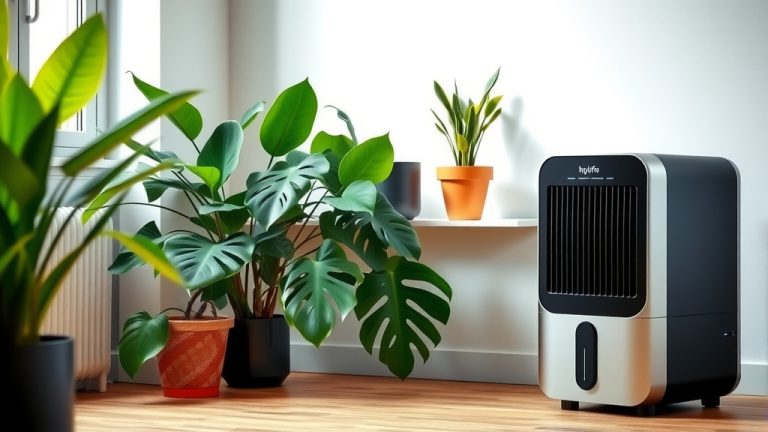
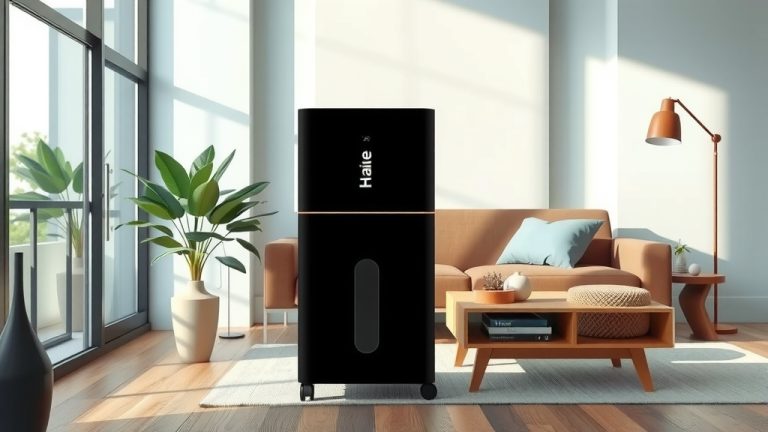
Yes, electric dehumidifiers are often worth the investment, especially if you experience high humidity levels in your home. They protect your property, improve air quality, and enhance overall comfort.
An electric dehumidifier can significantly reduce moisture, preventing mold growth and musty odors, making your living spaces much healthier and more pleasant.
- Electric dehumidifiers effectively tackle excess indoor humidity.
- They prevent issues like mold, mildew, and dust mites, protecting your home.
- You can enjoy better air quality, reduced allergens, and increased comfort.
- Consider room size, energy use, and smart features when choosing yours.
- Proper use and routine maintenance extend their life and effectiveness.
Are Electric Dehumidifiers Worth It?
Yes, for many homeowners, electric dehumidifiers offer clear benefits by controlling excess moisture. They create a healthier and more comfortable indoor environment you’ll truly appreciate.
Imagine walking into your home after a rainy day. Do you feel a sticky, heavy air? That’s excess humidity. A good dehumidifier acts as your silent ally against this feeling.
Why Bother with a Dehumidifier?
You might wonder, “Why do I even need one?” It’s a fair question. The answer lies in protecting your health and your home’s integrity.
High humidity isn’t just uncomfortable; it’s a breeding ground for many problems. Think of it as an open invitation for unwelcome guests in your living space.
Stopping Mold and Mildew
Mold and mildew thrive in damp conditions. These fungi can damage surfaces and release spores into the air, affecting your health (CDC).
A dehumidifier actively removes this excess moisture. This action denies mold its favorite growing conditions, keeping your walls and belongings safe.
Improving Indoor Air Quality
High humidity also encourages dust mites, tiny creatures known to trigger allergies and asthma. They love damp environments (NIH).
By lowering humidity, you make your home less hospitable for these pests. You’ll breathe easier, experiencing a noticeable improvement in air quality.
Protecting Your Home’s Structure
Moisture can warp wooden floors, damage furniture, and peel paint. It’s a silent destroyer that works slowly over time.
Many experts say controlling indoor humidity helps preserve your home’s structure. It’s like giving your house a protective shield against decay.
How Do Electric Dehumidifiers Work?
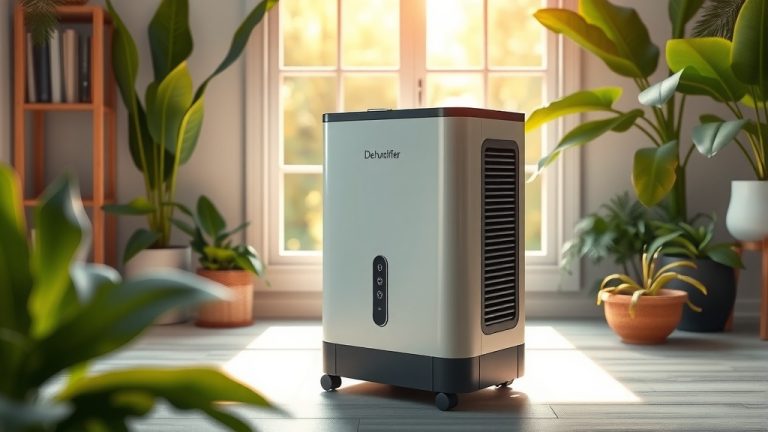
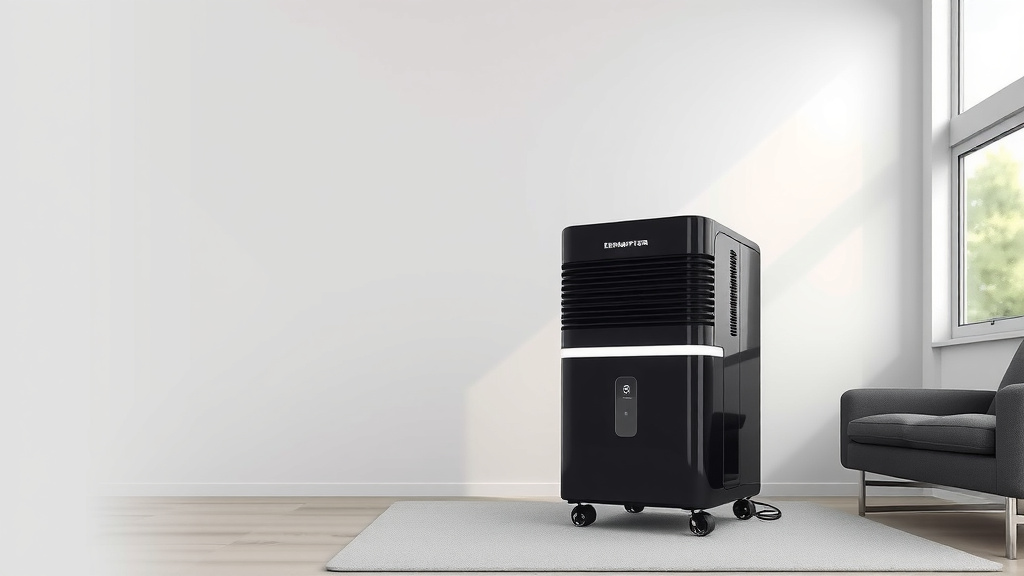
Electric dehumidifiers pull in humid air from your room. Inside, the air passes over cold coils, similar to how your refrigerator works.
As the air cools, the moisture condenses into water droplets, which then collect in a removable bucket. The drier air is then released back into the room.
This cycle continues, progressively reducing the humidity level. It’s a simple yet powerful process for moisture removal.
Different Dehumidifier Types
Not all dehumidifiers are the same. Knowing the main types helps you pick the right one for your specific needs.
The two most common are compressor and desiccant dehumidifiers. They tackle humidity in slightly different ways, making them better for certain situations.
Compressor Dehumidifiers
These are the most common type. They work best in warmer environments, typically above 65°F (18°C).
Compressor models are very efficient in standard home temperatures. They tend to be a bit louder, though many modern units are quieter.
Desiccant Dehumidifiers
Desiccant dehumidifiers use a special material that absorbs moisture. They excel in cooler temperatures, even below 40°F (5°C).
They are often quieter and lighter than compressor models. However, they can be less energy-efficient in warmer settings.
Here’s a quick comparison to help you:
| Feature | Compressor Dehumidifier | Desiccant Dehumidifier |
|---|---|---|
| Best Temperature | Warmer rooms (>65°F / 18°C) | Cooler rooms (<65°F / 18°C) |
| Energy Use | Generally more efficient in warm settings | Can be less efficient in warm settings |
| Noise Level | Can be moderate to noticeable | Often quieter |
| Weight | Heavier due to compressor | Lighter, more portable |
Picking the Perfect Dehumidifier
Choosing the right dehumidifier makes all the difference. It’s not about the biggest or most expensive, but the one that fits your home.
Consider a few key factors to ensure you get the best value and performance from your investment. This prevents both under- and over-sizing.
Room Size Matters
Dehumidifiers are rated by their capacity to remove moisture. This capacity is usually measured in pints per day.
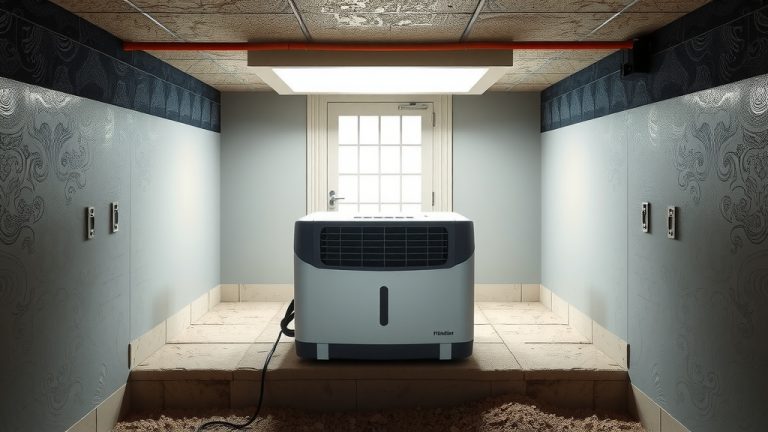
Match the unit’s capacity to your room’s square footage and humidity level. A small unit in a large, damp basement won’t be effective (Energy Star).
Energy Efficiency
Look for the Energy Star label. This indicates that the unit meets certain energy efficiency guidelines. An efficient model can save you money on electricity bills over time.
Extra Features to Look For
Many units come with helpful features. A built-in humidistat automatically maintains your desired humidity level. This means less manual adjustment for you.
Other useful features include an auto-defrost function for cold environments, a washable air filter, and a continuous drainage option (using a hose) so you don’t have to empty the bucket as often.
Keeping Your Dehumidifier Happy
Like any appliance, a little care goes a long way. Regular maintenance keeps your dehumidifier running efficiently and extends its lifespan.
Think of it as giving your hardworking machine a mini spa day. It’s easy and doesn’t take much time at all.
- Check the Water Bucket: Empty it regularly to prevent overflow and mold growth inside the bucket.
- Clean the Air Filter: Wash or replace the filter every few weeks, especially if you use it often. A clean filter ensures good airflow.
- Clean Coils and Grilles: Dust and debris can build up on the coils and air intake/exhaust grilles. Gently wipe them down as needed.
- Ensure Proper Placement: Give your dehumidifier space. Don’t push it against a wall; allow for air circulation around it.
- Read the Manual: Your specific model might have unique care instructions. Always check the manufacturer’s guide.
Are Dehumidifiers Expensive to Run?
This is a common concern. The operating cost of a dehumidifier depends on several factors, including its capacity, your local electricity rates, and how often it runs.
An Energy Star-certified unit will generally use less power. While there is an electricity cost, many homeowners find the benefits of improved comfort and home protection outweigh this expense.
Remember, preventing mold damage or allergy flare-ups can save you money in the long run. Sometimes, a small cost upfront prevents a much larger one later.
Conclusion
Electric dehumidifiers are definitely worth it for many homes struggling with excess moisture. They offer a simple yet effective solution to common indoor humidity problems.
From preventing mold and improving air quality to protecting your home’s structure, the benefits are clear. Choosing the right size and type, coupled with regular maintenance, will ensure your dehumidifier serves you well.
Think of it as an investment in your comfort, health, and the longevity of your home. You’ll likely find yourself wondering how you ever managed without one.
Are electric dehumidifiers noisy?
Modern electric dehumidifiers vary in noise level. Compressor models typically produce a low hum, similar to a refrigerator. Desiccant models tend to be quieter. Manufacturers often list noise levels in decibels, so you can compare before buying.
How long do electric dehumidifiers typically last?
With proper maintenance, a good quality electric dehumidifier can last anywhere from 3 to 8 years. Factors like how often you use it, the humidity levels it handles, and consistent cleaning all play a role in its lifespan.
Can I use an electric dehumidifier in a garage or shed?
Yes, you can use electric dehumidifiers in garages or sheds, but consider the temperature. If the space gets very cold, a desiccant dehumidifier might be a better choice as it performs better in lower temperatures than a compressor model.
What is the ideal humidity level for a home?
Most experts recommend maintaining indoor humidity levels between 30% and 50% relative humidity. This range is ideal for comfort, preventing mold growth, and keeping dust mites at bay (Mayo Clinic).
Do electric dehumidifiers help with pet odors?
While an electric dehumidifier primarily removes moisture, reducing humidity can indirectly help with pet odors. Excess moisture can trap and intensify odors. By drying out the air, you can make your home smell fresher and less musty.