Do Dehumidifiers Produce Ozone?
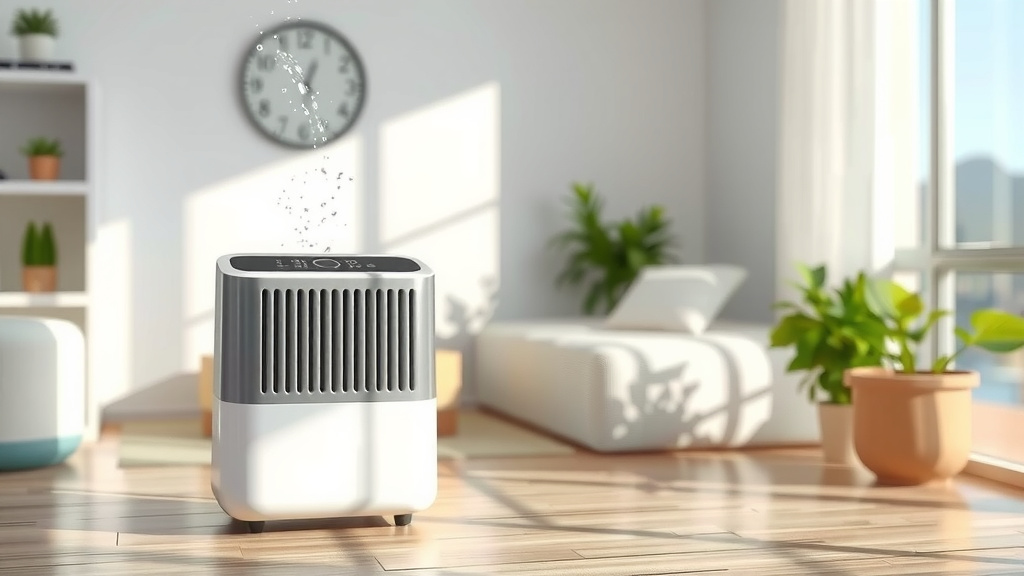
Most modern dehumidifiers do not produce ozone. They are designed to remove moisture from the air without releasing harmful gases.
You can trust that standard compressor or desiccant dehumidifiers are generally ozone-free, ensuring healthier indoor air for your family.
Here’s a quick summary of what we’ll discuss:
- Modern dehumidifiers are built to be ozone-free and safe for your home.
- Ozone generators are different devices, meant for specific tasks, not general air purification.
- Always look for safety certifications like UL to be sure of your appliance’s design.
- Keeping indoor humidity balanced is key for comfort and health.
- Using your dehumidifier properly helps create a much better living environment.
Do Dehumidifiers Produce Ozone?
No, the vast majority of dehumidifiers available today do not produce ozone. They are constructed with different technology to simply pull moisture from the air.
You can rest easy knowing that these common household appliances focus on humidity control, not air purification through ozone generation.
Understanding Ozone: What Is It?
Ozone is a gas, also known as O3, which means it has three oxygen atoms. In the Earth’s upper atmosphere, it protects us from UV rays. Down at ground level, however, it’s a different story.
Ground-level ozone is a harmful air pollutant. It can be quite bad for your health and the environment (EPA).
How Does Ozone Harm You?
When you breathe in ozone, it can irritate your respiratory system. Think of it like a sunburn for your lungs.
It can cause coughing, throat irritation, and chest pain. For people with asthma or other lung conditions, it can make symptoms much worse (American Lung Association).
How Dehumidifiers Work (Without Ozone)
Have you ever wondered what actually happens inside that box? It’s quite clever, really!
Most dehumidifiers work by drawing in humid air over a cold coil. This coil cools the air, causing the moisture to condense into water droplets. The dry air is then released back into your room. It’s a simple, physical process that doesn’t involve any chemical reactions that would produce ozone.
The Two Main Types: Compressor and Desiccant
You’ll mainly find two types of dehumidifiers. Compressor models are like small refrigerators, using refrigerants to cool coils.
Desiccant dehumidifiers use a special material that absorbs moisture. Both methods are safe and don’t create ozone.
Dehumidifiers vs. Ozone Generators: The Big Difference
Here’s where things get important. Dehumidifiers are not the same as ozone generators. They have entirely different functions.
Ozone generators are designed specifically to produce ozone. Some people use them to remove odors, but many experts strongly advise against using them in occupied spaces due to health risks (CDC).
Are There Old Dehumidifiers That Made Ozone?
You might hear stories about older air purifiers that produced ozone. While some older air purifiers did, standard dehumidifiers have not typically operated this way.
It’s always a good idea to check your appliance’s specifications, especially if you have a very old unit.
Checking for Safety: UL Certification
When you’re shopping for any electrical appliance, safety is key. For dehumidifiers, you want to look for certifications from trusted organizations.
The UL (Underwriters Laboratories) certification is a strong indicator that the product has met rigorous safety standards, including tests for ozone emissions. We found that UL listed products are a good choice.
What Other Certifications Should You Look For?
Beyond UL, you might see Energy Star ratings, which tell you about energy efficiency. While not directly about ozone, it shows a commitment to modern, responsible manufacturing.
Always review the product manual and description for any mention of ozone production. Most reputable brands will clearly state if their products are ozone-free.
Maintaining Healthy Indoor Air Quality
Your goal is a comfortable, healthy home. A dehumidifier plays a vital role in this by controlling humidity levels.
High humidity can lead to mold growth, dust mites, and a general stuffy feeling. A well-functioning dehumidifier helps to keep these unwanted issues at bay.
Other Tips for Better Air
Beyond your dehumidifier, consider regular cleaning, good ventilation, and using air filters in your HVAC system. These actions combined create a much healthier environment.
Small changes can make a big difference in the air you breathe every day.
Benefits of an Ozone-Free Dehumidifier
By using a modern, ozone-free dehumidifier, you gain several advantages. You protect your family’s health from respiratory irritants. You also safeguard your home from moisture damage.
Enjoy cleaner, fresher air and a more comfortable living space, knowing your appliance is doing its job safely and effectively.
Quick Safety Checklist for Your Dehumidifier
To ensure your dehumidifier is running safely and efficiently, consider these points:
- Read the user manual thoroughly.
- Ensure proper clearance around the unit for airflow.
- Empty the water reservoir regularly or connect a drain hose.
- Clean the air filter often to maintain efficiency.
- Check for a UL safety listing before purchase.
Dehumidifier vs. Ozone Generator Comparison
Let’s clear up any confusion with a simple comparison:
| Feature | Dehumidifier | Ozone Generator |
|---|---|---|
| Main Function | Removes moisture from air | Produces ozone gas |
| Ozone Production | No | Yes |
| Health Impact | Improves air comfort (no ozone risk) | Respiratory irritation (ozone risk) |
| Recommended Use | Everyday home use | Specialized, infrequent use (unoccupied spaces) |
Conclusion
So, do dehumidifiers produce ozone? For the vast majority of modern units you’ll encounter, the answer is a reassuring no. These appliances are designed with your safety and comfort in mind, focusing purely on moisture removal.
By choosing a certified, well-maintained dehumidifier, you’re not just drying out your home; you’re actively contributing to a healthier, more pleasant living space without any concerns about ozone. Breathe easy!
Are All Dehumidifiers Ozone-Free?
Almost all modern dehumidifiers are designed to be ozone-free. It’s a key safety feature for appliances used in homes. Always check for certifications like UL to confirm the product’s safety standards.
Can a Dehumidifier Improve Air Quality?
Yes, indirectly. By reducing excessive humidity, a dehumidifier helps prevent mold, mildew, and dust mites, which can all negatively affect air quality and trigger allergies or asthma symptoms. It doesn’t purify air directly, but it removes a primary cause of indoor air problems.
What are the Signs of High Humidity in a Home?
You might notice a musty odor, condensation on windows, clammy air that feels heavier than usual, or even visible mold spots on walls or ceilings. These are all indicators that your home could benefit from a dehumidifier.
How Often Should I Clean My Dehumidifier?
We found that cleaning the air filter every two weeks to a month, depending on use, is a good practice. The water bucket should be emptied and cleaned regularly to prevent mildew buildup. This helps maintain efficiency and prevents odor.
Is Running a Dehumidifier All the Time Safe?
Yes, running a modern dehumidifier continuously is generally safe, especially if you have a model with a continuous drain option. Most units have automatic shut-offs when the desired humidity level is reached or the bucket is full, ensuring safe and efficient operation.