How to Use a Dehumidifier in a Basement?

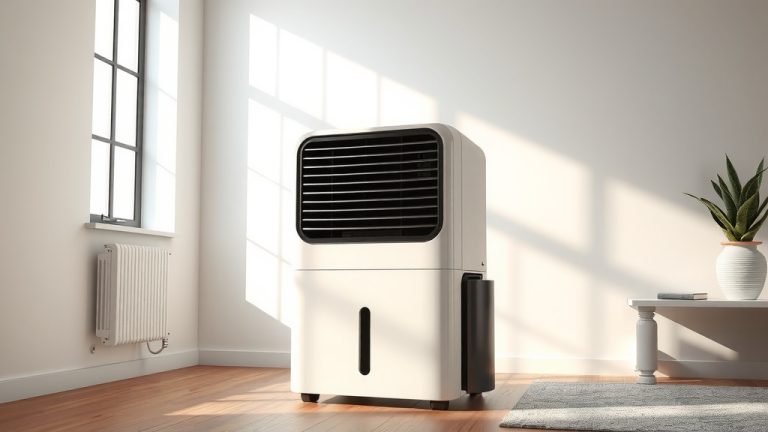
To use a dehumidifier in a basement, you simply need to place it in a central location, set your desired humidity level, and let it run. This helps prevent moisture problems like mold and musty odors, keeping your basement more comfortable and healthier.
Basements are naturally damp, creating an ideal environment for excess humidity. A good dehumidifier not only protects your belongings but also improves air quality, making your space much more pleasant. It’s a key tool for basement moisture control.
TL;DR
- Place the dehumidifier in a central basement area.
- Set the humidity level to 50% or lower.
- Empty the water tank regularly or use a drain hose.
- Clean the air filter often for best performance.
- Dehumidifiers prevent mold, odors, and structural issues.
Let’s walk through exactly how to set up and maintain your dehumidifier for a dry, healthy basement.
Setting Up Your Dehumidifier for Basement Success
Getting your dehumidifier running efficiently is easier than you might think. We’ll walk you through each step. This ensures your basement stays dry and healthy.
Choosing the Right Spot for Your Dehumidifier
Where you place your dehumidifier makes a big difference. Think about its job: pulling moisture from the air. This unit needs to be in a place where it can work effectively.
Central Location is Key
Imagine a lighthouse. It shines light in all directions. Your dehumidifier needs to “shine” its drying power similarly. Place it in the most central area of your basement. This allows it to draw moisture from all corners. Avoid putting it in a tucked-away corner or against a wall. This limits its reach.
Consider Airflow
Good airflow is vital. Don’t block the intake or exhaust vents. Keep the unit several inches away from walls and furniture. This ensures air can circulate freely. Think of it like breathing; your dehumidifier needs room to breathe too.
Proximity to a Drain (If Applicable)
If your dehumidifier has a continuous drainage option, consider placing it near a floor drain or utility sink. This saves you from constantly emptying the water tank. It’s a huge convenience factor!
Setting the Ideal Humidity Level
Once your dehumidifier is in place, you need to tell it what to do. This means setting the desired humidity level. This is often called the “set point.”
The “Sweet Spot” for Basements
Most experts, including the EPA, recommend maintaining indoor relative humidity between 30% and 50%. For basements, aiming for 40% to 50% relative humidity is usually ideal. Going below 30% can make the air too dry. This can cause wood to shrink or make your skin feel uncomfortable. Aiming higher than 50% can still allow mold to grow.
Understanding Relative Humidity
Relative humidity is the amount of moisture in the air compared to the maximum amount it can hold. Your dehumidifier has a built-in humidistat. This is like a thermostat for humidity. It measures the current humidity and turns the unit on or off to maintain your set level. It’s quite clever!
Managing the Collected Water
Your dehumidifier is doing its job; it’s collecting water! Now you need a plan for what to do with that water. You have two main methods for this.
Manual Emptying: The Water Bucket Method
Many dehumidifiers come with a built-in collection bucket or tank. This is the simplest way to get started. When the bucket fills up, the unit will automatically shut off. This prevents overflows. You then carry the bucket and empty it. Where do you empty it? A utility sink, toilet, or even outdoors are good options. Just be mindful of how heavy it can get!
Tips for Manual Emptying
- Empty daily: Depending on how damp your basement is, you might need to empty it once or even twice a day.
- Watch for a full indicator: Most units have a light that tells you when the bucket is full.
- Clean the bucket: Periodically, rinse the bucket with a mild bleach solution. This prevents mold or mildew from growing inside.
Continuous Drainage: Set It and Forget It
This is where the magic happens for many. If your dehumidifier has a continuous drainage port, you can attach a hose. This allows the water to drain automatically. No more hauling heavy buckets!
Options for Continuous Drainage
There are a few ways to set up continuous drainage:
- Gravity drain: If your unit can be placed above a floor drain or utility sink, gravity can do the work. Simply attach a standard garden hose to the drainage port. Make sure the hose slopes continuously downwards.
- External condensate pump: What if your drain is higher than your dehumidifier? Or there’s no drain nearby? An external condensate pump is your solution. You place the pump next to your dehumidifier. The pump then actively pushes the water through a small tube to a higher drain point. These pumps are typically small and quiet.
Choosing the right drainage method depends on your basement’s layout and your preference. Continuous drainage is generally more convenient for basements. It means less checking in and more time enjoying your dry space.
Maintaining Your Dehumidifier for Optimal Performance
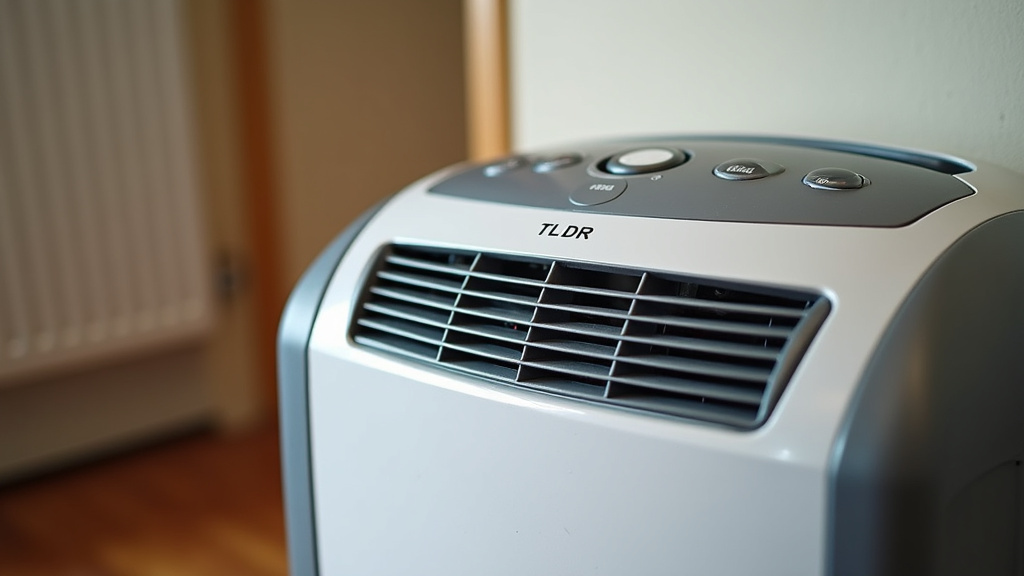
Just like any appliance, your dehumidifier needs a little tender loving care. Regular maintenance ensures it runs effectively and lasts longer. Don’t skip these steps!
Cleaning the Air Filter
This is probably the most important maintenance task. Your dehumidifier pulls in air, and with that air comes dust, pet dander, and other particles. The filter catches these. A dirty filter restricts airflow. This makes your unit work harder and less efficiently. It can also lead to mechanical issues.
How Often to Clean or Replace the Filter
We’ve found that checking the filter every two to four weeks is a good rule of thumb. If you have pets or a particularly dusty basement, check it more often. Most filters are washable. Simply remove it, rinse it under warm water, and let it air dry completely before putting it back. Some older models have disposable filters. In that case, replace it as needed.
Keeping Coils Clean
Beneath the filter, your dehumidifier has evaporator and condenser coils. These look a bit like the coils on the back of your refrigerator. Over time, dust can build up on them. This reduces their ability to cool and condense moisture. A small brush or even a vacuum cleaner with an attachment can usually clean these coils gently. Do this a few times a year. Always unplug the unit first!
General Cleaning and Inspection
Periodically, give the exterior of your unit a wipe down. Look for any unusual noises or signs of wear. Check the power cord for damage. If you’re using continuous drainage, make sure the hose isn’t kinked or clogged. A little bit of attention goes a long way in preventing bigger problems.
Here’s a quick checklist to keep your dehumidifier running smoothly:
- Check air filter every 2-4 weeks.
- Empty water bucket daily (if not using continuous drain).
- Inspect continuous drain hose for kinks or clogs monthly.
- Clean exterior and coils bi-annually.
- Listen for unusual noises or vibrations.
Why Bother With a Dehumidifier? The Benefits of a Dry Basement
You might be asking, “Is all this effort really worth it?” Absolutely! The benefits of maintaining a dry basement extend far beyond just comfort. It’s about protecting your home and your health.
Preventing Mold and Mildew Growth
This is perhaps the biggest reason. Mold loves damp, dark places. A basement with high humidity is a perfect breeding ground. Mold can cause unpleasant musty smells. More importantly, it can trigger allergies, asthma, and other respiratory issues (CDC). A dehumidifier keeps humidity levels too low for mold to thrive. This creates a much healthier living environment for you and your family.
Protecting Your Belongings
Do you store cherished items, furniture, or even clothing in your basement? High humidity can wreak havoc on them. Wood can warp, fabrics can grow mildew, and books can become damp and moldy. A dehumidifier safeguards your possessions. It preserves their condition and extends their lifespan. Think of it as an insurance policy for your stuff.
Eliminating Musty Odors
That familiar “basement smell” is often a sign of excess moisture and potential mold. Once you get your dehumidifier running consistently, you’ll notice a significant improvement. The air will feel fresher and smell cleaner. It makes your basement a much more inviting space.
Deterring Pests
Many common basement pests, like silverfish, spiders, and even some insects, are attracted to damp environments. By making your basement less humid, you make it less hospitable for these uninvited guests. This adds another layer of protection to your home.
Making Your Basement More Usable
A dry basement is a versatile basement. Whether you use it for storage, a laundry area, a workshop, or even a finished living space, lower humidity makes it more comfortable. It feels less clammy and more like an extension of your home’s main living areas. It truly transforms the space.
| Humidity Level | Impact on Your Basement |
|---|---|
| Above 60% | High risk of mold, mildew, and musty odors. Very uncomfortable. |
| 50% – 60% | Increased risk of mold. Still feels damp. Pests can thrive. |
| 40% – 50% | Ideal range. Mold growth inhibited. Comfortable and healthy. |
| Below 30% | Too dry. Can cause wood to crack. Skin/respiratory irritation possible. |
Conclusion
By following these simple steps, you can effectively use your dehumidifier to transform your basement. You’ll move from a damp, musty space to one that’s dry, clean, and healthy. Prioritize proper placement, set your ideal humidity, and choose your water drainage method. Regular maintenance like cleaning the filter will also ensure your unit works efficiently. Taking these actions protects your home, your health, and your belongings from moisture damage. Enjoy your healthier, more comfortable basement today.
Frequently Asked Questions
How long does it take for a dehumidifier to dry out a basement?
The time it takes varies widely based on basement size and dampness. You might notice a difference in air quality within a day or two. Achieving optimal humidity (40-50%) can take several days to a week or more. Keep it running consistently for the best results.
Can I run a dehumidifier in my basement all the time?
Yes, many people run their basement dehumidifiers continuously. Modern units have humidistats that cycle the unit on and off as needed. This maintains your set humidity level without constant manual adjustments. It’s often more efficient to let it run automatically.
Does a dehumidifier use a lot of electricity?
Dehumidifiers do use electricity, and the amount depends on the unit’s size and efficiency. Models with an Energy Star rating are designed to be more efficient. The cost can be offset by preventing costly mold damage and protecting your stored items. Consider a unit with a high “Integrated Energy Factor (IEF)” for lower operating costs.
Where is the best place to empty dehumidifier water if I don’t have a floor drain?
If you don’t have a floor drain, a utility sink or laundry tub is ideal. You can also empty the water into a bathtub or even directly into a toilet. Some people use the collected water for houseplants if it’s clean enough, but avoid using it on edible plants. Always dispose of the water safely and conveniently.
Should I turn off my dehumidifier if my basement gets cold?
Many dehumidifiers have an auto-defrost feature allowing them to operate in cooler temperatures. However, most residential units become less efficient below 65°F (18°C) and can freeze up below 45°F (7°C). Check your unit’s manual for its recommended operating temperature range. Some desiccant dehumidifiers work well in colder conditions.