
Does DampRid Work Like a Dehumidifier?
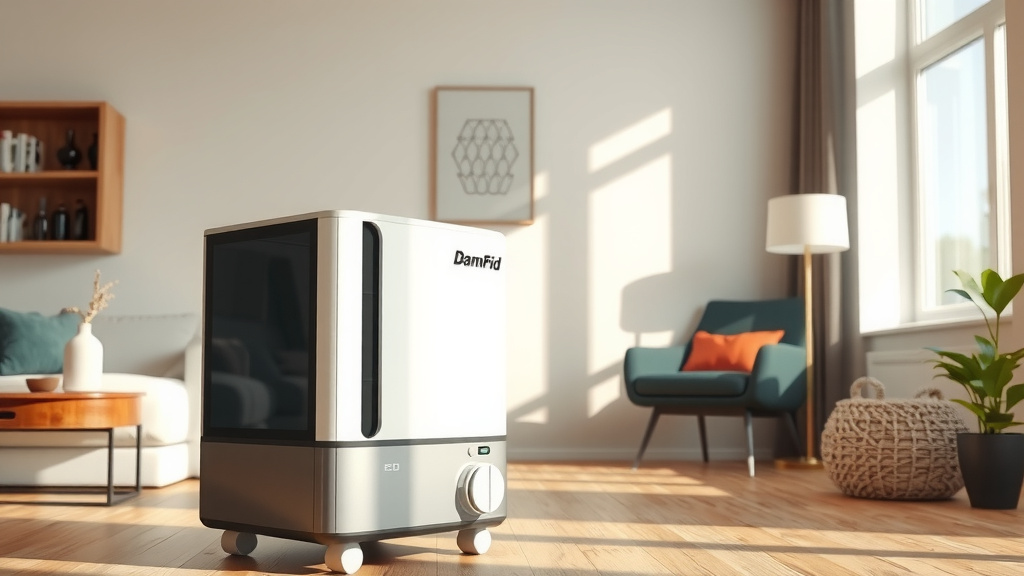
No, DampRid does not work like a dehumidifier; they are fundamentally different tools for moisture control.
DampRid is a passive moisture absorber, while an electric dehumidifier actively removes humidity from the air using mechanical processes.
- DampRid uses hygroscopic crystals to absorb excess moisture, making it best for small, contained spaces.
- Electric dehumidifiers use a fan and compressor to pull moisture from the air, suitable for larger areas and persistent humidity problems.
- Choosing between them depends on the size of the space and the severity of your humidity issue.
- DampRid offers a temporary, chemical solution, while a dehumidifier provides a long-term, powered solution.
Does DampRid Work Like a Dehumidifier?
No, DampRid and a dehumidifier are quite different. DampRid is a passive absorbent, simply soaking up moisture from the air. A dehumidifier, however, is an active electrical appliance that pulls air through, cools it, and condenses the moisture.
Understanding How DampRid Tackles Moisture
Have you ever noticed that little bucket of crystals working its magic in a closet? That’s DampRid. It contains hygroscopic crystals, usually calcium chloride. These crystals naturally attract and trap water molecules from the air. As they collect moisture, they dissolve and turn into a liquid, which you’ll see accumulating in the bottom of the container.
Think of it like a sponge. It sits there, absorbing what it can. It does not actively circulate air or reduce humidity throughout an entire room. This makes it a great choice for localized issues, not widespread dampness. We found that it excels in really small, enclosed areas.
How an Electric Dehumidifier Gets the Job Done
Now, let’s talk about the big guns: the electric dehumidifier. This machine is a bit more complex. It uses a fan to pull humid air into the unit. Inside, the air passes over cold coils. When the warm, moist air hits these cool surfaces, the water vapor condenses into liquid droplets. These droplets then fall into a collection bucket.
The now-dry air is reheated and released back into the room. This process allows a dehumidifier to actively and continuously reduce the humidity level in a much larger space. Many experts say that a dehumidifier can significantly lower the ambient humidity throughout an entire room or even multiple rooms (Mayo Clinic).
Key Differences: Passive vs. Active
The core distinction is simple: passive versus active. DampRid waits for moisture to come to it. A dehumidifier actively goes out and gets it, drawing air in and processing it. This difference impacts their effectiveness and ideal use.
When DampRid Is Your Go-To Solution
So, when should you reach for DampRid? It’s perfect for small, contained spaces where humidity is a minor nuisance. Think about those spots where air doesn’t circulate well. DampRid works well in these areas.
- Closets and wardrobes
- Pantries or under sinks
- Small bathrooms without proper ventilation
- Storage bins or gun safes
- RVs or boats when not in use
It’s also a fantastic temporary fix or a backup during a power outage. If you have a small spill or a localized musty smell, DampRid can provide quick relief. We found it’s a great choice for keeping your linen closet smelling fresh.
Situations Where a Dehumidifier Shines Brightest
When you’re dealing with larger areas, persistent humidity, or a recurring damp problem, a dehumidifier is your best bet. If you notice a musty smell in your basement, condensation on windows, or even allergies flaring up due to excess moisture, you likely need a dehumidifier.
Research often connects high indoor humidity with mold growth and dust mites (CDC). A dehumidifier can keep these issues in check across an entire room or floor. It provides a consistent, measurable reduction in humidity, which is vital for long-term health and home preservation.
DampRid: The Good and The Not-So-Good
Let’s weigh the options. DampRid has some definite perks, but also some limitations to consider. Understanding these can help you decide if it’s right for your needs.
Advantages of Using DampRid
DampRid is really simple to use. You just open the package and place it where you need it. There are no cords, no noise, and no electricity needed. It’s incredibly portable and affordable, making it accessible for everyone. It’s also great for tiny spaces where a machine just won’t fit.
Disadvantages of Relying on DampRid
The drawbacks are important. DampRid has a limited capacity. It can only absorb so much moisture before it needs to be replaced. This means ongoing costs and frequent maintenance if you have a continuous problem. It also doesn’t actively circulate air, so its effectiveness is localized. It’s not a solution for widespread humidity issues or for drying out a really wet space.
Dehumidifiers: The Upsides and Downsides
Dehumidifiers offer robust solutions, but they come with their own set of considerations. Knowing these will help you make a smart decision for your home.
Why a Dehumidifier Might Be Your Best Friend
A dehumidifier offers powerful, consistent dehumidification for large areas. You can set a target humidity level, and it will work to maintain it. Many models have automatic shut-off features and can even drain continuously. This means less work for you. It’s a long-term investment in your home’s health and comfort. We found that they drastically improve air quality in damp basements.
The Trade-offs of Owning a Dehumidifier
Of course, there are downsides. Dehumidifiers require electricity, so they will add to your power bill. They also make noise, though modern units are much quieter than older ones. They need regular cleaning and maintenance, like emptying the water bucket or connecting a drain hose. Initial cost can be higher, but the long-term benefits often outweigh this. They can also take up floor space.
| Feature | DampRid | Electric Dehumidifier |
|---|---|---|
| Mechanism | Passive absorption (calcium chloride) | Active air circulation & condensation |
| Coverage Area | Small, enclosed spaces (closets, cabinets) | Large rooms, basements, entire floors |
| Power Source | None (chemical reaction) | Electricity |
| Noise Level | Silent | Varies (fan noise) |
| Cost | Low initial, ongoing refills | Higher initial, ongoing electricity |
| Maintenance | Replace when full (dissolved) | Empty bucket, clean filter, drain hose |
| Speed | Slow, gradual | Fast, consistent |
Signs You Definitely Need a Dehumidifier
Sometimes, your home tells you exactly what it needs. If you notice any of these signs, it’s time to seriously consider an electric dehumidifier. Don’t ignore these clues!
- You see condensation on windows or cold pipes.
- There’s a persistent musty or damp smell in certain rooms.
- You’ve found visible mold or mildew growth on surfaces.
- Your allergies or asthma seem worse when you’re home.
- Wood floors or furniture feel sticky or warped.
- Your clothes feel damp even after drying.
Choosing the Right Moisture Control for Your Home
So, how do you decide which option is right for you? It really comes down to your specific needs. Start by assessing the problem. Is it a small, isolated issue or a widespread, continuous battle with humidity?
If you’re looking for a quick, cheap fix for a small area, DampRid is a good starting point. But for anything more significant, where you need to maintain a healthy humidity level, a dehumidifier is the proper tool. Many homeowners find using both can be beneficial. Maybe a dehumidifier for the basement and DampRid for the closets.
The Broader Impact of Too Much Humidity
High humidity isn’t just uncomfortable; it can be damaging. Beyond musty smells, it creates an ideal environment for pests like dust mites. It can also lead to structural damage in your home, warping wood and peeling paint. Most importantly, it can affect your health (NIH), contributing to respiratory issues and allergic reactions.
The Simple Science of Moisture Control
At its heart, moisture control is about balance. You want to avoid extremes. Air naturally holds a certain amount of water vapor. When there’s too much, it needs to be removed. Whether through chemical absorption or mechanical condensation, the goal is to bring that humidity level down to a comfortable and healthy range, typically between 30% and 50% relative humidity.
Are There Other Passive Moisture Absorbers?
Yes, DampRid isn’t the only passive option out there. You might find products containing silica gel, which works similarly by absorbing moisture. There are also natural options like charcoal or even certain plants, but their capacity is often much lower than chemical absorbers. For practical household use, DampRid is one of the more common and effective passive solutions we’ve encountered.
Conclusion
When it comes to fighting dampness, remember this key distinction: DampRid is your small-space, passive friend, while an electric dehumidifier is your active, powerful solution for larger, more persistent humidity challenges. They both aim to reduce moisture, but they operate on entirely different scales and principles. Understanding these differences helps you pick the right tool for a drier, more comfortable home. Choose wisely to protect your living space and your health.
Can I use DampRid in a large room instead of a dehumidifier?
You can place DampRid in a large room, but its effectiveness will be very limited. It’s designed for small, enclosed areas, and a single container or even a few containers won’t significantly reduce the humidity level in an entire room. You would need many units, making it impractical and costly compared to an electric dehumidifier.
Is DampRid toxic to pets or children?
DampRid contains calcium chloride, which can be irritating if ingested or if it comes into contact with skin or eyes. While not highly toxic in small amounts, it’s best to keep DampRid products out of reach of children and pets. Always check the product label for specific safety warnings and first aid instructions.
How often do I need to replace DampRid products?
The frequency of replacement depends on the humidity level in the area and the size of the DampRid product. In very humid conditions, you might need to replace it every few weeks. In less humid areas, it could last for several months. You’ll know it’s time for a replacement when all the crystals have dissolved into liquid.
Does DampRid remove odors as well as moisture?
DampRid’s primary function is moisture absorption. By reducing humidity, it can indirectly help reduce musty odors that are caused by dampness and mold growth. However, it’s not designed to be an odor eliminator for other types of smells. Some DampRid products do include added fragrances to help mask odors.
What is an ideal humidity level for a home?
Many experts agree that the ideal relative humidity level for a home is between 30% and 50%. This range is comfortable for most people and helps prevent issues like mold growth, dust mites, and static electricity. Keeping your home within this range can improve comfort and protect your property (NIH).
