
Does Dehumidifier Kill Germs?
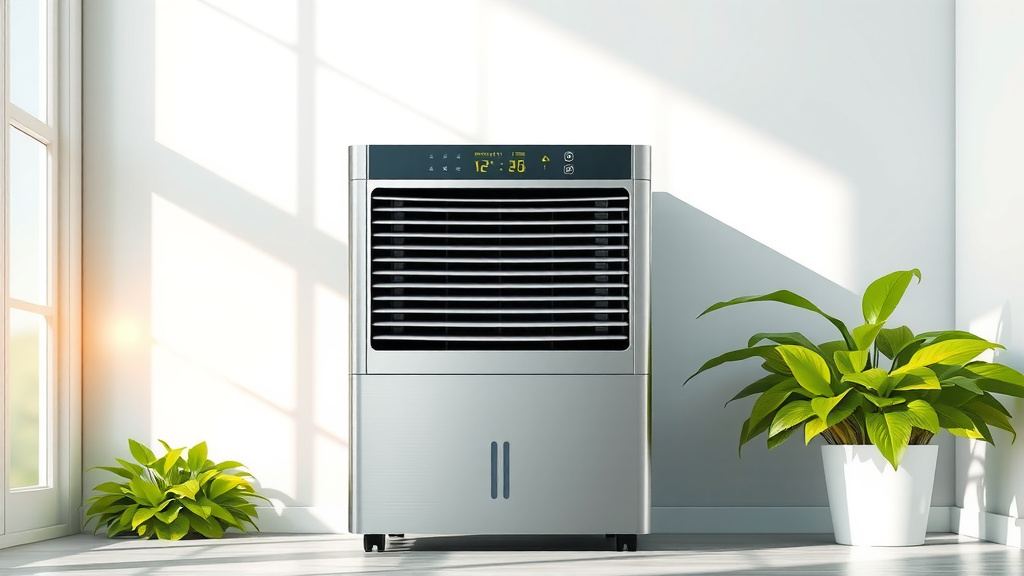
Does a dehumidifier kill germs? A dehumidifier does not directly kill germs like bacteria, viruses, or mold spores.
Instead, it works by removing excess moisture from the air, creating an environment where these microscopic organisms struggle to thrive and reproduce effectively.
TL;DR: Here’s the quick scoop on dehumidifiers and germs:
- Dehumidifiers don’t kill germs outright.
- They lower humidity, which makes it harder for mold, dust mites, and some bacteria to grow.
- Maintaining indoor humidity between 30-50% is best for your health and home.
- Think of a dehumidifier as a powerful tool to prevent germ growth, not a germ killer.
- Combine dehumidifying with regular cleaning for a truly healthier home environment.
Does Dehumidifier Kill Germs?
You’re probably wondering, “Can my dehumidifier really zap those nasty germs?” The straightforward answer is no, not directly. A dehumidifier’s job is to pull moisture out of the air. It creates an environment where germs find it tough to multiply and survive.
How Dehumidifiers Really Work
Imagine a sponge soaking up water. That’s kind of how a dehumidifier works. It pulls humid air into coils, condenses the water vapor into liquid, and then collects that water in a reservoir. The drier air is then released back into your room, making everything feel less sticky and damp. This simple process controls the air’s moisture content.
Why Humidity Matters for Germs
Think of humidity as a germ’s favorite hangout spot. Many common household pests and pathogens absolutely love a moist atmosphere. By drying out the air, you essentially evict these unwanted guests from their comfy, damp homes.
Mold, Mildew, and Mites: Humidity’s Allies
Mold and mildew are probably the first things you think of with high humidity, right? We found that these fungi need moisture to grow and spread (EPA). They release spores that can trigger allergies and respiratory issues. Likewise, dust mites absorb moisture from the air to survive (NIH). A dehumidifier strips away their essential water source, slowing their growth or stopping it entirely.
Viruses and Bacteria: The Hidden Link
Research often connects optimal humidity levels with reduced survival rates for certain viruses and bacteria. While a dehumidifier won’t eliminate existing airborne germs, a dryer environment can make it harder for new ones to take hold. Many experts say that keeping humidity within a healthy range helps to reduce the transmission of some airborne pathogens.
What is the Best Indoor Humidity Level?
You might be asking, “So, what’s the magic number?” Most health organizations, like the EPA, recommend keeping your indoor relative humidity between 30% and 50%. This range is generally considered ideal for human comfort and for discouraging the growth of mold, dust mites, and other unwanted organisms.
When Should You Use a Dehumidifier?
If your home feels perpetually sticky, or you notice musty smells, a dehumidifier might be your new best friend. It’s also very useful in specific areas like basements, laundry rooms, or bathrooms that lack proper ventilation. You want to catch high humidity early.
Here are some common signs that your home could benefit from lower humidity:
- A persistent musty odor in your home.
- Condensation on windows or cold surfaces.
- Peeling paint or wallpaper.
- Sticky or clammy feeling air.
- Visible mold spots on walls, ceilings, or fabrics.
Your Health and Dehumidifiers: Indirect Benefits
Even though it doesn’t kill germs directly, a dehumidifier offers some pretty significant indirect health advantages. It helps create an environment where your body can breathe easier and feel more comfortable. Think of it as preventative maintenance for your indoor air quality.
When the air is less humid, it often feels lighter and fresher. This can be especially helpful for people with asthma or other respiratory conditions. Less moisture means less mold, which in turn means fewer triggers for breathing difficulties.
By controlling mold and dust mites, a dehumidifier significantly reduces common household allergens. This means less sneezing, less coughing, and generally more comfortable living for allergy sufferers. It’s a simple change that makes a big difference.
Dehumidifier or Air Purifier? Knowing the Difference
Are you confused about which device you need? You’re not alone! It’s important to know that dehumidifiers and air purifiers have very different functions. One tackles moisture, the other tackles particles. Here’s a quick look at what each device does:
| Feature | Dehumidifier | Air Purifier |
|---|---|---|
| Main Goal | Removes moisture from air | Removes particles from air |
| What It Affects | Humidity levels, mold, dust mites | Pollen, pet dander, smoke, odors, some airborne germs |
| Health Benefit | Reduces allergen growth, improves comfort | Filters irritants, helps with allergies/asthma |
| Germ Killing? | No direct killing, but inhibits growth | Some models with UV-C may kill, but primarily filters |
A Holistic Approach to a Germ-Free Home
A dehumidifier is a powerful tool, but it’s just one piece of the puzzle for a truly healthy home. To really keep germs at bay, you need a multi-pronged approach. Think about combining different strategies for the best possible results.
Here’s a quick checklist for a healthier home:
- Maintain Optimal Humidity: Use a dehumidifier to keep levels between 30-50%.
- Clean Regularly: Dust, vacuum, and wipe surfaces often to remove germs.
- Ventilate Well: Open windows or use exhaust fans, especially in kitchens and bathrooms.
- Use Air Purifiers: Consider adding an air purifier to filter airborne particles.
- Fix Leaks Promptly: Address any water leaks to prevent mold growth.
- Wash Fabrics Regularly: Clean bedding, curtains, and carpets to reduce allergens.
Keeping Your Dehumidifier Running Smoothly
Just like any appliance, your dehumidifier needs a little TLC to work its best. Regularly empty the water reservoir and clean it to prevent mold growth inside the unit itself. Also, clean or replace the air filter as recommended by the manufacturer. These simple steps ensure your unit operates efficiently and safely.
Conclusion
So, does a dehumidifier kill germs? The answer is clear: no, not directly. But don’t underestimate its power! By creating a drier indoor environment, your dehumidifier plays a vital role in making your home less hospitable to mold, dust mites, and certain bacteria and viruses. It’s a preventative hero, helping you breathe easier and creating a healthier, more comfortable space. Combine it with other cleaning habits, and you’re well on your way to a truly fresh home.
Frequently Asked Questions About Dehumidifiers and Germs
Is a dehumidifier good for your lungs?
Many people find that a dehumidifier improves their respiratory comfort, especially if they suffer from allergies or asthma triggered by mold or dust mites. By reducing these airborne irritants, it can make the air feel easier to breathe and reduce symptoms. It creates a less challenging environment for your lungs.
Can a dehumidifier make you sick?
A properly maintained dehumidifier typically does not make you sick. However, if the water reservoir isn’t cleaned regularly, it can become a breeding ground for mold and bacteria, potentially releasing spores back into the air. It’s important to follow cleaning guidelines for healthy operation.
Does a dehumidifier remove bacteria from the air?
A standard dehumidifier does not actively remove bacteria from the air. Its primary function is to reduce moisture. Some advanced models might include air filtration, which could trap some bacterial particles, but their main role is humidity control. For bacterial removal, an air purifier is a more direct solution.
Will running a dehumidifier help with mold?
Absolutely! Running a dehumidifier is one of the most effective ways to prevent and control mold growth. Mold needs moisture to thrive. By keeping your indoor humidity below 50%, you remove a key ingredient for mold development. It’s a powerful tool for mold prevention.
Can a dehumidifier help with allergies?
Yes, a dehumidifier can significantly help with allergies, particularly those triggered by mold spores and dust mites. These common allergens thrive in damp conditions. By reducing humidity, you drastically cut down their populations, leading to fewer allergy symptoms and greater comfort in your home.
