
Does Dehumidifier in Basement Help Upstairs?
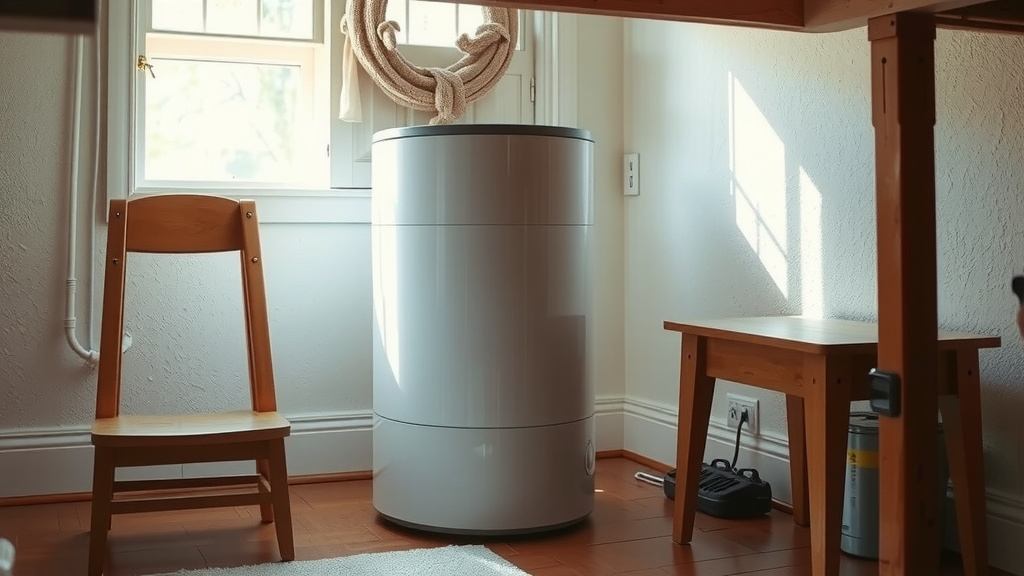
Yes, a dehumidifier in your basement absolutely helps upstairs by reducing overall household humidity. Humidity doesn’t stay put; it migrates upwards, so treating the source helps your entire home feel drier and more comfortable.
Running a dehumidifier in your basement creates a ripple effect, drawing moisture out of the air that would otherwise rise and affect your living spaces. This means fewer damp smells and better air quality throughout your home.
- A basement dehumidifier significantly lowers humidity throughout your home.
- Moisture naturally moves from high-humidity areas to lower ones.
- It combats mold, mildew, and musty odors that can spread upwards.
- You’ll likely notice improved comfort and air quality on upper floors.
- Proper sizing and placement are key for the best whole-home effect.
Does Dehumidifier in Basement Help Upstairs?
Yes, placing a dehumidifier in your basement can significantly help reduce humidity levels upstairs. This is because moisture travels freely throughout your home, much like heat or cold air.
When you tackle the dampest area, you improve the air everywhere else. It’s a bit like turning down a leaky faucet in the basement; the upstairs won’t be as wet.
Understanding How Humidity Moves
Ever notice how a smell from the kitchen eventually wafts into the living room? Humidity works in a similar way. It’s an invisible gas that seeks balance.
Warm, humid air tends to rise, and cooler, drier air sinks. Your basement is often the dampest spot, acting as a natural reservoir for moisture.
We found that moisture from the ground can seep through concrete, creating a humid environment (EPA research suggests this). This moisture then evaporates into the air.
The “Stack Effect” and Your Home’s Air
Your home experiences something called the “stack effect.” This means air naturally moves from lower levels to upper levels.
Warm air rises, pulling cooler air from below to replace it. If that cooler air from below is also humid, it carries moisture upwards.
Many experts say that about half of the air you breathe upstairs actually originated in your basement (DOE findings). So, if your basement air is damp, your upstairs air will be too.
Direct Benefits for Your Upstairs Living Spaces
Running a dehumidifier downstairs offers several direct perks for your upper floors. You might not see it, but you’ll definitely feel it.
Imagine breathing air that feels crisp instead of clammy. That’s the power of good dehumidification.
- Reduced Musty Odors: No more damp basement smell creeping into your main living areas.
- Improved Air Quality: Less airborne mold spores mean cleaner air for everyone.
- Increased Comfort: Your home will feel less sticky, especially in summer.
- Lower Energy Bills: Your AC won’t work as hard to cool humid air.
- Protection for Belongings: Furniture, electronics, and clothing upstairs are less prone to mold.
Combating Mold and Mildew Everywhere
Mold and mildew thrive in humidity above 50-60%. If your basement is consistently damp, these unwelcome guests will multiply.
Spores don’t respect boundaries; they become airborne and can easily travel upstairs. A dehumidifier acts as your first line of defense.
We found that keeping indoor humidity below 60% is key to preventing mold growth (CDC guidelines often suggest this). A basement unit helps achieve this home-wide.
Choosing the Right Dehumidifier for Whole-Home Impact
Not all dehumidifiers are created equal. For whole-home benefits, you need one suited for your basement’s size and humidity level.
Look for a unit with enough capacity. Too small, and it won’t keep up with the moisture.
Consider features like a built-in pump for continuous drainage. This means less emptying buckets, making your life easier.
| Feature | Why It Matters |
|---|---|
| Capacity (Pints) | Matches the size and dampness of your basement for effectiveness. |
| Drainage Type | Gravity drain or pump for continuous operation without manual emptying. |
| Humidistat | Automatically maintains your desired humidity level. |
| Low-Temperature Operation | Essential for basements that can get cool, preventing coil freezing. |
| Energy Star Rated | Saves on electricity bills while running effectively. |
Optimal Placement for Maximum Reach
Where you place your dehumidifier in the basement makes a difference. You want it in a spot where it can pull air efficiently.
Position it in the dampest part of the basement. Often, this is away from exterior walls, near a floor drain if using gravity drainage.
Ensure there’s enough space around the unit for air to flow freely. Don’t push it right up against a wall or furniture.
Setting the Ideal Humidity Level
For comfort and mold prevention, aim for a relative humidity between 40% and 55% indoors. This range is comfortable and discourages unwanted growth.
Your dehumidifier’s humidistat will help you maintain this. It acts like a thermostat, turning the unit on and off as needed.
Regularly check your indoor humidity levels with a hygrometer. This helps you confirm your dehumidifier is doing its job effectively.
When a Basement Dehumidifier Might Not Be Enough
While a basement dehumidifier is powerful, sometimes you might need extra help. Every home is unique, after all.
If your upstairs still feels damp or you notice issues, other factors might be at play. Don’t lose hope; there are always solutions.
Consider if you have specific moisture sources upstairs, like a leaky shower or poor bathroom ventilation. These might require a targeted approach.
Checking for Other Upstairs Moisture Sources
Take a quick inventory of your upstairs spaces. Are there any obvious culprits creating humidity?
Things like long, hot showers without adequate exhaust fans, drying clothes indoors, or even overwatering houseplants can add moisture.
Many guidelines point to fixing these local issues first (Mayo Clinic). A basement dehumidifier won’t solve a dripping pipe in your attic.
Signs You Might Need Additional Solutions
How do you know if your basement dehumidifier isn’t quite cutting it? Keep an eye out for these clues:
- Damp or clammy feeling on upper floors.
- Condensation on windows or cold surfaces upstairs.
- Visible mold or mildew spots on walls, ceilings, or furniture upstairs.
- Musty smells that persist on upper levels despite basement efforts.
- High readings on an upstairs hygrometer (above 60% often).
Maintenance for Consistent Performance
Just like any appliance, your dehumidifier needs a little love to keep working effectively. A well-maintained unit is a happy unit.
Regular cleaning prevents breakdowns and ensures it runs efficiently. This saves you money on energy and potential repairs.
Think of it as giving your hard-working moisture-muncher a spa day!
Simple Dehumidifier Care Checklist
- Clean or replace the air filter monthly.
- Empty the water bucket regularly (if not continuously draining).
- Clean the coils with a soft brush or vacuum every few months.
- Check the drainage hose for kinks or clogs.
- Ensure proper airflow around the unit.
Conclusion
Yes, running a dehumidifier in your basement is a very effective strategy for reducing overall humidity throughout your entire home, including upstairs. By tackling the primary source of moisture, you create a ripple effect of drier, healthier air that benefits every level.
Remember that humidity travels, so investing in a properly sized and well-placed basement dehumidifier is a smart move for improving comfort, protecting your belongings, and preventing mold and mildew spread on all floors. Keep up with basic maintenance, and your home will thank you with consistently better air quality.
Can a small dehumidifier in the basement help upstairs?
A very small dehumidifier might offer some minimal assistance, but it likely won’t be powerful enough to significantly impact upstairs humidity if your basement is damp. For effective whole-home benefits, choose a unit with adequate capacity for your basement’s size and moisture levels.
How long does it take for a basement dehumidifier to affect upstairs?
You might start feeling the effects within a day or two, but it can take several days to a week for the dehumidifier to stabilize humidity levels throughout your entire home. The exact time depends on your home’s size, initial humidity, and the dehumidifier’s power.
Should I keep my basement door open to help upstairs humidity?
Keeping your basement door open can help air circulate, allowing the dehumidifier’s dry air to mix more easily with upstairs air. However, if your basement is extremely damp, opening the door might also allow more humid air to rise initially. It’s often best to run the dehumidifier consistently and monitor overall home humidity.
Will running my AC unit help with basement and upstairs humidity?
Your AC unit does remove some humidity as it cools, which can help both upstairs and in the basement to a degree. However, an AC is primarily designed for cooling, not dedicated dehumidification. A standalone dehumidifier is much more efficient at removing moisture without overcooling your home, especially in milder weather.
What is the ideal humidity level to maintain in a basement to help upstairs?
Aim to maintain a relative humidity level between 40% and 55% in your basement. This range is generally considered ideal for preventing mold and mildew growth, protecting belongings, and ensuring comfortable air that travels upstairs won’t feel damp or sticky.
