
Does Dehumidifier Help with Sinus?
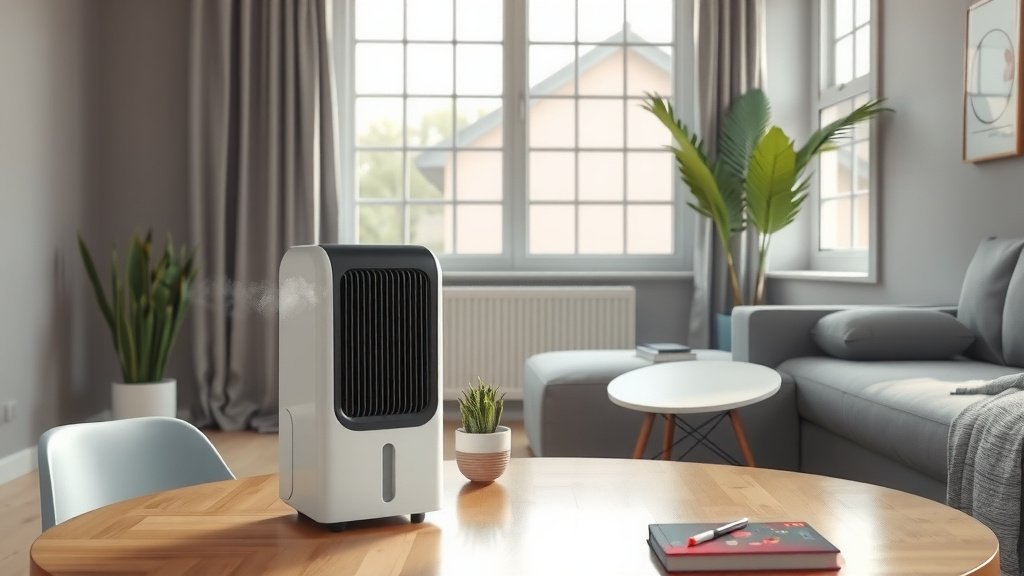
Yes, a dehumidifier can certainly help with sinus issues, especially if your symptoms are triggered or worsened by high humidity levels and mold growth in your home. By reducing excess moisture, you create a less hospitable environment for common allergens and irritants.
Many people find relief from congestion, stuffiness, and other sinus discomforts when they maintain optimal indoor humidity, often between 30% to 50%, with the help of a dehumidifier. This can make a real difference in your daily breathing comfort.
For those feeling stuffy or battling frequent sinus troubles, you might wonder if a simple appliance can make a difference. Here’s a quick overview of how a dehumidifier fits into your sinus health:
- Lowering humidity prevents mold and dust mites, common sinus triggers.
- It helps dry out nasal passages just enough, reducing a feeling of dampness.
- You can breathe easier in a balanced indoor environment.
- It’s a practical step for managing chronic sinus discomfort.
- Many report noticeable relief and better sleep quality.
Does Dehumidifier Help with Sinus?
Yes, absolutely. A dehumidifier plays a vital role in managing indoor humidity levels, which can directly impact your sinus health. When humidity is too high, it creates a perfect storm for sinus problems.
Understanding High Humidity and Your Sinuses
Imagine your home feeling damp and muggy. That’s high humidity at work, often above 60%. This dampness isn’t just uncomfortable; it’s a breeding ground for things that make your sinuses miserable.
The Mold Menace in Damp Air
Mold loves moisture. It grows on walls, ceilings, and even in carpets. When mold spores become airborne, you can easily inhale them. For many, these spores are powerful allergens that trigger sinus inflammation and congestion (Cleveland Clinic).
Dust Mites Thrive in Humid Spaces
Tiny dust mites are another culprit. They don’t drink water; they absorb it directly from the air. High humidity helps them multiply rapidly. If you’re allergic to dust mites, their presence can lead to chronic sinus issues, sneezing, and a runny nose.
How a Dehumidifier Brings Relief
Think of a dehumidifier as your home’s humidity regulator. It pulls excess moisture from the air, creating a drier, healthier atmosphere. This action directly tackles the root causes of many sinus problems.
Drying Out the Air, Drying Out Allergens
By reducing indoor humidity to the ideal range (30-50%), a dehumidifier makes your home less appealing to mold and dust mites. We found that mold growth slows significantly when humidity stays below 60% (CDC). Dust mite populations also shrink dramatically.
Less Irritation, Easier Breathing
With fewer allergens floating around, your nasal passages face less irritation. This means less inflammation, less congestion, and a clearer pathway for breathing. You might find yourself reaching for fewer tissues.
Optimal Humidity Levels for Sinus Health
Finding the right balance is key. Too dry, and your mucous membranes can get irritated. Too humid, and allergens flourish. Many experts suggest aiming for indoor humidity between 30% and 50% (Mayo Clinic).
Monitoring Your Home’s Humidity
A simple hygrometer can help you monitor humidity levels. These small devices are inexpensive and give you real-time readings. Place them in different rooms to get an accurate picture of your home’s moisture.
Choosing the Right Dehumidifier
Not all dehumidifiers are created equal. Your choice depends on the size of your space and the level of humidity you’re dealing with. Knowing what to look for helps you make a smart decision.
Here’s a quick guide to help you choose:
- Small spaces: A compact, portable unit works well for bedrooms or small offices.
- Basements: Often need a larger capacity unit due to naturally higher dampness.
- Whole-home: Integrated systems can manage humidity throughout your entire house.
Placement Matters: Where to Put Your Dehumidifier
Putting your dehumidifier in the right spot maximizes its effectiveness. Think about where humidity tends to collect in your home.
Common problem areas often include:
- Basements and cellars
- Bathrooms (especially those without good ventilation)
- Laundry rooms
- Crawl spaces
- Any room where you notice a musty smell or condensation
Dehumidifier Care and Maintenance
Like any appliance, a dehumidifier needs a little love to perform its best. Regular maintenance ensures it continues to pull moisture efficiently and doesn’t become a problem itself.
Emptying the Water Tank Regularly
Most portable units have a collection tank. You’ll need to empty this regularly, sometimes daily, depending on humidity levels. Some units offer a continuous drain option, which is very convenient.
Cleaning the Filter is a Must
The air filter traps dust and debris. A dirty filter reduces efficiency and can even blow dust back into the air. Clean or replace it according to the manufacturer’s instructions, usually every few weeks.
When is a Dehumidifier Most Useful for Sinus Issues?
You might find a dehumidifier particularly helpful during specific times or in certain situations. It’s not always a year-round necessity for everyone.
| Condition/Situation | Dehumidifier Benefit |
|---|---|
| Humid climates or seasons | Prevents general dampness and mold growth. |
| Mold allergies | Directly reduces airborne mold spores. |
| Dust mite allergies | Lowers humidity, making it harder for mites to thrive. |
| Musty smells in home | Indicates excess moisture, which the unit resolves. |
| Condensation on windows | Sign of high humidity, unit helps clear it. |
Beyond Dehumidification: Other Sinus Strategies
While a dehumidifier is a powerful tool, it’s just one part of a bigger picture for healthy sinuses. Combining strategies often yields the best results. What else can you do?
Good Ventilation Helps a Lot
Opening windows when outdoor air quality permits, or using exhaust fans in bathrooms and kitchens, helps remove humid air. This works hand-in-hand with your dehumidifier.
Regular Cleaning Reduces Allergens
Vacuuming with a HEPA filter, dusting surfaces, and washing bedding regularly can significantly reduce dust mites and pet dander. These are all common sinus irritants.
Are There Any Downsides?
Generally, dehumidifiers are safe and effective. However, some common questions come up. You might worry about the air becoming too dry.
Avoiding Over-Drying Your Home
If the air becomes too dry (below 30%), you might experience dry skin, irritated eyes, or even nosebleeds. This is why a hygrometer is so useful; it helps you maintain that ideal 30-50% range. Many units have an auto-shutoff when the target humidity is reached.
When to Talk to a Doctor
A dehumidifier addresses environmental triggers, but it’s not a medical device. If you have chronic, severe, or worsening sinus issues, always consult a healthcare professional. They can offer a proper diagnosis and treatment plan.
Signs You Might Need Medical Advice
Consider seeing a doctor if you experience:
- Persistent facial pain or pressure
- Fever or chills with sinus symptoms
- Green or yellow nasal discharge lasting over a week
- Vision changes due to sinus problems
- Symptoms that don’t improve with environmental controls
Conclusion
A dehumidifier can be a valuable ally in your battle against sinus discomfort, particularly when high humidity and its associated allergens like mold and dust mites are contributing factors. By creating a drier, healthier indoor environment, you can significantly reduce common triggers and breathe more easily.
Remember, it’s about finding that sweet spot of humidity – not too wet, not too dry. Coupled with good hygiene and proper ventilation, a dehumidifier can help you enjoy clearer sinuses and a more comfortable home. Give it a try if humidity feels like your sinus nemesis!
Can a dehumidifier make sinuses worse?
It’s uncommon, but if a dehumidifier makes the air too dry (below 30% humidity), it might irritate your nasal passages and potentially worsen dryness or discomfort. Always aim for optimal humidity between 30% and 50% to prevent this.
How quickly does a dehumidifier affect sinus symptoms?
You might notice a difference in sinus symptoms within a few days to a week once the dehumidifier has effectively reduced the overall humidity and started to deter mold and dust mites. Consistent use is key for sustained relief.
Should I use a dehumidifier in my bedroom for sinus issues?
Yes, placing a dehumidifier in your bedroom can be very effective, especially since you spend many hours there. It directly controls the humidity in your immediate sleeping environment, which can lead to better sleep and fewer morning sinus issues.
Does a dehumidifier clean the air for sinus sufferers?
While a dehumidifier removes moisture, it doesn’t actively “clean” the air in the way an air purifier does. However, by reducing humidity, it indirectly reduces the growth of mold and dust mites, which are common airborne irritants. Some units have basic filters that catch larger dust particles.
Is a humidifier or dehumidifier better for sinus problems?
If your sinus problems are due to *excessive dryness*, a humidifier adds moisture. If they stem from *excessive dampness, mold, or dust mites*, a dehumidifier is the better choice. It’s important to understand the underlying cause of your specific sinus discomfort to choose the right device.
