
Does Running a Dehumidifier Save Money?
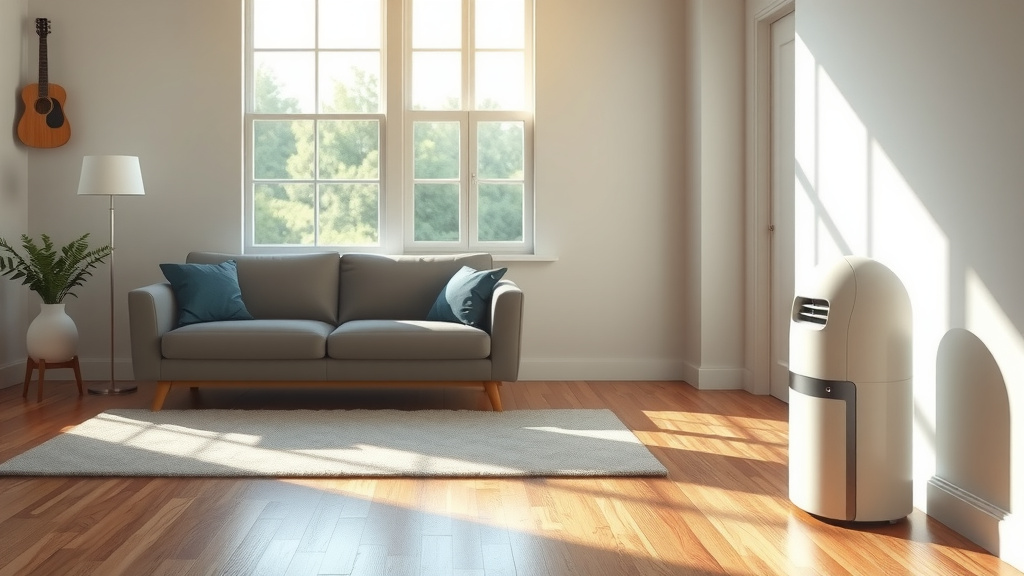
Yes, running a dehumidifier can save you money in several ways, primarily by improving your home’s energy efficiency and protecting against costly moisture-related damages.
While there is an initial operating cost, a dehumidifier often leads to long-term savings, especially in humid climates, by reducing air conditioning workload and preventing structural issues.
- Running a dehumidifier can lower your overall energy bill by making your air conditioner more effective.
- It helps prevent expensive home repairs from mold, mildew, and wood rot caused by excess humidity.
- Maintaining proper humidity can also improve comfort, allowing you to set your thermostat higher in summer.
- Choosing the right size and using your dehumidifier efficiently are key to maximizing these savings.
- Think of it as an investment in both your home’s health and your wallet.
Does Running a Dehumidifier Save Money?
Absolutely, in many situations, running a dehumidifier can lead to significant cost savings. It tackles excess moisture, which protects your home and boosts energy efficiency.
You might be surprised how much humidity impacts your monthly budget.
How Humidity Impacts Your Wallet
High humidity makes your home feel warmer than it actually is. This means you often crank up the air conditioning, spending more money.
Beyond comfort, too much moisture can cause serious damage to your property, leading to expensive repairs down the line.
The Hidden Costs of Excess Moisture
Think of humidity as a silent attacker. It works slowly, causing harm you might not notice immediately.
This includes fostering mold growth, which is a health hazard and a costly fix (CDC).
Reducing Energy Bills with a Dehumidifier
A dehumidifier removes moisture from the air. Drier air feels cooler, even at the same temperature.
This allows you to set your air conditioner thermostat a few degrees higher, reducing its runtime and saving on electricity.
Making Your AC Work Less
Your air conditioner has two jobs: cooling the air and removing humidity. When the air is very humid, your AC works extra hard.
By using a dehumidifier, you help your AC with its second job, letting it cool more efficiently and for less time.
Stopping Costly Home Repairs
Moisture can wreak havoc on your home’s structure and contents. This might include warped wooden floors or peeling paint.
Running a dehumidifier actively works to prevent these kinds of damages, saving you from renovation headaches and big bills.
Protecting Your Property from Damage
We found that consistent humidity control protects furniture, electronics, and even your home’s foundation.
Prevention is always cheaper than repair, as many experts say when discussing home maintenance.
Health Benefits and Your Budget
Mold and mildew thrive in damp environments. These can trigger allergies and respiratory issues (Mayo Clinic).
Reducing indoor humidity creates a healthier living space, potentially cutting down on medical expenses for allergy medications or doctor visits.
Choosing the Right Dehumidifier Size
Using a dehumidifier that is too small will make it run constantly without effectively reducing humidity. This wastes energy.
A unit that is too large for your space might cycle on and off too quickly, not drying the air enough or using too much power for the job.
Matching Capacity to Your Space
Always consider the square footage and existing humidity levels when choosing a unit. Most manufacturers provide clear sizing guides.
The right size ensures efficient operation and maximum savings for your pocket.
Optimal Humidity Levels for Savings
Aim for an indoor humidity level between 40% and 50%. This range is comfortable for most people and discourages mold growth.
Many experts found that maintaining this balance is key to both comfort and energy savings.
Maintenance for Peak Efficiency
Just like any appliance, a dehumidifier needs a little care. Regular cleaning of its filter is crucial.
A dirty filter makes the unit work harder, consuming more electricity without doing its job effectively.
Simple Steps for Longevity
Empty the water collection bucket often or connect it to a drain hose. Keep coils clean and ensure clear airflow around the unit.
These simple tasks keep your dehumidifier running smoothly and efficiently for years.
Understanding Dehumidifier Energy Use
Dehumidifiers use electricity, just like your other appliances. Their energy consumption varies by model, size, and efficiency rating.
Energy Star certified models are designed to use less power, offering better long-term savings.
Comparing Dehumidifier Types
Let’s look at how different types might impact your budget and needs.
| Feature | Portable Dehumidifier | Whole-House Dehumidifier |
|---|---|---|
| Initial Cost | Lower (hundreds) | Higher (thousands, plus installation) |
| Coverage | Single room or small area | Entire home via HVAC system |
| Energy Efficiency | Good for targeted use | Very high for whole-home control |
| Convenience | Easy to move, manual emptying | Set-it-and-forget-it, drains automatically |
Tips for Maximizing Your Savings
Here’s a quick checklist to help you get the most financial benefit from your dehumidifier:
- Choose an Energy Star certified model for lower running costs.
- Set the humidity level between 40% and 50%, don’t over-dry.
- Clean the air filter regularly to maintain efficiency.
- Close windows and doors when the dehumidifier is running to prevent outside humidity from entering.
- Consider running it only during peak humidity times or in specific damp areas.
- Seal any air leaks in your home to prevent excessive moisture from coming in.
The Dehumidifier vs. Air Conditioner Debate
Many homeowners wonder if they should just use their AC more. An AC cools by removing heat and some moisture, but it’s not designed purely for dehumidifying.
A dehumidifier focuses solely on moisture removal, often using less energy for that specific task than an AC would alone in milder temperatures.
The Comfort Factor: Beyond Just Money
Beyond the dollars and cents, a dehumidifier creates a more comfortable living environment. You might sleep better or feel less sticky in your own home.
This improved quality of life, while not a direct financial saving, certainly adds to your home’s value and your daily enjoyment.
Conclusion
Running a dehumidifier can absolutely save you money in the long run. It lowers energy bills by assisting your air conditioning, protects your home from costly moisture damage, and improves indoor air quality.
By choosing the right unit, maintaining it properly, and understanding how it works with your existing systems, you turn a small operational cost into a smart investment for your home and your wallet.
Frequently Asked Questions
How much does it cost to run a dehumidifier per day?
The daily cost varies significantly based on the dehumidifier’s wattage, its efficiency rating (like Energy Star), and your local electricity rates. A typical 50-pint Energy Star unit might use about 500-600 watts, costing around $1-$2 per day if run continuously.
Will a dehumidifier make my house feel cooler?
Yes, a dehumidifier will make your house feel cooler, even if it doesn’t change the actual air temperature. By removing excess moisture, it creates a drier environment, which allows your body’s natural cooling system (sweating) to work more effectively, making the air feel much more comfortable and less sticky.
Should I run my dehumidifier all the time?
You don’t usually need to run your dehumidifier all the time. It’s most effective to run it when humidity levels are high, typically above 50%, or in specific damp areas like basements. Many models have a humidistat that lets you set a desired humidity level, and the unit will only operate when needed.
What are signs that I need a dehumidifier?
Common signs you need a dehumidifier include a musty smell, visible mold or mildew growth on walls or clothes, condensation on windows, damp spots on walls or ceilings, and a generally sticky or clammy feeling indoors. If you notice these, your home likely has excessive humidity.
Can a dehumidifier replace an air conditioner?
No, a dehumidifier cannot replace an air conditioner. While a dehumidifier removes moisture and makes the air feel cooler, it does not actively cool the air temperature like an AC. In fact, most dehumidifiers release a small amount of heat as a byproduct of their operation, slightly warming the room.
