
Does the Size of a Dehumidifier Matter?
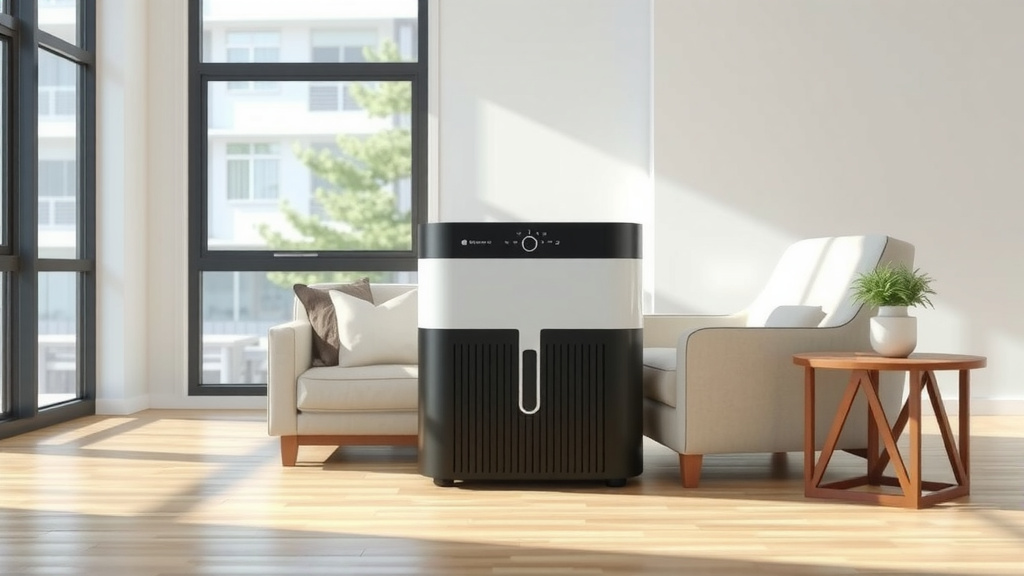
Yes, the size of a dehumidifier absolutely matters, influencing its efficiency, energy use, and ability to effectively remove moisture from your space.
Choosing the correct dehumidifier size, often measured in Pints Per Day (PPD), ensures it can handle your room’s specific humidity levels without overworking or underperforming.
- Getting the right dehumidifier size is key for comfort and efficiency.
- Too small, and your home stays damp; too large, and it wastes energy.
- Capacity (PPD) matches room size and how wet it feels.
- Factors like climate, room use, and even people inside change sizing needs.
- A properly sized unit saves money and creates a healthier indoor environment.
Does the Size of a Dehumidifier Matter?
The size of a dehumidifier truly matters for its performance. You need the right unit to control moisture effectively in your home. An incorrect size can lead to discomfort and higher energy bills.
Why Dehumidifier Size is Important
Picking the right size ensures your home stays dry and comfortable. A unit that is too small cannot keep up with moisture. It will run constantly without fully drying the air. This wastes power and does not solve your humidity problems. A unit that is too large can cycle on and off too often. It might remove moisture too quickly, leaving the air feeling overly dry. This also uses more energy than needed.
We found that matching the unit’s capacity to your space is critical. It helps maintain ideal humidity levels. This means better air quality and comfort for you.
Understanding Dehumidifier Capacity
Dehumidifier capacity refers to the amount of moisture it can remove. This is measured in Pints Per Day (PPD). This number tells you how many pints of water the unit can extract in 24 hours. A higher PPD means a more powerful dehumidifier.
What are Pints Per Day (PPD)?
PPD is the standard way to measure dehumidifier strength. For example, a 50 PPD unit can remove 50 pints of water daily. This rating is based on specific test conditions. Understanding PPD helps you compare different models easily. You want a unit with enough PPD for your home’s specific needs.
Factors that Influence Dehumidifier Sizing
Many things affect what size dehumidifier you need. It is not just about the room’s square footage. You also need to consider how damp the area feels. Think about where you live and what activities happen in that room.
Room Size (Square Footage)
The square footage of the room is your starting point. Larger rooms need units with higher PPD ratings. A small closet won’t need the same power as a big basement. Always measure your space before looking at models.
Level of Dampness
How wet does your room feel? Is it slightly damp or extremely wet? This significantly impacts your sizing choice. A very wet basement needs a much larger unit than a slightly humid living room. Experts often suggest adding extra capacity for very damp areas.
Climate and Season
Your local climate plays a role. Hot, humid climates naturally have more moisture in the air. You might need a larger unit if you live in such an area. Humidity levels also change with the seasons. A unit that works well in winter might struggle in a very humid summer.
Specific Room Conditions
Different rooms produce different amounts of moisture. A basement, for instance, often has higher humidity. A laundry room with a dryer can also create a lot of moisture. Areas with frequent water use need more dehumidifying power.
Number of Occupants
People release moisture into the air through breathing and sweating. A room with many people might need a slightly larger dehumidifier. This factor adds a small but real amount of humidity.
Insulation and Ventilation
Poor insulation can let more humid air seep in. Bad ventilation traps moisture inside your home. If your room has these issues, you might need a stronger dehumidifier. Better insulation and ventilation can help reduce the unit size needed.
The Goldilocks Principle: Not Too Big, Not Too Small
Finding the “just right” dehumidifier is important. It ensures comfort, saves energy, and extends the unit’s life. Think about it like buying shoes – too big or too small just won’t work right.
What Happens if it’s Too Small?
A dehumidifier that is too small will run constantly. It will try to remove moisture but never quite catch up. You will see higher energy bills and still feel clammy. The unit will wear out faster, too, because it is always working hard. It simply cannot meet the demand.
What Happens if it’s Too Big?
If your dehumidifier is too large, it will quickly reduce humidity. Then, it will shut off, having done its job too fast. This frequent on-off cycling can be less efficient. It might also leave your air feeling too dry. This can cause discomfort or even dry skin issues. Many experts say that over-sizing can short-cycle, reducing its ability to properly circulate air and filter particles (CDC).
Here’s a general guide for choosing your dehumidifier capacity:
| Room Size (Square Feet) | Condition: Slightly Damp (Minimal moisture, musty odor) | Condition: Moderately Damp (Sticky, damp to touch) | Condition: Very Damp (Water on walls, floor) |
|---|---|---|---|
| Up to 500 sq ft | 10-20 PPD | 20-30 PPD | 30-40 PPD |
| 500-1000 sq ft | 20-30 PPD | 30-40 PPD | 40-50 PPD |
| 1000-1500 sq ft | 30-40 PPD | 40-50 PPD | 50-60 PPD |
| 1500-2000 sq ft | 40-50 PPD | 50-60 PPD | 60-70 PPD |
Sizing Checklist for Your Home
Use this quick checklist to help choose the right dehumidifier size:
- Measure your room’s square footage accurately.
- Assess how damp the room feels right now.
- Consider your local climate and average humidity.
- Think about the room’s purpose (basement, laundry, living room).
- Account for any extra moisture sources like plants or many people.
- Check for drafts or poor insulation that might add humidity.
Maintenance Tips for Optimal Performance
Once you have the right size, maintain it well. Clean the air filter regularly. Empty the water tank often, or ensure the drain hose works. Good maintenance keeps your unit running efficiently. This also extends its lifespan.
When to Consider a Whole-Home Dehumidifier
For very large homes or widespread humidity issues, a whole-home unit might be better. These integrate with your HVAC system. They offer consistent humidity control throughout your entire house. It is a more complex setup but can be very effective.
Expert Recommendations for Choosing
Many experts recommend using online sizing calculators as a starting point. Then, adjust based on your specific conditions. For instance, if your basement floods sometimes, you need more capacity. Research often connects proper sizing with long-term cost savings (Energy Star). We found that a bit of extra capacity is usually better than not enough, especially in areas prone to dampness.
Common Misconceptions About Dehumidifier Size
One common myth is that bigger is always better. As we discussed, an oversized unit can short-cycle. Another misconception is that you only need one for a basement. Humidity can affect any room, especially bathrooms or laundry areas. Always match the unit to the specific space.
Conclusion
The size of your dehumidifier plays a big part in its effectiveness and your comfort. Taking the time to pick the correct PPD capacity for your space will save you headaches and money. By considering room size, dampness, and other factors, you can make a smart choice. Your home will feel much more comfortable. You will breathe easier knowing you have the right tool for the job.
Can a small dehumidifier work in a large room?
A small dehumidifier in a large room will struggle to remove enough moisture. It will likely run continuously without reaching desired humidity levels, leading to high energy consumption and a still-damp environment.
How do I know if my dehumidifier is the right size?
You can tell your dehumidifier is the right size if it maintains your desired humidity level (often between 30-50%) without running constantly or cycling on and off too frequently. The air should feel comfortable, not too sticky or too dry.
Is it better to have a slightly oversized dehumidifier or an undersized one?
Generally, it is better to have a slightly oversized dehumidifier than an undersized one. While an oversized unit might short-cycle, an undersized one will constantly struggle, leading to poor performance, higher energy use, and faster wear and tear.
Does dehumidifier size affect noise levels?
Yes, dehumidifier size can affect noise levels. Larger, more powerful units often have bigger fans and compressors, which can sometimes produce more noise. However, many modern dehumidifiers, regardless of size, are designed for quiet operation.
What if I have varying humidity levels in different rooms?
If you have varying humidity levels across different rooms, it is often best to use multiple smaller, appropriately sized dehumidifiers for each specific area. Alternatively, a whole-home dehumidifier integrated with your HVAC system can provide consistent control throughout the entire house.
