
How Are Dehumidifiers Measured?
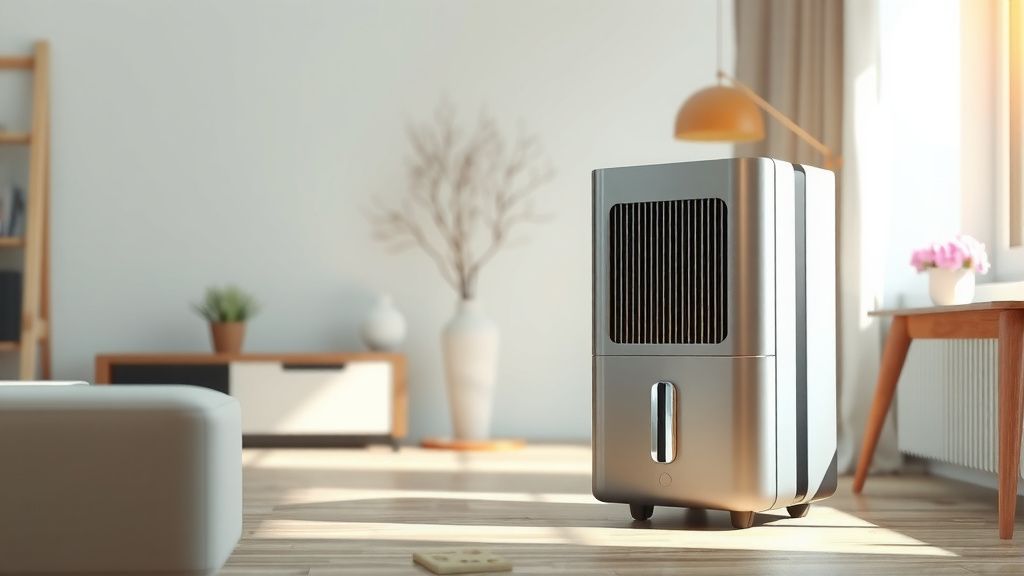
Dehumidifiers are primarily measured by their moisture removal capacity, expressed in Pints Per Day (PPD), indicating how much water they can extract from the air within 24 hours. They are also assessed by their airflow, measured in Cubic Feet Per Minute (CFM), which tells you how much air the unit processes.
When considering dehumidifiers, you’ll want to look at both the PPD rating and the unit’s CFM to ensure it effectively tackles humidity in your specific space, ranging from small rooms to large basements.
- Dehumidifiers remove moisture, measured mainly by Pints Per Day (PPD).
- PPD indicates how many pints of water a unit extracts in 24 hours.
- Airflow is also important, measured in Cubic Feet Per Minute (CFM).
- Room size (square footage) helps you choose the right PPD.
- Energy efficiency and noise levels also matter for your comfort.
How Are Dehumidifiers Measured?
Dehumidifiers are measured by their capacity to remove moisture, primarily in Pints Per Day (PPD), and also by their airflow in Cubic Feet Per Minute (CFM).
Understanding Pints Per Day (PPD)
The most important number for a dehumidifier is its Pints Per Day (PPD) rating. This figure tells you how much water the unit can remove from the air in 24 hours. It’s like knowing the horsepower of a car; it tells you about its core capability.
For example, a 50-pint dehumidifier can pull 50 pints of moisture out of the air in one day. This is under specific test conditions, which we will discuss later.
Why PPD Matters for You
Choosing the correct PPD is vital for effectively managing humidity in your home. If your unit is too small, it will run constantly and still not keep up. Too large, and it might cycle on and off too often, using more energy.
Think of it like buying a coat. You need one that fits just right to keep you warm, not too big or too small. The right PPD unit ensures optimal performance and comfort.
How Temperature and Humidity Affect PPD
The PPD rating you see on a box is usually based on specific test conditions. Traditionally, this was at 65°F and 60% relative humidity (RH).
However, newer standards, particularly from the Association of Home Appliance Manufacturers (AHAM), measure capacity at 80°F and 60% RH. This higher temperature often results in lower PPD numbers for the same machine, so always check the testing conditions.
Understanding Cubic Feet Per Minute (CFM)
Beyond PPD, you should also look at the unit’s Cubic Feet Per Minute (CFM). CFM measures how much air the dehumidifier processes in one minute. It tells you about the fan’s power and how quickly it moves air through the machine.
A higher CFM means the unit can circulate air more quickly through your space. This helps it capture and remove moisture more efficiently.
The Importance of CFM
While PPD tells you how much water it removes, CFM tells you how fast it works. A dehumidifier with a good balance of PPD and CFM will be more effective. Imagine trying to scoop water from a boat. You need a big enough bucket (PPD) and also to scoop it quickly (CFM).
Area Coverage: Square Footage
Knowing your room’s square footage is key when sizing a dehumidifier. Manufacturers provide guidelines based on typical room sizes and humidity levels. You wouldn’t use a small fan to cool a large hall, right?
This is where we combine PPD with your space. A damp basement needs more power than a slightly humid bedroom.
Matching Dehumidifier Size to Your Space
To choose the right dehumidifier, consider both the size of your space and how humid it typically gets. Here’s a quick guide based on general recommendations:
| Room Size (Sq. Ft.) | Humidity Level | Recommended PPD (New AHAM) |
|---|---|---|
| 500 sq ft | Slightly Damp | 10-20 Pints |
| 500 sq ft | Very Damp | 20-30 Pints |
| 1500 sq ft | Slightly Damp | 20-30 Pints |
| 1500 sq ft | Very Damp | 30-50 Pints |
| 2500 sq ft | Very Damp | 50+ Pints |
AHAM Standards: What Are They?
AHAM, the Association of Home Appliance Manufacturers, sets standards for many appliances, including dehumidifiers. They provide independent verification of performance, which helps you compare units fairly.
We found that AHAM’s updated testing conditions give you a more realistic PPD rating for your home environment. Always look for the AHAM seal when shopping (AHAM.org).
Energy Efficiency Ratio (EER)
Dehumidifiers use electricity, so checking their Energy Efficiency Ratio (EER) makes good sense. EER measures how much moisture a unit removes per unit of energy consumed. A higher EER means it’s more energy-efficient.
This can save you money on your electricity bills over time. We all like to save a buck, don’t we?
Considering Noise Levels
While not a measurement of performance, noise level is a huge factor for comfort. Dehumidifiers can be loud, especially larger units. Their noise output is often measured in decibels (dB).
If you’re putting a dehumidifier in a living space or bedroom, you’ll want a unit with a lower dB rating. Many experts say anything below 50 dB is generally acceptable for living areas.
Smart Features and Convenience
Modern dehumidifiers come with various features that enhance their usability. Things like automatic shut-off, continuous drainage options, and digital humidistats are common.
Many units now include Wi-Fi connectivity, allowing you to control them from your phone. These features don’t measure performance, but they certainly improve your experience.
Factors Affecting Dehumidifier Performance
- Room size and layout.
- Initial humidity levels.
- Room temperature.
- Outdoor climate.
- Insulation and air sealing of your home.
Maintenance and Lifespan
Just like any appliance, regular maintenance impacts a dehumidifier’s performance and longevity. Cleaning the air filter is paramount. A clogged filter will reduce airflow (CFM) and PPD.
Taking care of your unit ensures it runs efficiently and accurately measures up to its advertised capacity for years to come. We found that simple cleaning tasks pay off in the long run.
Your Dehumidifier Checklist
Before you buy, run through these quick points:
- What is the square footage of your room?
- How damp or wet is the area usually?
- What PPD rating fits your needs (check AHAM standards)?
- Is the CFM sufficient for good air circulation?
- What is the unit’s Energy Efficiency Ratio (EER)?
- Are the noise levels (dB) acceptable for your space?
Conclusion
Understanding how dehumidifiers are measured, primarily by Pints Per Day (PPD) and Cubic Feet Per Minute (CFM), empowers you to make an informed choice. It’s not just about removing water; it’s about creating a comfortable, healthy living environment.
By considering your specific needs, referring to AHAM standards, and looking at features like energy efficiency and noise, you can confidently select the perfect dehumidifier for your home. You’ve got this!
What does “Pints Per Day” truly mean for me?
Pints Per Day (PPD) directly tells you how much water a dehumidifier can extract in 24 hours. If your basement feels like a swamp and measures 1000 square feet, a higher PPD unit (perhaps 30-40 pints) will be needed to effectively dry it out compared to a slightly damp bedroom.
Do higher CFM numbers always mean a better dehumidifier?
Not always, but a higher CFM generally indicates the unit can circulate air more quickly, which is good for covering larger areas or for quicker moisture removal. However, it needs to be balanced with an appropriate PPD. A high CFM with a low PPD might move air but not remove enough moisture from it.
Why did my old dehumidifier have a higher PPD than a new one of the same size?
This is likely due to updated testing standards from AHAM. Older units were often rated at cooler, less humid conditions (65°F, 60% RH), which allowed for higher PPD claims. New standards (80°F, 60% RH) provide a more realistic PPD for typical home use, so the actual performance might be very similar.
Can I use a dehumidifier that’s too powerful for my space?
While a powerful unit will certainly remove humidity, one that is significantly too large for your space might cycle on and off too frequently. This can be less energy-efficient and might not effectively circulate air to treat all areas, leading to uneven drying. Matching the PPD to your square footage and humidity level is ideal.
Does the dehumidifier’s water tank size affect its measurement?
The water tank size does not directly affect the PPD or CFM measurement of a dehumidifier. PPD measures how much water it *can* remove, while tank size determines how often you need to empty it. A smaller tank might mean more frequent emptying, but the unit’s overall moisture removal capacity (PPD) remains the same.
