
How Do I Know if Dehumidifier Is Working?
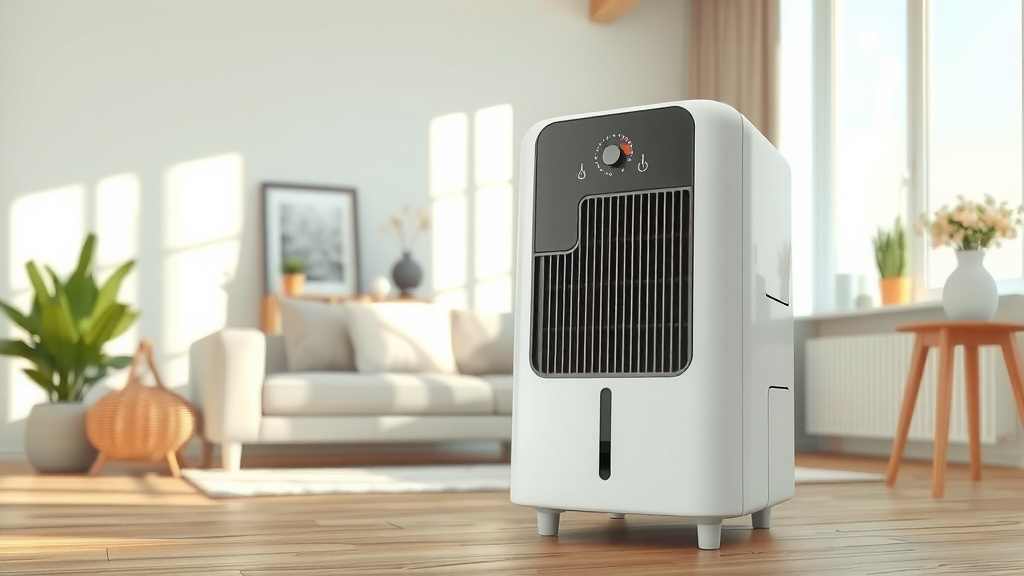
You can tell your dehumidifier is working effectively by observing key signs like a noticeably drier room, less musty odor, and a decrease in condensation on windows.
Additionally, a functioning dehumidifier will collect water in its reservoir, indicating it’s actively removing moisture from the air.
Here’s a quick summary of what to look for:
- Your dehumidifier is working if the air feels drier and less stuffy.
- Look for water collecting in the water tank regularly.
- Check for reduced condensation on windows and cooler, less clammy surfaces.
- A working unit will typically run for periods and make a gentle fan sound.
- No musty smells? That’s a great sign your dehumidifier is doing its job!
How Do I Know if Dehumidifier Is Working?
Knowing if your dehumidifier is truly pulling its weight can feel like a mystery. You plug it in, hear a hum, but is it actually making a difference? Let’s clear up that confusion and help you become a dehumidifier detection expert.
The Obvious Sign: Water in the Tank
This is often the first and most direct indicator. If your dehumidifier is working, it will collect water. Think of it like a thirsty sponge, just pulling moisture from the air and depositing it into its collection tank.
Check the reservoir after a few hours or a day of operation. If it’s collecting water, even a small amount, you know the unit is actively doing its job. No water at all might be a sign of a problem or a very dry room.
How Much Water is Normal?
The amount of water collected depends on a few factors. These include the room’s humidity level, the size of your dehumidifier, and how long it runs. In a very damp basement, you might empty the tank daily.
On a less humid day, it could take longer to fill. Don’t expect a full tank every few hours unless your space is incredibly saturated with moisture. Research shows that larger units naturally collect more water than smaller ones (Energy Star).
Feeling the Difference: Air Quality
When your dehumidifier is working, you should literally feel a change in the air. That heavy, sticky, oppressive feeling should disappear. The air becomes lighter and more comfortable.
Run your hand over surfaces like walls or furniture. They should feel less clammy or damp. Many experts say this noticeable shift in air quality is one of the most reliable signs.
The “Comfort Factor”
Have you ever walked into a room and just felt better? That’s the comfort factor at play. A working dehumidifier helps reduce allergens like dust mites and mold, which thrive in humid conditions.
You might find yourself breathing easier, especially if you have seasonal allergies. This improved feeling of well-being is a direct result of the machine reducing airborne moisture.
Visual Clues: Say Goodbye to Condensation
Excess humidity often shows itself as condensation. This means water droplets forming on cold surfaces, like windows, cold pipes, or even mirrors in a bathroom. It’s a clear sign of too much moisture.
If your dehumidifier is doing its job, you’ll see a significant reduction, or even a complete disappearance, of this condensation. The air just isn’t holding enough moisture for it to condense easily.
Listen and Learn: The Sounds of Success
Most dehumidifiers make a gentle whirring sound. This comes from the fan pulling in air and the compressor running. A constant, steady hum is usually a good sign that things are running as they should.
If the unit is completely silent when it should be running, that’s a red flag. A louder-than-usual grinding or rattling sound, however, might indicate a mechanical issue that needs attention.
Temperature and Humidity Readings: The Hard Data
For those who love objective proof, a hygrometer is your best friend. This small device measures the humidity level in a room. Before turning on your dehumidifier, note the reading.
After running the unit for several hours, check the hygrometer again. A significant drop in the humidity percentage confirms your dehumidifier is actively reducing moisture. This is concrete evidence.
Using a Hygrometer
Place your hygrometer away from the dehumidifier itself, ideally in the center of the room or near a problem area. This gives you a more accurate reading of the overall room humidity, not just the air right next to the unit.
We found that using a digital hygrometer often provides the most accurate and easy-to-read results (environmental health research).
When Your Dehumidifier Seems Off: Troubleshooting
Sometimes, your dehumidifier might not seem to be working, but it’s an easy fix. Don’t panic! A quick check of a few common issues can often get it back on track.
Think of it like a simple puzzle. Most problems have straightforward solutions that don’t require calling a professional. A little investigation can save you time and worry.
Common Issues and Quick Fixes
- Full Water Tank: Many units shut off automatically when the tank is full. Empty it!
- Dirty Filter: A clogged filter restricts airflow. Clean or replace it regularly.
- Incorrect Setting: Make sure the humidity level is set lower than the current room humidity.
- Blocked Air Vents: Ensure nothing is covering the intake or exhaust vents.
- Temperature Too Low: Some dehumidifiers struggle in very cold rooms (below 40°F / 5°C).
Is it Working Too Hard or Not Enough?
Finding the right balance is key. Your dehumidifier shouldn’t run constantly if the room humidity is under control. It should cycle on and off to maintain your desired humidity level.
If it never turns off, your set humidity might be too low, or the room might be extremely damp. If it rarely turns on, the room might already be dry enough, or the setting is too high.
Optimal Humidity Levels
Many experts, including those at the Mayo Clinic, recommend maintaining indoor humidity between 30% and 50%. This range is generally comfortable and helps prevent mold growth and dust mites.
Setting your dehumidifier within this range ensures it works efficiently without making the air too dry. Too dry air can lead to static electricity, dry skin, and discomfort.
Dehumidifier Working Checklist
Use this quick list to check your unit’s performance:
- Is the water tank collecting water?
- Does the air feel noticeably less humid and sticky?
- Is condensation on windows or cold surfaces reduced?
- Do you hear a consistent, normal operating sound?
- Does your hygrometer show a drop in humidity?
- Are musty odors less prominent or gone?
Here’s a quick summary of what to look for:
| Sign of a Working Dehumidifier | Potential Issue/Sign It’s Not Working |
|---|---|
| Water in the collection tank (even a little). | Tank is always empty (unless room is already very dry). |
| Room air feels drier and less stuffy. | Air still feels heavy, sticky, or damp. |
| Reduced or no condensation on windows/pipes. | Condensation persists or is forming. |
| A consistent, normal fan sound when running. | No sound, or grinding/rattling noises. |
| Hygrometer shows humidity dropping to target level. | Hygrometer shows no change, or very little. |
| Musty odors diminish or disappear entirely. | Strong musty or mildew smells remain. |
Conclusion
Verifying your dehumidifier’s operation doesn’t have to be a guessing game. By paying attention to these simple signs – water collection, air feel, visual clues, and sound – you can confidently assess its performance. Remember, a working dehumidifier makes a real difference in your home’s comfort and air quality. Keep an eye on those indicators, and your home will thank you with a healthier, drier environment.
How long should a dehumidifier run to see results?
You should start to notice results within 24 to 48 hours of continuous operation. In very damp environments, it might take a bit longer to achieve your desired humidity level. Consistency is key.
Why is my dehumidifier running but not collecting water?
This can happen for a few reasons. The room might already be quite dry, the filter could be clogged, the unit might be set to a higher humidity level than currently exists, or the ambient temperature might be too low for it to operate effectively. Check these basic points first.
Can a dehumidifier make a room too dry?
Yes, if left unchecked or set to a very low humidity target, a dehumidifier can make a room too dry. This can cause discomfort like dry skin, static electricity, and may even affect wooden furniture. Aim for a healthy humidity range of 30% to 50%.
How often should I empty the water tank?
The frequency depends on your room’s humidity and the tank size. In a humid environment, you might need to empty it daily. In less humid spaces, every few days or even once a week might suffice. Many modern units have an indicator light when the tank is full.
What is the ideal humidity level for a home?
We found that many experts recommend maintaining indoor humidity between 30% and 50%. This range is generally considered comfortable for most people and helps reduce the growth of mold, mildew, and dust mites.
