
Does Dehumidifier Use a Lot of Energy?
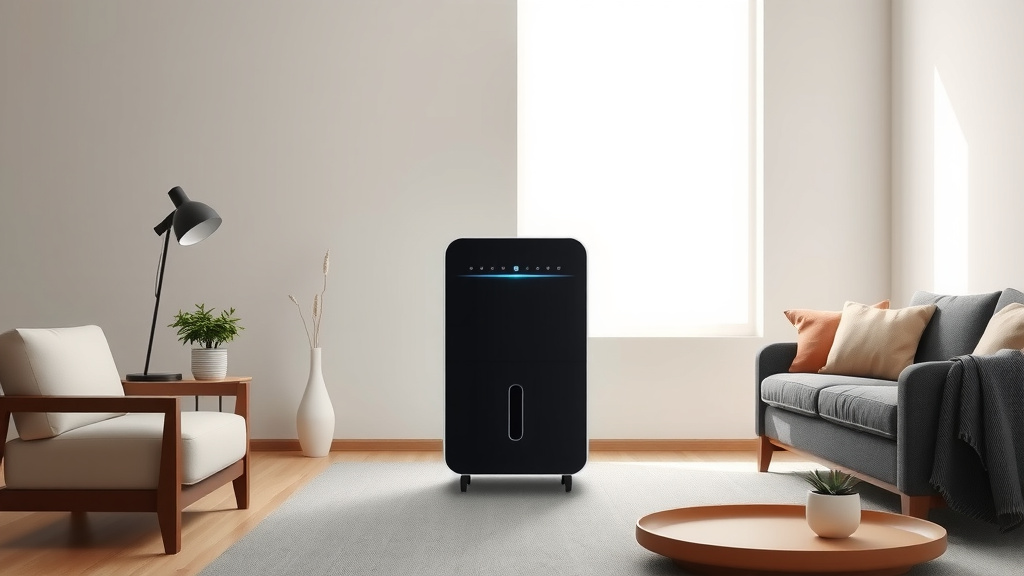
Dehumidifiers can use a moderate amount of energy, typically ranging from 300 to 700 watts per hour, similar to a refrigerator or a window AC unit.
The actual energy consumption of a dehumidifier heavily depends on its size, efficiency, humidity levels, and how often it runs.
- Dehumidifier energy use isn’t fixed; it varies greatly.
- Modern, Energy Star rated units are surprisingly efficient.
- Factors like unit size, room humidity, and run time determine your bill.
- Smart usage and proper sizing can significantly lower operating costs.
- You can definitely manage energy use effectively with a few simple steps.
Hey there! Are you wrestling with high humidity, worried about mold, and wondering if adding a dehumidifier will send your electricity bill soaring? That’s a common concern, and a very good one to consider before you buy. Let’s break down the truth about dehumidifier energy use, so you can make a smart choice for your home and your wallet.
Does Dehumidifier Use a Lot of Energy?
Not necessarily. While they do consume electricity, many modern dehumidifiers are designed with energy efficiency in mind. Their energy usage is quite comparable to other common household appliances.
Understanding Dehumidifier Energy Consumption
Think of your dehumidifier like a tiny, dedicated air conditioner. It pulls in humid air, cools it to condense moisture, and then releases drier air back into your space. This process requires electricity, just like any appliance with a motor and a compressor.
The amount of energy used changes based on several key elements. It’s not a one-size-fits-all answer, as you might imagine. We found that the biggest factors include the unit’s capacity, its age, and how often it cycles on and off.
Key Factors Affecting Your Dehumidifier’s Energy Bill
What makes one dehumidifier a power sipper and another a gulp-guzzler? Let’s look at the main culprits.
Unit Size and Capacity
Dehumidifiers come in different sizes, measured in pints per day. A larger unit, say a 50-pint model, will naturally use more watts than a 30-pint model if both are running continuously. This is because it has a more powerful compressor to remove more moisture.
But here’s the catch: an undersized unit might run constantly, trying to keep up. This can actually use more energy than a properly sized one that cycles off more often. It’s a bit like driving a small car with its foot always on the gas.
Energy Star Rating Matters
This is a big one. An Energy Star certified dehumidifier is designed to be more efficient than conventional models. These units use about 15% less energy (Energy Star). This means real savings over the lifetime of the product.
We often tell people to look for this label. It’s an easy way to ensure you’re getting a unit that has met strict energy efficiency guidelines.
Current Humidity Levels
The more moisture in the air, the harder your dehumidifier has to work. If your basement is like a tropical rainforest, your unit will run longer and pull more power. As humidity drops, the unit will cycle less frequently.
This is why setting your target humidity is important. Aim for 45-55% relative humidity for comfort and efficiency, as many experts suggest (EPA).
Run Time and Cycle Frequency
This one is simple: the longer your dehumidifier runs, the more energy it uses. If it’s always on, your bill will show it. If it cycles on for an hour, then off for two, your energy use will be lower.
Proper sizing and strategic placement can help reduce overall run time. Many experts say that allowing the unit to reach its target humidity and then rest is ideal.
Comparing Dehumidifier Energy Use to Other Appliances
To put things in perspective, let’s see how dehumidifiers stack up. A typical 50-pint dehumidifier might use 500 watts per hour. What does that mean in real terms?
| Appliance Type | Typical Wattage | Notes |
|---|---|---|
| Refrigerator | 100-200 W (cycling) | Runs constantly, but cycles compressor |
| Window AC Unit (Small) | 500-1000 W | Similar motor/compressor size |
| Microwave Oven | 600-1500 W | High wattage, but short burst use |
| Desktop Computer | 60-300 W | Continuous use for many hours |
| Dehumidifier (50-pint) | 300-700 W | Varies with humidity and efficiency |
As you can see, a dehumidifier’s wattage is similar to a window air conditioner. It’s not the highest draw, but continuous use does add up.
Calculating Your Dehumidifier’s Cost to Run
Want to get specific? Here’s a simple way to estimate your cost:
Power (Watts) / 1000 = Power (kWh)
Power (kWh) x Hours Run per Day x Days per Month x Electricity Rate ($/kWh) = Monthly Cost
For example, a 500-watt dehumidifier running 12 hours a day at $0.15 per kWh:
(500 / 1000) kWh x 12 hours/day x 30 days/month x $0.15/kWh = $27 per month.
This example shows a potential cost, but remember, actual usage will vary. Many units don’t run 12 hours straight every day.
Practical Tips to Reduce Dehumidifier Energy Use
You can definitely lower your operating costs without sacrificing comfort. Here are some smart strategies:
- Choose the Right Size: Match the unit’s capacity to your room size and humidity level. Bigger isn’t always better for efficiency.
- Look for Energy Star: This certification is your friend for saving money.
- Set the Humidistat Wisely: Aim for 45-55% relative humidity. Setting it too low will make the unit run constantly.
- Seal Leaks: Block air leaks in your basement or room. Less outside humidity means less work for your unit.
- Close Doors and Windows: Keep the dehumidified space isolated. Don’t let new moist air keep coming in.
- Clean Filters Regularly: A dirty filter restricts airflow, making the motor work harder. We found that cleaning or replacing filters boosts efficiency.
- Consider Continuous Drainage: If your unit has it, use a hose for continuous drainage. This avoids the unit shutting off when the bucket is full.
- Place it Strategically: Put the unit in a central location, away from walls, to allow for optimal airflow.
- Ventilation First: Sometimes, a good fan or opening a window for a short time can help reduce humidity before you even turn on the dehumidifier.
Benefits Outweighing the Energy Cost
While energy use is a valid concern, the benefits of a dehumidifier are significant. They protect your home and your health.
Maintaining proper humidity levels can prevent mold and mildew growth (CDC), which can cause respiratory issues. It also protects your belongings, like wooden furniture and electronics, from moisture damage.
Many people find their homes feel much more comfortable. Lower humidity can even make your home feel cooler, so you might use your air conditioning less. Think of it as an investment in a healthier, happier living space.
Checklist for Energy-Efficient Dehumidifier Use
- Is your dehumidifier Energy Star rated?
- Is the unit correctly sized for your space?
- Is the humidistat set to 45-55%?
- Are all windows and doors closed in the dehumidified area?
- Have you cleaned the air filter recently?
- Is the unit placed for optimal airflow?
Conclusion
Does a dehumidifier use a lot of energy? The simple answer is: it depends, but with smart choices and careful usage, you can keep those energy costs very reasonable. By selecting an Energy Star model, sizing it correctly, and following a few simple tips, you can enjoy all the benefits of a drier, healthier home without a shocking electricity bill. It’s all about balance and making informed decisions for your comfort and budget.
How much does it cost to run a dehumidifier for a month?
The monthly cost varies greatly based on your unit’s wattage, how many hours it runs per day, and your local electricity rate. A typical 500-watt unit running 12 hours a day at $0.15/kWh might cost around $27 per month, but your specific cost will differ.
Is it better to run a dehumidifier continuously or only when needed?
Running a dehumidifier only when needed, or allowing it to cycle on and off based on its humidistat setting, is generally more energy-efficient. Continuous operation means constant energy draw. The goal is to maintain a stable humidity level, not to run it non-stop.
Do all dehumidifiers use the same amount of power?
No, not at all. Power usage varies significantly by the unit’s capacity (pints per day), its efficiency rating (e.g., Energy Star certified models use less), and its overall design. Larger units generally consume more watts than smaller ones.
Can a dehumidifier make my electricity bill higher than my air conditioning?
It’s possible, especially if you have a smaller AC unit or run your dehumidifier very frequently in a highly humid environment. However, a well-matched, efficient dehumidifier often has a lower energy draw than a central air conditioning system, though a window AC unit might be comparable.
What is the most energy-efficient dehumidifier type?
Most residential dehumidifiers are compressor-based. For maximum energy efficiency, always look for an Energy Star certified model. These units meet strict efficiency guidelines and are designed to remove more moisture per kilowatt-hour of electricity consumed.
