
Does Dehumidifier Shut Off When Humidity Level Is Reached?
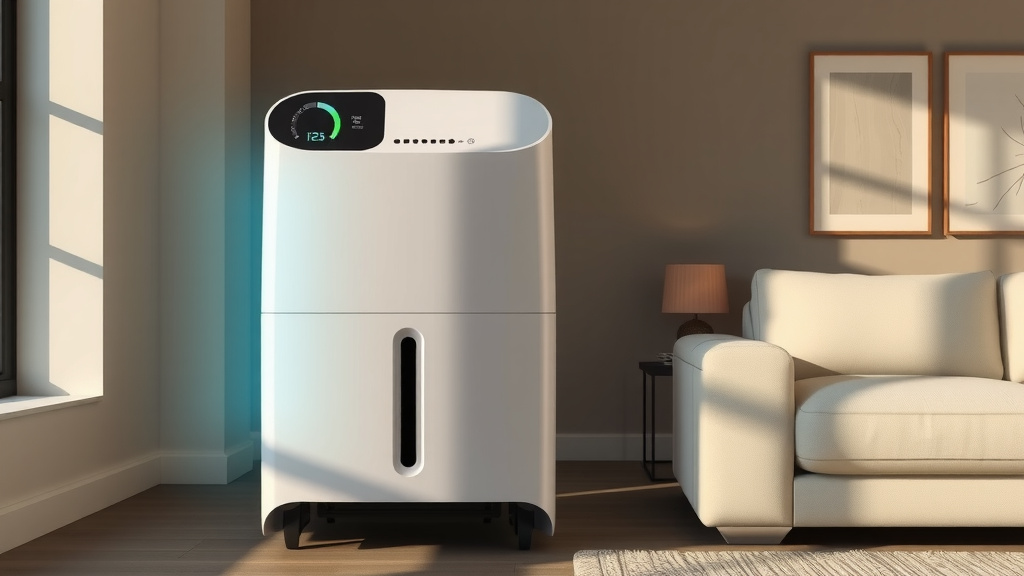
Yes, most modern dehumidifiers are designed to shut off automatically once your desired humidity level is reached.
This smart feature, managed by a built-in device called a humidistat, helps save energy and maintains comfortable, healthy air in your home.
- A dehumidifier uses a humidistat, much like a thermostat for temperature, to sense the air’s moisture.
- Once the humidity drops to your set point, the machine pauses, only restarting when levels rise again.
- This automatic on/off cycle saves energy, extends the unit’s lifespan, and prevents your air from becoming too dry.
- You’ll enjoy consistent comfort without constant manual adjustments or wasted electricity.
- Regular cleaning and proper placement ensure your dehumidifier functions efficiently and shuts off correctly.
Does Dehumidifier Shut Off When Humidity Level Is Reached?
Absolutely, yes! Your dehumidifier is a smart appliance designed to maintain a specific comfort zone in your home. It won’t just run forever.
When the humidity level you’ve set is met, it will automatically power down, giving you peace of mind and saving energy.
How Your Dehumidifier Knows When to Stop
Ever wonder how your dehumidifier knows when its job is done? It’s all thanks to a clever little sensor called a humidistat.
Think of it like a thermostat, but for moisture instead of temperature. You set your ideal humidity, and the humidistat does the rest.
The Magic of the Humidistat
The humidistat continuously monitors the air’s moisture content. When the humidity rises above your set point, the dehumidifier kicks into gear.
Once the air is dry enough, matching your chosen setting, the humidistat signals the unit to pause. This keeps your home just right.
Why Automatic Shut-Off Is a Game Changer
This automatic feature isn’t just a convenience; it’s a necessity. It ensures your home remains comfortable without you constantly monitoring it.
You won’t have to worry about the air becoming too dry, which can also cause problems for you and your home.
Energy Efficiency at Its Best
One of the biggest benefits is energy saving. Your dehumidifier only runs when it needs to, preventing unnecessary power consumption.
Many experts say this feature can significantly reduce your electricity bill, especially during humid seasons (Energy Star).
Extending Your Dehumidifier’s Lifespan
Just like any appliance, constant running can lead to wear and tear. The automatic shut-off feature gives your unit a much-needed break.
This on-demand operation helps to preserve the internal components, extending the overall life of your investment.
Setting the Right Humidity Level for Your Home
Finding the perfect humidity level is key to comfort and health. Most experts recommend keeping your indoor relative humidity between 40% and 50%.
Going much higher encourages mold, while going too low can cause dry skin and static electricity.
Health Benefits of Optimal Humidity
Maintaining proper humidity can drastically improve your indoor air quality. It helps prevent the growth of common allergens like dust mites and mold (CDC).
Research often connects optimal humidity with better respiratory health and reduced allergy symptoms (NIH).
What Happens If Your Dehumidifier Doesn’t Shut Off?
If your unit keeps running past your set point, it’s a sign something might be amiss. This can lead to issues that are both uncomfortable and costly.
You might notice your air becoming uncomfortably dry, causing issues like static shocks or even damage to wooden furniture.
Wasted Energy and Wear
A constantly running dehumidifier is like leaving a light on when you’re not in the room. It’s a waste of electricity and puts unnecessary strain on the motor.
This can lead to higher energy bills and a shorter lifespan for your appliance.
Common Reasons a Dehumidifier Might Not Shut Off
Don’t panic if your dehumidifier seems to be overworking. There are several straightforward reasons why it might not be shutting off as expected.
Often, it’s a simple fix that you can handle yourself with a little know-how.
Incorrect Humidity Setting
Did you accidentally set the humidity level extremely low? If you set it to 30%, it will work harder to reach that drier air.
Double-check your preferred setting to ensure it’s within the recommended 40-50% range. Sometimes it’s just a quick adjustment needed.
Large or Leaky Space
Is your dehumidifier trying to dry out a massive room or a space with constant moisture intrusion, like a leaky basement?
If the space is too large for its capacity, or there’s a continuous source of new moisture, it may never reach the desired humidity and keep running.
Dirty Air Filter
A clogged air filter restricts airflow, making your dehumidifier work much harder to pull moisture from the air. We found this is a common culprit.
Think of it like trying to breathe through a stuffy nose; it just isn’t efficient. A clean filter improves efficiency dramatically.
Humidistat Malfunction
Sometimes, the humidistat itself might be faulty. If it’s not reading the air accurately, it won’t signal the unit to turn off.
This is less common but can happen. If other solutions don’t work, this might be the reason for its continuous operation.
Quick Troubleshooting Checklist
- Check your desired humidity setting.
- Clean the air filter regularly.
- Ensure the room size matches the unit’s capacity.
- Look for open windows or doors letting in humid air.
- Empty the water bucket (if full and not continuously draining).
Maintaining Your Dehumidifier for Optimal Performance
Just like any appliance, your dehumidifier benefits from a little TLC. Regular maintenance ensures it continues to work efficiently and reliably.
This helps the unit sense humidity correctly and shut off when it should, preventing unnecessary running.
Regular Filter Cleaning
Make it a habit to clean or replace your dehumidifier’s air filter every few weeks, or as recommended by the manufacturer. A clean filter is a happy filter!
This simple step drastically improves airflow and efficiency, helping the unit detect humidity levels more accurately.
Keeping Coils Clean
Over time, dust can build up on the dehumidifier’s coils. This dust acts as an insulator, reducing its ability to extract moisture effectively.
Gently wiping down the coils a couple of times a year can boost performance and ensure proper shut-off.
Benefits of a Properly Functioning Dehumidifier
When your dehumidifier is running smoothly, shutting off at the right time, you reap numerous rewards beyond just comfort.
It’s an investment in your health, your home, and your wallet.
| Humidity Level | Effect on Home & Health |
|---|---|
| > 60% | Mold, mildew, dust mites, musty odors |
| 50-60% | Increased discomfort, sticky feeling |
| 40-50% | Ideal comfort, healthy air, no mold growth |
| < 30% | Dry skin, static electricity, wood damage |
Protecting Your Home’s Structure
Excess humidity can damage wooden furniture, floors, and even the structural integrity of your home. It can warp wood and peel paint.
A well-maintained dehumidifier helps to preserve your home’s value and prevents costly repairs down the line.
Enhanced Comfort and Air Quality
There’s nothing worse than a sticky, clammy feeling indoors. A functioning dehumidifier creates a much more pleasant living environment.
You’ll breathe easier, feel cooler, and notice a significant reduction in musty odors, making your home a true sanctuary.
When to Call a Professional
While many dehumidifier issues are easy DIY fixes, some problems might require expert attention. Don’t hesitate to seek help if you’re unsure.
If you’ve tried troubleshooting and your unit still isn’t shutting off, or if it’s making strange noises, a professional can diagnose the issue.
Conclusion
Your dehumidifier is designed to be a smart, efficient helper in managing your home’s humidity. The automatic shut-off feature, controlled by its humidistat, is crucial for both energy saving and maintaining a healthy indoor environment.
By understanding how it works, setting appropriate humidity levels, and performing simple maintenance, you ensure your unit operates at its best, providing you with consistent comfort and protecting your home from excess moisture. If it ever acts up, remember that often a simple check is all it takes to get it back on track.
How do I know what humidity level to set on my dehumidifier?
Most experts recommend setting your dehumidifier between 40% and 50% relative humidity. This range is generally considered ideal for comfort and preventing mold growth without making the air too dry. You might adjust it slightly based on your personal comfort or specific home needs, but 45% is often a great starting point.
Can a dehumidifier make the air too dry?
Yes, if your dehumidifier lacks a humidistat or if the humidistat is faulty and doesn’t shut off, it can make the air too dry. Excessive dryness can cause issues like dry skin, irritated sinuses, static electricity, and can even damage wooden furniture or musical instruments. This is why the auto shut-off feature is so important.
How often should I empty the water bucket?
The frequency depends on the humidity level in your home and the size of your dehumidifier’s water bucket. In very humid conditions, you might need to empty it daily. Many modern units have a “bucket full” indicator and will automatically shut off until emptied. For continuous operation, consider connecting a drain hose.
Does placing a dehumidifier in a colder room affect its ability to shut off?
Yes, colder temperatures can affect a dehumidifier’s efficiency and operation. Most dehumidifiers work best in temperatures above 65°F (18°C). In very cold rooms, frost can build up on the coils, causing the unit to work less efficiently or even shut down to defrost, which might prevent it from reaching your desired humidity and shutting off normally.
Is it normal for a dehumidifier to cycle on and off frequently?
Yes, it’s completely normal for a dehumidifier to cycle on and off. This is a sign that its humidistat is working correctly, sensing when the humidity level rises above your set point and then pausing when it drops below. This cycling is how the unit maintains a consistent humidity level while conserving energy.
