Use, Care and Repairs
Is It Safe to Use a Dehumidifier on an Extension Cord?
Discover if using a dehumidifier on an extension cord is safe. Learn essential safety tips and guidelines to protect your home and prevent hazards.
Get help with setup, safe use, cleaning, drainage, maintenance and common problems.
Discover if using a dehumidifier on an extension cord is safe. Learn essential safety tips and guidelines to protect your home and prevent hazards.
Is your dehumidifier water tank overflowing? Learn the common causes and how to troubleshoot this issue for a dry, comfortable home.
Is your dehumidifier making a clicking noise? Learn common causes and how to troubleshoot this sound to get your unit running smoothly again.
Why Does My Dehumidifier Stop After a Few Minutes? Check common causes, what to inspect, and practical steps that may solve the problem. Learn what to check.
Is your dehumidifier compressor not kicking on? Learn common causes and troubleshooting steps to get your unit working again.
Discover if you can use a dehumidifier without emptying it manually. Learn about continuous drainage options and how they work to keep your home dry.
Learn if your dehumidifier can catch fire and discover the risks, causes, and crucial safety tips to prevent overheating and protect your home.
Learn if you can empty a dehumidifier into a sink, understand the best practices, and avoid potential issues with draining your unit.
Learn how to clean mold off your dehumidifier bucket safely and effectively. Keep your air clean with these simple steps for a healthier home.
Tired of a noisy dehumidifier? Learn how to quiet down your loud dehumidifier with simple tips and solutions for a more peaceful home.

How Long Does a Dehumidifier Last? Learn the usual lifespan, what affects durability, and signs that service may be due. Learn what to check before choosing.
Learn how often you should empty your dehumidifier for optimal performance and to prevent mold and mildew growth. Keep your home dry and healthy.
Discover if it's safe to put a dehumidifier near your bed. Learn about potential risks and how to ensure a healthy sleeping environment.

Dehumidifier water safe to drink? Discover the potential risks and benefits of drinking this collected water and what you should know.
Running a dehumidifier with pets? Learn if it's safe for your furry friends and how to ensure a healthy environment for everyone.
Dehumidifier shutting off by itself? Discover common reasons from full tanks to faulty sensors and find solutions to keep your home dry and comfortable.
Is your dehumidifier not draining through the hose? Discover common reasons and simple fixes to get your appliance working properly again.
New dehumidifier not working? Discover common reasons and practical solutions to get your unit back to protecting your home from moisture.
Why Is My Dehumidifier Bucket Full So Fast? Check common causes, what to inspect, and practical steps that may solve the problem. Learn what to check.
Dehumidifier coils icing up? Learn common causes like poor airflow or low temperatures and how to fix them for optimal performance.
Dehumidifier pump not working? Discover common causes and troubleshooting steps to get your unit draining effectively again.
Why Does My Dehumidifier Keep Tripping the Breaker? Check common causes, what to inspect, and practical steps that may solve the problem. Learn what to check.

Dehumidifier tripping GFCI outlet? Learn common causes and fixes for this frustrating electrical issue to get your appliance running safely again.
Is your dehumidifier blowing warm air? Discover common reasons and solutions to get your appliance working efficiently again.
No, you cannot run a dehumidifier indefinitely without emptying the water bucket. Once the bucket is full, a built-in sensor will trigger an automatic shut-of

Is dehumidifier water safe to drink? Learn about the potential contaminants and health risks before considering it for consumption.
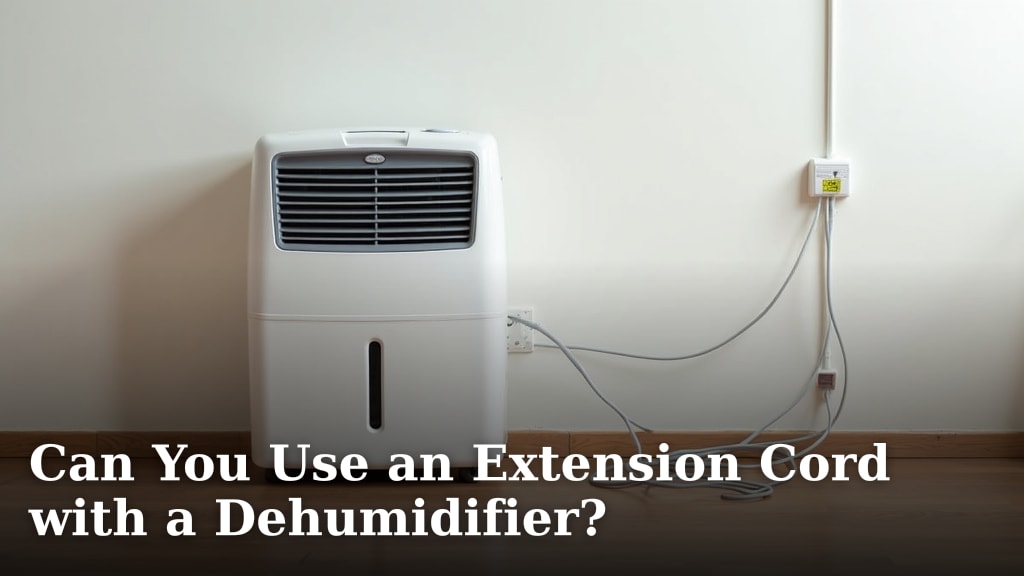
Yes, you can use an extension cord with a dehumidifier, but you must choose the right one to stay safe. A heavy-duty, grounded cord with a thick gauge is esse
Learn how to empty a dehumidifier bucket safely and efficiently. This guide covers step-by-step instructions for hassle-free maintenance.
Learn how to install a drain hose on a dehumidifier quickly and easily. This guide provides clear steps to set up continuous drainage for a drier home.
Learn how to reset a dehumidifier and troubleshoot common issues. Get your unit working efficiently again with our simple, step-by-step guide.

Learn how to store a dehumidifier for winter properly. This guide covers essential steps to protect your unit and ensure it's ready for next season.

Wondering if you can leave a dehumidifier running while on vacation? Discover the pros, cons, and essential safety tips for peace of mind.

Discover the best dehumidifier setting for winter to prevent mold, protect your home, and improve air quality. Optimize comfort and efficiency.
Optimize your home's comfort this summer. Discover the best dehumidifier setting for ideal humidity levels and energy efficiency.
Why Does My Dehumidifier Run Constantly without Shutting Off? Check common causes, what to inspect, and practical steps that may solve the problem.
Troubleshoot why your dehumidifier is not reaching the set humidity. Discover common issues and solutions to restore optimal moisture control in your home.
Stop your dehumidifier from freezing! Learn common causes and easy troubleshooting steps to fix a dehumidifier that keeps freezing and restore its efficiency.
Maximize your dehumidifier's efficiency. Learn how to place a dehumidifier for best results and combat excess moisture effectively.

Dehumidifier not lowering humidity? Discover common reasons your unit isn't working and how to troubleshoot the issue effectively.
Dehumidifier fan running but no water? Discover common reasons your unit isn't collecting moisture and learn simple solutions to fix it.
Wondering how long a dehumidifier should run each day? Get expert insights on optimal run times for effective moisture control and a healthier home.
Concerned about leaving your dehumidifier on unattended? Learn the safety precautions, potential risks, and best practices for worry-free operation.
Wondering, Is it safe to sleep with a dehumidifier on? Discover the benefits, risks, and essential tips for using your dehumidifier safely overnight.
Is your dehumidifier not turning on? Discover common reasons why, from power issues to full water tanks, and get it running again.
Why Does My Dehumidifier Smell Bad? Check common causes, what to inspect, and practical steps that may solve the problem. Learn what to check before choosing.
Is your dehumidifier leaking water? Discover common causes like a full bucket, clogged drain, or ice build-up, and find easy solutions to fix it.
Is your dehumidifier so loud it's distracting? Discover common causes, from dirty coils to compressor issues, and quiet your unit for good.
Can a dehumidifier freeze up? Understand why it happens, common causes, and expert tips to prevent ice buildup and maintain efficiency.
Is your dehumidifier freezing up? Discover common causes like low temperatures or dirty coils and learn simple fixes to get your unit running efficiently again.

Wondering if you can leave a dehumidifier on overnight? Learn the safety considerations and best practices for continuous operation.

Is your dehumidifier frozen? Learn how to defrost a dehumidifier safely and efficiently with our step-by-step guide, ensuring optimal performance.
Troubleshoot your dehumidifier not draining with our comprehensive guide. Learn common causes and simple solutions to get your unit working efficiently again.

Learn how to clean a dehumidifier filter effectively using simple steps. Maintain your unit's efficiency and air quality with our easy guide.
Learn how to drain a dehumidifier continuously for hassle-free moisture control. Discover setup, direct drainage, and maintenance tips for consistent comfort.

Can You Run a Dehumidifier All the Time? Learn what to expect, which factors matter, and when another approach may help. Learn what to check before choosing.
Dehumidifier not collecting water? Discover common issues from full buckets to frozen coils. Troubleshoot your appliance with expert advice.
Discover how to clean a dehumidifier step-by-step. Keep your unit efficient, prevent mold, and improve air quality with our easy guide.
To effectively run a dehumidifier, aim for about 12 to 16 hours a day initially until your desired humidity level is reached. After achieving your target, you
A dehumidifier collects varying amounts of water, typically ranging from 10 to 90 pints (or 1.25 to 11.25 gallons) per day, depending on its capacity and the

Determining how many dehumidifiers you need typically depends on your home’s size, layout, specific problem areas, and existing humidity levels. Most homes of

After a shower, you should typically run your dehumidifier for 30 minutes to 2 hours, or until the humidity level in the bathroom or surrounding area drops be

After moving your dehumidifier, you should typically leave it upright and untouched for at least 1 to 4 hours. This wait time allows the internal compressor o

A dehumidifier can run continuously for many hours, even days, especially when you’re initially trying to reduce high humidity levels in a space. However, for

A dehumidifier hose can typically be 6 to 20 feet long for standard gravity drainage, though specialized pumps allow for much longer distances, potentially re
How Hot Should a Dehumidifier Compressor Get? Learn typical operating temperatures, warning signs, and when the unit needs attention. Learn what to check.

A dehumidifier can fill up anywhere from a few hours to a day or more, depending on several key factors like your home’s humidity and the unit’s capacity. Thi

You can often tell if your dehumidifier compressor is bad by listening for unusual noises, feeling for a lack of vibration, or noticing the unit fails to coll
You can tell your dehumidifier is working effectively by observing key signs like a noticeably drier room, less musty odor, and a decrease in condensation on

To fix your dehumidifier, often you can start by checking basic issues like the power supply, ensuring the water tank is correctly seated, and cleaning the ai

To clean your dehumidifier filter, gently remove it, typically from the back or side of the unit. Then, vacuum loose dust and wash it with mild soap and warm

Dehumidifier water, often called condensate, can be surprisingly dirty, containing various airborne particles and microorganisms from your home’s air. It is g

Yes, your Midea dehumidifier is designed with smart features to turn off automatically, ensuring efficient operation and energy saving. This auto-shutoff mech

Goodwill generally does not accept dehumidifiers due to concerns over refrigerants and environmental regulations, especially for older models. Most Goodwill l
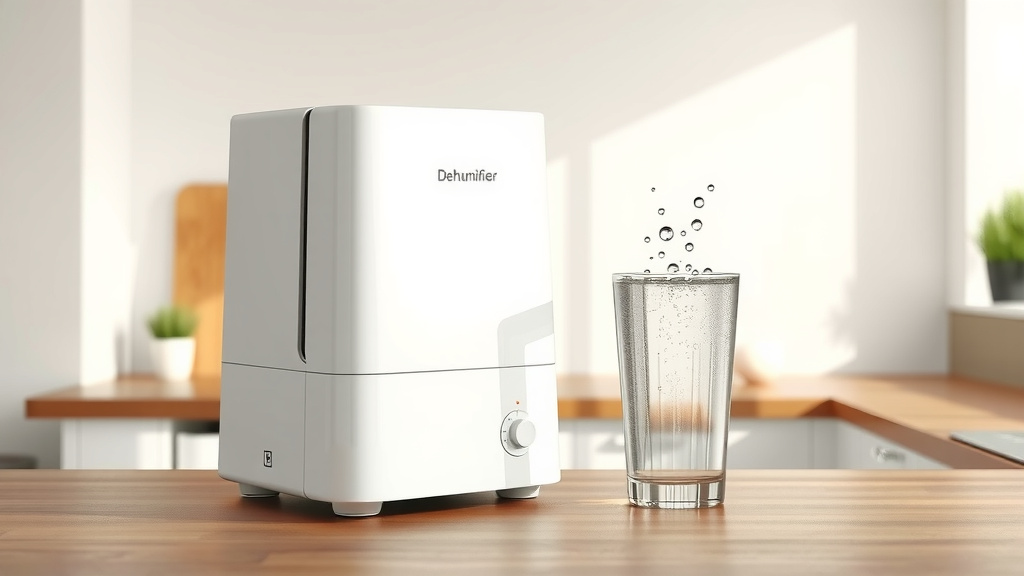
Dehumidifier water typically contains very few minerals because the dehumidification process removes moisture from the air, not dissolved solids. While trace
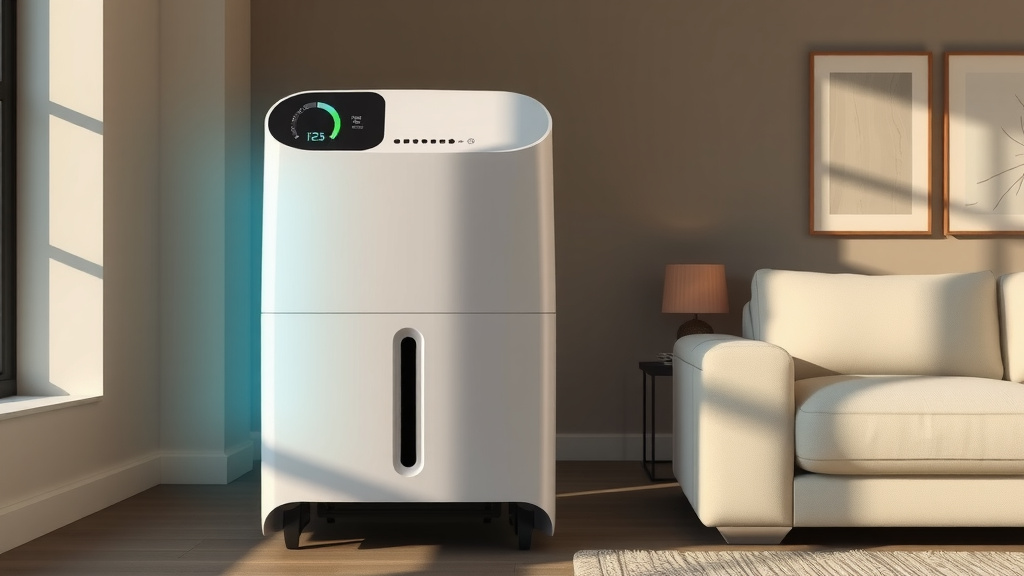
Yes, most modern dehumidifiers are designed to shut off automatically once your desired humidity level is reached. This smart feature, managed by a built-in d

Yes, many appliance repair shops and HVAC technicians offer services to repair dehumidifiers. Finding a skilled technician to repair your dehumidifier depends

A dehumidifier struggles to effectively remove moisture from rooms with closed doors because air circulation is blocked. For optimal results, a dehumidifier n

A dehumidifier generally works better with the door closed to confine its operation to a specific area and efficiently remove moisture. Keeping the door close
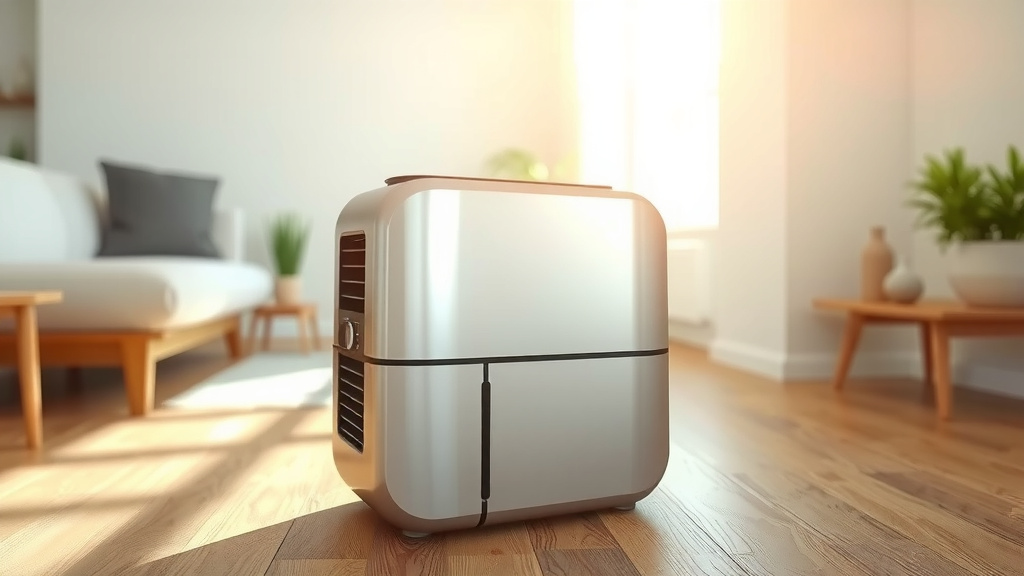
Modern dehumidifiers typically do not contain Freon; instead, they use safer, more environmentally friendly refrigerants like R-410A or R-134a. Older dehumidi

Yes, many common dehumidifiers, especially the larger, more powerful ones, definitely have a compressor. This component is key to how a refrigerant dehumidifi

No, modern dehumidifiers do not contain Freon. Today’s dehumidifiers utilize safer, more environmentally friendly refrigerants, primarily R-410A or R-134a, to

Running a dehumidifier all year is often beneficial for homes in consistently humid climates or those with persistent moisture issues. It can prevent mold gro
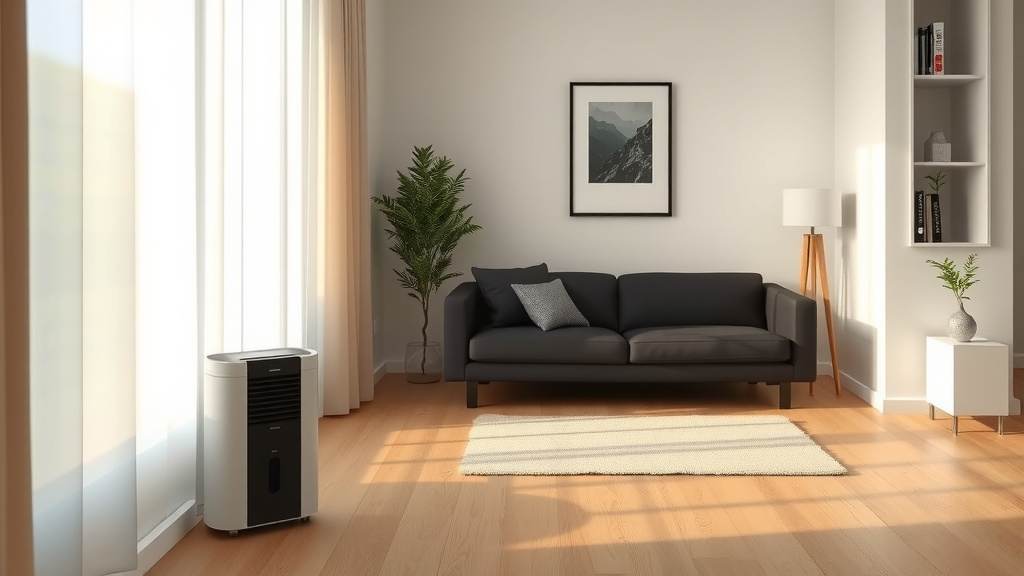
You often need to use a dehumidifier every day if your home consistently experiences high humidity levels, typically above 50-60%. This consistent use helps p

Yes, most traditional dehumidifiers require regular emptying of their water collection tank. This manual task is essential for the unit to continue removing m

Yes, you generally have to empty a dehumidifier’s water collection bucket to prevent it from overflowing and stopping operation. However, many modern dehumidi

Yes, you absolutely need to empty a dehumidifier if it operates with a collection bucket. This essential task prevents overflows and ensures your unit continu

Most pawn shops generally do not buy dehumidifiers due to their specialized nature, potential for hidden issues, and limited resale market. You might find a f

No, you never put water into your dehumidifier. A dehumidifier’s main job is to pull excess moisture out of the air, collecting that water in a reservoir.

You might need two dehumidifiers if your home is large, has multiple problem areas with high humidity, or if a single unit isn’t effectively lowering moisture

Yes, you absolutely need to clean your dehumidifier regularly to maintain its efficiency and prevent health issues. Neglecting your dehumidifier’s cleanliness

You might need multiple dehumidifiers if your home is large, has multiple problem areas like a damp basement and a humid upstairs, or if one unit cannot effec

You might need more than one dehumidifier if you have a large home, multiple enclosed rooms with separate humidity issues, or persistent dampness in distinct

No, you absolutely do not add water to a dehumidifier. Adding water to a dehumidifier would counteract its primary function, which is to extract excess moistu

Dehumidifiers can work through doors, but their effectiveness significantly drops as you move further from the unit and the space isn’t sealed. For the best r
Dehumidifiers absolutely need to be plugged into a working electrical outlet to operate and remove moisture from your home. Without a steady power supply, the
Yes, dehumidifiers absolutely need to be cleaned regularly to work efficiently and prevent health issues. Think of it like changing the oil in your car; maint
Yes, dehumidifiers absolutely need maintenance to run efficiently and last longer. Just like any hardworking appliance, regular cleaning and checks help your

Yes, most dehumidifiers absolutely need filters to operate effectively and efficiently. These filters play a crucial role in maintaining your indoor air quali
Yes, many common household dehumidifiers, specifically compressor or “refrigerant-based” models, do contain refrigerant. These units operate much like a refri
No, most standard dehumidifiers do not come equipped with HEPA filters. Their primary function is to remove excess moisture from the air, not to filter micros

Yes, most dehumidifiers do have filters, and they absolutely need regular cleaning or replacement to maintain efficiency and air quality. Ignoring this small

Yes, many common types of dehumidifiers do contain coolant, also known as refrigerant. These are known as refrigerant or compressor dehumidifiers, and they re
Yes, many traditional dehumidifiers do contain refrigerant, much like your refrigerator or air conditioner. These appliances use a cooling coil and a fan to r
No, not all dehumidifiers have filters. While most modern dehumidifiers include a filter for air quality and machine longevity, some basic or older models mig

Using tap water in a dehumidifier is generally not recommended because it contains minerals and impurities that can cause significant damage over time. These
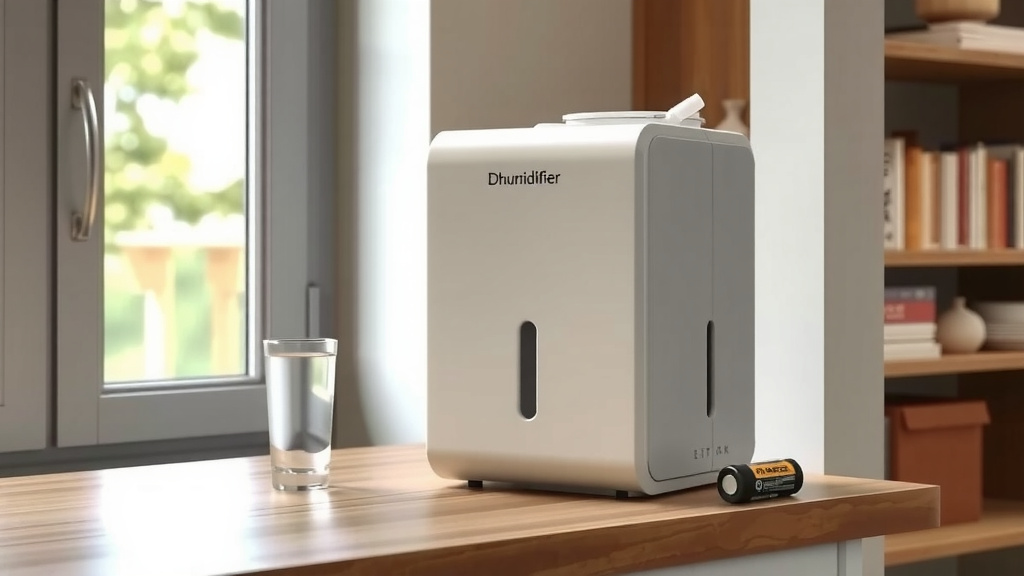
No, you absolutely should not use dehumidifier water in a battery. It contains impurities that can severely damage your battery and shorten its lifespan. Dehu

Yes, you can often use a standard garden hose with your dehumidifier, but there are a few important things to check first. Make sure your dehumidifier has a c
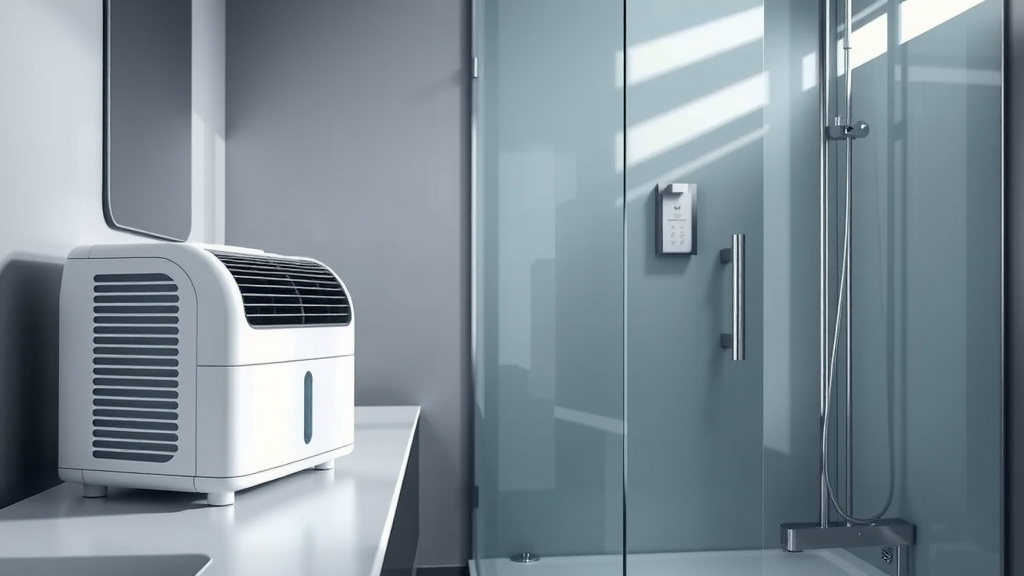
No, it is generally not recommended to use a dehumidifier directly inside the bathroom while you are showering due to significant electrical safety concerns.

Yes, you absolutely can and often should use a dehumidifier upstairs to control moisture, improve comfort, and protect your home from humidity-related issues.
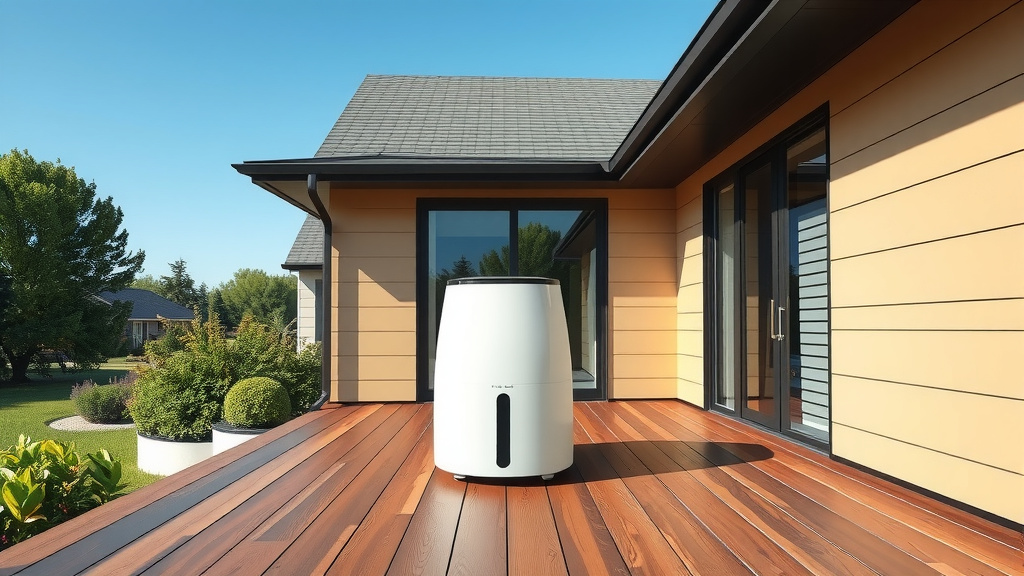
Using a dehumidifier outside is generally not recommended because most residential units are not designed to withstand outdoor elements like rain, dust, and e
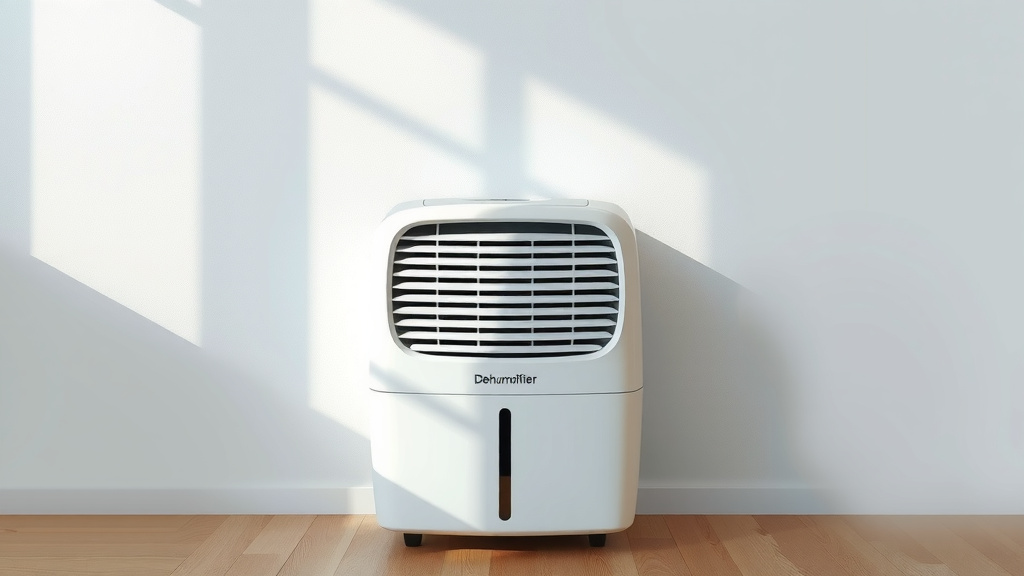
No, you generally cannot throw a dehumidifier in the trash due to hazardous components like refrigerants and oils. Proper dehumidifier disposal involves recyc
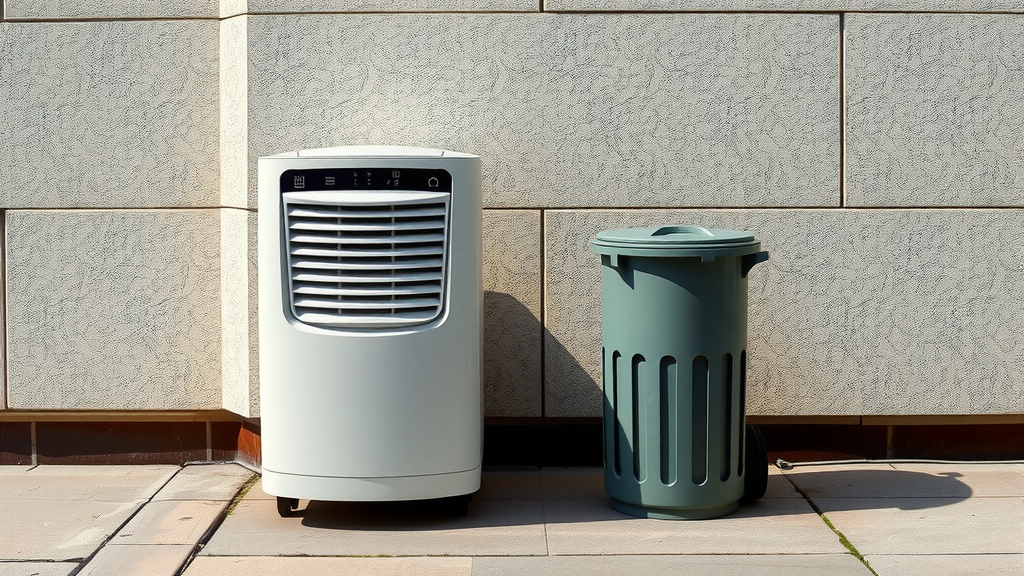
No, you cannot typically throw a dehumidifier in the garbage with regular household trash. Dehumidifiers contain refrigerants and other components that are co

Storing a dehumidifier in freezing temperatures is generally not recommended as it can cause significant internal damage to the unit. Freezing can expand any
Running a dehumidifier without its filter is strongly not recommended and can cause significant damage to the unit. Doing so exposes the internal components t
Yes, you absolutely can reuse water from a dehumidifier for many non-potable purposes around your home. It’s essentially distilled water, making it suitable f
Yes, many common dehumidifier issues are fixable, often with simple DIY steps or a professional repair. If your unit isn’t draining or collecting water, a deh
No, you generally cannot recharge a dehumidifier in the way you might an air conditioner or refrigerator with refrigerant. Most common household dehumidifiers
No, you should not put vinegar directly into the water tank or internal mechanisms of your dehumidifier. While vinegar is a great cleaning agent, it can corro

No, you generally should not put fragrance directly into a dehumidifier. Doing so can cause damage to the unit’s internal components and void your warranty. D
No, you should not put essential oils directly into your dehumidifier. Doing so can seriously damage the unit, void its warranty, and potentially release harm
Yes, you absolutely can put a dehumidifier on a timer, and it’s a smart way to manage your home’s humidity. Many modern dehumidifiers come with built-in timer
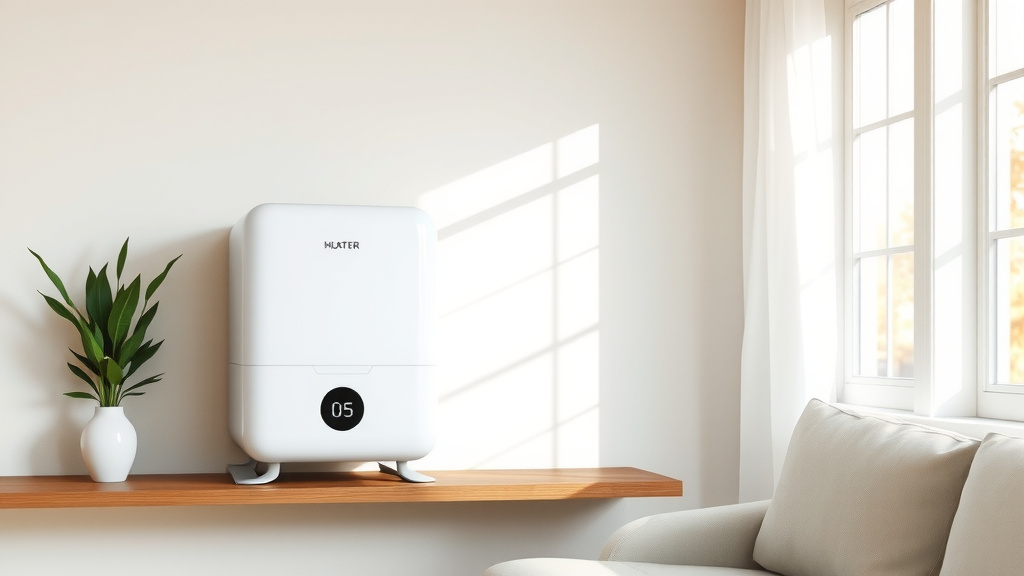
You can put a dehumidifier on a shelf, but it’s crucial to ensure the shelf is sturdy, level, and placed at an optimal height for efficient moisture removal.

No, you cannot simply put a dehumidifier in the garbage. Dehumidifiers contain specific refrigerants and electronic components that require special handling a
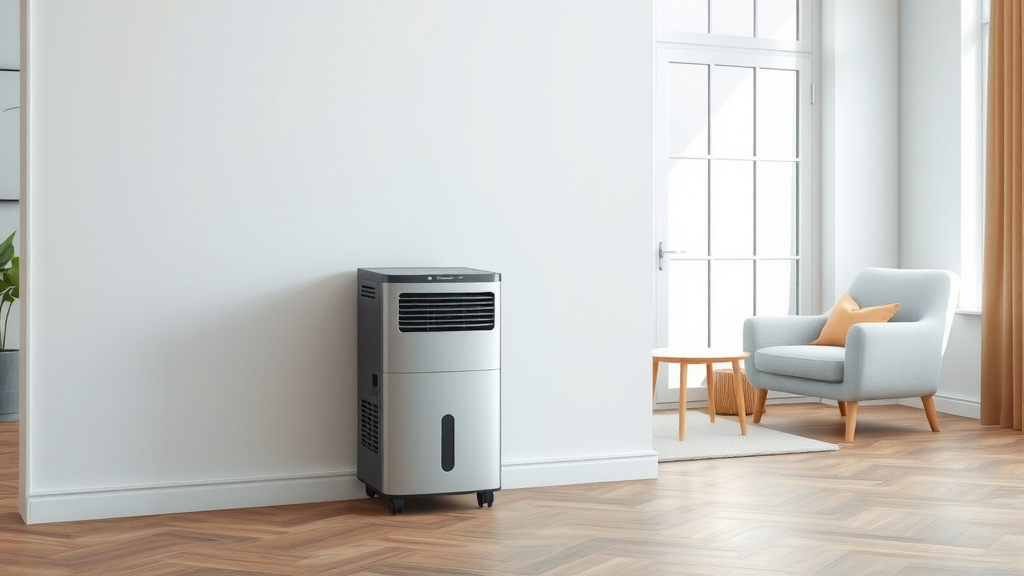
No, you should not place a dehumidifier directly against a wall. This can block its vital airflow, reduce its effectiveness, and potentially cause overheating
Yes, you can absolutely overuse a dehumidifier. Running your dehumidifier too much can lead to excessively dry air, potentially causing health issues and dama

Yes, you can oversize a dehumidifier, and doing so can actually lead to new problems rather than better air quality. While a larger capacity unit might seem l
Yes, you can leave a dehumidifier on when you are out, especially models with modern safety features like automatic shut-off and humidistats. Many experts agr
Yes, you can often leave a dehumidifier on unattended, but it requires careful setup and regular monitoring to ensure safety and efficient operation. Many exp
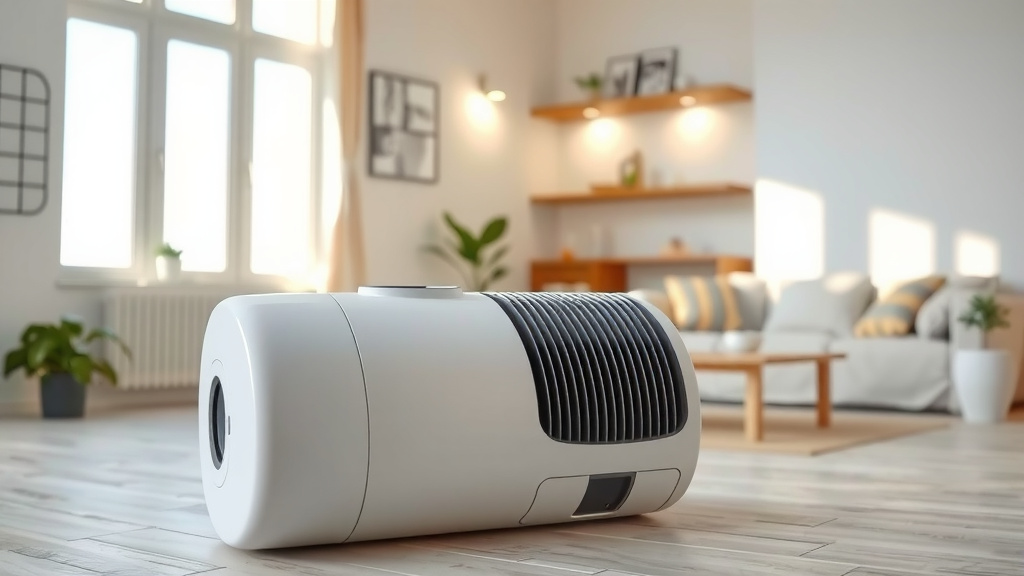
No, you should never lay down a dehumidifier, especially while it’s running or soon after use. Doing so risks serious internal damage, including refrigerant l
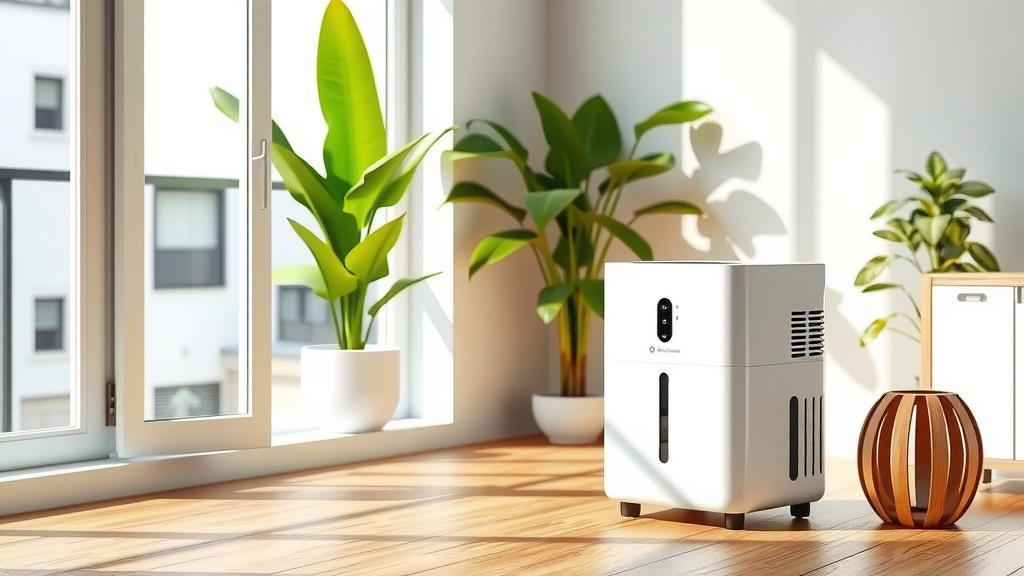
No, you generally should not have a window open when running a dehumidifier. Keeping windows and doors closed is essential for your dehumidifier to work effic
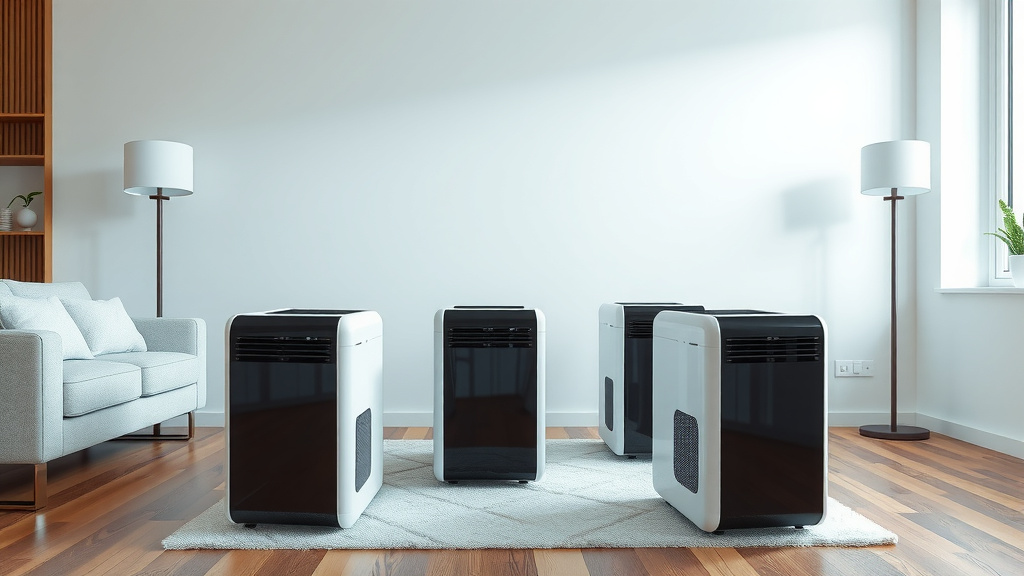
Yes, you can absolutely have too many dehumidifiers, or rather, too much dehumidification. Running too many units or oversized units can dry out your home exc
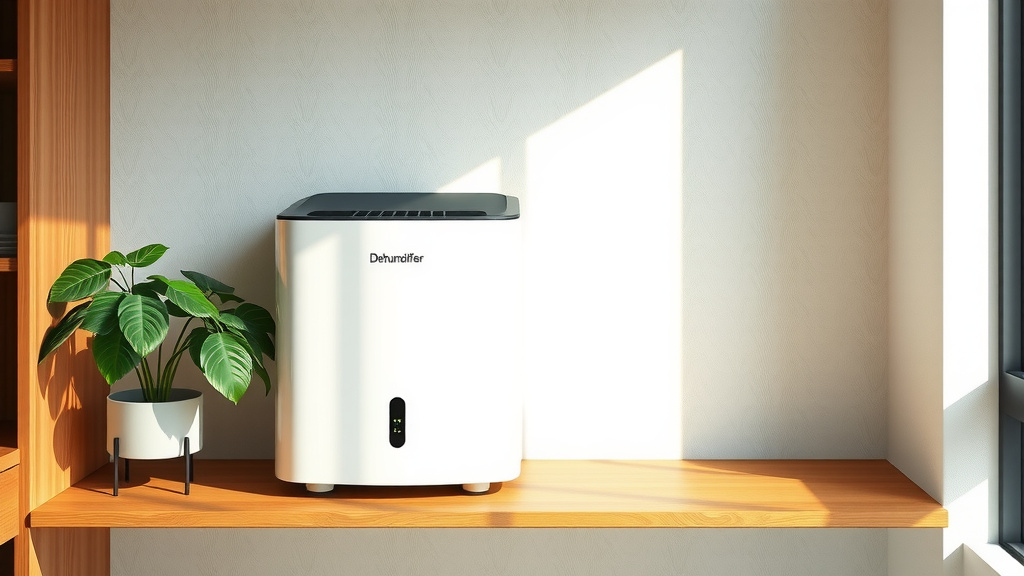
You can certainly find portable dehumidifiers designed to operate on batteries, though they are typically compact and low-power units. These battery-operated
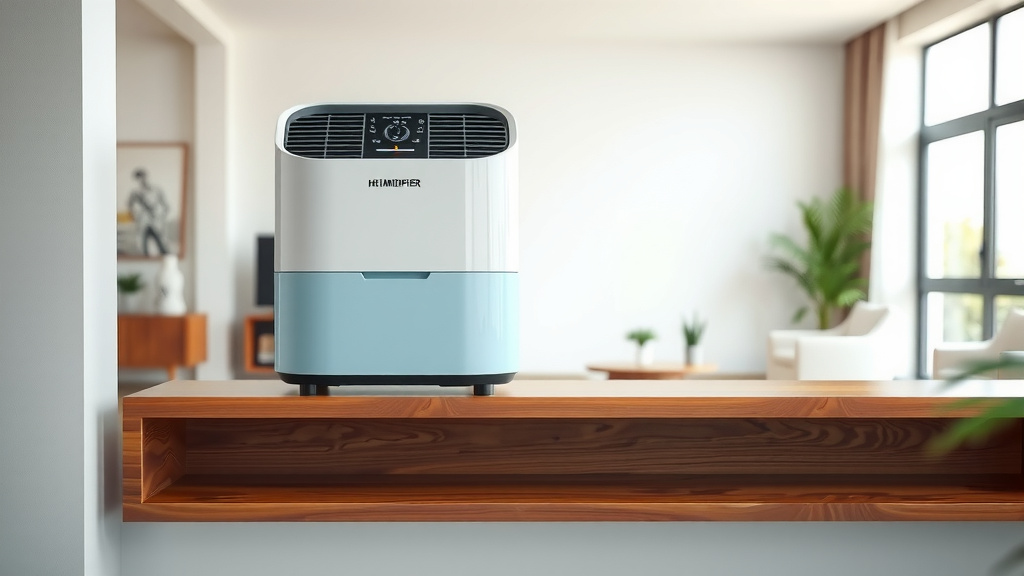
Yes, you can absolutely elevate a dehumidifier for better performance and efficiency. Raising your dehumidifier helps it capture warmer, moist air that natura
No, you absolutely should not drink water collected from a dehumidifier. This water is not safe for human consumption as it contains contaminants and lacks es
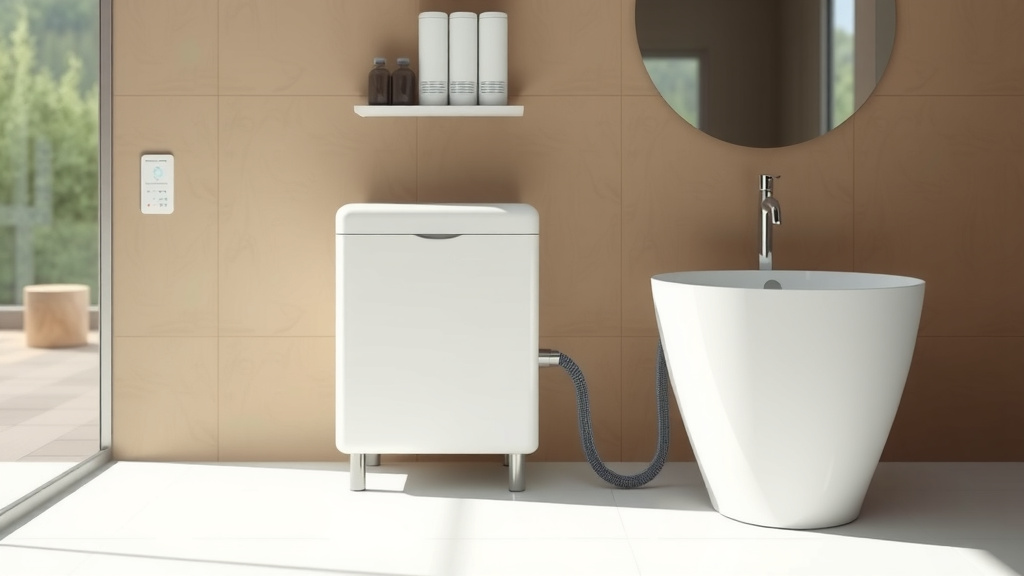
Yes, you can often drain a dehumidifier into a sink, but it requires careful setup and the right equipment. Properly connecting your dehumidifier to a sink en
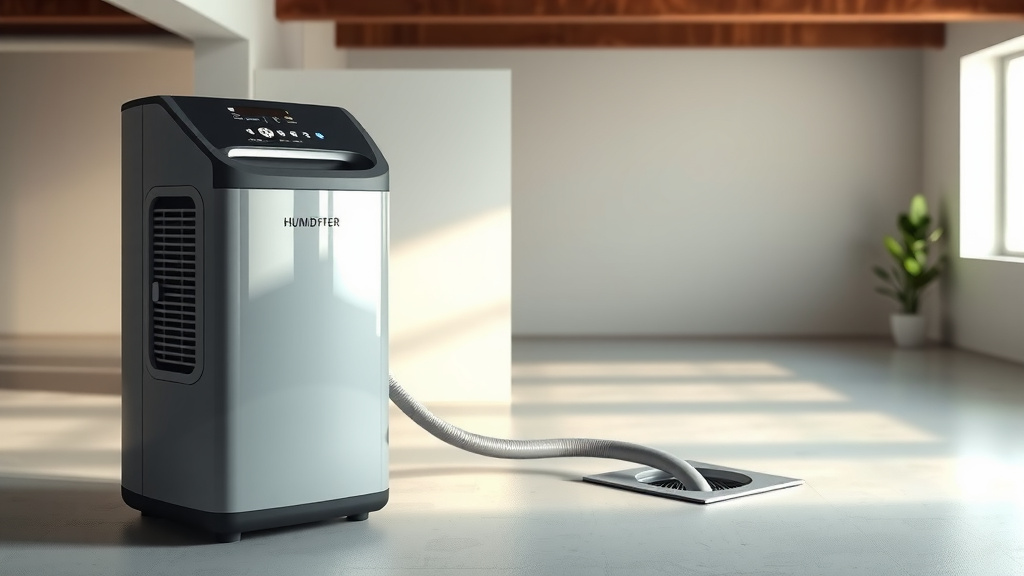
Yes, you can often drain a dehumidifier into a French drain, but you need to consider a few important factors first. It’s generally a practical solution for c
You should absolutely not boil dehumidifier water and then drink it, or use it for cooking or bathing. This water contains contaminants and minerals that boil
No, you cannot typically add refrigerant to a dehumidifier yourself, as these units are sealed systems requiring specialized tools and training. Attempting to
No, you generally cannot add Freon to a dehumidifier yourself, and it’s rarely a practical solution for most residential units. Dehumidifiers operate with a s
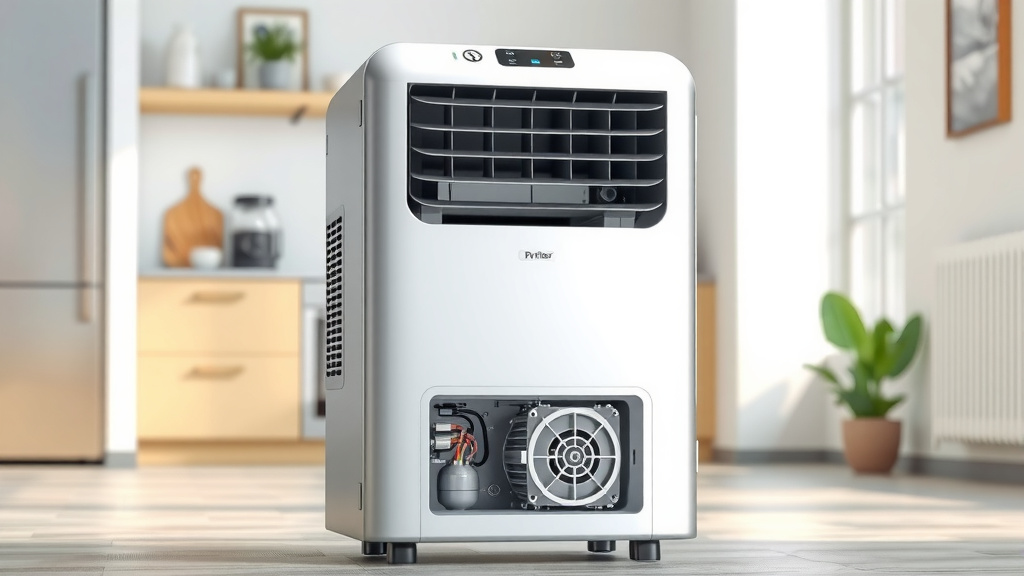
No, you generally cannot add refrigerant to a dehumidifier yourself. Dehumidifiers are sealed systems, and handling refrigerant requires specialized tools, tr
Using water from a dehumidifier in your iron is generally not recommended by appliance manufacturers. This water, while appearing clean, contains minerals and
Yes, you can absolutely use a dehumidifier while sleeping, and it often improves your comfort and air quality for better rest. However, it’s essential to set
No, you absolutely should not use dehumidifier water in your CPAP machine. Dehumidifier water contains impurities, minerals, and microorganisms that can harm
No, you should not use dehumidifier water for your aquarium. This water often contains various contaminants and impurities that are harmful to fish and other

Yes, you can generally sleep with a dehumidifier on, especially if you manage noise levels and ensure the humidity doesn’t drop too low. Running a dehumidifie
Yes, you absolutely can run two dehumidifiers in your home to tackle excessive humidity more effectively. This strategy is often useful for larger spaces or p
Yes, you can put your dehumidifier on a table, but you must ensure the table is stable, level, and strong enough to support the unit’s weight, especially when
No, you should not put bleach in your dehumidifier. Using bleach can damage your unit, release harmful fumes, and invalidate your warranty. Using bleach in yo
No, you absolutely cannot put a dehumidifier in the trash due to its refrigerants and various electronic components. Improper disposal of a dehumidifier is ha
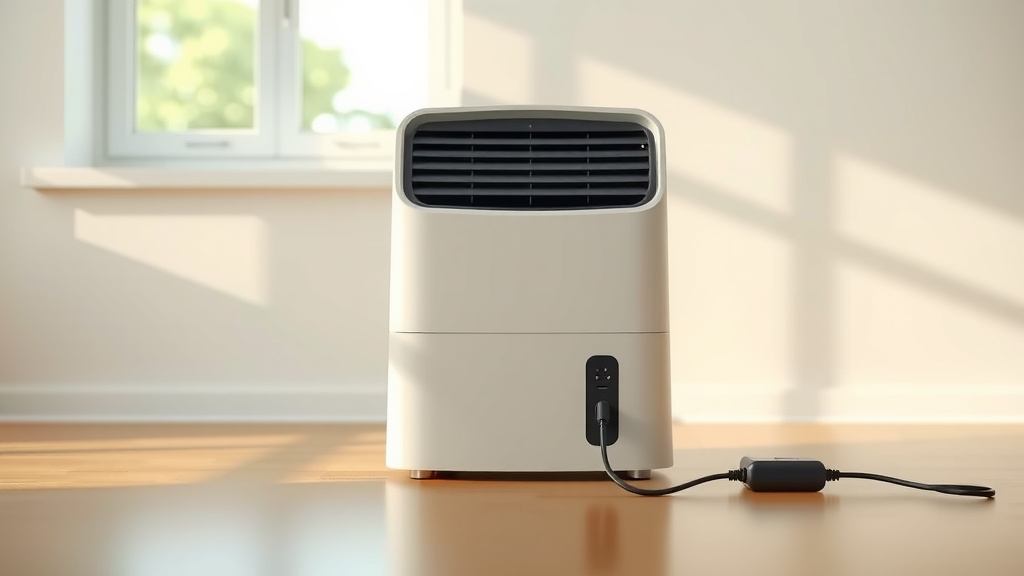
Plugging a dehumidifier into a standard surge protector is generally not recommended due to the appliance’s high, continuous power draw. This practice can lea
Yes, you absolutely can move a dehumidifier from room to room to tackle humidity wherever it’s highest. For best results, always empty its water reservoir and
Yes, you can leave your dehumidifier on 24/7, but it’s often more effective and energy-efficient to use it only when humidity levels are high. Monitoring your
No, standard home dehumidifiers typically cannot be “recharged” in the way you might think. They continuously remove moisture from the air through a refrigera
Yes, dehumidifiers can cause fires, though such incidents are quite uncommon when units are properly maintained and used. Most fire risks are tied to older mo
Yes, dehumidifiers can often be recycled, but it truly depends on your local regulations and the appliance’s specific components. You should never dispose of
No, you absolutely should not use dehumidifier water in batteries. It contains various impurities like dust, mold spores, and minerals that can damage battery
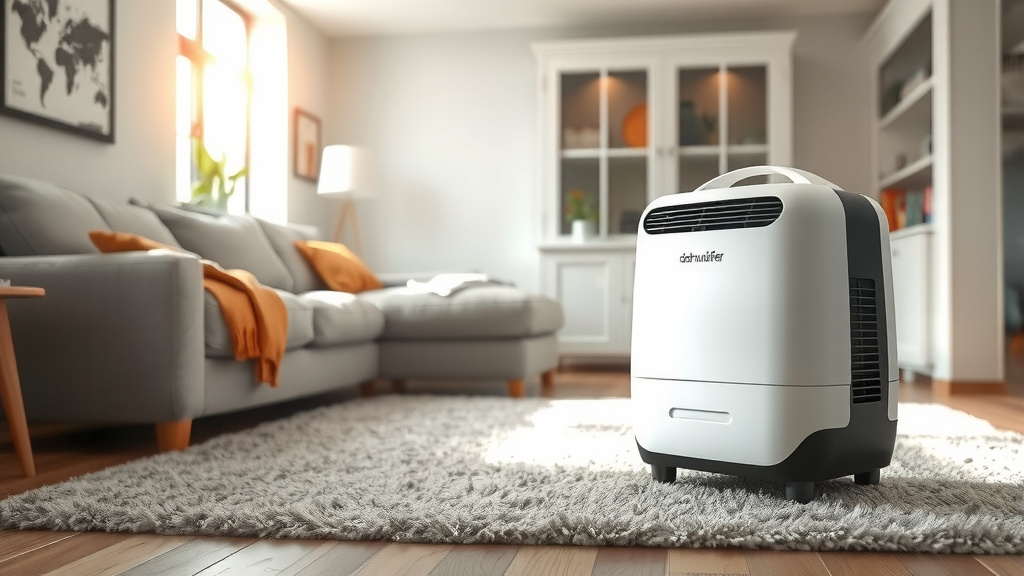
Yes, a dehumidifier can sit on carpet, but you should take precautions to prevent potential issues like mildew growth or restricted airflow. Always place your
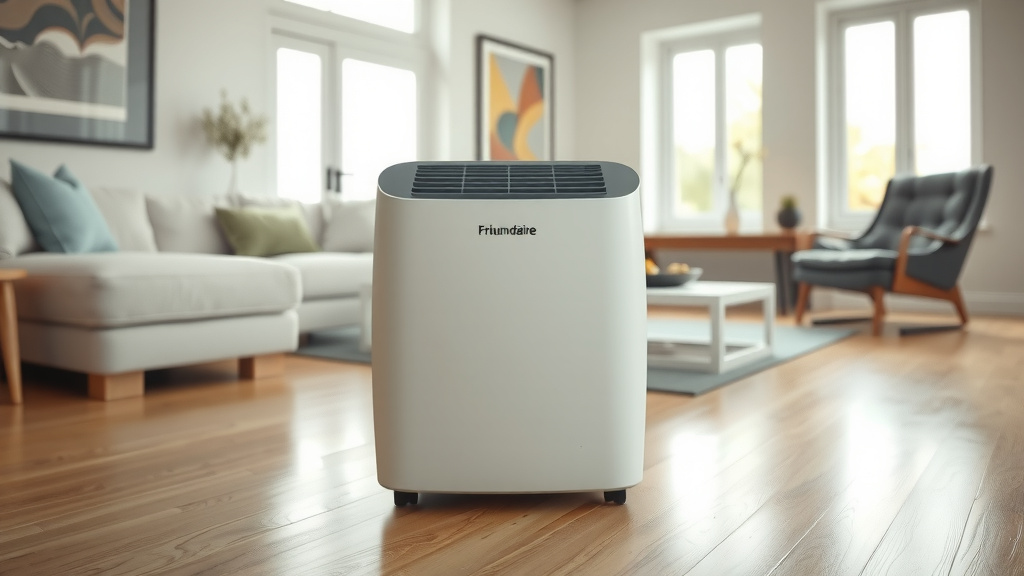
No, a Frigidaire dehumidifier cannot typically be recharged with refrigerant by a homeowner or a general technician, as it functions as a sealed system design
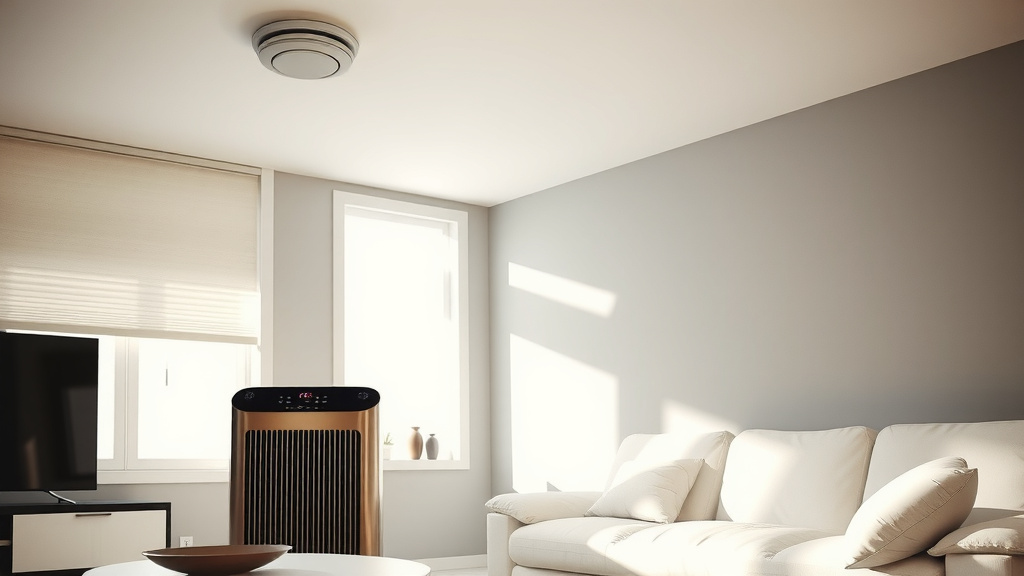
A dehumidifier generally will not set off a smoke detector under normal operating conditions. They work by removing moisture from the air, not by producing sm
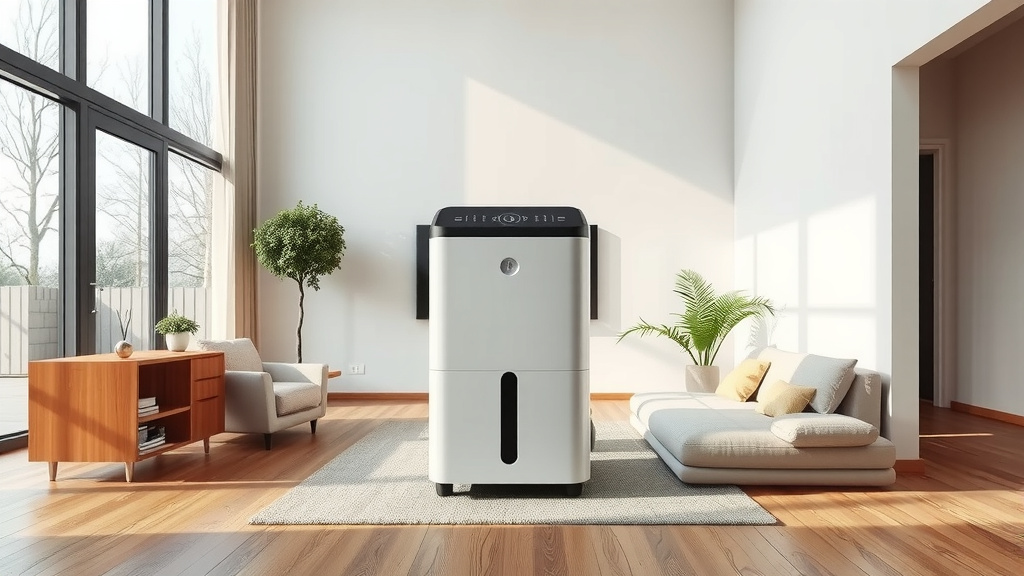
A dehumidifier generally will not damage your house when used correctly and maintained properly. The potential for damage typically arises from incorrect sett
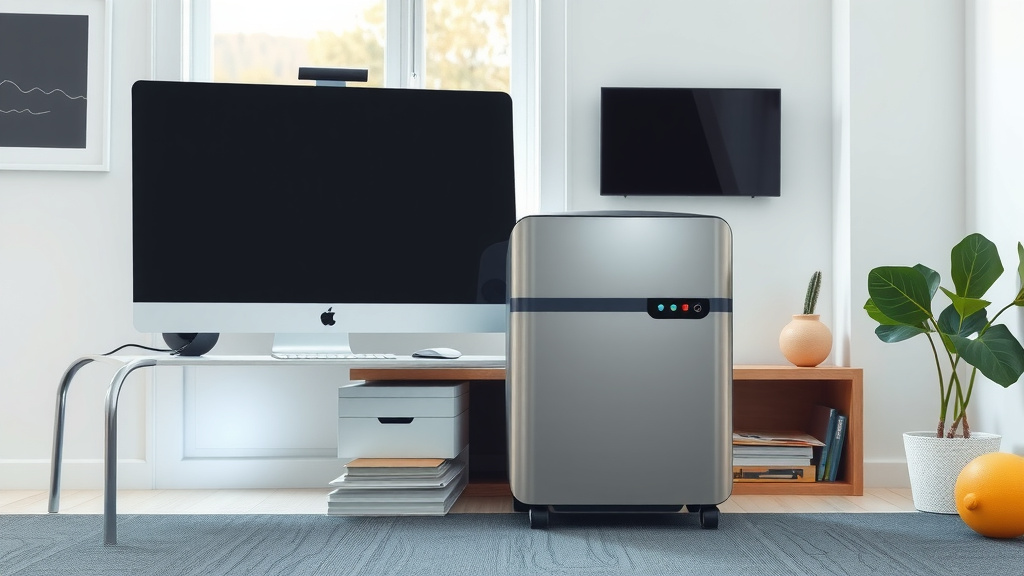
No, a dehumidifier is generally safe for your computer and can even protect it from humidity-related damage. However, placing a dehumidifier too close to your
Yes, a dehumidifier can cause damage if used improperly or excessively. Over-drying your home is the main concern, potentially harming wood, plants, and even
Yes, a dehumidifier can cause a fire, though it is rare with modern, well-maintained units. Older or recalled models, as well as improper use and lack of main
Yes, a dehumidifier can catch on fire, but it is a relatively rare occurrence. The primary risks for a dehumidifier catching fire stem from electrical malfunc
Yes, a dehumidifier can certainly be too big for a space, and this can lead to several common issues that impact your comfort and home. An oversized dehumidif
No, you should not store a dehumidifier in freezing temperatures, as it can cause significant damage to its internal components and operational integrity. Exp
Yes, many dehumidifiers can be repaired, especially newer models or those with easily replaceable parts. Whether a dehumidifier is worth repairing often depen
No, you cannot “recharge” a typical residential dehumidifier in the same way you would recharge a battery or refill a car’s gas tank. Dehumidifiers, especiall
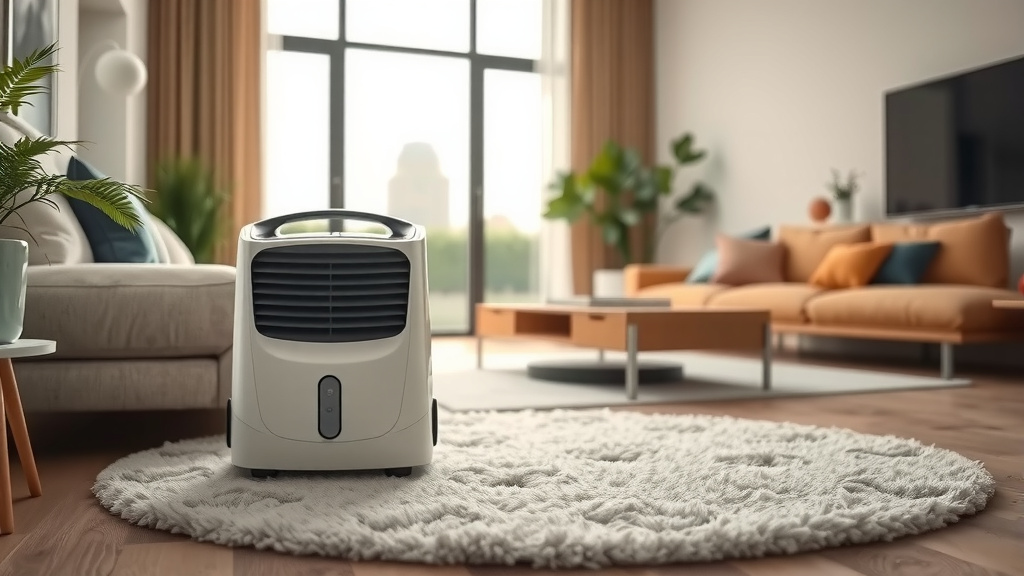
Yes, you can place a dehumidifier on carpet, but it’s often better to use a protective mat or tray underneath. This simple step helps prevent potential damage
Yes, many dehumidifier issues can be fixed, especially simpler problems like a clogged filter or a full water bucket. However, complex internal failures often
Yes, refrigerant dehumidifiers are generally safe when operated correctly and maintained regularly. These appliances efficiently remove excess moisture from y
Yes, industrial dehumidifiers can be very safe when installed and maintained correctly. They are designed for heavy-duty moisture removal in challenging envir

Yes, desiccant dehumidifiers are generally safe when used correctly and maintained properly in your home. They effectively reduce humidity without relying on
Yes, dehumidifiers are generally safe to leave on overnight, provided you follow manufacturer guidelines and ensure proper maintenance. Many modern dehumidifi
Dehumidifiers can pose a fire risk, but modern units are generally safe when used correctly and maintained properly. The risk usually comes from older, recall
Dehumidifier rods are generally safe when used correctly and according to manufacturer guidelines, posing minimal risk in properly ventilated and maintained e
Dehumidifiers are generally not a high fire risk, especially modern models designed with safety features. However, older or damaged dehumidifiers, along with