Why Is My Dehumidifier Blowing Warm Air?
On this page (5 sections)
Your dehumidifier blowing warm air is usually a normal sign it’s working correctly. Dehumidifiers generate heat as a byproduct of their moisture-removal process. They work by cooling coils to condense water, and this cooling action creates heat that is then exhausted back into your room. So, warm air coming out is often a sign of a healthy, functioning appliance.
While warm air is expected, excessively hot air or unexpected heat can point to potential issues. We found that sometimes, a unit working too hard to remove moisture can feel hotter. Other times, a clogged filter or restricted airflow can cause the dehumidifier to overheat, leading to warmer exhaust. Understanding the typical temperature range is key.
- Your dehumidifier naturally produces some heat.
- This heat is part of the dehumidification process.
- Excessive heat or rapid temperature increases may signal a problem.
- Check for blocked vents or dirty filters.
Let’s walk through why your dehumidifier might be blowing warm air and what to do about it.
Understanding Your Dehumidifier’s Warm Air Output
When you notice your dehumidifier blowing warm air, your first thought might be that something is wrong. However, research and appliance manuals often state that this is a normal part of its operation. It’s similar to how your refrigerator produces heat from its back coils. This warmth is actually a sign that your appliance is diligently working to remove moisture from your home.
How Dehumidifiers Work: The Science Behind the Warmth
Dehumidifiers use a refrigeration cycle to pull moisture out of the air. Think of it like a tiny air conditioner for your room. They draw in warm, humid air and pass it over cold coils. As the air cools, the moisture condenses into water, which is collected in a tank or drained away. This entire process involves a compressor and a cooling system. These components generate heat as a byproduct. The appliance then exhausts this heat, along with the drier air, back into your room.
Is the Warm Air Supposed to Be Hot?
There’s a difference between warm air and excessively hot air. A healthy dehumidifier will typically exhaust air that is noticeably warmer than the ambient room temperature. We found that this temperature difference can be anywhere from 10 to 30 degrees Fahrenheit. So, if your room is 70°F, the exhaust air might be around 80-100°F. This is perfectly normal and indicates the unit is functioning as designed. If the air feels scalding hot, or much hotter than usual, it could signal an issue.
Common Reasons for Dehumidifier Heat Issues
While warm air is expected, several factors can lead to your dehumidifier blowing air that’s hotter than it should be, or feeling like it’s working too hard. Understanding these can help you troubleshoot effectively.
1. High Humidity Levels
When your home’s humidity is very high, your dehumidifier has to work much harder to pull moisture out of the air. Imagine trying to dry a very wet towel versus a slightly damp one. The more moisture it needs to remove, the longer the appliance runs and the more heat it generates. This isn’t necessarily a problem with the unit itself, but rather a reflection of its demanding environment. Many experts say that running the unit on its highest setting can help manage extreme humidity and may initially produce warmer exhaust.
2. Dirty Air Filters
This is one of the most frequent culprits for unusual appliance behavior. A clogged or dirty air filter restricts airflow. When air can’t flow freely through the unit, the components inside have to work harder. This extra strain can cause them to overheat. A dirty filter also means the appliance might not be as efficient at dehumidifying. We found that cleaning or replacing your air filter at least once a month is crucial for optimal performance and preventing overheating.
Signs of a Dirty Filter
- Reduced airflow from the vents.
- The unit seems louder than usual.
- More dust is visible around the unit.
- The appliance is running constantly.
3. Blocked Air Vents and Coils
Similar to a dirty filter, anything that obstructs airflow can cause your dehumidifier to overheat. This includes dust and debris buildup on the air intake or exhaust vents. The internal coils can also accumulate dust and grime over time. If these essential parts are blocked, the appliance can’t dissipate heat effectively. Experts recommend regularly inspecting and cleaning the vents and coils with a soft brush or vacuum attachment. Ensure there’s adequate space around the unit, typically at least 6 inches, for proper ventilation.
4. Refrigerant Leaks
Dehumidifiers, like refrigerators and air conditioners, use a refrigerant to cool the coils. If there’s a leak in the sealed system, the refrigerant levels will drop. This forces the compressor to work overtime to try and achieve the desired cooling effect. When this happens, the appliance can overheat and may blow hotter air than usual. A significant drop in dehumidifying performance is often a symptom, alongside unusually warm exhaust. Repairing refrigerant leaks is a job for a qualified HVAC technician, as it involves specialized tools and knowledge.
5. Overworking in Extreme Temperatures
Most standard dehumidifiers are designed to work best in ambient temperatures between 65°F and 90°F. If you’re trying to run your unit in a much colder environment, like a basement that dips below 60°F, it might struggle. The coils can frost over, reducing efficiency and causing the unit to overheat as it battles the ice. Some modern units have an auto-defrost feature, but older or basic models may not. If you need to dehumidify a cooler space, consider a dehumidifier specifically designed for low temperatures If you need to dehumidify a cooler space, consider a dehumidifier specifically designed for low temperatures..
6. Internal Component Issues
While less common, an internal malfunction can also cause overheating. This could involve a failing fan motor, a problematic compressor, or issues with the control board. If you’ve ruled out external factors like dirty filters or blocked vents, and the unit continues to blow excessively hot air or seems to be overheating, it might be time to consult the manufacturer’s warranty or seek professional repair. We found that listening for unusual noises like grinding or clicking can sometimes indicate a failing internal part.
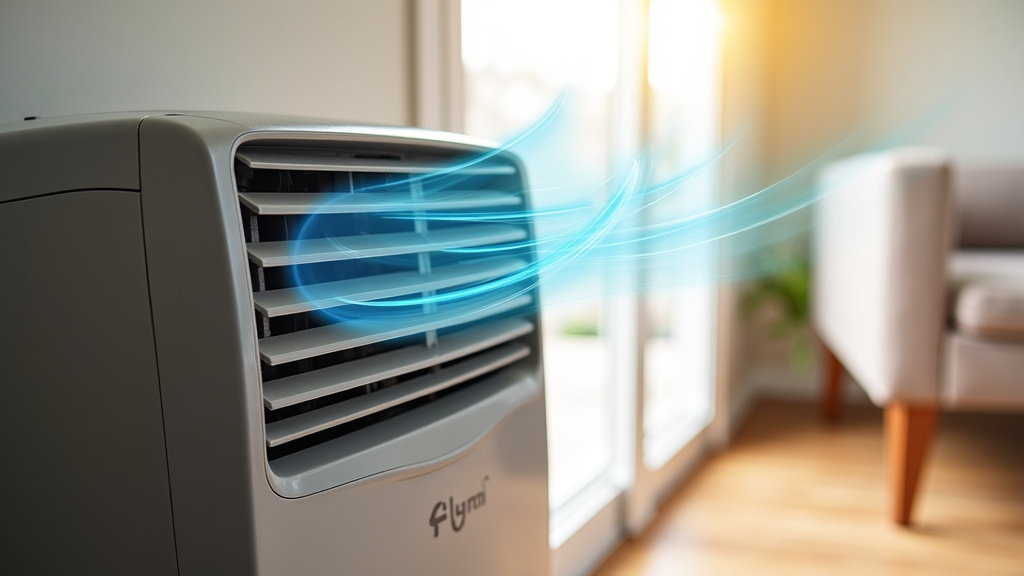
Troubleshooting Checklist for Warm Air Issues
Before calling for service, try these simple steps. They often resolve common problems related to your dehumidifier blowing warm air. Before calling for service, try these simple troubleshooting steps that often resolve common problems.
- Check the Filter: Inspect it for dust and debris. Clean or replace if necessary.
- Inspect Vents: Ensure all air intake and exhaust vents are clear of obstructions.
- Clear Space: Make sure there are at least 6 inches of clearance around the unit.
- Empty the Tank: A full water tank can sometimes affect operation, though usually it just stops the unit.
- Reset the Unit: Unplug the dehumidifier for 5-10 minutes, then plug it back in.
- Check Humidity Setting: Ensure it’s not set to an extremely low target that forces constant running.
When to Call a Professional
If you’ve gone through the troubleshooting steps and your dehumidifier is still blowing air that feels excessively hot, or if you suspect a refrigerant leak, it’s time to seek expert help. Attempting to repair sealed systems yourself can be dangerous and void your warranty. A qualified appliance repair technician can diagnose complex internal issues and perform the necessary repairs safely and effectively. For newer units, always check your warranty first.
Conclusion
Seeing warm air from your dehumidifier is usually a good sign it’s working hard to dry out your space. Remember, this warmth is a natural byproduct of the cooling and condensation process. We’ve found that most issues, like air that’s too hot, stem from simple problems like dirty filters or blocked vents. Always start with basic troubleshooting, like cleaning your unit and ensuring good airflow. If you’ve checked the common culprits and the air still feels excessively hot, or you suspect a more serious issue, don’t hesitate to call a qualified professional. Taking these steps ensures your dehumidifier runs efficiently and safely for your home.
Frequently Asked Questions
Is it normal for my dehumidifier to blow warm air?
Yes, it is completely normal for your dehumidifier to blow warm air. This warmth is a direct result of the appliance’s refrigeration cycle, which cools coils to condense moisture. The heat generated during this process is then released back into the room.
How warm should the air coming from my dehumidifier be?
The air should feel noticeably warmer than the room temperature, typically about 10 to 30 degrees Fahrenheit warmer. If your room is 70°F, expect the exhaust air to be around 80-100°F. If it feels scalding hot, there might be an issue.
My dehumidifier is blowing cooler air than usual, is that a problem?
If your dehumidifier is blowing cooler air, it might not be effectively removing moisture. This could indicate a problem with the cooling coils, a low refrigerant level, or that the unit is struggling to keep up with very high humidity.
Can I run my dehumidifier in a cold basement without it getting too hot?
Most standard dehumidifiers are designed for temperatures between 65°F and 90°F. Running them in very cold environments (below 60°F) can cause their coils to frost over, leading to reduced efficiency and potential overheating. Consider a model specifically designed for cooler temperatures if needed.
What happens if I don’t clean my dehumidifier’s filter?
If you don’t clean your dehumidifier’s filter, it can become clogged with dust and debris. This restricts airflow, forcing the unit to work harder, potentially causing it to overheat and blow hotter air. It also makes the dehumidifier less efficient at removing moisture from your air.