
How Hot Should a Dehumidifier Compressor Get?
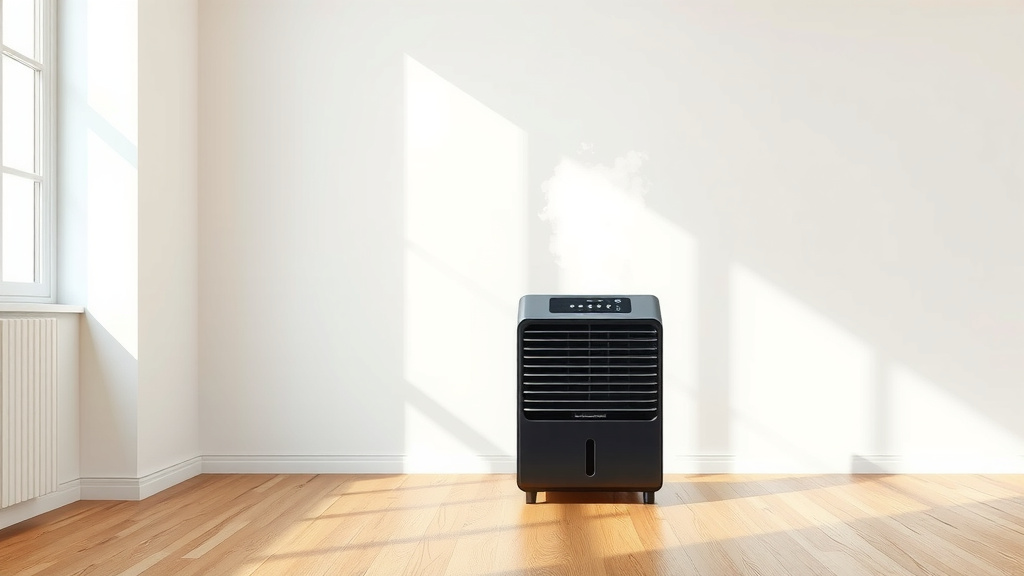
A dehumidifier compressor typically feels warm to the touch, often reaching temperatures between 120°F to 150°F (49°C to 66°C) during normal operation. This heat is a natural byproduct of the refrigeration cycle that helps remove moisture from your air.
While it’s normal for your dehumidifier compressor to be warm, excessive heat—so hot you can’t touch it—might signal an issue like poor ventilation or a clogged coil.
Here’s the quick lowdown on your dehumidifier’s compressor heat:
- Compressors get warm, usually 120-150°F, as they work to dry your air.
- This warmth is part of the normal dehumidification process.
- Overheating can point to problems like blocked airflow or a dirty filter.
- Good ventilation and regular cleaning keep your dehumidifier running cool and efficient.
- If it’s too hot to touch, or smells strange, it’s time to investigate for safety.
How Hot Should a Dehumidifier Compressor Get?
Your dehumidifier’s compressor will naturally generate heat while running, usually feeling warm to the touch. Expect temperatures in the range of 120°F to 150°F (49°C to 66°C) under normal operating conditions. This warmth is just the machine doing its job, transforming humid air into dry air.
Why Your Dehumidifier Compressor Gets Warm
Ever wondered why your refrigerator hums and feels warm on the sides? Your dehumidifier works on a similar principle. It’s using a refrigeration cycle to pull moisture out of the air, and that process creates heat.
The Dehumidification Process Explained
Think of it like this: your dehumidifier pulls in moist air over cold coils. The moisture condenses into water, just like dew on cold grass. Then, that now-dry air passes over the warm compressor and condenser coils before being released back into your room, feeling a bit warmer than before (Energy Star).
This entire process, involving refrigerant gases and pressure changes, generates heat. The compressor is the heart of this system, working hard to circulate the refrigerant. So, a warm compressor means it’s actively working to dry your space.
Understanding Normal Operating Temperatures
It’s important to know what “normal” feels like for your unit. A well-functioning compressor should be warm, but not searing hot. You should be able to comfortably touch the casing for a few seconds without it feeling painful.
A Quick Touch Test for Your Compressor
Gently place your hand on the area where the compressor is located (usually at the back or side, towards the bottom). If it’s warm, like a warm plate fresh out of the dishwasher, you’re likely in the normal operating zone. If it’s too hot to touch, you might have a problem.
Many experts say that if you can hold your hand there for 5-10 seconds without discomfort, it’s probably fine. Always remember to check your unit’s manual for specific temperature guidelines, although they rarely provide exact compressor temperatures.
Key Signs Your Dehumidifier Might Be Too Hot
Beyond the touch test, there are other tell-tale signs that your dehumidifier might be running hotter than it should. These are worth paying attention to for both efficiency and safety.
- The air coming out feels excessively hot, not just warm.
- You notice a burning smell, like scorched plastic or wiring.
- The unit cycles on and off more frequently than usual.
- The dehumidifier makes unusual noises, like loud humming or rattling.
- The room temperature rises significantly, even for a short operation time.
If you notice any of these symptoms, it’s a good idea to turn off your unit and investigate further. Ignoring these warnings could lead to reduced lifespan or a potential fire hazard.
Common Causes of Dehumidifier Overheating
Why might your trusted dehumidifier start running hotter than it should? Often, the reasons are simple and fixable. Understanding them can help you troubleshoot the problem effectively.
Restricted Airflow Around the Unit
Just like you need to breathe, your dehumidifier needs room to breathe too! If it’s crammed against a wall, hidden behind furniture, or placed in a tight closet, it won’t get enough air circulation. This traps heat around the compressor, causing it to work harder and get hotter (CDC).
Clogged Air Filters and Evaporator Coils
Imagine trying to run a marathon while breathing through a clogged straw. That’s what a dehumidifier does with a dirty filter. Dust, pet hair, and debris accumulate on the filter and coils, blocking airflow. This makes the compressor work overtime, leading to overheating and decreased moisture removal.
Refrigerant Issues or Motor Problems
Sometimes, the problem is a bit more internal. A low refrigerant level means the system can’t transfer heat as efficiently, causing the compressor to strain. Similarly, if the fan motor is failing or the compressor motor itself is worn out, it will generate more heat as it struggles to perform its job. These are generally issues for a professional.
How to Prevent Your Dehumidifier From Overheating
Good news! Most overheating issues can be avoided with some simple care and attention. Taking these steps can significantly extend the life of your dehumidifier and keep it running efficiently.
Optimize Placement for Airflow
Give your dehumidifier some space. We recommend placing it at least 6-12 inches away from walls and furniture on all sides. This allows cool air to enter and warm, dry air to exit freely. Consider placing it in the most humid part of the room, often near the center, to maximize its effectiveness.
Here’s a quick checklist for ideal placement:
- At least 6 inches from walls or objects.
- Not blocking any air vents on the unit.
- On a stable, level surface.
- Away from direct sunlight or heat sources.
- In the room’s most humid area.
Regular Cleaning and Maintenance
This is probably the single most important thing you can do. We found that a clean dehumidifier is a happy dehumidifier! Aim to clean your air filter at least once a month, or more often if you have pets or live in a dusty environment. Most filters are washable; just follow your manual’s instructions.
Every few months, also take a look at the evaporator and condenser coils. If you see dust buildup, gently clean them with a soft brush or vacuum attachment. A clean machine doesn’t have to work as hard, which means less heat and more efficient operation.
Here’s a comparison of normal operation vs. signs of trouble:
| Characteristic | Normal Operation | Signs of Concern |
|---|---|---|
| Compressor Temperature | Warm to touch (120-150°F) | Too hot to touch, burning sensation |
| Air Output | Slightly warm, dry air | Very hot air, no noticeable drying |
| Noise Level | Consistent hum or fan noise | Loud rattling, grinding, or buzzing |
| Odors | No unusual smells | Burning plastic, electrical smell |
| Performance | Consistent water collection | Little to no water collected |
When Professional Dehumidifier Repair is Needed
While many issues are DIY-friendly, some problems definitely require a professional. If you’ve cleaned the filters, ensured proper airflow, and your dehumidifier is still overheating or showing other serious symptoms, it might be time to call in an expert. Issues like low refrigerant, a failing compressor, or a faulty fan motor are complex internal repairs.
Don’t try to fix these yourself unless you have experience with appliance repair and refrigerant handling. Tampering with refrigerant can be dangerous and harmful to the environment. A professional can diagnose the exact problem and safely make the necessary repairs, giving you peace of mind.
Conclusion
Understanding how hot your dehumidifier’s compressor should get is key to keeping your unit running smoothly and safely. A warm compressor is a sign of a hard-working machine, typically ranging from 120-150°F. However, excessively hot temperatures, burning smells, or unusual noises are clear indicators that something isn’t quite right.
By regularly cleaning filters, ensuring ample airflow, and recognizing the warning signs, you can prevent most overheating issues. Remember, a little proactive care goes a long way in maintaining your dehumidifier’s efficiency and extending its life. When in doubt, don’t hesitate to seek professional help to keep your home’s air healthy and dry!
How often should I clean my dehumidifier filter?
You should clean your dehumidifier filter at least once a month, or even more frequently if the unit runs continuously, you have pets, or live in a dusty environment. A clean filter allows for better airflow and helps prevent the compressor from overworking.
Can I run my dehumidifier 24/7?
Yes, many modern dehumidifiers are designed to run continuously, especially in very humid environments like basements or crawl spaces. Just ensure it has good ventilation, the collection bucket is emptied regularly, and filters are kept clean to maintain efficiency and prevent overheating.
What’s the ideal humidity level for my home?
Most experts, including the EPA, recommend maintaining indoor humidity levels between 30% and 50%. This range is comfortable for most people, helps prevent mold growth, and protects your home from moisture damage.
Does a dehumidifier use a lot of electricity?
Dehumidifiers can use a fair amount of electricity, similar to a small air conditioner, especially larger models running continuously. Energy Star certified models are more efficient. Regular maintenance and setting your desired humidity level rather than running it constantly can help manage energy consumption.
Where is the best place to put a dehumidifier?
Place your dehumidifier in the most humid area of your home, usually basements, crawl spaces, or damp rooms. Ensure it’s on a level surface, at least 6-12 inches away from walls and furniture to allow for proper airflow. Avoid placing it directly in front of air vents or heat sources.
