Does a Dehumidifier Help Your Air Conditioner?
Yes, a dehumidifier significantly helps your air conditioner by reducing the amount of moisture in the air. This allows your AC to work less strenuously, making your home feel cooler and more comfortable at higher thermostat settings.
When a dehumidifier removes excess humidity, your air conditioner can focus primarily on cooling, leading to improved efficiency and reduced energy consumption for the entire cooling system.
- A dehumidifier makes your AC more efficient by tackling humidity separately.
- You can often raise your thermostat setting, saving energy and money.
- Enjoy better comfort, with less sticky feeling and cooler temperatures.
- It helps prevent mold, mildew, and musty odors in your home.
- Your AC system may last longer due to reduced strain.
Does a Dehumidifier Help Your Air Conditioner?
Absolutely, a dehumidifier can be a powerful partner for your air conditioner. It helps your AC run more efficiently, saves you money, and creates a much more pleasant indoor environment.
Understanding Humidity: Your AC’s Secret Enemy
Think of humidity as an invisible blanket wrapping your home. It makes everything feel heavier and warmer than the actual temperature reading. Your air conditioner tries to fight this dual battle of cooling and dehumidifying.
What Does High Humidity Feel Like?
You know that sticky, clammy feeling on a summer day? That’s high humidity. Inside your home, it feels similar, making you want to crank down the AC more and more. You might feel a general mugginess, even when the thermostat says it’s cool enough.
How Your AC Handles Humidity (and Why It Struggles)
Your air conditioner naturally removes some moisture from the air as part of its cooling process. It cools the air, and condensation forms on the cold coils, draining away water. This is how it works (EPA).
However, an AC isn’t designed to be a dedicated dehumidifier. When humidity levels are really high, your AC works overtime. It tries to cool the air, but the moisture makes it feel warmer, leading to constant running and less effective cooling.
The Science Behind Dehumidification
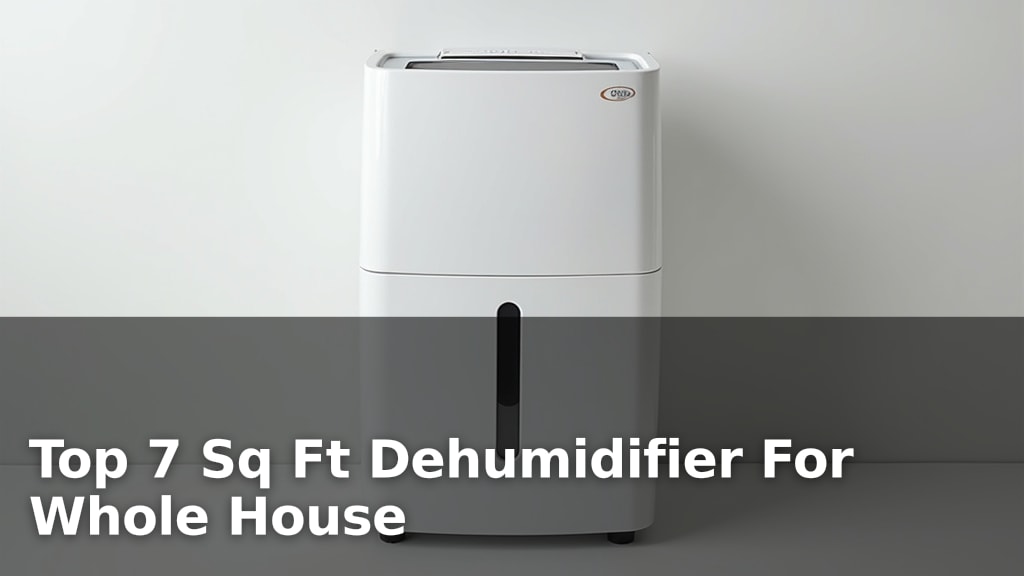
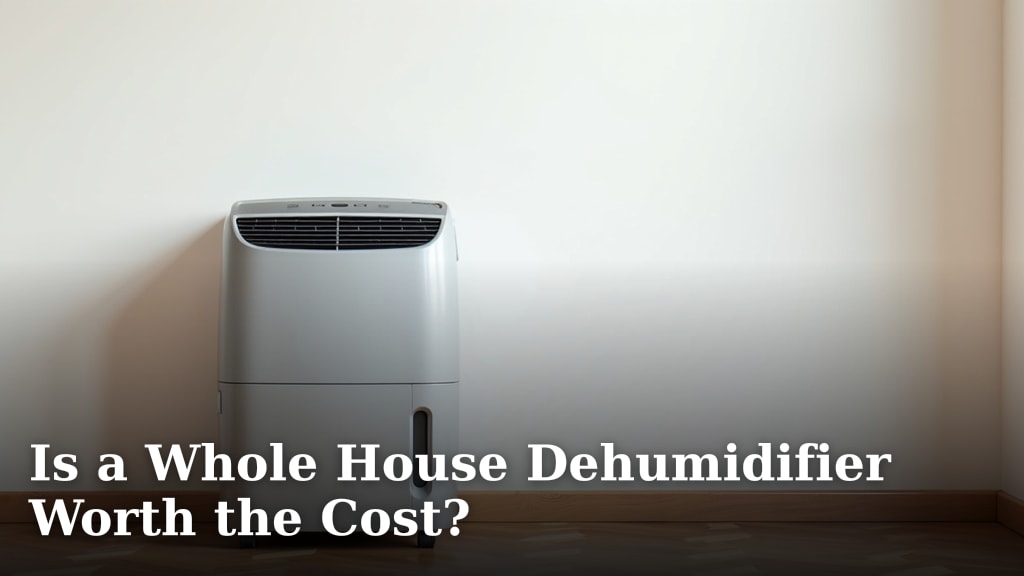
A dehumidifier works differently. It pulls air from your room over a cold coil, much like an AC. The moisture in the air condenses into water, which then drips into a collection bucket or drains away. The dry, slightly warmed air then goes back into your room.
This process specifically targets humidity. It doesn’t primarily focus on cooling the air, but rather on extracting the moisture. This dedicated effort makes a huge difference in how your home feels.
The Dehumidifier Advantage: Less Work for Your AC
When you run a dehumidifier, you’re taking a big load off your air conditioner. The dehumidifier handles the heavy lifting of moisture removal. This means your AC can then concentrate solely on cooling the air to your desired temperature.
Imagine trying to run a marathon while carrying a heavy backpack. That’s your AC fighting high humidity. A dehumidifier takes that backpack off, letting your AC run much more freely.
Saving Energy and Money
When your AC doesn’t have to battle excess humidity, it runs less. This directly translates to lower energy consumption. Many experts say you can often raise your thermostat by a few degrees without sacrificing comfort (Energy Star).
We found that by maintaining ideal humidity levels, your AC cycles less often. This extends the lifespan of your unit and reduces wear and tear. Less energy used means a smaller electricity bill for you. Let’s look at an example:
| Condition | AC Operation | Comfort Level | Energy Use |
|---|---|---|---|
| High Humidity (AC only) | Works hard, runs long cycles | Still feels sticky, clammy | High |
| With Dehumidifier | Runs less, focuses on cooling | Cool, dry, comfortable | Medium (AC + Dehumidifier combined often less than AC only working harder) |
Better Comfort, Healthier Home
Beyond energy savings, a dehumidifier creates a much more comfortable living space. You’ll feel cooler, even if the actual air temperature is a bit higher. This is because your body cools itself more effectively when the air is drier.
Lower humidity also means a healthier environment. It discourages the growth of common household pests and allergens. Many health organizations recommend maintaining specific humidity ranges for optimal indoor air quality (EPA).
Goodbye to Sticky Skin and Musty Smells
Tired of that constant sticky feeling? A dehumidifier is your answer. It pulls that excess moisture out of the air, leaving you feeling dry and refreshed. You won’t feel the need to constantly wipe down surfaces or deal with damp towels.
Additionally, those unpleasant musty odors often come from mold or mildew growth. By reducing humidity, you eliminate the prime breeding ground for these issues. Say goodbye to that damp smell in your basement or bathroom.
Protecting Your Home from Mold
Mold loves damp places. High humidity provides the perfect conditions for mold spores to grow and spread. This can damage your home’s structure and even impact your health.
A dehumidifier helps keep your home safe. It controls moisture, making it much harder for mold to take hold. Here’s a quick checklist for a mold-resistant home:
- Keep indoor humidity between 30% and 50%.
- Fix any leaky pipes or roofs promptly.
- Ensure good ventilation in bathrooms and kitchens.
- Clean up spills and wet areas quickly.
- Use exhaust fans when showering or cooking.
- Inspect damp areas regularly for any signs of mold.
When Should You Get a Dehumidifier?
Not every home needs a dehumidifier. If your AC handles the humidity fine and your home always feels comfortable, you might not need one. However, many homes, especially in humid climates, can greatly benefit.
Consider a dehumidifier if you notice persistent signs of high humidity. It’s an investment that often pays for itself through improved comfort and energy savings.
Signs Your Home Needs Humidity Help
How do you know if your home is too humid? Keep an eye out for these tell-tale signs. They are often clear indicators that a dehumidifier could make a big difference.
- Condensation on windows or cold pipes.
- A persistent damp or musty odor.
- Feeling sticky or clammy even when the AC is running.
- Visible mold spots on walls, ceilings, or fabrics.
- Wood floors or furniture swelling or warping.
- Frequent allergy or asthma flare-ups (often exacerbated by mold spores).
Choosing the Right Dehumidifier for Your Space
Selecting a dehumidifier isn’t a one-size-fits-all situation. You’ll need to consider the size of the area you want to dehumidify and how humid it typically gets. The capacity of a dehumidifier is usually measured in pints per day.
A larger capacity unit is better for bigger, damper spaces. A smaller unit works well for specific rooms, like a damp basement or laundry room. Research often connects proper sizing with optimal performance (Department of Energy).
Room Size Matters
Don’t buy a small unit for a large, wet basement. It won’t be effective. Conversely, don’t buy an oversized unit for a small bedroom; it will use more energy than necessary. Match the dehumidifier’s capacity to your room’s square footage and typical humidity level.
Manufacturers provide guidelines for room size. For example, a 30-pint unit might be good for a 1,500 sq ft space with moderately damp conditions, while a 70-pint unit is better for very damp 2,500 sq ft areas. We found that choosing the right size is crucial for both efficiency and effectiveness.
Conclusion
In humid climates or homes prone to moisture, a dehumidifier is a true ally for your air conditioner. It takes the burden of moisture removal off your AC, making it more efficient and your home more comfortable. You’ll save energy, protect your home from mold, and enjoy a fresher, drier environment. Investing in a dehumidifier means investing in a more comfortable and healthier living space for you and your family.
Does a dehumidifier use a lot of electricity?
A dehumidifier does use electricity to operate, but its energy consumption varies by size and efficiency. Many people find that the energy saved by allowing their air conditioner to run less often, thanks to the dehumidifier, can offset or even surpass the dehumidifier’s own energy use, leading to overall lower utility bills.
Can I run a dehumidifier and AC at the same time?
Yes, absolutely! Running both a dehumidifier and your AC simultaneously is often the most effective way to achieve optimal comfort and efficiency in humid conditions. The dehumidifier tackles moisture, letting your AC focus purely on cooling, which often results in your home feeling cooler and drier even at a higher thermostat setting.
Will a dehumidifier make my house feel colder?
While a dehumidifier primarily removes moisture and does not directly cool the air, it can make your house feel colder. This is because dry air feels cooler than humid air at the same temperature. By reducing humidity, your body’s natural cooling process (sweating and evaporation) works better, making you feel more comfortable and cooler.
Where is the best place to put a dehumidifier in my home?
The best place to put a dehumidifier is in the dampest areas of your home. This might be your basement, crawl space, a humid living room, or a laundry area. Place it in a central location within the problem area, away from walls and furniture, to allow for optimal airflow and efficient moisture removal.
How often should I empty my dehumidifier’s water bucket?
How often you need to empty your dehumidifier’s water bucket depends on its capacity and the humidity levels in your home. In very humid conditions, you might need to empty it once or twice a day. Many modern dehumidifiers have an indicator light that tells you when the bucket is full, or they offer a continuous drain option if you have a floor drain nearby.