
How Many Watts Does a Dehumidifier Draw?
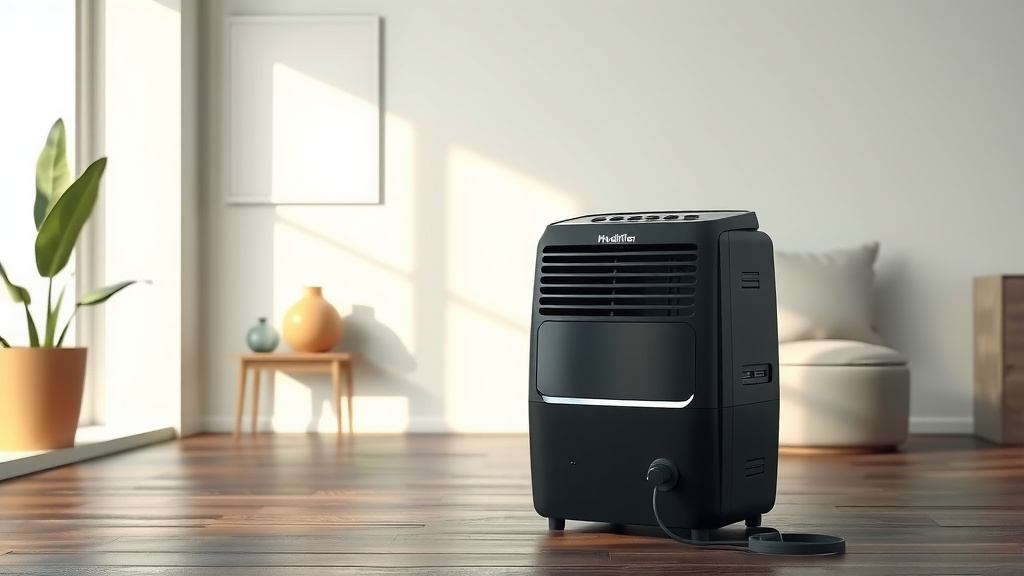
A typical home dehumidifier draws anywhere from 300 to 700 watts, though smaller units might use less and larger industrial models significantly more.
The exact wattage a dehumidifier draws depends heavily on its capacity, efficiency, and whether it’s actively running its compressor.
Here’s a quick overview of what you’ll find in this article:
- Home dehumidifiers generally use 300-700 watts of power.
- Unit capacity and energy efficiency are key factors in power consumption.
- Operating costs can range from $10 to $30+ per month, depending on your usage.
- Look for Energy Star certified models to significantly save on electricity bills.
- Proper sizing, placement, and regular maintenance ensure your unit runs efficiently.
How Many Watts Does a Dehumidifier Draw?
The power consumption of a dehumidifier varies widely, but most residential units use between 300 to 700 watts. This wattage directly impacts your home’s energy bill.
To put it simply, a higher wattage means more electricity consumed and a potentially higher cost to run your unit. Knowing this helps you make informed choices for your home.
What Impacts Dehumidifier Wattage?
It’s not just one thing that decides how much power your dehumidifier uses. Several key factors play a big role in its overall energy draw.
Understanding these elements can help you pick the right unit and manage its energy use effectively. Let’s look at what truly matters.
Capacity
The capacity of a dehumidifier refers to how much moisture it can remove from the air in a day, measured in pints. A larger capacity unit, like a 50-pint model, will generally draw more watts than a smaller 20-pint unit because it has a more powerful compressor.
We found that units designed for larger spaces naturally require more power to handle the increased workload. So, matching capacity to your room size is absolutely essential.
Energy Efficiency
Just like your refrigerator, dehumidifiers have an energy efficiency rating. An Energy Star certified unit, for example, is designed to remove the same amount of moisture using significantly less energy.
Many experts say that investing in an Energy Star model can lead to considerable savings over its lifespan. This certification is a great indicator of a unit’s power-saving abilities.
Operating Conditions
The environment where your dehumidifier operates also matters. In very humid or cold conditions, the unit has to work harder, consuming more power.
We found that when humidity levels are extreme, the compressor runs more often, leading to a higher average wattage draw. Keeping your space moderately comfortable helps reduce this demand.
Breaking Down Dehumidifier Power Consumption
Let’s get specific about how much power different sizes of dehumidifiers typically consume. This can help you estimate your own usage and potential costs.
Remember, these are averages, and your unit’s actual performance may vary based on conditions. But it gives you a good starting point for your research.
Small Dehumidifiers (20-30 Pints)
These compact units are ideal for smaller rooms, like bathrooms or bedrooms, or moderately damp spaces. They typically draw around 200 to 350 watts.
Their lower power consumption makes them a good choice if you’re only dealing with minor humidity issues. They are often quite economical to run.
Medium Dehumidifiers (40-50 Pints)
Perfect for basements, living rooms, or average-sized apartments, these are the most common home dehumidifiers. They generally pull between 400 to 550 watts.
These models offer a great balance of capacity and energy use for many households. They often come with more advanced features too.
Large Dehumidifiers (60-70 Pints and Up)
When you have a very damp basement, a large open-plan area, or a severely humid home, you’ll need a larger unit. These can draw anywhere from 600 to 700+ watts.
While they consume more power, their ability to tackle serious moisture problems is unmatched. They are designed for heavy-duty moisture removal.
The Cost of Running Your Dehumidifier
Knowing the wattage is one thing, but what does it mean for your electricity bill? Let’s talk about the real-world cost of keeping your home dry and comfortable. It’s often less than you think, but it adds up.
Understanding these calculations helps you budget and make smarter energy choices. We’ll break down how to figure out your monthly expense.
Calculating Your Dehumidifier’s Energy Bill
To estimate your cost, you’ll need your unit’s wattage, how many hours it runs per day, and your electricity rate. Many experts suggest using an average of 12 cents per kilowatt-hour (kWh) for a general estimate (EIA).
For example, a 500-watt dehumidifier running 12 hours a day at 12 cents/kWh would cost roughly $21.60 a month. It’s a simple formula: (Watts * Hours per day * Days per month / 1000) * Cost per kWh. This calculation helps you see the financial impact clearly.
Energy Star: Your Wallet’s Best Friend
Choosing an Energy Star certified dehumidifier can make a real difference to your wallet. These units are engineered for efficiency, meaning they achieve the same results with less power.
- Reduced Operating Costs: You’ll see lower numbers on your electricity bill.
- Environmental Benefits: Less energy use means a smaller carbon footprint.
- Quality Assurance: Energy Star products meet strict performance standards.
- Potential Rebates: Some utility companies offer incentives for energy-efficient appliances.
Tips for Lowering Your Dehumidifier’s Energy Use
You want a dry home, but you also want a manageable electricity bill. Good news: there are several practical ways to make your dehumidifier run more efficiently and save energy. It’s all about smart usage.
Small changes can lead to big savings over time. Let’s explore some simple adjustments you can implement right away to optimize performance.
Choosing the Right Size
Don’t just guess! A dehumidifier that’s too small will run constantly, using more power and struggling to reach desired humidity levels. One that’s too large might cycle on and off too frequently, which is also inefficient.
Many guidelines point to matching the pint capacity to your room size and typical humidity level (Energy Star). This ensures the unit works effectively without wasting energy.
Maintaining Your Unit
Just like your car, a dehumidifier needs a little TLC. A dirty filter or frozen coils make the unit work harder, drawing more power.
Regularly cleaning the air filter and checking for frost buildup can significantly improve efficiency. We found that a clean unit processes air much more easily.
Optimizing Your Space
Help your dehumidifier do its job by preparing the space. Close windows and doors in the area you’re dehumidifying. Also, ensure there’s good airflow around the unit itself.
Blocking the vents or placing it too close to a wall can hinder its performance, forcing it to consume more energy. A little spacing goes a long way for efficiency.
Dehumidifier Types and Their Wattage
Did you know there are different types of dehumidifiers? Each type is designed for specific conditions and can have varying power demands. Let’s compare a few common ones.
This table gives you a general idea, but always check the specific model’s specifications. Understanding these differences helps you select the best fit for your needs.
| Dehumidifier Type | Typical Wattage Range | Best For |
|---|---|---|
| Compressor (Refrigerant) | 200 – 700 watts | Most home applications, warm to moderate temperatures |
| Desiccant | 300 – 1000 watts | Cold environments, unheated basements, garages |
| Whole-House (HVAC Integrated) | 600 – 1200+ watts | Entire home humidity control, high capacity needs |
Common Misconceptions About Dehumidifier Power
There are a few myths floating around about how dehumidifiers use energy. Let’s clear up some common misunderstandings so you can approach your purchase with accurate information.
Knowing the facts helps you avoid pitfalls and make the most energy-efficient choices for your home. We often hear these questions from curious homeowners.
Many believe that a larger unit always means more energy waste. While larger units have higher maximum wattage, a properly sized large unit might run less frequently than an undersized small unit, ultimately using less power over time.
Some people also think that turning a dehumidifier off and on saves more energy than letting it run on its humidistat. Research often connects consistent, controlled operation with better efficiency (NIH). Frequent starts can actually be more energy-intensive than maintaining a stable humidity level.
Is Your Dehumidifier Running Efficiently?
How can you tell if your dehumidifier is doing its best work without guzzling too much electricity? A quick check can reveal a lot about its performance and efficiency.
Here’s a simple checklist to help you assess if your unit is running as it should. Keeping these points in mind helps with both performance and savings.
- Is the relative humidity in your room consistently reaching your target?
- Are the coils on your unit free from ice buildup?
- Have you cleaned or replaced the air filter recently?
- Is there sufficient space around the unit for proper airflow?
- Does the unit cycle on and off, or does it run constantly?
- Have you sealed any major air leaks in the area being treated?
Conclusion
Understanding how many watts a dehumidifier draws is key to managing your home’s energy consumption and costs. From smaller units using around 200-350 watts to larger models reaching 700 watts or more, capacity and efficiency are the primary determinants.
By choosing an Energy Star certified unit, selecting the right size for your space, and performing regular maintenance, you can significantly reduce your electricity bill. Remember, a well-maintained and correctly sized dehumidifier effectively tackles humidity without becoming an energy hog. Make informed decisions and enjoy a drier, more comfortable home without breaking the bank.
How often should I run my dehumidifier?
You should run your dehumidifier as often as needed to maintain a comfortable humidity level, typically between 40% and 50% relative humidity. Many modern units have a humidistat that automatically turns the unit on and off to reach your set target, saving you effort and energy.
Can a dehumidifier replace an air conditioner?
No, a dehumidifier cannot replace an air conditioner. While both remove moisture, a dehumidifier’s primary function is moisture removal, and it doesn’t significantly cool the air. An air conditioner is designed to actively cool your space, with dehumidification as a secondary benefit.
What’s a good humidity level for a home?
Many experts agree that an indoor humidity level between 40% and 50% relative humidity is ideal. This range helps prevent mold growth, dust mites, and uncomfortable stuffiness, while also protecting your home’s structure and furnishings (Mayo Clinic).
Do portable dehumidifiers use less energy?
Portable dehumidifiers often have lower maximum wattage compared to whole-house systems. However, their energy consumption per pint of water removed can vary. Smaller portable units might use less total energy, but the most energy-efficient choice is often an Energy Star certified unit, regardless of its portability.
Where is the best place to put a dehumidifier?
The best place to put a dehumidifier is in the dampest part of your home, such as a basement, laundry room, or any area with poor ventilation and high moisture. Place it away from walls and furniture to allow for optimal airflow, and ensure it’s near a drain or easily accessible for emptying the water tank.
