
How Much Copper Is in a Dehumidifier?
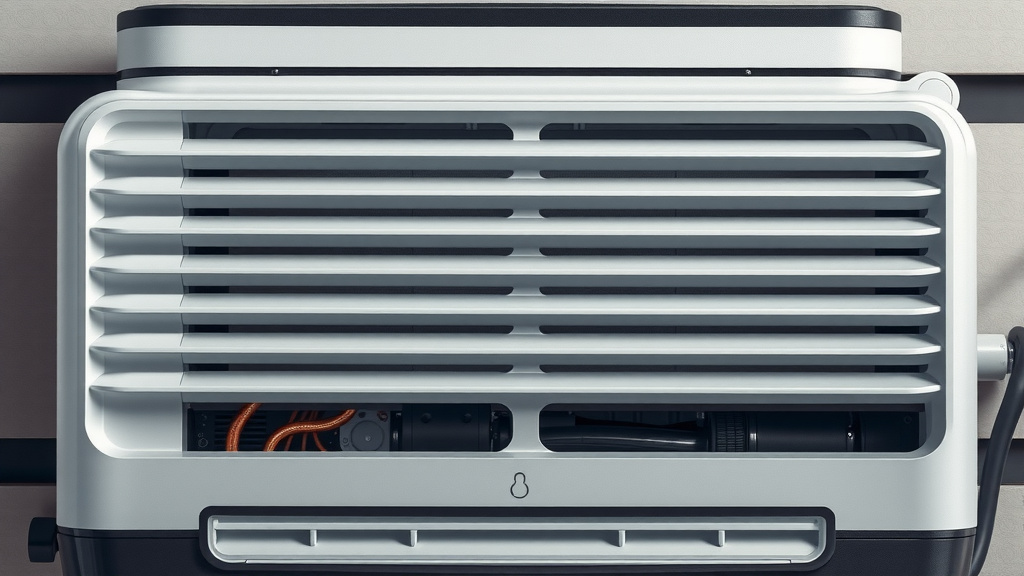
A typical residential dehumidifier usually contains about 1 to 3 pounds of copper. Most of this copper is found within its vital refrigeration coils.
This essential metal forms the heat exchange coils that help extract moisture from your air. The exact amount can vary significantly based on the dehumidifier’s size and capacity.
- Residential dehumidifiers often have 1-3 pounds of copper in their coils.
- Copper is vital for efficient moisture removal and heat exchange.
- Larger, higher-capacity units generally contain more copper.
- Recycling old dehumidifiers is important to recover valuable copper responsibly.
- Understanding copper’s role helps you appreciate your dehumidifier’s function.
How Much Copper Is in a Dehumidifier?
Generally, a standard residential dehumidifier holds anywhere from 1 to 3 pounds of copper. This amount can fluctuate based on the unit’s size, capacity, and model design.
You’ll primarily find this copper within the intertwined evaporator and condenser coils, which are central to how your dehumidifier works.
Why Copper is a Dehumidifier’s Best Friend
Copper is more than just a metal in your dehumidifier; it’s a star performer. Its incredible ability to conduct heat makes it ideal for the rapid temperature changes needed to pull moisture from the air.
Imagine trying to dry your clothes without heat; it just takes longer. Copper helps your dehumidifier perform its job swiftly and effectively, keeping your indoor air fresh and dry.
Where You’ll Find Copper Inside
When you peek inside a dehumidifier (or just think about its mechanics), the copper components are hidden but hard at work. They form the backbone of the cooling system.
These thin, coiled tubes are strategically placed to maximize surface area, allowing for efficient heat exchange as air passes through your unit.
The Evaporator Coils
The evaporator coils are the first stop for humid air. These coils get very cold, causing moisture in the air to condense into liquid water.
Think of a cold glass on a hot day; condensation forms. Your dehumidifier’s evaporator coils do the same, but with a purpose.
The Condenser Coils
After the evaporator, the now-dry air passes over the warmer condenser coils. These coils contain refrigerant that has absorbed heat, helping to warm the air slightly before it re-enters your room.
This process ensures the air isn’t too chilly when it returns, maintaining a comfortable temperature in your living space.
Does Size Affect Copper Content?
Absolutely, size plays a big role. A larger dehumidifier, designed to handle more moisture in bigger spaces, will typically contain more copper.
Why? Because it needs more coil surface area to process a greater volume of air efficiently. Think of it like a bigger engine needing more parts.
Portable vs. Whole-House Units: What’s the Difference?
You’ll see a noticeable difference in copper content between different types of dehumidifiers. The design and function often dictate how much of this valuable metal is present.
It’s like comparing a small car to a large truck; both serve a purpose, but their components vary in scale.
Copper in Portable Dehumidifiers
Portable dehumidifiers, the kind you move from room to room, are generally smaller. They contain less copper, usually falling within that 1 to 2-pound range.
These units are designed for specific room needs, so their cooling systems are more compact.
Copper in Whole-House Systems
Whole-house dehumidifiers, integrated into your home’s HVAC system, are much larger. They require more extensive coils to manage humidity throughout an entire dwelling.
These systems can contain a significantly higher amount of copper, sometimes pushing past 3 pounds, as they tackle a much bigger job.
Why Copper is So Important for Moisture Removal
Copper’s role in your dehumidifier is truly foundational. It helps create the temperature differential needed to turn airborne water vapor into liquid water.
This efficient heat transfer helps your unit work effectively without using excessive electricity. Many experts say copper’s thermal properties are nearly unmatched for this task (Industry Standards).
The Environmental Side of Dehumidifier Copper
Knowing your dehumidifier contains copper is also important for environmental reasons. Copper is a highly recyclable metal, retaining its value even after use.
When your old unit reaches the end of its life, responsible disposal helps recover this precious resource. This reduces the need for new mining and saves energy.
Recycling Your Old Dehumidifier
Don’t just toss your old dehumidifier in the trash. Many local recycling centers or appliance retailers offer programs for proper disposal.
Always check local regulations for appliance recycling. It’s a simple step that makes a big difference for our planet.
What About Other Metals in Dehumidifiers?
While copper is key, dehumidifiers are a mix of different materials. You’ll find other metals and components working together.
These parts each play a specific role in moving air, compressing refrigerants, and collecting water.
| Component | Typical Material | Primary Purpose |
|---|---|---|
| Refrigeration Coils | Copper | Heat exchange, condensation |
| Compressor Casing | Steel, sometimes aluminum | Houses motor and pump |
| Outer Casing | Plastic, sometimes steel | Protection and aesthetics |
| Fan Blades | Plastic, sometimes aluminum | Moves air through unit |
| Drain Pan | Plastic | Collects condensed water |
Keeping Your Copper Coils Working Well
To ensure your dehumidifier keeps running smoothly and efficiently, a little care goes a long way. This also helps the copper coils do their job without extra strain.
Regular maintenance can extend the life of your appliance and keep your air quality optimal.
- Clean the air filter often, usually every month.
- Keep the coils clear of dust and debris with a soft brush.
- Ensure proper airflow around the unit, don’t block vents.
- Empty the water bucket regularly to prevent overflows.
- Check the drain hose for clogs if you use a continuous drain.
- Wipe down the exterior to prevent dust buildup.
Conclusion
Your dehumidifier, though it quietly hums in the background, is a marvel of engineering, and copper is at its heart. Typically holding 1 to 3 pounds of copper in its coils, this metal is vital for efficient moisture extraction.
From tiny portable units to large whole-house systems, copper’s superior heat transfer properties make it an indispensable component. Remembering its presence also points to the importance of responsible recycling when your unit eventually retires.
Understanding the role of copper helps you appreciate the technology keeping your home comfortable and dry. It’s a testament to how simple materials can power complex solutions for a healthier indoor environment.
What does the copper in a dehumidifier do?
The copper in a dehumidifier primarily forms the evaporator and condenser coils. These coils are where the magic happens: the evaporator coils get very cold to condense moisture from the air, and the condenser coils then warm the air slightly before it’s released back into the room.
Are there different amounts of copper in different dehumidifier models?
Yes, the amount of copper can vary significantly between models. Smaller portable units will generally have less copper, while larger, higher-capacity or whole-house dehumidifiers designed for bigger spaces will contain more copper due to their more extensive coil systems.
Is the copper in a dehumidifier safe to handle?
When the dehumidifier is intact and working properly, the copper coils are safely enclosed within the unit. However, if you’re disassembling an old unit, it’s best to wear gloves and exercise caution, as sharp edges might be present. Always handle refrigerants professionally.
Why is copper used instead of other metals for the coils?
Copper is chosen for dehumidifier coils primarily because of its excellent thermal conductivity, meaning it transfers heat very efficiently. It’s also durable, corrosion-resistant, and relatively easy to form into the necessary coil shapes, making it a highly effective and reliable material for this application.
Can I recycle the copper from an old dehumidifier myself?
While copper is recyclable, disassembling a dehumidifier yourself to extract the copper is generally not recommended. Dehumidifiers contain refrigerants that are harmful to the environment if released. It’s always best to take your old dehumidifier to an authorized appliance recycling center or a scrap metal dealer who can handle the refrigerant safely and extract the copper properly.
