Can a Dehumidifier Remove Mold Smell?
On this page (3 sections)
Yes, a dehumidifier can help remove mold smell, but it’s not a complete solution. A dehumidifier tackles the excess moisture that mold loves, making your home less inviting for it. It can reduce the musty odor by drying out the air, but it won’t kill the mold itself or remove its stains.
You see, mold needs moisture to grow and thrive, producing those unpleasant smells. By running a dehumidifier, you are directly attacking one of mold’s main food sources: humidity. We found that keeping your home’s humidity below 50% is key to making your space less hospitable for mold, which can significantly lessen that tell-tale odor.
- Dehumidifiers reduce humidity, not mold itself.
- They can lessen mold smell by drying the air.
- Lowering humidity prevents mold growth.
- Mold removal requires cleaning and fixing the source.
- Aim for indoor humidity below 50% for best results.
Let’s dive deeper into how a dehumidifier works against mold smell and what other steps you absolutely need to take to truly banish that musty odor from your home.
Dehumidifiers and Mold Smell: What Can They Really Do?
A dehumidifier can definitely be your ally against that pervasive mold smell, but it’s important to understand its role. Think of it as a defensive player, not the star striker. It doesn’t kill mold, nor does it magically erase existing mold stains or the odors already embedded in materials. What it does, brilliantly, is remove the excess moisture from the air. This moisture is what mold absolutely needs to grow and release those musty, earthy smells.
When you reduce the humidity, you create an environment where mold struggles to survive. No new mold growth means no new mold smell. It’s about prevention and odor reduction, not eradication.
Understanding Mold and Its Odor
Mold isn’t just unsightly; it produces volatile organic compounds (VOCs) that give off its distinctive smell. These VOCs are what you’re smelling when you detect that damp, earthy, or rotten wood odor. Mold spores are always present in the air, both indoors and out. They only become a problem when they land on a damp surface and find enough moisture to start growing. This growth is where the smell begins.
The odor itself can vary. Some people describe it as sweet and musty, while others find it pungent and offensive. The type of mold, the material it’s growing on, and the amount of moisture all play a part in the intensity of the smell. Our research shows that even small patches of mold can produce a surprisingly strong and unpleasant odor, signaling a bigger humidity problem.
Why Mold Thrives on Moisture
Mold is a type of fungus, and like all fungi, it loves damp, dark, and still places. It needs water to germinate, grow, and reproduce. Without sufficient moisture, mold spores remain dormant. This is why leaky pipes, flooded basements, and even high indoor humidity create a perfect breeding ground for mold. We’ve found that keeping relative humidity levels below 50% is crucial for stopping mold in its tracks (Environmental Protection Agency).
Think of it like this: if mold is a plant, moisture is its water. Take away the water, and the plant withers. A dehumidifier essentially starves the mold of its lifeblood, preventing it from flourishing and, consequently, from producing those offensive smells.
How a Dehumidifier Helps with Mold Smell
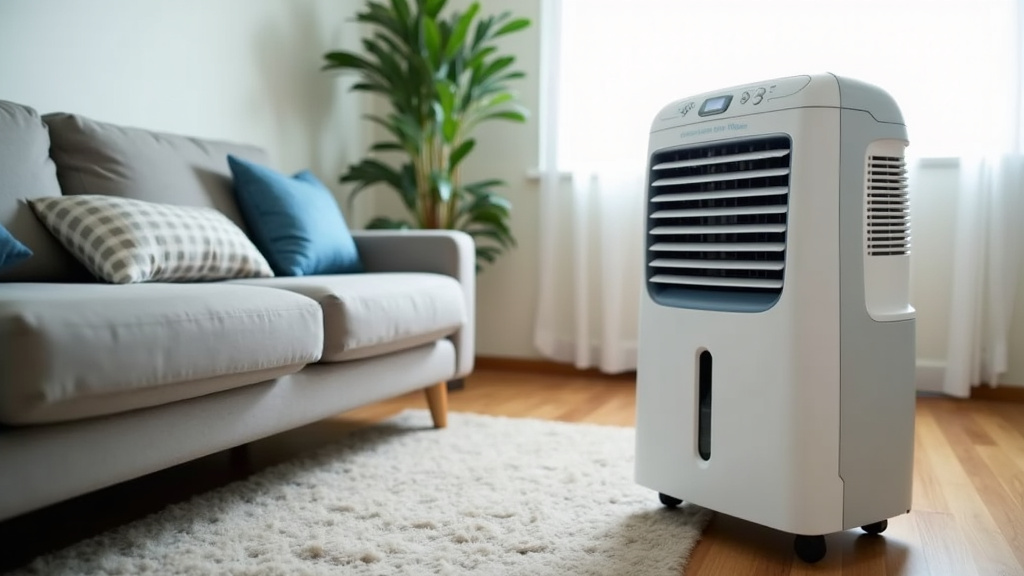
A dehumidifier works by drawing in moist air, cooling it over coils to condense the water vapor into liquid, and then releasing drier air back into the room. This process directly addresses the root cause of mold growth: high humidity.
By lowering the overall humidity, a dehumidifier makes your home less hospitable for mold. This means existing mold will dry out and stop actively growing, which in turn reduces the release of those smelly VOCs. It also prevents new mold colonies from forming. So, while it won’t remove the mold you already have, it can significantly diminish the accompanying smell and prevent future odors.
We’ve observed that many homeowners report a noticeable reduction in musty odors within a few days of consistently running a dehumidifier in affected areas. It’s a key part of managing your home’s indoor air quality.
Directly Reducing Airborne Moisture
The primary way a dehumidifier impacts mold smell is by removing water from the air. Imagine a sponge soaking up water; that’s essentially what your dehumidifier does. When the air is drier, mold finds it much harder to grow on surfaces. This direct attack on humidity means less active mold and therefore less mold smell circulating in your home.
It helps create a less stuffy, more breathable atmosphere. You might even find that other damp-related issues, like sweating windows or clammy clothes, also improve. It’s a win-win for overall indoor comfort and air quality.
Indirectly Inhibiting Spore Activity
While a dehumidifier doesn’t kill mold spores, it can make them less active. When spores are in a dry environment, they are less likely to germinate and start new colonies. So, by creating dry conditions, you’re not only stopping existing mold from flourishing but also reducing the chances of new mold growth taking hold. This indirect inhibition is vital for long-term odor control.
Think of mold spores like tiny seeds. If you put seeds on a dry patch of earth, they won’t grow. But add water, and they sprout. A dehumidifier keeps that “earth” dry, making it difficult for those mold “seeds” to flourish.
Limitations of a Dehumidifier for Mold Smell
It’s crucial to be realistic about what a dehumidifier can and cannot do. While it’s a powerful tool for odor reduction, it’s not a magical cure-all. You won’t solve your mold problem simply by plugging one in and walking away. It’s more like a partner in a bigger effort.
- Doesn’t kill mold: A dehumidifier doesn’t destroy mold. It only creates conditions unfavorable for its growth.
- Won’t remove existing mold: You’ll still need to physically clean and remove any visible mold.
- Doesn’t fix the source of moisture: If you have a leaky pipe, a dehumidifier won’t fix the leak itself. You need to address the underlying moisture problem.
- Can’t remove embedded odors: If mold has permeated porous materials like drywall, carpet, or upholstery, the smell may linger even after the air is dry.
- Not a substitute for ventilation: While it reduces humidity, it doesn’t replace the need for fresh air circulation.
For true mold remediation, you need a multi-pronged approach. The dehumidifier is just one piece of that puzzle, albeit an important one for ongoing prevention and odor management.
When a Dehumidifier is Most Effective
A dehumidifier is particularly effective in certain scenarios. Knowing when to deploy it can save you time and frustration. It’s not a “set it and forget it” solution for every mold issue.
We’ve seen the best results when dehumidifiers are used in:
| Scenario | Dehumidifier Effectiveness |
|---|---|
| High ambient humidity (e.g., basements, humid climates) | Very high – actively prevents mold growth and associated smells. |
| After water damage (e.g., flood, leak) once source is fixed | High – helps dry out materials and prevent secondary mold issues. |
| Rooms with poor ventilation (e.g., bathrooms, laundry rooms) | Moderate to high – reduces moisture from showers, drying clothes. |
| Persistent musty smell without visible mold | Moderate – often indicates hidden mold or high humidity levels. |
| Visible, active mold growth | Low (alone) – needs cleaning first, then dehumidifier for prevention. |
Basically, if humidity is the main culprit behind your mold smell, a dehumidifier is your best friend. But if there’s a direct water source like a leak, you need to fix that first, or the dehumidifier will be fighting a losing battle.
Steps to Effectively Remove Mold Smell (Beyond Dehumidification)
To truly banish that stubborn mold smell, a dehumidifier is just one part of a more comprehensive strategy. You need to be a mold detective and a cleanliness champion. Here’s a checklist of actions you should take:
Locate and Eliminate the Moisture Source
This is arguably the most critical step. If you don’t stop the water, you’ll never stop the mold. Look for:
- Leaky pipes: Check under sinks, behind toilets, and in basements.
- Roof leaks: Look for water stains on ceilings and walls.
- Foundation cracks: These can let in groundwater.
- Condensation: Often found on windows, pipes, or poorly insulated surfaces.
- Poor ventilation: Especially in bathrooms and kitchens.
Fixing the source of moisture is non-negotiable. A dehumidifier helps manage the symptoms, but you must cure the disease.
Clean and Remove Existing Mold
You must physically remove any visible mold. A dehumidifier won’t do this for you. For small areas (less than 10 square feet), you can often handle it yourself (CDC). Use:
- Proper protective gear: Gloves, goggles, and a N95 respirator mask.
- Detergent and water: Scrub hard surfaces.
- Bleach solution: For non-porous surfaces, a diluted bleach solution (1 cup bleach per gallon of water) can be used, but always test a small area first.
- Discard porous materials: Items like drywall, insulation, carpets, and upholstered furniture that are heavily molded often need to be replaced.
For larger infestations or if you have health concerns, it’s best to call in a professional mold remediation service. They have the tools and expertise to safely remove mold and prevent its return.
Improve Ventilation
Good airflow helps to dissipate moisture and keep the air fresh. Even with a dehumidifier, proper ventilation is key. We often recommend:
- Opening windows: When weather permits, fresh air can do wonders.
- Using exhaust fans: Always run bathroom and kitchen fans during and after moisture-producing activities.
- Ensuring good air circulation: Avoid blocking vents and keep furniture away from walls to allow air to flow.
Use Air Purifiers with Activated Carbon
While a dehumidifier tackles moisture, an air purifier with an activated carbon filter can directly address the odor. Activated carbon is excellent at absorbing airborne VOCs, which are the chemicals responsible for the mold smell. It won’t remove the mold itself, but it can significantly reduce the lingering musty scent after you’ve dealt with the source and cleaned the area.
Think of it as a scent absorber, pulling those unpleasant smells right out of the air, making your space smell much cleaner and fresher.
Maintaining Optimal Humidity Levels
Once you’ve addressed the immediate mold problem and eliminated the smell, maintaining proper humidity levels is your best defense against future issues. Aim for a relative humidity between 30% and 50% indoors. This range is generally considered ideal for human comfort and for discouraging mold growth (American Society of Heating, Refrigerating and Air-Conditioning Engineers).
A good quality dehumidifier with a built-in humidistat will automatically turn on and off to maintain your desired humidity level, making it a “set it and forget it” tool for ongoing prevention.
Your Checklist for Mold Smell Removal:
- Find and fix the root cause of moisture (leaks, condensation).
- Physically clean all visible mold from surfaces.
- Discard and replace mold-damaged porous materials.
- Run a dehumidifier consistently to keep humidity below 50%.
- Improve natural and mechanical ventilation in your home.
- Consider an air purifier with activated carbon for lingering odors.
By combining these strategies, you can effectively tackle not just the mold smell, but the mold problem itself, creating a healthier and more pleasant living environment.
Conclusion
While a dehumidifier is a powerful tool in your fight against mold smell, remember it’s a partner, not a solo act. It effectively tackles the excess moisture that mold thrives on, significantly reducing those musty odors and preventing new growth. However, it won’t clean existing mold or fix underlying water issues.
You need to be proactive: find and fix any moisture sources, physically remove visible mold, and improve ventilation. By combining these essential steps with consistent dehumidifier use, you can successfully banish mold smell and create a healthier, fresher environment in your home.
Frequently Asked Questions
Can a dehumidifier eliminate mold spores in the air?
No, a dehumidifier does not eliminate mold spores. Its primary function is to remove moisture from the air. By creating a drier environment, it makes it much harder for mold spores to land on surfaces and begin to grow, thus reducing their activity.
How quickly can a dehumidifier reduce mold smell?
You might notice a reduction in mold smell within a few days of consistently running a dehumidifier. However, this depends on the severity of the mold problem and whether you’ve also addressed the source of moisture and cleaned any visible mold.
Should I run a dehumidifier 24/7 if I have mold smell?
Initially, yes, running it continuously can help dry out the affected area. Once humidity levels are stable (ideally 30-50%), a dehumidifier with a humidistat can be set to maintain these levels, turning on and off as needed.
Will a dehumidifier prevent mold from growing back after cleaning?
Yes, by keeping indoor humidity levels consistently below 50%, a dehumidifier plays a key role in preventing mold from returning. It starves mold of the moisture it needs to grow, making your home less hospitable for future infestations.
Is it safe to stay in a room with mold smell while the dehumidifier is running?
While a dehumidifier can reduce the smell, it doesn’t remove mold itself or its harmful particles. If you’re experiencing a strong mold smell, it’s best to address the mold source and clean it properly. For severe issues or health concerns, consider professional help before spending extended time in the affected area.