How to Test the Air in Your Home
To test the air in your home, measure humidity first, then use a monitor or test kit for specific concerns such as particles, gases, mold, or radon. Match the tool to the problem and record readings in more than one room.
On this page (8 sections)
- What should you test for in home air?
- How do you test the air with a home monitor?
- What should you do after finding high humidity?
- How do you test for particles and odors?
- When should you use a dedicated air test kit?
- How can you compare air readings between rooms?
- What if a large home has high humidity?
- How do you decide what the results mean?
To test the air in your home, measure humidity first, then test for the specific pollutant or condition you are worried about. A humidity meter or air quality monitor can show patterns, while a dedicated kit is better for concerns such as radon or carbon monoxide.
Test in the room where the problem appears, then compare it with another room. Keep a simple record of the date, time, room, weather, windows, heating or cooling, and any unusual activity such as cooking or cleaning.
What should you test for in home air?
Test the condition connected to your concern. A musty smell points you toward moisture checks, while smoke, dust, combustion concerns, or a suspected gas call for different tools.
The main categories are:
- Humidity: Use a hygrometer or humidity meter to check relative humidity.
- Particles: Use an indoor air quality monitor designed to track airborne particles.
- Gases: Use the correct detector for carbon monoxide or another named gas.
- Radon: Use a radon test made for indoor homes.
- Mold: Look for moisture sources first, then consider a qualified inspection if visible growth or repeated dampness remains.
No single device measures everything. A humidity reading can explain condensation risk, but it cannot identify radon, carbon monoxide, or every airborne particle.
How do you test the air with a home monitor?
Place the monitor in a central breathing area, away from windows, vents, kitchens, bathrooms, and direct sunlight. Let it collect readings under normal conditions before changing your routine.
Keep interior doors in their usual position. A reading with every window open may not represent the air you normally breathe, while a reading during cooking may show a short spike rather than the room's usual condition.
Use the same location when comparing days. Write down readings after cooking, showering, cleaning, or running heating, cooling, ventilation, a dehumidifier, or an air purifier.
A monitor can show useful patterns even when you do not know the exact source. If particles rise during frying, improve kitchen ventilation and retest.
If humidity rises after showers, use the bathroom fan and check whether moisture is moving into nearby rooms.
How can humidity help you test the air?
Humidity is the simplest starting point because moisture affects comfort, condensation, odors, and mold risk. Measure bedrooms, bathrooms, basements, closets, and rooms beside an exterior wall.
Take readings at different times instead of relying on one number. Morning readings may differ from evening readings, and a basement may stay more humid than the living area.
If humidity stays high, look for wet materials, plumbing leaks, poor exhaust, ground moisture, or outdoor air entering through the building. A dehumidifier can lower moisture, but it does not remove every air pollutant.
Read Does a Dehumidifier Help with Air Quality? for the difference between moisture control and air cleaning.
What should you do after finding high humidity?
Find and reduce the moisture source before treating the reading as an air-cleaning problem. Dry wet areas, use exhaust ventilation, repair leaks, and check whether the room needs controlled dehumidification.
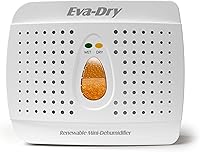
For a small enclosed space, the Eva-Dry Wireless Mini Dehumidifier is designed for areas up to 333 cubic feet and absorbs up to 6 ounces of moisture. It is cordless, uses renewable silica gel beads, and can hang from its included hook or sit in a small space.
This type of unit suits a closet, cabinet, car, boat, gun safe, or gym bag better than a whole home. Its stated absorption capacity is up to 6 ounces, so it is not a substitute for a larger compressor dehumidifier when a room has a continuing moisture source.
The unit is white, plastic, and 6.25 in deep by 1.25 in wide by 4.75 in high. Eva-Dry describes the silica gel as non-toxic and child and pet safe, but keep any device away from children and animals when practical.
For larger rooms, compare Best Dehumidifier For Most Homes and Best Top Rated Dehumidifiers For Home after measuring the room and checking drainage options.
How do you test for particles and odors?
Use a particle monitor for airborne particles, and treat odors as a clue rather than a complete air-quality result. A smell can come from moisture, smoke, cooking, waste, fabrics, or building materials.
First remove obvious sources and improve ventilation where safe. Then compare readings before and after the change.
An air purifier may help with particles, while moisture control may be needed for a musty smell.
Do not use an ozone generator as a routine occupied-room air test or purifier. The Enerzen Ozone Generator produces 60,000 mg of ozone and is intended for unoccupied spaces only.
Enerzen lists uses that include cars, boats, kitchens, bathrooms, basements, and areas affected by flood or fire odors. Remove people, pets, and plants before operation, then allow at least 30 minutes for airing out after ozone generation ends.
Ozone is not a safe shortcut for learning whether occupied indoor air is healthy. The product is black, measures 8 x 6.75 x 5.75 in, and weighs 5 lb.
For questions about whether moisture control can affect air concerns, see Does a Dehumidifier Help Clean the Air?.
When should you use a dedicated air test kit?
Use a dedicated kit when you have a specific concern that a general monitor cannot identify. Radon, carbon monoxide, and some chemical concerns need their own test method and safety response.
For radon, follow guidance from the EPA's radon testing information. Place the test where the instructions specify, keep normal living conditions during the test, and follow the return or reading steps exactly.
For carbon monoxide, use a proper carbon monoxide alarm on each level and near sleeping areas as recommended by local safety guidance. Leave immediately and call emergency services if an alarm sounds or anyone has symptoms that could indicate exposure.
Mold test kits can be difficult to interpret because mold spores are common indoors and outdoors. If you see visible growth, repeated dampness, or water damage, finding and fixing the moisture source is usually more useful than collecting a single air sample.
How can you compare air readings between rooms?
Test one room at a time with the same device and similar conditions. A basement, bedroom, kitchen, and bathroom can have very different humidity and particle patterns.
Use this simple process:
- Choose the room connected to the concern.
- Place the device away from windows, doors, vents, and direct sunlight.
- Record the reading after the device has had time to settle.
- Repeat at another time of day.
- Compare the same process in a second room.
- Note activities that could explain a temporary change.
Do not move the monitor every few minutes and treat each number as equally meaningful. Air changes with weather, ventilation, cooking, bathing, cleaning, and occupancy.
What if a large home has high humidity?
A large home needs room-by-room measurements and a dehumidifier sized for the actual moisture load. A single reading in a living room may miss a damp basement or closed storage area.
The AEOCKY 5500 Sq.Ft Energy Star Most Efficient is a compressor dehumidifier rated for up to 5,500 square feet, with a stated dehumidification capacity of 80 pints per day under specified conditions. It has a 1.45-gallon tank, a drain hose, and a garden hose adapter.
AEOCKY lists Auto, Constant Humidity, Continuous, Smart Drying, and Sleep modes, plus child lock, fan speed control, and a timer. Its dimensions are 14.45 in deep by 8.66 in wide by 24.09 in high, and it weighs 31 lb.
The unit is white and metal, with a stated airflow capacity of 9,006 cubic feet per hour. It may suit a home where repeated readings show high humidity across several rooms, but measure doorways, floor space, and the drainage route before choosing a large unit.
If you want one appliance that handles moisture and airborne particles, compare the trade-offs in Best Air Purifier Dehumidifier Combo.
How do you decide what the results mean?
Use repeated readings to choose the next action, not to label the whole home from one number. A consistent humidity problem calls for moisture control, while a suspected pollutant may need a dedicated detector or professional help.
Choose a small moisture absorber for an enclosed space with limited moisture. Choose a larger compressor dehumidifier when readings stay high across a living area or basement and you can manage the tank or drain hose.
For odors, remove the source and improve ventilation before considering treatment. If the concern involves radon, carbon monoxide, fire damage, visible mold, or persistent symptoms, use the appropriate safety guidance and qualified help.
Testing the air starts with the question “What problem am I trying to measure?” Then choose the tool that answers that question, keep the setup consistent, and use the results to correct the source instead of guessing.
Frequently asked questions
What is the easiest way to test the air in a home?
Start with a humidity meter or indoor air quality monitor placed in the room where you spend the most time. Take readings at different times, then compare rooms.
A general monitor can show trends, but a specific concern such as radon, lead, asbestos, or mold may require a dedicated test or professional assessment.
How do you test indoor air quality at home?
Use a monitor for changing conditions such as humidity and airborne particles, or use a test kit designed for one concern. Keep doors and windows in their normal position, place the device away from vents and windows, and record readings over several days before deciding what action to take.
What should indoor humidity be in a home?
Many homes aim for indoor relative humidity between 30% and 50%, although the best range depends on the season, climate, and building. A reading that stays high can support condensation and musty odors.
Compare readings in bedrooms, bathrooms, basements, and other rooms where moisture collects.
Are home air quality test kits accurate?
Accuracy depends on the test type, setup, sample handling, and the condition being measured. A kit can help screen for a concern, but a single result does not describe every room or every day.
Follow its instructions closely and use a qualified professional for high-stakes findings.