Air Dryer vs Dehumidifier: Which Do You Need? (November 2026)
Use an air dryer to dry a material or surface; use a room dehumidifier to remove moisture from indoor air. The right choice depends on whether you need to dry an item or control humidity across a space.
On this page (6 sections)
Use an air dryer to dry a material or surface; use a room dehumidifier to remove moisture from indoor air. The air dryer vs dehumidifier choice depends on what is wet and where the moisture is.
A damp rug, freshly washed item or wet patch needs direct drying. A humid bedroom, basement or enclosed living area may need moisture removed from the air.
The name “air dryer” can mean different equipment in different settings. This guide uses it for equipment meant to dry a material or process air, and “dehumidifier” for an appliance that removes moisture from room air.

 Best for whole-home humidity
AEOCKY 5500 Sq.Ft Energy Star Most Efficient
Air dryer vs dehumidifier: what does each one dry?
An air dryer targets a material or air stream; a room dehumidifier targets the humidity in a space. Identify the moisture problem before comparing equipment.
An air dryer may direct warm or moving air at a surface, or condition air used in a process. The term covers different kinds of equipment, so check the device’s intended use and instructions.
A room dehumidifier draws room air through the unit and collects or drains some of its moisture. It can help lower indoor humidity, but it does not directly absorb water from a soaked carpet or repair the leak that wet it.
If your question is whether the space itself is too humid, start with What Is the Ideal Humidity Level for a Home?. A humidity reading helps you distinguish damp air from a wet surface.
Which one should you use for a wet surface?
Use a method that contacts or moves air over the wet material, then use a dehumidifier if the surrounding room also stays humid. Neither device removes the need to deal with standing water or the source of a leak.
Blot or extract water from a rug, upholstery or floor first, using a method suitable for that material. Then improve airflow and follow the material’s care instructions.
A room dehumidifier can reduce moisture in the surrounding air as materials dry. That is a supporting role: it cannot replace water extraction, ventilation where appropriate, or repairs to a pipe or roof.
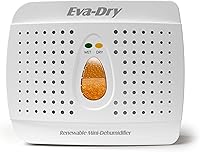
For a small enclosed place where moisture can collect, the Eva-Dry Wireless Mini Dehumidifier is a compact rechargeable absorber. Its silica gel capacity is up to 6 oz, so think of it for a closet or cabinet rather than a wet room.
If water has soaked a large area or dampness keeps returning, identify and correct the source. The EPA’s mold cleanup guidance recommends addressing moisture as part of managing mold in the home.
Which one is right for a humid room?
Choose a room dehumidifier when the problem is damp indoor air across a room or larger area. Choose an air dryer only when the equipment is designed for the material or drying process you have in mind.
A dehumidifier is meant to work with room air. Consider the room size, how moisture will be collected or drained, and whether the unit’s operating conditions fit the space.
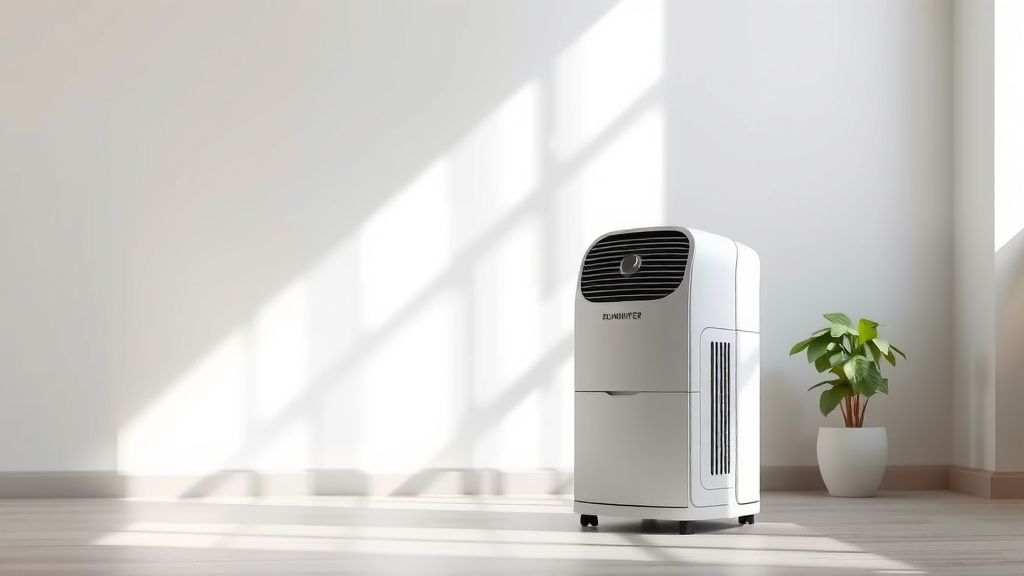
The AEOCKY 5500 Sq.Ft Energy Star Most Efficient is a compressor dehumidifier with an 80-pint-per-day moisture removal figure and a drain hose. Its intended role is household humidity control, rather than drying one wet object.
If you want the unit to maintain a chosen humidity level, check its controls and how you will monitor the room. Our guide to the best humidistat for a dehumidifier covers that choice, while What Is a Dehumidifier Humidistat? explains what the control does.
A dehumidifier doesn't clean the air in the same way an air purifier does. Read Does a Dehumidifier Help Clean the Air? to understand what moisture removal can and cannot do.
Can either device help with mold?
Neither device removes mold or fixes the source of moisture. A room dehumidifier may help control damp air, while drying equipment may help dry a suitable wet material.
Mold prevention starts with stopping leaks and drying wet areas promptly. If you already see mold, follow appropriate cleanup guidance and consider professional help when the affected area or material calls for it.
For more on the limits of moisture control, see Does Air Dehumidifier Help with Mold?. Don't treat a lower humidity reading as proof that a leak or mold issue is resolved.
What should you check before choosing?
Match the equipment to the moisture source, the material and the size of the area. Also check where water will go and whether the device is suitable for its location.
For drying a surface, look for equipment intended for that material and task. Consider whether the material can tolerate heat, strong airflow or prolonged drying, and follow its care instructions.
For room humidity, consider the area you want to manage, available drainage and the unit’s operating requirements. A small moisture absorber may fit a cabinet; a household dehumidifier serves a different job.
Humidity can also affect static, but more moisture removal isn't always the answer. Our guide Does a Dehumidifier Help with Static? explains why room conditions matter.
The scores here reflect how closely each item’s stated features match its intended moisture problem. Our score weighs specs and features against what you’re shopping for.
Air dryer vs dehumidifier: which do you need?
Choose drying equipment for a wet material, and a room dehumidifier for damp indoor air. If both are part of the problem, dry the material and address the water source, then manage lingering room humidity.
Pick the Eva-Dry for a small enclosed space that needs a compact moisture absorber. Pick the AEOCKY for household humidity control over a larger area, with a drain hose available.
Start by locating the moisture: if it is in a surface or item, dry that directly; if the air itself is humid, choose a room dehumidifier. Use What Is the Ideal Humidity Level for a Home? to help judge the room’s humidity.
Frequently asked questions
Is an air dryer the same as a dehumidifier?
No. An air dryer usually refers to equipment that dries a material, surface or process air stream, while a room dehumidifier removes moisture from indoor air.
Names vary by industry, so check what the specific equipment is designed to dry before choosing it.
Can a dehumidifier dry a wet floor?
A dehumidifier can lower room humidity and may help a room dry after you remove standing water, but it doesn't replace towels, extraction or fixing the leak. Dry the wet material directly and address the water source; use a dehumidifier for lingering damp air.
Which is better for a damp bedroom?
A room dehumidifier is the relevant choice for damp bedroom air because it removes moisture from the room. An air dryer intended for materials or industrial processes may not control the room's humidity.
Check room size, drainage and the model's operating guidance.
Can a small moisture absorber replace a room dehumidifier?
A small rechargeable absorber can suit a closet or cabinet, but its limited capacity makes it a poor stand-in for a room dehumidifier. For a persistently damp room, look at the moisture source and room conditions, then choose equipment sized for the space.
Will a dehumidifier solve a mold problem?
A dehumidifier can help control excess moisture in indoor air, but it doesn't remove existing mold or fix a leak. Find and repair the moisture source, dry wet materials, and follow appropriate cleanup guidance.
The EPA explains mold cleanup and moisture control.