
How to Clean a Dehumidifier?
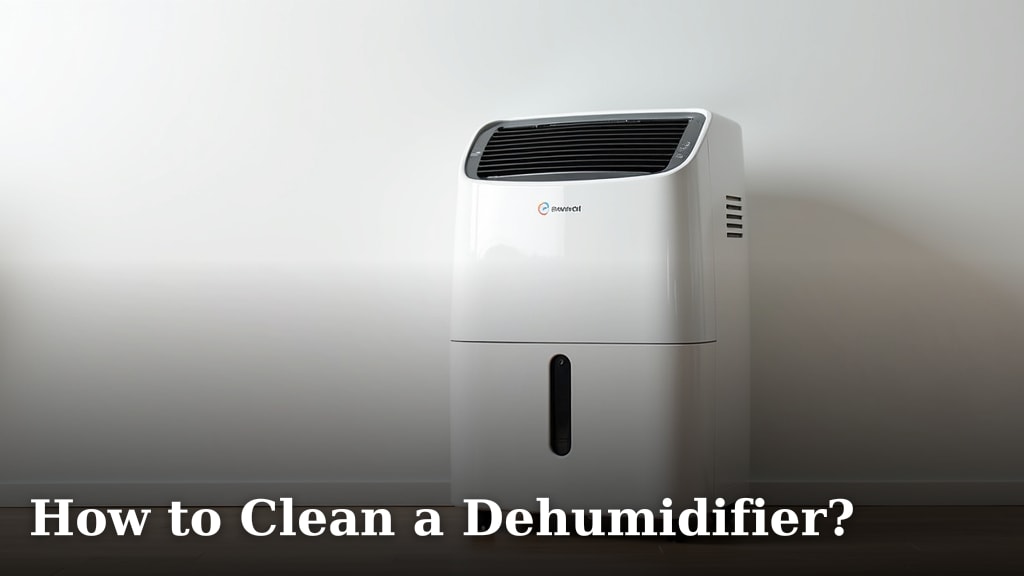
To clean a dehumidifier, you should empty and clean its water bucket regularly. You also need to clean or replace the air filter, and gently wipe down the exterior. This process ensures your dehumidifier runs well and keeps your air feeling fresh.
Keeping your dehumidifier clean isn’t just about appearances. A well-maintained unit works better and lasts longer. We found that regular cleaning also prevents mold and mildew buildup within the machine, which is super important for your home’s air quality.
- Empty and wash the water bucket.
- Clean or replace the air filter.
- Wipe down the outside of the unit.
- Check coils for dust.
- Spot-clean any grime.
Ready to give your dehumidifier the spa day it deserves? Let’s walk through the simple steps to get your unit sparkling and running smoothly.
Keeping Your Dehumidifier Shipshape
Cleaning your dehumidifier isn’t a chore; it’s an investment in your home’s air quality. This routine maintenance helps it work better, last longer, and keep your indoor environment comfortable.
You’ll notice less dampness and a fresher smell in your home. Plus, a clean machine means less energy waste. We found that proper care can significantly extend the life of your appliance.
When and Why to Clean Your Dehumidifier
How often should you clean it? Most manufacturers suggest a monthly cleaning, especially if you use it often. If your home is very humid or dusty, you might need to clean it more frequently.
Ignoring maintenance can lead to a few problems. Over time, dust and mold can build up. This buildup can reduce efficiency and even release spores into your air, impacting your health (Environmental Protection Agency).
Signs Your Dehumidifier Needs Cleaning
Sometimes, your dehumidifier will tell you it needs attention. Keep an eye out for these cues.
- Reduced Water Collection: If it’s collecting less water than usual, it could be clogged.
- Unpleasant Odor: A musty smell often means mold or mildew inside the unit.
- Increased Noise: A struggling motor due to blockages might sound louder.
- Visible Dust or Grime: You might see dirt on the filter or exterior.
Don’t wait for these signs! Regular cleaning prevents these issues before they start. Think of it like changing the oil in your car – preventative care saves you trouble down the road.
Readying Your Dehumidifier for Cleaning
Before you start, safety first! You’ll want to prepare your unit properly. This step is super important for your well-being and the machine’s safety.
Gather your supplies beforehand so you’re not scrambling mid-clean. It makes the whole process smoother and faster. You likely have most things already.
Safety First: Unplugging and Placement
Always unplug your dehumidifier before doing anything. This step prevents electrical shocks or accidents. It’s like turning off the water main before fixing a leaky faucet.
Move your dehumidifier to an area where you can work comfortably. A bathroom or utility sink is ideal for handling water. Lay down an old towel to catch any spills.
Essential Cleaning Supplies
You don’t need fancy gadgets. Simple household items work best. Here’s what you’ll want to have on hand:
- Mild dish soap or white vinegar
- Warm water
- Soft cloth or sponge
- Soft brush (an old toothbrush works great!)
- Vacuum cleaner with a brush attachment
- Optional: Spray bottle for vinegar solution
- Gloves (if you prefer)
We found that a mix of vinegar and water is excellent for mold prevention. It’s natural and effective.
Step-by-Step Dehumidifier Cleaning Guide
Now, let’s get into the nitty-gritty. We’ll go through each part of your dehumidifier. This systematic approach ensures every component gets the attention it needs.
Taking your time with each step delivers the best results. You’ll be amazed at the difference a good clean makes.
Cleaning the Water Bucket and Reservoir
This is where all the water collects, so it can get pretty grungy. First, empty the water bucket completely. Discard the water, especially if it smells musty.
Wash the bucket with warm, soapy water. Use a soft cloth or sponge to scrub away any slime or buildup. For stubborn grime or mold, a solution of equal parts white vinegar and water works wonders (CDC).
Rinse the bucket thoroughly with clean water. Make sure no soap residue is left behind. Let it air dry completely before putting it back. A dry bucket prevents new mildew from forming.
Caring for the Air Filter
The air filter is your dehumidifier’s first line of defense against dust. It’s crucial for both air quality and unit efficiency.
Washing a Reusable Filter
If your dehumidifier has a reusable filter, gently slide it out. Many pop right out with a gentle tug. Take a look at it – it’s probably grimier than you think!
Rinse the filter under cool, running water. You can use a soft brush to dislodge trapped dust. If it’s extra dirty, a mild soap solution can help. We found that rinsing from the “clean” side to the “dirty” side helps push debris out.
Let the filter dry completely before putting it back. A wet filter can cause mold growth or even damage your unit. Place it on a towel in a well-ventilated area.
Replacing a Disposable Filter
Some dehumidifiers use disposable filters. These cannot be washed. If yours is disposable, simply remove the old one and throw it away.
Check your owner’s manual for the correct replacement filter type. Install the new filter carefully, making sure it’s oriented correctly. This is usually indicated by arrows on the filter itself.
Mark your calendar for when you last replaced or cleaned your filter. This helps you stay on top of maintenance. We suggest checking it monthly, even if you only clean or replace it every few months.
Cleaning the Cooling Coils and External Surfaces
The cooling coils are hidden but vital. They get cold to condense moisture from the air. Over time, dust can accumulate on them, much like on a refrigerator condenser.
Carefully locate the coils, usually behind the filter area. Use your vacuum cleaner’s brush attachment to gently remove any dust or debris. Be very careful not to bend the delicate fins. Some units have a panel you need to remove (check your manual).
Wipe down the exterior of your dehumidifier with a slightly damp cloth. Use a mild all-purpose cleaner if needed. Don’t forget the vents and control panel. Keep water away from electrical components.
Use a soft brush (like an old paintbrush) for tight spots and crevices. This will remove any lingering dust bunnies. A clean exterior reflects a well-cared-for machine.
Putting It All Back Together
Once everything is clean and dry, it’s time to reassemble your dehumidifier. This final step is quick, but important to make sure everything fits correctly.
Ensure the filter is seated properly. Slide the clean, dry water bucket back into place. Listen for a click, which indicates it’s securely in.
Now, you can plug your dehumidifier back in. Turn it on and listen. Does it sound quieter? Does the air flowing out feel fresher? You’ve done a great job!
Tips for Ongoing Dehumidifier Maintenance
Regular small efforts can save you from big cleaning jobs. Think of it as a little help throughout the month.
You want your dehumidifier to run at its best. These practices keep it efficient and extend its lifespan. It’s like routine dental care for your appliance.
Monthly Dehumidifier Checklist
Here’s a quick list to keep you on track:
- Empty the water bucket: Do this daily or whenever it’s full.
- Rinse the water bucket: A quick rinse with water helps prevent sticky buildup.
- Check the air filter: See if it needs washing or replacing.
- Quick exterior wipe: A damp cloth keeps dust from settling.
- Inspect drain hose (if applicable): Ensure it’s clear and free of kinks.
Troubleshooting Common Issues
Sometimes, even a clean dehumidifier might act up. Don’t panic! Here are a few common problems and their simple fixes:
| Problem | Possible Cause | Quick Fix |
|---|---|---|
| Not collecting water | Full bucket sensor error | Ensure bucket is pushed in securely. |
| Making strange noises | Fan obstruction | Check fan for dust or debris; unplug first! |
| Still smells musty | Mold in coils or internal components | Repeat vinegar rinse on bucket; check manual for coil access. |
| Runs constantly, no change in humidity | Dirty filter or coils | Clean or replace filter; vacuum coils gently. |
Many experts say that most dehumidifier issues stem from lack of maintenance. A little care goes a long way!
Conclusion
You’ve now got all the tools and knowledge to keep your dehumidifier in top shape. We’ve seen how a little routine care, from
washing the water bucket
to
cleaning the coils and filter
, makes a huge difference. This effort helps prevent mold, improves air quality, and ensures your unit runs efficiently for years.
Remember, a clean dehumidifier isn’t just about functionality; it’s about maintaining a healthier, more comfortable home environment for you and your family. So, grab your supplies and give your dehumidifier the attention it deserves. You’ll breathe easier knowing you’re protecting your home.
Frequently Asked Questions
What happens if I don’t clean my dehumidifier?
If you skip cleaning, your dehumidifier can develop mold and mildew, which then gets released into your air. It will also become less efficient, cost more to run, and could even stop working entirely. Regular cleaning prevents these issues.
How often should I clean my dehumidifier filter?
You should check your dehumidifier’s filter monthly. If it’s a washable filter, clean it as needed, usually every 1-3 months depending on use. Disposable filters should be replaced according to the manufacturer’s recommendations, or when visibly dirty.
Can I use bleach to clean my dehumidifier?
We don’t recommend using bleach inside your dehumidifier. While it kills mold, residual bleach can damage plastic components over time. A solution of equal parts white vinegar and water is much safer and just as effective for cleaning and disinfecting.
Why does my dehumidifier still smell musty after cleaning?
A persistent musty smell often means there’s hidden mold or mildew. Check internal components like the cooling coils or the drain pan more thoroughly. Sometimes, the smell can also come from stagnant water in the drain hose if you use one. Try a vinegar rinse through these areas.
How can I make my dehumidifier last longer?
Consistent cleaning and following the manufacturer’s maintenance schedule are key. Always empty the bucket promptly, keep the filter clean, and ensure the unit is placed in a well-ventilated area. These habits prevent strain and wear on the machine.
