What Is the Best Dehumidifier Setting for Summer?
On this page (9 sections)
- Optimal Dehumidifier Settings for Summer Comfort
- The Problems with Too Much Humidity
- The Discomfort of Too Little Humidity
- How to Find Your Home’s Ideal Setting
- Types of Dehumidifiers and Their Settings
- Troubleshooting Common Dehumidifier Issues
- Summer Dehumidifier Maintenance Checklist
- Conclusion
- Frequently Asked Questions
The best dehumidifier setting for summer is between 45% and 50% relative humidity. This range feels comfortable for most people and helps prevent mold growth. Setting your dehumidifier here keeps your home feeling fresh without drying out the air too much.
Finding the right balance is key for a comfortable home. Too much humidity makes summer feel sticky and uncomfortable, while too little can dry out your skin and sinuses. We found that maintaining this ideal humidity level helps you save energy, too.
- Set your dehumidifier between 45% and 50% relative humidity.
- This range prevents mold and keeps you comfortable.
- Avoid setting it too high (sticky) or too low (dry skin).
- Proper settings save energy and reduce discomfort.
- Many experts agree this is the optimal summer setting.
Let’s walk through exactly why these settings work best and how to maintain them for a perfectly comfortable summer.
Optimal Dehumidifier Settings for Summer Comfort
You’ve got the general idea: 45% to 50% relative humidity. But why this range? It’s not just a random number. This sweet spot balances comfort, health, and energy efficiency. Think of it as finding your home’s personal “Goldilocks zone” during the stickiest months.
Understanding Relative Humidity (RH)
Relative humidity is simply how much water vapor is in the air compared to the maximum amount the air can hold at that temperature. When the air feels sticky, that’s high RH. When your skin feels dry, that’s low RH.
In summer, warm air can hold a lot more moisture. This is why a 70% RH day at 90°F feels much more oppressive than a 70% RH day at 50°F. Your dehumidifier’s job is to pull that excess moisture out of the air, making your home feel cooler and more pleasant. We found that most people feel best when the air isn’t too wet or too dry.
Why 45-50% RH is Your Summer Best Friend
This range is widely recommended for several reasons. It helps deter mold and mildew, which thrive in higher humidity. It also limits dust mites, another common allergen (EPA). This range simply feels good to most people. You won’t feel clammy, and your skin won’t feel tight.
The Problems with Too Much Humidity
Let’s face it, nobody likes the feeling of walking into a house that feels like a swamp. But it’s more than just discomfort. High humidity in your home can lead to a whole host of issues you’d rather avoid.
Health Hazards of High Humidity
When the air is too damp, it creates a perfect breeding ground for unwelcome guests. Mold and mildew love moisture. You might start seeing black spots on walls or smelling a musty odor. Mold spores can trigger allergies, asthma attacks, and other respiratory problems for many people.
- Increased mold and mildew growth.
- More dust mites, which can worsen allergies.
- Unpleasant, musty odors throughout your home.
- Aggravated allergy and asthma symptoms.
It’s not just visible mold; hidden mold can grow in walls or under carpets, affecting air quality without you even knowing it.
Damage to Your Home and Belongings
Moisture isn’t just bad for your health; it’s bad for your house. High humidity can cause wooden floors to warp, paint to peel, and even damage electronics. Think about that antique dresser or your favorite books – they can suffer in a very humid environment.
Musical instruments are particularly sensitive. Pianos and guitars can go out of tune or even crack. We found that keeping humidity in check helps preserve your home’s structure and your cherished items.
The Discomfort of Too Little Humidity
While the goal is to remove excess moisture, you don’t want to overdo it. You might think “drier is better,” but that’s not always true for your home or your body.
Impact on Your Body
If your dehumidifier setting is too low, say below 30%, you’ll likely start to feel it. Your skin might become dry and itchy. Your lips can chap. You might even experience dry eyes, a scratchy throat, or nosebleeds. It’s like living in a desert inside your home, and that’s not what summer comfort is about.
- Dry, itchy skin and chapped lips.
- Irritated nasal passages and throat.
- Increased static electricity (annoying!).
- Potential for nosebleeds in sensitive individuals.
Many experts agree that extremely dry air can also make people more susceptible to colds and flu, as it dries out the mucous membranes that act as your body’s first line of defense (Cleveland Clinic).
Damage to Your Home
Just as too much moisture can damage wood, too little can also be problematic. Very dry air can cause wooden furniture to shrink and crack. Hardwood floors can develop gaps if the air is consistently too dry. It can even affect certain types of wallpaper.
Finding the right balance protects both your well-being and your home’s integrity. It’s about moderation, just like with most things in life.
How to Find Your Home’s Ideal Setting
Every home is a little different. While 45-50% RH is a great starting point, you might need to fine-tune it based on your specific situation. What feels perfect for your neighbor might be slightly off for you.
Factors That Influence Your Ideal Setting
Consider a few things. Do you have anyone in your home with severe allergies or asthma? You might lean towards the lower end of the 45-50% range. Do you have a lot of wooden furniture or musical instruments? They might prefer slightly less extreme dryness.
The climate you live in also plays a role. If you’re in a consistently very humid area, your dehumidifier will work harder. In slightly drier climates, you might reach your target quicker.
Using a Hygrometer for Accuracy
Your dehumidifier often has a built-in humidistat, which measures humidity. But sometimes, these aren’t perfectly accurate. A separate, inexpensive device called a hygrometer can give you a more precise reading. Place it in the room where you feel humidity the most, or in a central area.
Think of it as your humidity thermometer. It gives you real-time data so you can adjust your dehumidifier with confidence. Check it periodically; don’t just set it and forget it forever.
Types of Dehumidifiers and Their Settings
Not all dehumidifiers are created equal. The type you have can influence how you manage its settings.
Portable Dehumidifiers
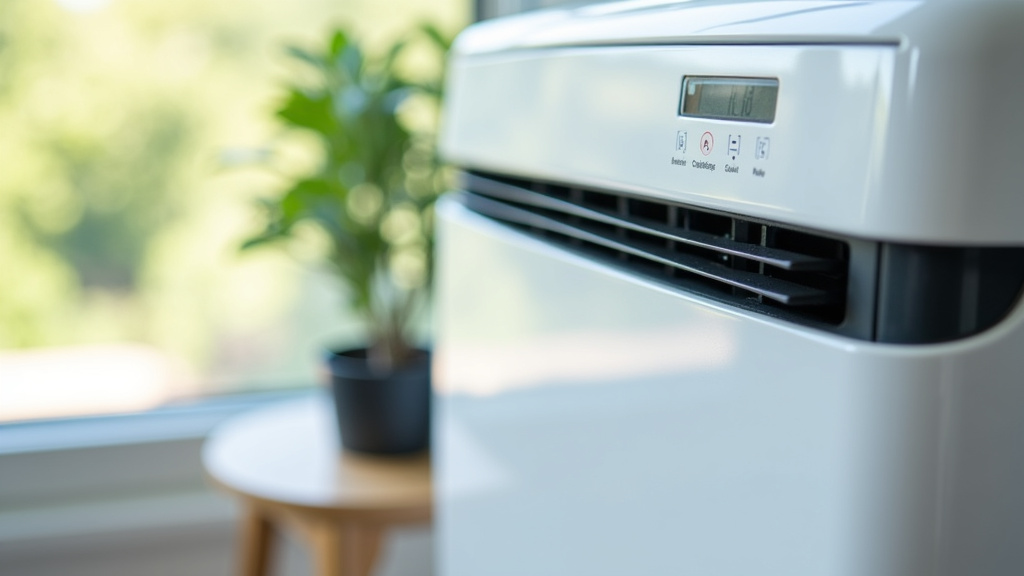
These are the most common for individual rooms or smaller areas. They usually have a digital display where you can set your desired humidity level (e.g., “45%”). They’ll run until that level is reached, then cycle on and off to maintain it. It’s pretty straightforward.
Remember to empty the water bucket frequently or connect a hose for continuous drainage if your model allows. A full bucket means your dehumidifier stops working, and your indoor humidity starts creeping up again.
Whole-House Dehumidifiers
These are integrated into your HVAC system and control humidity throughout your entire home. They are more robust and generally more efficient for larger spaces. You’ll typically set these at your thermostat or a dedicated control panel.
With a whole-house unit, maintenance might involve professional cleaning or filter changes during your regular HVAC service. These are a set-it-and-forget-it option, but always double-check the settings at the start of summer.
Troubleshooting Common Dehumidifier Issues
Even with the best settings, sometimes things go wrong. Here’s a quick checklist to make sure your dehumidifier is doing its job effectively.
Dehumidifier Not Reaching Target Humidity?
If your dehumidifier runs constantly but your home still feels muggy, here are a few things to check:
- Is the unit sized correctly for your room or home? An undersized unit will struggle.
- Are doors and windows closed? You’re fighting a losing battle if outside humid air is constantly coming in.
- Is the air filter clean? A clogged filter severely reduces efficiency.
- Is the room temperature very high? Dehumidifiers work less efficiently in very hot conditions.
- Is there a lot of moisture actively being introduced (e.g., long showers, boiling water, drying clothes indoors)?
Sometimes, a combination of factors keeps it from working well. We found that cleaning the filter is often the quickest fix. It’s like trying to breathe through a stuffy nose; your dehumidifier feels the same way with a dirty filter.
Summer Dehumidifier Maintenance Checklist
A little care goes a long way in ensuring your dehumidifier performs its best all summer long. This quick checklist will keep things running smoothly.
| Maintenance Task | Why It’s Important | Frequency |
|---|---|---|
| Clean or replace air filter | Ensures efficient operation; prevents unit from overworking. | Monthly (or per manufacturer’s guide) |
| Empty water bucket (portable) | Prevents overflow; allows continuous operation. | Daily/As needed (when full) |
| Clean water bucket/reservoir | Prevents mold and mildew growth inside the unit. | Monthly or every few weeks |
| Check drainage hose (if used) | Ensures water flows freely; prevents clogs. | Seasonally/Every few months |
| Clean exterior vents | Maintains good airflow; prevents dust buildup. | Monthly |
Don’t forget to unplug the unit before doing any cleaning or maintenance. Safety first!
Conclusion
You now know the secret to a perfectly comfortable summer: setting your dehumidifier between 45% and 50% relative humidity. This range isn’t just about comfort; it’s your best defense against mold, dust mites, and potential damage to your home. We’ve seen how finding this sweet spot protects your health and your belongings, all while saving energy.
So, take control of your indoor climate. Grab a hygrometer, check your settings, and ensure your dehumidifier is doing its job. Your home will feel fresher, and you’ll breathe easier, enjoying a truly pleasant summer experience.
Frequently Asked Questions
Should I run my dehumidifier 24/7 in the summer?
Not necessarily 24/7. Your dehumidifier should run as needed to maintain your target humidity level, typically between 45-50%. Once it reaches that setting, it should cycle on and off automatically to sustain it. Constant running might indicate an undersized unit or too much moisture entering your home.
Does setting a dehumidifier lower than 45% make my home feel cooler?
While lower humidity can make the air feel less sticky, setting it below 45% won’t actually lower the air temperature. It can, however, lead to discomfort like dry skin or scratchy throats. Stick to the 45-50% range for optimal comfort without over-drying the air.
Can a dehumidifier help with summer allergies?
Yes, absolutely! Many common allergens, like dust mites and mold, thrive in high humidity. By keeping your home’s relative humidity between 45% and 50%, you create an environment where these allergens are less likely to flourish, potentially easing your summer allergy symptoms.
How do I know if my dehumidifier is the right size for my space?
If your dehumidifier runs constantly and still struggles to reach your desired humidity level, it might be undersized. Check the manufacturer’s specifications for its capacity (often measured in pints removed per day) and compare it to your room or home size. An appropriately sized unit will cycle on and off to maintain settings.
Can I use my dehumidifier with my air conditioning unit?
Yes, using them together can be very effective. Your air conditioner primarily cools, and while it removes some humidity, a dehumidifier is designed specifically for moisture removal. Running both helps your AC work more efficiently by reducing the moisture it needs to handle, making your home feel cooler at the same temperature setting.